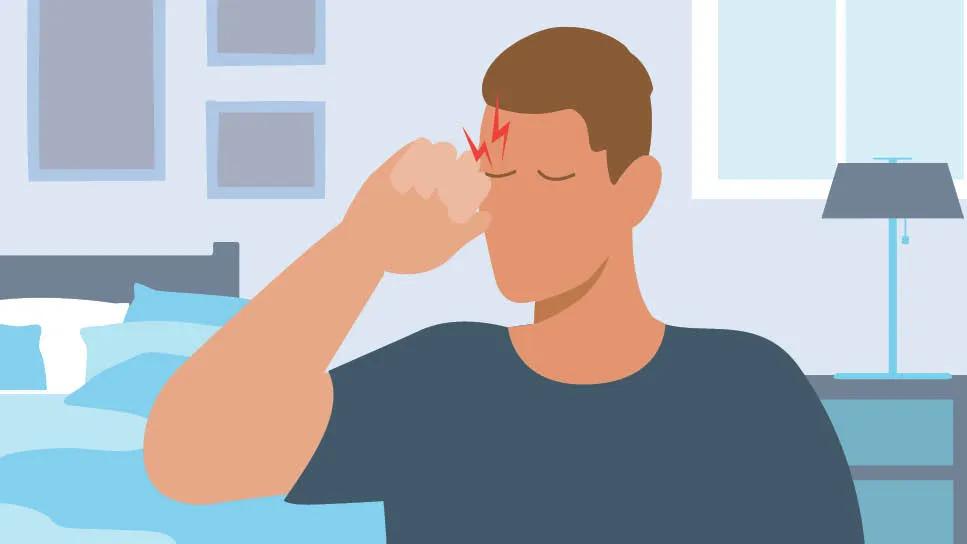

Waking up should involve stretching, checking the weather, and briefly wondering why your alarm sounds personally offended by your existence. It should not involve opening your eyes and feeling as though someone sprinkled sand beneath your eyelids overnight.
If your eyes hurt when you wake up, the cause is often something happening on the surface of the eye while you sleep. Dryness, irritated eyelids, allergies, sleeping in contact lenses, or air blowing directly at your face can all leave your eyes feeling scratchy, sore, red, watery, or oddly glued shut in the morning.
But morning eye pain is not always a simple “my bedroom fan chose violence” situation. Sometimes it can point to a scratched cornea, an infection, inflammation, or another issue that deserves prompt attention. The key is noticing the pattern: what the pain feels like, whether it improves after a few minutes, and whether you have warning signs such as blurred vision, severe redness, light sensitivity, discharge, or nausea.
Why Eyes Can Feel Worse in the Morning
Your eyes depend on a thin tear film to stay comfortable, smooth, and protected. During the day, blinking refreshes that tear film constantly. At night, you blink approximately zero times, which is a wildly inefficient skincare routine for your eyeballs.
Tear production also drops while you sleep. If your eyes already tend to be dry, your eyelids do not close fully, or the air in your room is dry, the surface of your eyes can become irritated by morning. That irritation may feel like burning, stinging, pressure, grittiness, or the sensation that an invisible eyelash has moved in permanently.
For some people, the discomfort fades after blinking, using lubricating drops, or getting away from a fan or air conditioner. For others, pain keeps returning, stays intense, or comes with changes in vision. That is when it is important to move beyond guesswork and get an eye exam.
Common Reasons Your Eyes Hurt When You Wake Up
1. Dry Eyes Overnight
Dry eye is one of the most common explanations for morning eye discomfort. It happens when your eyes do not make enough tears, when tears evaporate too quickly, or when the tear film is not doing its job well enough to keep the eye surface lubricated.
Morning dry eye symptoms can include:
- A burning or stinging feeling
- Scratchiness or a sandy sensation
- Redness
- Watery eyes that somehow still feel dry
- Temporary blurry vision that improves after blinking
- Sensitivity to light
Yes, watery eyes can still be dry eyes. Your eyes may produce extra reflex tears when they are irritated, but those tears may not have the right balance of oils and moisture to protect the eye surface for long.
Dry air, indoor heating, air conditioning, cigarette smoke, dust, allergy season, dehydration, certain medications, aging, and long screen sessions can all contribute to dry eye symptoms. A fan aimed directly at your face may feel wonderfully dramatic while you sleep, but your tear film may not appreciate the performance.
2. Sleeping With Your Eyes Partly Open
Some people sleep with one or both eyes partially open. This is called nocturnal lagophthalmos. It can happen because of eyelid shape, facial nerve issues, previous eyelid surgery, thyroid eye disease, injury, or no obvious reason at all.
When the eyelids do not close completely, part of the eye remains exposed to air overnight. Tears evaporate, and the exposed surface can become dry, irritated, red, and painful by morning. Symptoms may be worse in one eye, especially if you sleep on one side or if a fan, vent, or air conditioner blows toward that side of your face.
Clues that your eyelids may not be fully closing include waking with one dry, red eye more often than the other, blurry vision that improves after lubrication, or a partner noticing that your eyes remain slightly open while you sleep. An optometrist or ophthalmologist can check eyelid closure and recommend treatment if needed.
3. Blepharitis or Meibomian Gland Dysfunction
Your eyelids are not just curtains for your eyes. They also contain glands that help make the oily layer of your tears. That oil slows tear evaporation. When the glands become blocked or the eyelid margins become inflamed, tears can evaporate too fast and your eyes may feel dry even when they water frequently.
Blepharitis often causes irritated, itchy, crusty, or greasy eyelids. You may wake up with flakes at the base of your lashes, eyelashes stuck together, puffy lids, or a gritty feeling that makes you want to rinse your eyeballs in a tiny spa fountain.
Morning symptoms can be especially noticeable because oils, debris, and dried tears collect along the eyelid margins overnight. Gentle eyelid hygiene and warm compresses are sometimes recommended, but the right plan depends on the cause. Repeated irritation is worth discussing with an eye-care professional rather than endlessly trying random internet remedies with the confidence of a medieval potion maker.
4. Allergies or Bedroom Irritants
Allergies can make your eyes itchy, puffy, watery, and uncomfortable when you wake up. Dust mites in bedding, pet dander, pollen brought indoors on clothes or hair, scented products, smoke, and lingering makeup can all irritate the eyes and eyelids.
Allergy-related eye symptoms often include itching, which is a useful clue. Pain is usually milder than the intense pain associated with a corneal injury or serious infection. Still, rubbing itchy eyes can worsen irritation and may make swelling more noticeable.
Try thinking like a detective rather than blaming the nearest pillow. Did symptoms start after changing detergent? Do they get worse when your pet sleeps in the bedroom? Are they worse during a certain season? A pattern can help you and your clinician narrow down the likely trigger.
5. Sleeping in Contact Lenses
Falling asleep in daily-wear contact lenses is a common reason for sore, dry, red eyes in the morning. Contact lenses can reduce oxygen reaching the cornea, trap debris, and make the eye surface more vulnerable to irritation and infection.
A short accidental nap may leave your eyes uncomfortable. Sleeping overnight in lenses can be more concerning, especially if you wake with redness, pain, light sensitivity, discharge, or blurry vision. Do not assume that painful red eyes are simply “contacts being annoying.” Remove the lenses and contact an eye-care professional for guidance.
Even if you use lenses approved for extended wear, follow the exact schedule and care instructions given by your prescriber. “My friend sleeps in theirs all the time” is not an eye-care plan. It is a sentence that often appears shortly before regret.
6. Recurrent Corneal Erosion
If you wake up and experience sharp pain when you first open your eye, recurrent corneal erosion is one condition an eye doctor may consider. The cornea is the clear front surface of the eye. In recurrent corneal erosion, its outer layer does not attach as securely as it should.
When you wake up and open your eyelid, the lid may stick to the cornea and pull on that fragile surface. The result can be sudden pain, tearing, light sensitivity, redness, blurry vision, and a severe “something is scraping my eye” sensation.
This problem can occur after a previous corneal scratch, even if the injury happened long ago. It can also be associated with certain corneal conditions. Because recurrent corneal erosion can mimic dry eye but may need different treatment, recurring sharp morning pain should not be ignored.
7. Pink Eye or Another Infection
Conjunctivitis, often called pink eye, can make the eyes red, irritated, watery, or crusted shut in the morning. Viral, bacterial, and allergic forms can look similar at first, but their treatment may differ.
Signs that suggest an infection or inflammation may be involved include thick discharge, eyelids stuck together with mucus, worsening redness, swelling, pain, light sensitivity, or symptoms that spread from one eye to the other. Contact lens wearers with a painful red eye should be especially cautious because corneal infections can become serious quickly.
Do not share towels, washcloths, makeup, eye drops, or pillowcases when an infection may be present. And do not use leftover prescription drops from a previous eye problem. The wrong drops can delay proper treatment or make certain conditions worse.
Less Common but More Serious Causes of Morning Eye Pain
Most morning eye discomfort comes from dryness or surface irritation, but a few symptoms should make you think beyond the usual suspects.
Serious eye conditions may cause pain along with significant redness, light sensitivity, blurred vision, headache, halos around lights, nausea, vomiting, or difficulty keeping the eye open. Inflammation inside the eye, corneal ulcers, acute glaucoma, injury, or certain neurologic conditions can all require urgent evaluation.
Sudden vision loss, a severe headache with eye pain, or intense eye pain after chemical exposure, trauma, or contact lens use should never be managed with a hopeful nap and a motivational quote. Seek urgent medical care.
How to Tell Whether It Is Dry Eye or Something More
| What You Notice | What It May Suggest | What to Do |
|---|---|---|
| Gritty, burning eyes that improve after blinking | Dry eye or overnight exposure | Reduce drafts, consider lubricating drops, schedule care if it repeats |
| Crusty lashes, itchy lids, flaky skin near lashes | Blepharitis or eyelid irritation | Discuss eyelid care with an eye professional |
| Sharp pain when opening the eye, tearing, light sensitivity | Corneal abrasion or recurrent corneal erosion | Seek prompt eye-care evaluation |
| Red eye, discharge, swollen lids, eyelids stuck together | Conjunctivitis or another infection | Get medical advice, especially if pain or vision changes occur |
| Severe pain, halos, nausea, sudden blurry vision | Possible eye emergency | Seek urgent medical care immediately |
What You Can Do Tonight to Help Your Eyes Tomorrow
If your symptoms are mild and clearly linked to dryness or environmental irritation, a few changes may help reduce morning eye pain.
Move Air Away From Your Face
Point fans, vents, and air conditioners away from your eyes. A bedroom that feels like a wind tunnel can turn a manageable dry-eye problem into a morning complaint department.
Remove Contact Lenses Before Sleeping
Take out daily-wear contacts before any planned or accidental sleep. If you repeatedly fall asleep in lenses, consider keeping a lens case and solution near your bed so convenience does not become an accidental experiment in corneal irritation.
Use Lubrication Carefully
Artificial tears may help some people with dry-eye symptoms. Preservative-free lubricating drops are often preferred when drops are needed frequently, while gels or ointments may be recommended for nighttime dryness. Because eye pain has several possible causes, see an eye-care professional if you are relying on drops every morning or symptoms keep returning.
Keep Eyelids and Bedding Clean
Remove eye makeup before bed, wash pillowcases regularly, and avoid sleeping with debris, mascara, or heavy skincare products near the lash line. If you have crusting or recurring eyelid irritation, ask an eye-care professional about a safe eyelid-cleaning routine.
Do Not Rub a Painful Eye
Rubbing can worsen irritation, move debris across the cornea, and make an injury more painful. If your eye feels like something is stuck in it, resist the urge to conduct emergency surgery with your fingernail. Close the eye gently, avoid contact lenses, and get medical advice if symptoms are significant or do not improve quickly.
When to See an Eye Doctor
Schedule an eye exam if morning eye pain happens repeatedly, lasts more than a short time after waking, affects one eye much more than the other, or keeps interrupting sleep and daily life.
Seek urgent care if you have:
- Sudden or worsening vision loss
- Severe eye pain
- Strong sensitivity to light
- Marked redness or swelling
- Thick discharge or pus-like drainage
- Halos around lights, severe headache, nausea, or vomiting
- An eye injury, chemical exposure, or something embedded in the eye
- A painful red eye while wearing or after sleeping in contact lenses
Eye pain is not always a crisis, but your eyes are not a body part to “wait and see” for days when vision changes are involved. Getting checked early can protect comfort, clarity, and your ability to read texts without looking like you have stared directly into the sun.
Conclusion: Morning Eye Pain Usually Has a Reason
When your eyes hurt after waking up, dry eye, overnight exposure, eyelid inflammation, allergies, or contact lens irritation are common possibilities. Often, the clues are right there: burning and grittiness suggest dryness, crusting points toward eyelid trouble, itchiness may signal allergies, and sharp pain when opening the eye can suggest a corneal problem.
Small changes such as moving the fan, removing contact lenses before bed, keeping eyelids clean, and talking with an eye professional about appropriate lubrication can make a real difference. But severe pain, redness, light sensitivity, discharge, or vision changes deserve prompt care. Your morning routine should begin with coffee, not a battle against your own eyelids.
Experiences People Commonly Describe When Their Eyes Hurt in the Morning
One of the most common experiences is waking up with eyes that feel dry, heavy, and reluctant to open. People often describe it as having “sand in the eyes,” even though they went to bed in a normal bedroom and not on a beach during a dust storm. They may blink repeatedly, splash water on their face, and notice that their vision looks slightly hazy for the first few minutes. Once they start moving around, blinking more often, and getting away from the air conditioner, the discomfort may ease. This pattern often fits overnight dryness or irritation from dry air.
Another familiar experience is waking with one eye much worse than the other. A person may feel fine in the evening but wake with one red, watery eye that feels tender or scratchy. Sometimes this happens because they sleep on one side with a fan aimed toward that side of the face. Other times, it may occur because one eyelid does not fully close during sleep. The unevenness matters because it gives an eye-care professional a useful clue. Dryness affecting both eyes can feel different from a recurring problem that consistently targets one eye.
Some people describe their eyelids as “stuck” in the morning. They may have crusting at the lashes, a gummy feeling near the lids, or difficulty opening their eyes without discomfort. This can happen with dried tears, allergies, blepharitis, or conjunctivitis. The important distinction is whether the problem is mostly mild crusting and irritation or whether it comes with worsening redness, thick discharge, swelling, or pain. Mild morning crust can be annoying. A painful, red eye with discharge deserves more attention.
Contact lens wearers often have their own version of the story. Someone stays up late watching a show, falls asleep without removing their lenses, and wakes with red, dry, uncomfortable eyes. At first, they may assume the lenses simply need a rinse or a few minutes of rest. But if discomfort is intense, vision is blurry, or light hurts, it is safer to treat that as a reason to stop wearing lenses and seek professional advice. A painful red eye after sleeping in contacts is not a situation for “I’ll just power through it.”
Then there is the sharper, more alarming experience: waking up, opening an eye, and immediately feeling a sudden stab of pain. Some people describe intense tearing, a need to keep the eye closed, and a sensation that something has scraped the surface of the eye. This is different from ordinary tired-eye discomfort. Repeated episodes of sharp pain upon opening the eye can happen with recurrent corneal erosion and should be evaluated by an eye doctor.
Finally, many people find that their morning eye pain improves when they pay attention to the boring-but-important details: replacing old pillowcases, keeping pets out of the bedroom during allergy season, removing makeup fully, redirecting the fan, staying on top of contact lens hygiene, and not rubbing their eyes. The lesson is not that every sore eye has a simple home fix. It is that recurring patterns are valuable information. Your eyes may be trying to tell you something long before they start shouting.
Note: This article is for general educational purposes and is not a medical diagnosis. Persistent, painful, red, light-sensitive, or vision-changing eye symptoms should be assessed by a qualified eye-care professional.