
Epilepsy is one of those conditions people think they understand until they actually meet it in real life. On TV, it usually looks dramatic, loud, and immediate. In reality, epilepsy can show up as full-body convulsions, brief staring spells, sudden confusion, odd sensations, or a mind that seems to quietly disconnect for a moment and then strolls back in as if nothing happened. That range is exactly why epilepsy treatment and care has to be personalized. There is no one-size-fits-all plan, no magical “brain off, brain on” switch, and definitely no universal trick from the internet that deserves a standing ovation.
The good news is that modern epilepsy care is far better than many people assume. Many patients do well with treatment, some become seizure-free, and others see their seizures become much less frequent and less disruptive. The best care usually combines the right anti-seizure treatment, practical safety planning, regular follow-up, support for mental and cognitive health, and a realistic plan for school, work, driving, exercise, sleep, and family life. In other words, epilepsy care is not just about stopping seizures. It is about helping a person keep living a full life without feeling like their calendar, career, or confidence has been kidnapped by their nervous system.
What Epilepsy Treatment Is Really Trying to Do
The first goal of epilepsy treatment is simple in theory and sometimes annoyingly complicated in practice: prevent seizures without causing side effects that make daily life miserable. A treatment plan should also reduce the risk of injuries, status epilepticus, emergency visits, and long-term complications. Good care includes more than a prescription pad. It also means knowing seizure triggers, having a rescue plan, teaching family members what to do, and reviewing how epilepsy affects sleep, mood, memory, school performance, work demands, and transportation.
That broader view matters because seizures do not only interrupt a few minutes of the day. They can affect confidence, independence, relationships, and safety. Someone may start worrying about showering alone, staying up late, walking to class, swimming, or simply being in public when a seizure happens. That is why the best epilepsy care feels both medical and practical. It treats the brain, but it also protects the person.
First-Line Treatment: Anti-Seizure Medications
For most people, the first treatment is an anti-seizure medication, sometimes called an antiseizure medicine or anticonvulsant. The right medication depends on the seizure type, epilepsy syndrome, age, sex, other health conditions, possible drug interactions, lifestyle, and whether pregnancy is a possibility. That may sound like a lot of variables, and it is. Picking the right drug can feel a bit like online dating, except the stakes are higher and the profile includes EEG results.
How Doctors Choose the Right Medication
A neurologist usually tries to match the medicine to the seizure type and the patient’s life circumstances. One drug may be a smart fit for focal seizures but not ideal for generalized seizures. Another may work well but cause sleepiness, dizziness, mood changes, slowed thinking, or balance problems that make school or work harder. The goal is not merely “some improvement.” The goal is meaningful seizure control with side effects a person can actually live with.
Many patients do best when they take one medication consistently at the lowest effective dose. Others need a combination. What matters most is regular follow-up and honest reporting. If a medication is causing brain fog, irritability, stomach issues, poor sleep, or a personality you barely recognize, that is not a character flaw. That is useful treatment information.
Why Medication Adherence Matters So Much
Taking anti-seizure medication exactly as prescribed is one of the most important parts of epilepsy care. Missed doses can trigger seizures, increase emergency risk, and make it look like a medication “failed” when the real problem was inconsistent use. If a patient keeps forgetting doses, the solution is not shame. The solution is a plan: alarms, pill organizers, automatic refills, linking doses to daily routines, and involving a family member or caregiver when needed.
Patients should also avoid stopping a medication suddenly unless a clinician specifically tells them to do so. A sudden change can make seizures worse. If a medicine is not working, that does not mean the patient has failed treatment. It means the plan needs adjusting. Epilepsy care is often a process of careful fine-tuning, not a dramatic one-act play.
When Medications Are Not Enough
If seizures continue despite appropriate medication trials, it may be time to see an epilepsy specialist or a comprehensive epilepsy center. This step is important and sometimes delayed for far too long. Specialized centers can confirm the diagnosis, review whether the seizure type has been classified correctly, check for psychogenic nonepileptic events or other mimics when needed, and evaluate advanced treatment options.
Epilepsy Surgery
Epilepsy surgery is no longer viewed only as the “absolute final option after all hope, reason, and snacks are gone.” In carefully selected patients, surgery may offer excellent seizure control, especially when seizures come from a clearly identified area of the brain. Surgical options may include resection of the seizure focus, disconnection procedures, or minimally invasive techniques such as MRI-guided laser ablation. For some people, surgery can be life-changing. It may even allow a reduction in medication over time, although many patients still need some medication after surgery.
The important point is this: surgery is not appropriate for everyone, but it should not be ignored when seizures remain uncontrolled. A patient does not earn extra bravery points by waiting years to discuss it.
Neurostimulation Devices
For people who are not ideal surgical candidates or who need another approach, neurostimulation can be a powerful tool. These treatments include vagus nerve stimulation (VNS), responsive neurostimulation (RNS), and deep brain stimulation (DBS). In plain English, these devices use electrical stimulation to interrupt or reduce seizure activity. They do not “cure” epilepsy, but they can lower seizure frequency and improve quality of life.
VNS sends signals through the vagus nerve in the neck. RNS works more like a brain pacemaker, detecting abnormal activity and responding in real time. DBS sends electrical pulses to targeted brain areas. These options are especially important in drug-resistant epilepsy, where medications alone are not doing enough heavy lifting.
Dietary Therapy
Diet can also play a role, particularly in treatment-resistant epilepsy. The ketogenic diet and related dietary plans may reduce seizures in some children and adults. This is not the same thing as casually deciding to eat less bread for a week and calling it brain optimization. Medical dietary therapy is structured, supervised, and often demanding. It can help, but it should be managed with a knowledgeable healthcare team because it may have side effects and nutritional risks.
Rescue Treatment and Seizure First Aid
Daily seizure prevention is one part of epilepsy care. Emergency preparedness is the other. Some patients are prescribed rescue medications for seizure clusters or prolonged seizures. These may include nasal or rectal benzodiazepine formulations, depending on age, situation, and the care plan. A patient and caregiver should be trained on exactly when to use the rescue medicine, how to give it, and when to call for emergency help. That information belongs in a seizure action plan.
Basic seizure first aid should be simple enough that regular humans can remember it when their heart rate is trying to launch into orbit. Stay calm. Stay with the person. Move dangerous objects away. Turn them gently on their side if possible. Time the seizure. Do not hold them down. Do not put anything in their mouth. Do not offer food or water until they are fully alert again.
Emergency help is needed if a seizure lasts more than five minutes, another seizure follows quickly, breathing or waking up is difficult afterward, the person is injured, the seizure happens in water, or it is a first seizure. A seizure action plan is especially useful for families, schools, coaches, employers, and caregivers because it replaces panic with instructions.
Daily Care That Makes Treatment Work Better
There is a reason neurologists keep asking about sleep, stress, alcohol, and missed doses. They are not trying to win a “most repetitive follow-up question” award. These factors can genuinely affect seizure control. Common triggers may include sleep deprivation, stress, flashing lights for some individuals, illness, hormonal changes, alcohol, and skipped medication. Learning personal triggers can make treatment more effective.
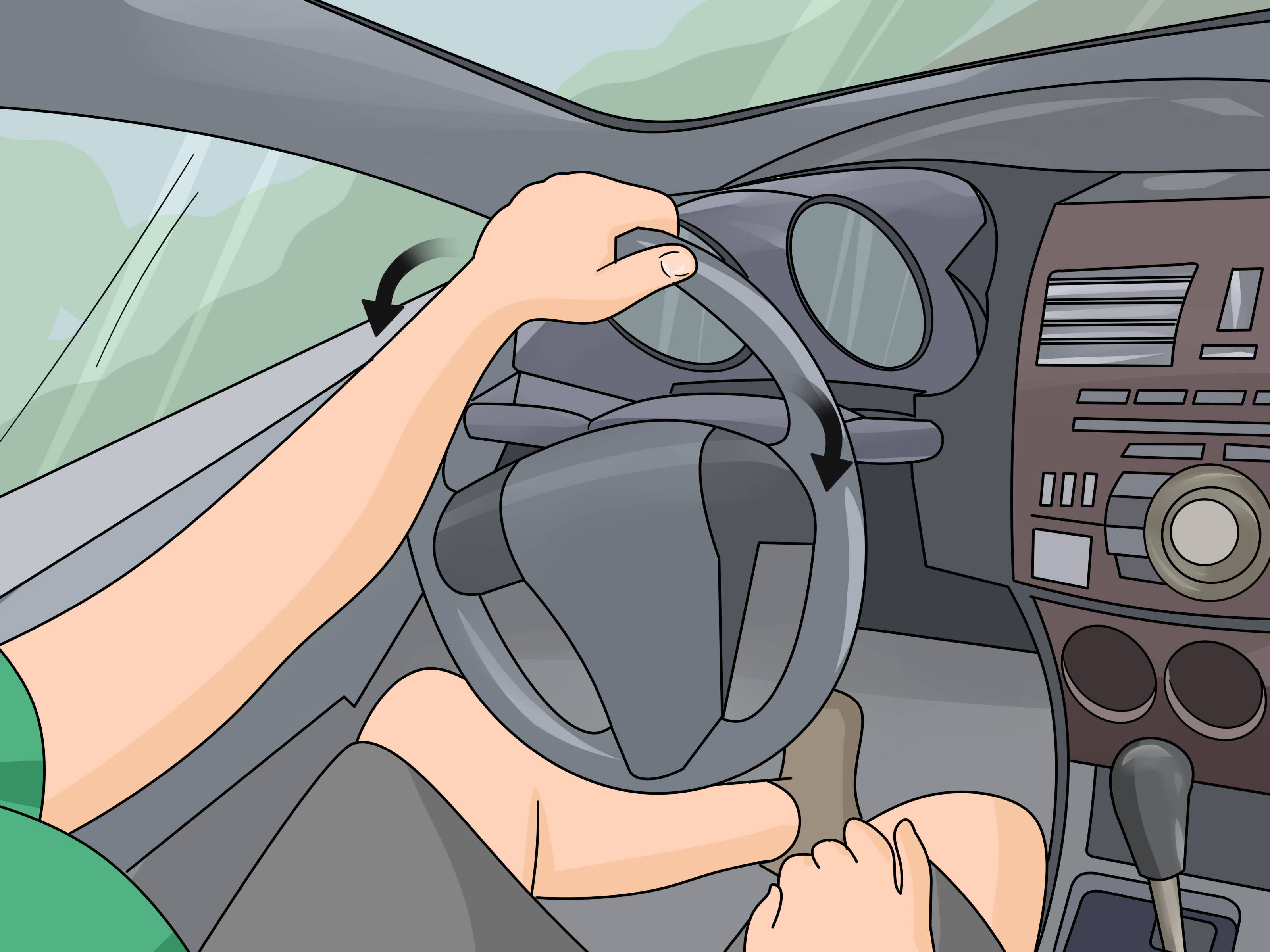
Daily care also includes safe routines. People with epilepsy should talk with their clinician about driving laws in their state, because restrictions vary. Water safety matters too. Swimming alone is a bad idea. Showers are often safer than baths for people with frequent seizures. Exercise is generally encouraged and can support physical and mental health, although activities with extra risk may need supervision or protective gear.
Mental health is another major part of epilepsy care. Anxiety, isolation, depression, embarrassment, and fear of the next seizure can wear people down. Some medication side effects can also affect mood. Good epilepsy treatment should include check-ins about emotional health, not just whether the seizure count on the calendar went from six to four.
Special Situations: Pregnancy, School, and Work
Pregnancy planning deserves early, thoughtful discussion. People with epilepsy who may become pregnant should review medications with their clinician before pregnancy whenever possible. Current guidance emphasizes balancing seizure control with fetal safety, avoiding certain higher-risk medications when appropriate, and using folic acid before and during pregnancy. The biggest mistake is making medication changes in a panic after a positive pregnancy test without medical guidance. Seizures during pregnancy can also create real risks, so this is a place for planning, not improvisation.
At school, students with epilepsy benefit from a clear seizure action plan, trained staff, rescue medication instructions when needed, and support for issues such as fatigue, memory trouble, stigma, and anxiety. At work, adults may need schedule adjustments, protected sleep, transportation planning after seizures, or education for trusted coworkers. Epilepsy care works better when the environment is prepared instead of confused and reactive.
What Great Epilepsy Care Looks Like Over Time
Excellent epilepsy care is not just “see you in six months, good luck with your neurons.” It is ongoing, organized, and collaborative. Patients often benefit from keeping a seizure diary that tracks dates, times, possible triggers, medication changes, missed doses, menstrual cycle patterns if relevant, sleep loss, illness, and recovery time. Patterns matter. Small details that seem random at home can become extremely useful in the clinic.
Great long-term care also includes regular medication review, bone health discussions for some patients, cognitive and mood screening when needed, and timely referral to an epilepsy center if seizures remain uncontrolled. When seizures continue, the right next step may not be “try harder.” It may be “get a deeper evaluation.”
Most of all, good care respects the patient’s goals. One person wants to drive again. Another wants to stay awake in college lectures. Another wants to have a baby safely. Another wants to stop fearing bedtime because most seizures happen at night. Those goals matter. Treatment should be built around real life, not around a bland textbook version of it.
Experiences People Commonly Have With Epilepsy Treatment and Care
One of the most common experiences in epilepsy care is the strange mismatch between how serious the condition feels and how invisible it can look when no seizure is happening. A person may appear completely fine at school, at work, or while standing in line for coffee, yet spend each day calculating sleep, stress, medication timing, transportation, and the nearest safe place to sit down if an aura starts. That hidden workload is exhausting. Many people say the hardest part is not only the seizure itself, but the constant mental preparation around it.
Another common experience is frustration during the medication adjustment phase. A patient may start a medicine that helps seizures but causes fatigue, slower thinking, dizziness, or mood changes. Then the dose changes. Then another medication is added. Then suddenly the conversation is no longer just about seizure control, but about whether the patient still feels like themselves. This period can be discouraging, especially for students trying to focus in class, parents caring for children, or adults trying to keep up at work. Still, many people eventually reach a better balance after careful trial and follow-up. The process can be slow, but slow does not mean hopeless.
Families and caregivers often describe their own learning curve. At first, a seizure can be terrifying to witness. The natural human instinct is to do everything at once, which is exactly why seizure first aid training matters. Over time, many caregivers become calmer, more confident, and more skilled at timing seizures, giving rescue medications correctly, and recognizing when emergency care is truly needed. That confidence does not remove the fear entirely, but it replaces helplessness with action, and that change is huge.
People with epilepsy also often talk about the emotional relief that comes from finally being understood by the right specialist. Some spend years being told to “just manage stress” or “be more careful,” only to reach a comprehensive epilepsy center and discover that additional testing, surgery, neurostimulation, or a better-targeted medication offers a real path forward. For those patients, the biggest emotional shift is not only fewer seizures. It is finally feeling that there is a plan.
There are also everyday victories that never make headlines but matter enormously: remembering every dose for a month, returning to exercise with supervision, sleeping through the night without fear, getting a driver’s license back after a seizure-free period, sitting through a school day without brain fog, or trusting a babysitter, teacher, or partner with the seizure action plan. These moments may look small from the outside, but for many people they feel like getting pieces of normal life back one careful step at a time.
Perhaps the most important shared experience is this: good epilepsy care often improves not just seizure counts, but confidence. When people understand their triggers, trust their treatment plan, know when to use rescue medication, and feel supported by family, school, work, or a medical team, epilepsy becomes less like a constant ambush and more like a condition that can be managed with skill, preparation, and persistence.
Conclusion
Epilepsy treatment and care is about far more than taking a pill and hoping for the best. It includes accurate diagnosis, personalized medication choices, rescue planning, first aid training, lifestyle support, mental health care, and timely access to advanced options such as surgery, neurostimulation, or dietary therapy when needed. The smartest epilepsy care plan is practical, flexible, and built around the person’s real life.
That is the hopeful truth worth remembering: epilepsy can be serious, unpredictable, and sometimes stubborn, but it is also treatable. With the right team, the right plan, and the right support system, many people can reduce seizures, improve safety, and regain control over daily life. And that is not a small win. That is the whole point.