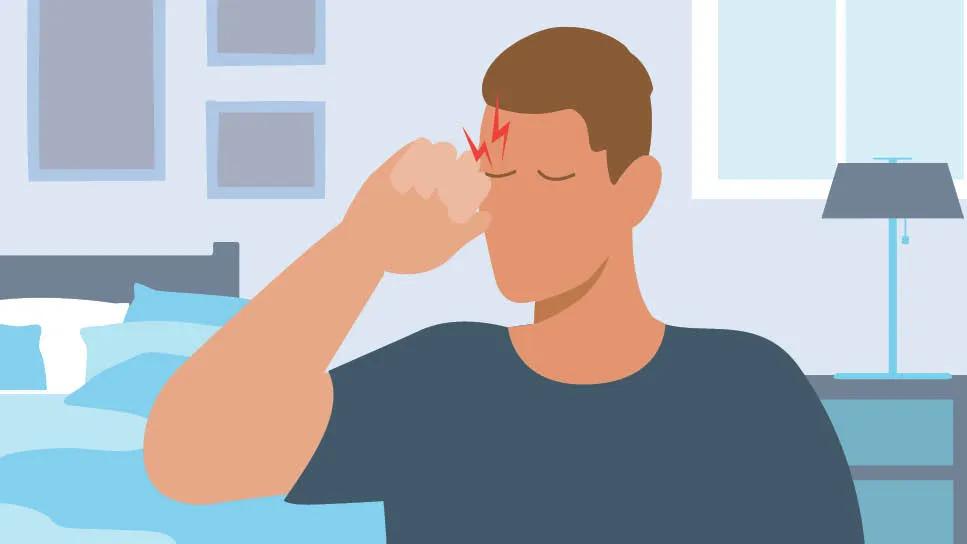
Recovering from COVID-19 does not always end when the fever disappears or the s behind an unwelcome mental haze: forgotten appointments, missing words, slow thinking, and the strange experience of walking into a room with absolutely no idea why you went there.
This cluster of cognitive difficulties is commonly called COVID-19 brain fog. It is not a formal medical diagnosis or a sign that someone has suddenly become less intelligent. Rather, it describes problems involving attention, memory, information processing, language, and executive function that may occur during or after a SARS-CoV-2 infection. Brain fog is also a recognized neurological symptom of Long COVID, sometimes called post-COVID conditions or post-acute sequelae of SARS-CoV-2 infection. he encouraging news is that many people improve with time, practical accommodations, rehabilitation, and treatment of contributing problems. The less convenient news is that recovery rarely follows a tidy calendar. The brain, apparently, did not receive the memo about deadlines.
What Is COVID-19 Brain Fog?
COVID-19 brain fog is an informal term for cognitive symptoms that begin during an infection or persist after the acute illness has passed. Some people describe feeling mentally slow. Others can think clearly in the morning but struggle after physical activity, a long meeting, poor sleep, or an especially demanding day.
The symptoms may be mild and irritating, or significant enough to interfere with work, school, driving, household responsibilities, and conversations. Research has identified difficulties in several cognitive areas, including attention, memory, language, processing speed, problem-solving, and executive functionthe mental skills used to plan, organize, prioritize, and switch between tasks. >Is Brain Fog the Same as Dementia?
Not necessarily. Brain fog is a symptom description, while dementia is a medical syndrome involving persistent cognitive decline that affects independent functioning. Long COVID brain fog can feel frightening, but forgetting why you opened the refrigerator is not, by itself, proof of dementia.
Doctors may still evaluate persistent or worsening symptoms carefully, particularly in older adults or anyone experiencing major personality changes, disorientation, loss of independence, or progressive memory decline. Delirium, depression, medication side effects, sleep disorders, thyroid disease, vitamin deficiencies, and neurological conditions can produce overlapping symptoms and may require different treatment. ion>
Common COVID-19 Brain Fog Symptoms
Brain fog does not look identical in everyone. It can affect one mental skill or arrive as a package deal with fatigue, headaches, dizziness, sleep problems, anxiety, or post-exertional symptom worsening.
Difficulty Concentrating
A person may reread the same paragraph several times, lose track of a conversation, or struggle to focus when several things are happening at once. Background music, office chatter, and multiple browser tabs may suddenly feel like a marching band performing inside the skull.
Short-Term Memory Problems
Common complaints include forgetting recent instructions, appointments, names, passwords, or the reason for entering a room. Someone may remember childhood vacations perfectly yet fail to recall what a coworker said five minutes earlier.
Word-Finding Difficulty
The correct word may feel close but remain frustratingly unavailable. People sometimes substitute a general phrase such as “the kitchen cutting thing” when the missing word is “knife.” This tip-of-the-tongue problem is frequently reported by patients seeking care for post-COVID cognitive symptoms. >Slower Information Processing
Reading, calculating, making decisions, or following detailed instructions may take longer than before. A familiar task can feel as though the brain is operating with twenty applications open and a software update running in the background.
Problems With Planning and Multitasking
Executive-function difficulties can make it harder to organize a schedule, prepare a meal with several components, manage finances, or shift smoothly from one task to another. Multitasking may become particularly exhausting.
Mental Fatigue
Cognitive effort itself can be tiring. A video call, grocery trip, complicated form, or emotionally intense conversation may leave someone mentally drained. Symptoms can fluctuate, and they may worsen after physical or mental exertion in people who also experience post-exertional malaise. ion>
What Causes Brain Fog After COVID-19?
Researchers have not identified one universal cause. COVID-19 brain fog probably develops through several overlapping mechanisms, and the dominant mechanism may differ from person to person.
Immune Activation and Neuroinflammation
An infection activates the immune system to fight the virus. In some people, immune signaling may remain disrupted after the acute infection has ended. Persistent inflammatory activity may affect brain networks involved in attention, memory, motivation, and processing speed.
Researchers are studying inflammatory proteins, immune-cell behavior, blood-brain barrier changes, and effects on the brain’s supporting cells. These mechanisms remain under investigation, so it would be premature to blame a single cytokine, cell type, or pathway for every case. >Changes in Blood Flow and Blood Vessels
COVID-19 can affect blood vessels and circulation. Scientists are examining whether altered blood flow, endothelial dysfunction, microscopic clotting, or inflammation around the brain’s vascular barriers contributes to cognitive symptoms.
Autonomic nervous system dysfunction may also reduce the body’s ability to regulate heart rate and blood pressure properly. In conditions such as postural orthostatic tachycardia syndrome, or POTS, standing can trigger dizziness, rapid heartbeat, fatigue, and difficulty thinking. >Sleep Disruption
Poor sleep can impair attention, memory, mood, and reaction time even without COVID-19. After an infection, insomnia, altered sleep schedules, breathing problems, pain, anxiety, or sleep apnea may intensify cognitive symptoms. Treating sleep disorders can therefore be an important part of the recovery plan.
Fatigue and Post-Exertional Malaise
Severe fatigue leaves fewer mental resources available for demanding tasks. Some people also experience delayed symptom worsening after exertion. They may feel reasonably functional during an activity but develop heavier fatigue, headache, brain fog, or body pain later that day or the next day.
In this situation, repeatedly pushing through symptoms may create a cycle of overactivity and crashes. A carefully paced schedule is often more useful than trying to defeat fatigue through sheer enthusiasm and industrial-strength coffee.
Mood, Stress, and the Cognitive Load of Illness
Anxiety, depression, grief, financial strain, isolation, and the stress of unexplained symptoms can worsen concentration and memory. This does not mean brain fog is imaginary or “just anxiety.” Physical illness and emotional stress can interact, each making the other harder to manage. Research has found that major life stressors are associated with worse Long COVID outcomes, including fatigue, sleep problems, depression, and cognitive complaints. >Effects of Severe Illness
People hospitalized with severe COVID-19 may experience low oxygen levels, organ dysfunction, inflammation, blood clots, medications with cognitive side effects, prolonged bed rest, or intensive care unit delirium. These factors can contribute to prolonged cognitive difficulties after discharge.
However, brain fog is not limited to people who were hospitalized. It can also occur after mild or initially uncomplicated infections. ion>
How Doctors Evaluate COVID-19 Brain Fog
There is no single blood test, scan, or quiz that confirms COVID-19 brain fog. Diagnosis usually begins with the person’s medical history, symptom timeline, examination, and an assessment of how the symptoms affect daily life.
Questions a Clinician May Ask
- When did the cognitive symptoms begin?
- Did they start during COVID-19 or several weeks afterward?
- Are the symptoms constant, or do they fluctuate?
- What makes them better or worse?
- Are fatigue, headaches, dizziness, palpitations, sleep problems, depression, or anxiety also present?
- Which work, school, or household tasks have become difficult?
Tests That May Be Considered
A clinician may use a brief cognitive screening test or refer the patient for neuropsychological testing. Blood tests may be ordered to look for anemia, thyroid problems, vitamin B12 deficiency, metabolic abnormalities, inflammation, or other treatable conditions.
Depending on the symptoms, evaluation may also include sleep testing, heart-rate and blood-pressure measurements while changing position, medication review, mental health screening, neurological examination, or brain imaging. Normal test results do not automatically mean the symptoms are insignificant. Some people have substantial real-world difficulties even when a short office screening test appears normal.
COVID-19 Brain Fog Treatment
There is currently no single proven cure or universally approved medication specifically for Long COVID brain fog. Treatment is individualized and usually focuses on relieving contributing symptoms, improving daily function, and supporting gradual recovery. CDC clinical guidance recommends tailoring care to the patient’s specific symptoms and validating the effect those symptoms have on quality of life. >1. Treat Contributing Medical Problems
Managing sleep apnea, insomnia, anemia, thyroid disease, migraine, depression, anxiety, POTS, pain, or medication side effects may improve cognitive function. Treatment works best when clinicians look at the whole symptom pattern instead of treating the brain as though it lives in a separate apartment from the rest of the body.
2. Use Pacing to Avoid the Boom-and-Bust Cycle
Pacing means balancing activity and rest so that necessary tasks can be completed without repeatedly triggering major symptom crashes. A person might divide a demanding project into shorter sessions, alternate mental and physical tasks, or schedule recovery time after appointments.
Activity should be adjusted to the individual. People whose symptoms worsen after exertion should not assume that an aggressive exercise program is automatically appropriate. A clinician or rehabilitation professional familiar with Long COVID can help establish safer limits.
3. Simplify Cognitive Demands
Practical supports reduce the amount of information the brain must hold at once. Useful strategies include:
- Using one calendar for all appointments and deadlines
- Setting phone alarms and medication reminders
- Writing short, prioritized task lists
- Working on one task at a time
- Reducing background noise and digital notifications
- Taking scheduled breaks before exhaustion arrives
- Keeping important items in consistent locations
- Requesting written instructions after meetings or medical visits
These tools are not “cheating.” Eyeglasses help vision; calendars help working memory. The brain does not award bonus points for unnecessary suffering.
4. Consider Cognitive Rehabilitation
Speech-language pathologists, occupational therapists, neuropsychologists, and rehabilitation specialists can teach techniques for attention, memory, planning, and energy conservation. Therapy may include goal management, structured routines, compensatory tools, and practice with real-life tasks.
Early studies of structured cognitive rehabilitation have reported improvements in daily cognitive performance, but larger controlled trials are still needed. NIH’s RECOVER-NEURO research program has evaluated accessible approaches such as online cognitive training, goal-management training, and home-based transcranial direct current stimulation. These interventions remain areas of active study rather than guaranteed cures. >5. Protect Sleep
A consistent sleep and wake schedule, a dark bedroom, reduced late-night screen use, and treatment of pain or breathing problems may support clearer thinking. People who snore loudly, stop breathing during sleep, wake with headaches, or remain extremely sleepy during the day should ask about sleep apnea evaluation.
6. Support General Health Without Chasing Miracle Cures
Regular meals, adequate fluids, and a balanced diet support recovery. Gentle movement may benefit some people, provided it does not trigger post-exertional worsening. Alcohol, sedating substances, and excessive caffeine can disrupt sleep or worsen symptoms in some individuals.
Supplements and prescription drug combinations are sometimes promoted online as definitive brain fog treatments. Evidence is still limited. Even seemingly harmless supplements can interact with medications or create side effects, so patients should discuss them with a qualified clinician instead of conducting a chemistry experiment in the kitchen.
7. Request Workplace or School Accommodations
Temporary accommodations may include flexible hours, remote work, reduced course loads, extended deadlines, written instructions, quieter workspaces, additional breaks, or a gradual return schedule. The goal is not to avoid all activity forever; it is to preserve function while the nervous system recovers.
How Long Does COVID Brain Fog Last?
The duration varies widely. Some people notice steady improvement over weeks or months. Others experience symptoms that fluctuate or continue for years. Long-term studies suggest that several cognitive domains may improve over time, although processing speed and executive function can remain below expected levels in some patients.
Recovery is not always linear. A person may have three productive days followed by a difficult week after an infection, stressful event, demanding trip, or excessive activity. Tracking symptoms and triggers can help identify patterns and guide realistic planning. ion>
When to Seek Medical Help
Make an appointment if cognitive symptoms persist, interfere with everyday responsibilities, worsen over time, or occur with significant fatigue, dizziness, palpitations, headaches, mood changes, or sleep problems.
Seek emergency care for sudden confusion, one-sided weakness, facial drooping, difficulty speaking, fainting, a seizure, a severe new headache, chest pain, or major breathing difficulty. These symptoms should not be casually labeled “brain fog” because they may indicate a stroke, blood clot, heart problem, or another urgent condition.
Experiences of Living With COVID-19 Brain Fog
The following examples are composite scenarios based on commonly reported experiences. They are not individual medical case histories.
The Professional Who Could No Longer Multitask
Before getting COVID-19, Maya managed a busy office, answered messages during meetings, and kept multiple deadlines in her head. Six weeks after a mild infection, she returned to work expecting a normal schedule. By noon on the first day, she had reread the same email four times and still could not decide how to answer it.
Her first reaction was panic. She worried that she had permanently lost her professional abilities. Instead of asking for help, she worked longer hours to compensate. That strategy produced predictable results: more mistakes, less sleep, and brain fog thick enough to qualify as weather.
After speaking with her doctor and employer, Maya shifted to shorter work blocks, disabled nonessential notifications, requested written action items after meetings, and stopped scheduling complex tasks late in the afternoon. She did not recover overnight, but her work became more manageable. The greatest improvement came not from forcing her brain to behave exactly as it had before, but from creating a system that matched its current capacity.
The Parent Who Forgot Everyday Words
Daniel’s most upsetting symptom was word-finding difficulty. During dinner, he could picture the object he wanted but could not name it. He once asked his daughter to pass “the tiny food shovel” when he meant a spoon. The family laughed, but Daniel later admitted that the experience frightened him.
A neurological evaluation did not reveal signs of a progressive disorder. His clinician explained that fatigue, poor sleep, and post-COVID cognitive dysfunction could all contribute. Daniel began using pauses instead of rushing to fill every silence. He also improved his sleep schedule and divided household jobs into smaller steps.
Over several months, the missing words appeared less often. He still occasionally invented accidental kitchen vocabulary, but the episodes no longer triggered immediate fear.
The Student Whose Grades Suddenly Dropped
After COVID-19, college student Tessa could attend a lecture but remember almost none of it later. Studying for three hours produced less learning than forty focused minutes had before her illness. She initially assumed she had become lazy, a conclusion that was both inaccurate and spectacularly unhelpful.
With support from her medical team and school, she received recorded lectures, extended testing time, and permission to take exams in a quieter room. She studied in twenty-minute blocks, summarized material aloud, and reviewed notes the same day instead of waiting until the weekend.
Her progress was gradual. Some days remained difficult, particularly after poor sleep or heavy physical activity. However, accommodations allowed her to demonstrate what she knew without requiring her recovering brain to perform under its worst possible conditions.
The Cycle of Doing Too Much on a Good Day
Marcus experienced alternating good and bad days. Whenever he felt better, he attempted to catch up on everything at once: cleaning the house, exercising, shopping, answering email, and meeting friends. The following day, his fatigue and brain fog surged.
A rehabilitation therapist helped him recognize the pattern. He began stopping activities while he still felt capable, rather than waiting until he was completely depleted. This felt unnatural at first. On good days, resting seemed almost ridiculous. Yet the new approach reduced the severity of his crashes and created more consistent weeks.
These experiences illustrate an important reality: successful recovery strategies often look ordinary. A notebook, an alarm, a quiet room, a shorter meeting, or a well-timed break will not attract dramatic headlines. Nevertheless, ordinary tools can return a surprising amount of control to daily life.
Conclusion
COVID-19 brain fog can affect memory, attention, language, processing speed, and executive function. It may appear after mild or severe illness and often overlaps with fatigue, sleep disturbance, autonomic dysfunction, headaches, anxiety, depression, or post-exertional malaise.
Scientists continue to investigate possible causes, including immune dysregulation, neuroinflammation, vascular changes, disrupted brain barriers, autonomic nervous system problems, and the indirect effects of poor sleep and prolonged illness. Because no single mechanism explains every case, treatment should be personalized.
Medical evaluation can identify treatable contributors and rule out other conditions. Pacing, cognitive rehabilitation, sleep care, practical memory tools, and workplace or school accommodations may help people function while recovery continues. Most importantly, persistent cognitive symptoms deserve to be taken seriouslyeven when the person looks healthy, passes a brief screening test, or cannot explain why their brain suddenly treats a grocery list like advanced calculus.