
When diarrhea shows up, your digestive system has essentially put up a tiny “closed for maintenance” sign. Suddenly, the foods you normally love may seem suspicious, coffee becomes a questionable life choice, and being more than 30 feet from a bathroom feels like extreme sports.
The good news is that most cases of acute diarrhea improve within a few days. What you eat and drink during that time can help you stay hydrated, maintain energy, and avoid irritating an already unhappy digestive tract. You usually do not need to starve yourself or survive on toast indefinitely. In fact, medical guidance generally supports returning to a normal, nutritious diet as soon as your appetite allows.
The key is choosing foods that are easy to tolerate while temporarily limiting items that may increase intestinal water, stimulate bowel movements, or create extra gas and cramping. Here is how to build a diarrhea-friendly menu without making dinner feel like punishment.
Hydration Comes Before the Food
If you remember only one rule about what to eat when you have diarrhea, make it this: fluids matter more than fancy meal planning.
Diarrhea causes the body to lose water and electrolytes, including sodium and potassium. Significant losses can lead to dehydration, particularly in infants, older adults, people with weakened immune systems, and anyone experiencing frequent watery stools or vomiting.
For mild diarrhea, drinking water regularly while also consuming foods or liquids containing electrolytes may be enough. Broth, soup, and other tolerated fluids can help replace both water and sodium.
If diarrhea is severe or dehydration is developing, an oral rehydration solution, commonly called ORS, is a better choice. These solutions contain carefully balanced amounts of glucose and electrolytes that help the intestine absorb water effectively. Sports drinks contain fluid and electrolytes, but they are generally higher in sugar and lower in sodium than medical oral rehydration solutions and should not be considered an equivalent treatment for significant dehydration.
Drink Small Amounts Frequently
If nausea or vomiting accompanies diarrhea, drinking a giant glass of water in one heroic gulp may backfire. Small, frequent sips are often easier to tolerate.
Good options may include:
- Water
- Oral rehydration solution
- Clear broth or soup
- Decaffeinated tea
- Ice chips or popsicles
- Diluted beverages if regular drinks seem overly sweet
Dark urine, unusually infrequent urination, intense thirst, dry mouth, dizziness, and unusual weakness may signal dehydration.
What to Eat When You Have Diarrhea
Your intestines do not necessarily require a complete vacation from food. Once you feel hungry, eating can help provide calories and nutrients needed for recovery.
Most experts no longer recommend fasting during ordinary acute diarrhea. You can generally resume your normal diet as tolerated, while temporarily emphasizing foods that are relatively bland, lower in fat, and easier to digest.
1. White Rice
Plain white rice is practically the unofficial spokesperson for upset stomachs. It is low in fiber, mild in flavor, and easy to combine with other foods.
Skip the fried rice loaded with oil, chili sauce, sausage, and enough garlic to frighten a vampire. Plain is the goal for now.
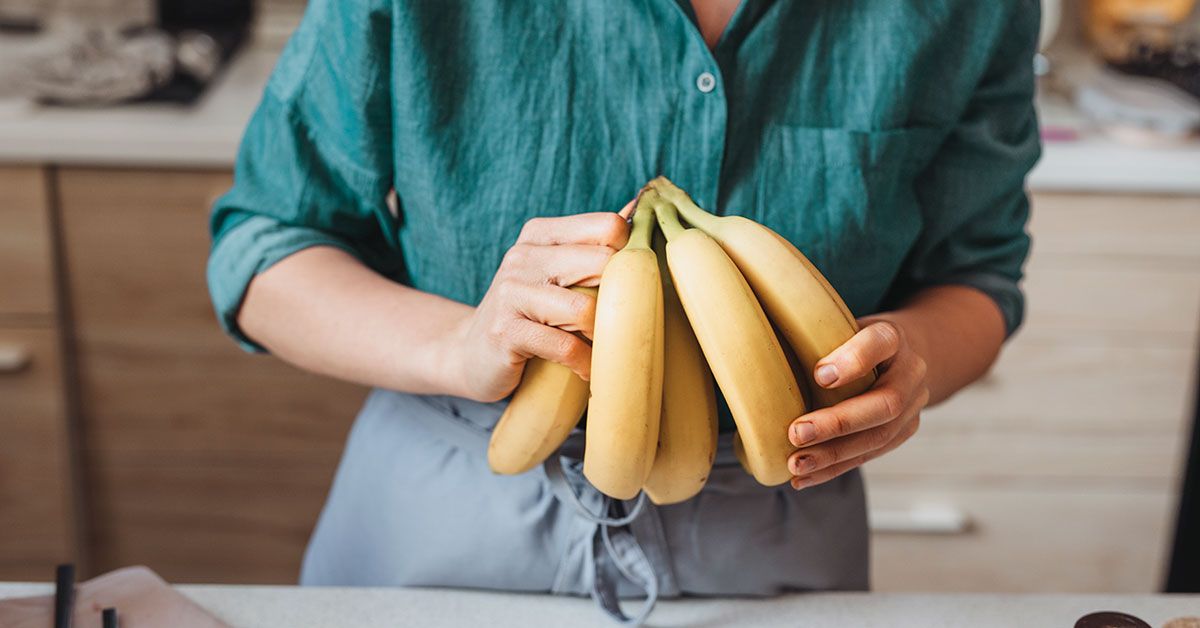
2. Bananas
Bananas are soft, easy to eat, and provide potassium, an electrolyte that can be lost during repeated episodes of diarrhea.
A ripe banana can work well as a snack or alongside toast, oatmeal, or rice. It is also considerably more exciting than staring sadly at a sleeve of crackers.
3. Potatoes Without the Skin
Boiled, baked, or mashed potatoes can provide carbohydrates and potassium. Removing the skin temporarily reduces insoluble fiber, which may be harder to tolerate while diarrhea is active.
Keep preparation simple. A plain baked potato is usually a safer experiment than loaded fries covered in cheese, bacon, sour cream, and regret.
4. Toast, Crackers, and Refined Grains
White toast, saltine-style crackers, plain pasta, cream of wheat, and other lower-fiber grains can provide energy without adding large amounts of roughage.
Salted crackers may also contribute some sodium, although they are not a replacement for proper rehydration when fluid losses are significant.
5. Applesauce and Cooked Fruit
Applesauce is commonly included in short-term bland diets because it is soft and easier to tolerate than a large raw apple with the peel.
Cooked or canned fruit in modest portions can also be easier on the digestive tract than large servings of raw fruit. Avoid varieties packed in heavy syrup, as large amounts of sugar may worsen diarrhea in some people.
6. Oatmeal and Soluble-Fiber Foods
Not every type of fiber behaves the same way. Insoluble fiber adds bulk and can speed movement through the digestive system, while soluble fiber absorbs water and forms a gel-like substance.
Foods such as oatmeal, bananas, applesauce, and peeled potatoes contain soluble fiber and may be better tolerated than bran cereal, raw vegetables, nuts, or large salads. Stanford Health Care includes soluble-fiber foods among its nutritional strategies for helping thicken loose stools.
7. Eggs
Plain scrambled, poached, or boiled eggs provide protein without requiring a huge meal.
Cooking method matters. Two boiled eggs and toast are very different from eggs fried in butter alongside sausage, hash browns, hot sauce, and a triple espresso.
8. Lean Chicken, Turkey, and Fish
Once your appetite improves, lean protein can help make your meals more nutritionally complete.
Try baked, boiled, grilled, or poached chicken, turkey, or fish. Remove poultry skin and avoid heavy sauces, frying, or aggressive seasoning while symptoms are active.
9. Small, Frequent Meals
Your stomach may tolerate six small meals better than three enormous ones. Memorial Sloan Kettering and UCSF both recommend smaller, more frequent meals as a practical way to maintain nutrition while reducing digestive strain.
A simple meal might be white rice with baked chicken and cooked carrots. Another could be toast, banana, and a plain egg. The menu does not need to win a culinary award. It only needs to cooperate with your intestines.
Is the BRAT Diet Still Recommended?
The BRAT diet stands for bananas, rice, applesauce, and toast. These foods can certainly be useful during a short episode of diarrhea because they are generally bland and easy to digest.
However, BRAT should not become your entire nutritional universe for several days. It is too restrictive to provide adequate protein, fat, and many essential nutrients.
Modern guidance generally favors early refeeding and returning to an age-appropriate normal diet as tolerated instead of relying exclusively on a highly restricted menu. In other words, BRAT foods can be part of the recovery plan, but they do not need to be the whole plan.
What Foods Should You Avoid With Diarrhea?
While no universal food blacklist works for everyone, several categories regularly cause trouble during acute diarrhea.
1. Fried and High-Fat Foods
Fried chicken, French fries, pizza, rich gravies, bacon, creamy sauces, and other high-fat foods may be harder to digest and can aggravate diarrhea.
This is not the moment for an all-you-can-eat buffet. Your digestive system already has enough paperwork.
2. Spicy Foods
Hot peppers, heavily seasoned dishes, spicy sauces, and similar foods can increase gastrointestinal discomfort in some people.
If your intestines are already irritated, adding ghost-pepper sauce is less “bold culinary adventure” and more “unnecessary sequel.”
3. Alcohol
Alcohol can irritate the digestive tract and contribute to dehydration. Avoid beer, wine, liquor, and cocktails until your bowel movements and hydration have returned to normal.
4. Caffeine
Coffee, energy drinks, strongly caffeinated tea, and caffeinated sodas may stimulate intestinal activity and worsen symptoms in some people.
If you normally drink three coffees before anyone is allowed to speak to you, temporarily switching to a caffeine-free beverage may test your personalitybut your digestive tract may appreciate it.
5. Very Sugary Foods and Drinks
Large amounts of simple sugars can draw additional water into the intestine and may worsen watery stools.
Common offenders include:
- Regular soda
- Sweetened fruit drinks
- Candy
- Sweet desserts
- Energy drinks
- Fruit packed in heavy syrup
Both NIDDK and Memorial Sloan Kettering advise limiting foods and beverages containing large amounts of simple sugars during diarrhea.
6. Sugar Alcohols
Sorbitol, mannitol, xylitol, erythritol, and similar sugar substitutes can have a laxative effect because they may be incompletely absorbed.
They are commonly found in sugar-free gum, candies, protein products, and reduced-sugar foods. Check ingredient labels if mysterious digestive fireworks continue even though your meals seem sensible.
7. Large Amounts of Dairy
Some people temporarily have difficulty digesting lactose after acute diarrhea because intestinal infections can reduce lactase activity.
Milk, ice cream, cream, and certain soft dairy products may therefore cause additional gas, bloating, or diarrhea. NIDDK notes that temporary lactose-digestion problems can persist for a month or longer in some people following acute diarrhea.
That does not mean everyone must eliminate every dairy product. Low-lactose or lactose-free products may be tolerated, and some people tolerate yogurt containing live cultures. Pay attention to your individual response.
8. High-Insoluble-Fiber Foods
Normally, fiber is an essential part of a healthy diet. During active diarrhea, however, very large amounts of insoluble fiber may accelerate intestinal movement.
You may temporarily want to limit:
- Bran cereals
- Whole-grain breads with seeds
- Popcorn
- Nuts and seeds
- Raw vegetables
- Fruit peels
- Beans and lentils if they increase gas
As symptoms resolve, gradually return fiber-rich foods to your normal diet rather than avoiding them indefinitely.
What About Probiotics?
Probiotics are often marketed as the cavalry charging in to rescue your gut microbiome. The reality is more complicated.
Some probiotic strains may help in certain types of diarrhea, but benefits vary depending on the organism, dose, cause of diarrhea, and individual patient. Mayo Clinic notes that probiotics may help restore intestinal bacteria, but the evidence regarding how reliably they shorten diarrhea remains uncertain.
If you have a weakened immune system or serious medical condition, discuss probiotic supplements with a healthcare professional rather than assuming every bottle labeled “gut health” is automatically appropriate.
A Simple One-Day Eating Plan for Diarrhea
Breakfast
Plain oatmeal with sliced banana, plus water or an appropriate rehydration drink.
Midmorning Snack
Applesauce and a few plain crackers.
Lunch
White rice, baked skinless chicken, and well-cooked carrots with clear broth.
Afternoon Snack
Toast with a small amount of smooth peanut butter if fat is well tolerated.
Dinner
Plain pasta or peeled baked potato with baked fish or turkey.
Throughout the Day
Drink fluids regularly rather than waiting until you are extremely thirsty. If nausea is present, use smaller sips more frequently.
Eating After Diarrhea Starts Improving
Do not stay trapped in “sick-food mode” for a week simply because your first meal was rice.
As bowel movements become less frequent and your appetite returns, gradually expand your diet. Add normal protein sources, cooked vegetables, fruits, healthy fats, and eventually your usual fiber-rich foods.
A regular diet provides the nutrients required for recovery, and unnecessary prolonged restriction can make it difficult to consume enough calories, protein, vitamins, and minerals.
Special Considerations for Children
Children are more vulnerable to dehydration than healthy adults. Infants should generally continue breastfeeding or formula, and children should return to their usual age-appropriate foods as tolerated rather than being placed on prolonged restrictive diets.
When a child has substantial diarrhea, an oral rehydration solution designed for children is generally preferable to sports drinks, soda, or juice for correcting fluid and electrolyte losses. Young children with signs of dehydration, inability to drink, persistent diarrhea, significant vomiting, or concerning symptoms need prompt medical advice.
When Diarrhea Needs Medical Attention
Food choices can help uncomplicated diarrhea, but dinner is not a substitute for medical care when warning signs appear.
Adults should contact a healthcare professional promptly for symptoms such as:
- Signs of dehydration
- Severe abdominal or rectal pain
- Frequent vomiting
- Black, tarry stool
- Blood or pus in the stool
- High fever
- Six or more loose bowel movements in a day
- Diarrhea lasting longer than about two days
Pregnant people, adults over 65, people currently taking antibiotics, and those with weakened immune systems may need earlier medical guidance.
Persistent or recurring diarrhea also deserves investigation because infections, medication effects, lactose intolerance, celiac disease, inflammatory bowel disease, irritable bowel syndrome, and other conditions can cause ongoing symptoms.
Practical Experiences: What Eating During Diarrhea Is Really Like
Nutrition advice looks wonderfully organized on paper: drink fluids, eat rice, avoid fried food, recover gracefully. Actual life is less cooperative. Based on common patterns described in clinical nutrition guidance, a few practical lessons can make the process considerably easier.
Experience 1: Hunger Can Return Before Digestion Feels Normal
One of the most common mistakes is interpreting returning hunger as a signal that the digestive system is ready for absolutely anything.
Imagine someone who has spent twelve hours eating little more than crackers. By dinner, the nausea disappears and hunger arrives like a marching band. A burger, fries, milkshake, and spicy wings suddenly sound perfectly reasonable.
Then the intestine files an immediate objection.
A more comfortable approach is to treat the first real meal as a test drive. Start with rice, potato, toast, pasta, egg, chicken, or another simple food in a modest serving. If that sits comfortably for a few hours, expand the next meal.
Experience 2: Drinking Too Quickly Can Feel Worse
People worried about dehydration sometimes try to compensate by drinking several glasses of fluid at once. When nausea accompanies diarrhea, that can cause bloating or trigger vomiting.
Keeping a bottle nearby and taking frequent small sips can be much easier. This is especially useful during stomach infections when both ends of the digestive system seem determined to participate in the crisis.
Experience 3: “Healthy” Foods Are Not Always Comfortable Foods
A giant kale salad, raw broccoli, chickpeas, chia seeds, and whole-grain bread may sound nutritionally impressive. During active diarrhea, however, that much fiber can be difficult to tolerate.
Temporarily eating white rice instead of brown rice or cooked carrots instead of raw vegetables does not mean you have abandoned healthy eating. It means you are adjusting food texture and fiber intake for a short-term digestive problem.
Once symptoms settle, nutritious high-fiber foods can return gradually.
Experience 4: Sugar-Free Products Can Be Sneaky
Someone may carefully avoid greasy food and dairy yet continue chewing sugar-free gum all afternoon. If that gum contains sorbitol or another sugar alcohol, it may contribute to loose stools.
The same problem can occur with sugar-free candies, protein bars, low-sugar desserts, and certain drink mixes. Reading the ingredient label can reveal a surprisingly obvious explanation for symptoms that seemed mysterious.
Experience 5: Dairy Tolerance Can Change Temporarily
A person who normally drinks milk without trouble may discover that cereal with milk suddenly causes gas and another urgent bathroom trip after gastroenteritis.
That does not necessarily mean permanent lactose intolerance has appeared overnight. Temporary lactose malabsorption can happen following intestinal illness. Trying lactose-free milk or simply reducing lactose for several days may be more comfortable while the intestinal lining recovers.
Experience 6: Keeping Notes Helps With Repeated Diarrhea
If diarrhea keeps returning, memory becomes surprisingly unreliable. Was it dairy? Coffee? The restaurant meal? A medication? The enormous sugar-free latte?
A simple food-and-symptom journal can reveal patterns. Record what you ate, when you ate it, medications or supplements taken, bowel symptoms, and approximate timing. NIDDK recommends this approach for people dealing with chronic diarrhea and food-related triggers.
The broader lesson is that recovery does not require a magical food. It requires hydration, sensible portions, a temporary reduction in common irritants, and gradual movement back toward your usual balanced diet.
Conclusion
When you have diarrhea, the best diet is usually less dramatic than internet folklore suggests. Focus first on replacing fluids and electrolytes. When hunger returns, choose easily tolerated foods such as rice, bananas, potatoes, toast, oatmeal, eggs, lean poultry, fish, applesauce, and well-cooked vegetables.
Temporarily limit foods most likely to worsen symptoms, including fried or fatty meals, excessive sugar, alcohol, caffeine, spicy foods, sugar alcohols, and large amounts of insoluble fiber. Dairy may also need to take a short vacation if lactose suddenly becomes difficult to digest.
Most importantly, do not unnecessarily fast or remain on an extremely restrictive diet after you begin feeling better. Gradually return to a balanced diet as your digestive system settles down. Your intestines may be annoyed, but they have not permanently resigned from their jobs.
Medical note: This article provides general educational information and is not a diagnosis or individualized treatment plan. Seek medical care for dehydration, bloody or black stools, severe pain, high fever, persistent vomiting, prolonged diarrhea, or other concerning symptoms.
Research note: This article synthesizes current guidance and patient-education material from the National Institute of Diabetes and Digestive and Kidney Diseases, MedlinePlus, CDC, Mayo Clinic, Cleveland Clinic, American Academy of Family Physicians, Memorial Sloan Kettering Cancer Center, Johns Hopkins Medicine, UCSF Health, Stanford Health Care, and Merck Manual.