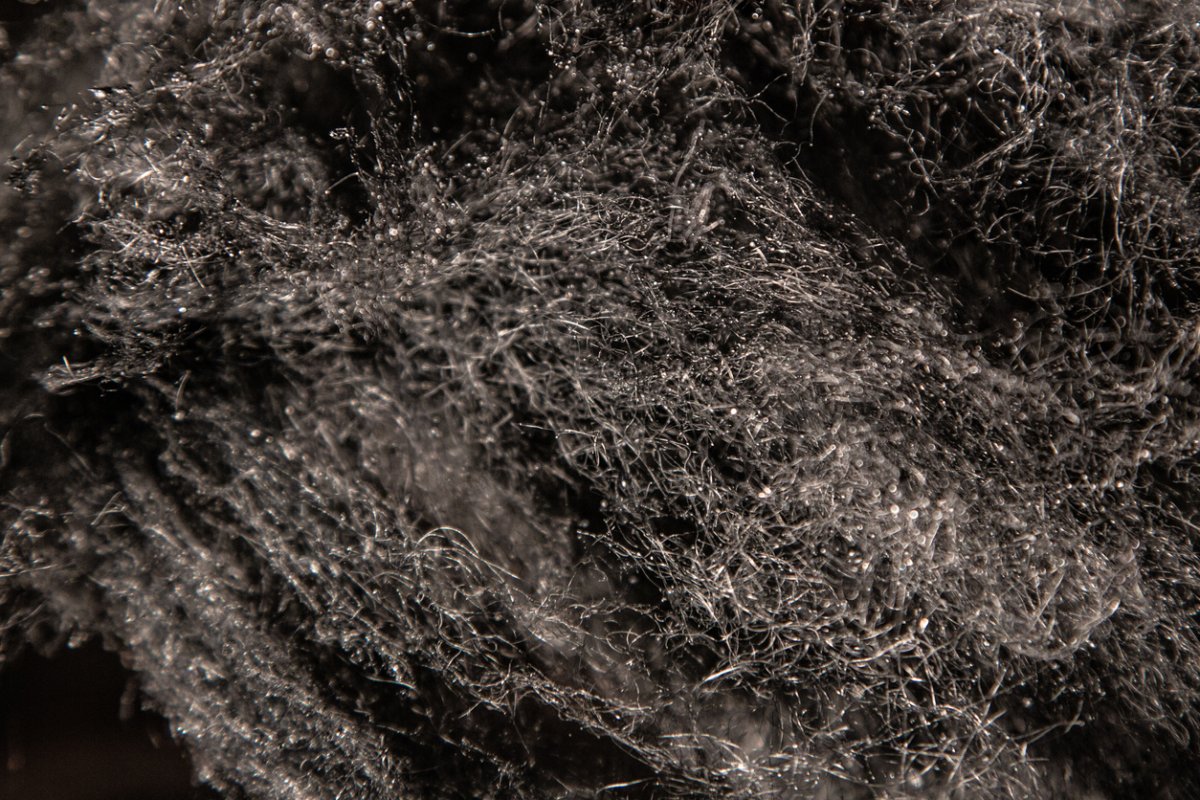

Steel wool may look like a tiny metallic tuing in the cleaning aisle. Made from extremely thin steel filaments, it can scrub, polish, smooth, strip, grip, filter, and even help create decorative wood finishes. One inexpensive package can tackle jobs in the kitchen, workshop, bathroom, garage, and garden shed.
The secret is choosing the correct grade. Steel wool is commonly sold in eight grades, ranging from super-fine #0000 to extra-coarse #4. Fine grades gently polish and buff, while coarse grades remove heavier rust, paint, and stubborn buildup. Treating every pad as interchangeable is how a five-minute cleaning job becomes a three-hour refinishing project.
Before trying any of these surprising steel wool uses, test the material on an inconspicuous area, wear work gloves, and begin with less pressure than you think you need. Steel wool is effective precisely because it is abrasive. It does not understand the difference between unwanted grime and a finish you hoped to keep.
How to Choose the Right Steel Wool Grade
For delicate household work, #0000 super-fine steel wool is usually the safest starting point. It is commonly used for buffing finished wood, polishing certain metals, and cleaning ordinary uncoated glass. Grades #000 and #00 provide slightly more cutting power for light rust, surface preparation, and tougher marks. Medium and coarse grades are better reserved for stripping finishes, cleaning rough metal, and other heavy-duty projects.
Always check the product label because recommendations can vary by manufacturer and surface. A synthetic abrasive pad may be preferable when rust, loose metal fibers, or water-based finishes are concerns. Some nonwoven pads are designed to provide performance similar to fine steel wool without splintering, shedding, or rusting. 7 Surprising Steel Wool Uses Around the Home
-
Remove Rust From Garden Tools
Shovels, pruning shears, hoes, and hand trowels eventually develop orange rust spots, especially when someone puts them away wet. That someone is usually “not me,” according to every household member.
Apply a small amount of penetrating oil or household oil to the affected area. Rub gently with fine or medium steel wool until the loose rust disappears. Wipe the tool clean, dry it thoroughly, and finish with a thin protective coating of oil. This simple maintenance routine can improve tool movement and slow future corrosion. >
-
Block Small Rodent Entry Points
Mice can squeeze through surprisingly small gaps around pipes, utility lines, cabinets, and baseboards. Coarse steel wool packed tightly into an opening creates an unpleasant barrier that rodents have difficulty chewing through.
For a more durable repair, use the wool as backing and cover it with an appropriate sealant. Standard steel wool can rust and deteriorate in damp areas, so stainless-steel exclusion material, copper mesh, bronze wool, hardware cloth, or another permanent pest-proofing product may be better for long-term exterior use. Never block required drainage or ventilation openings. >
-
Tighten a Loose Screw
When a screw spins uselessly in an enlarged hole, wrap a small amount of steel wool around the threads or pack a little into the opening. Reinsert the screw slowly so the fibers compress and provide extra grip.
This works best as a light-duty temporary repair for furniture, hardware, and nonstructural items. It is not a substitute for a proper wall anchor, wood plug, threaded insert, or structural fastener where significant weight or safety is involved. >
-
Polish Solid Brass
Extra-fine steel wool can remove tarnish from solid, uncoated brass hardware, candlesticks, and decorative objects. Add a suitable brass polish and rub lightly, following the shape of the object. Wipe away residue and buff with a soft cloth.
Do not assume every gold-colored object is solid brass. Thin brass plating can be scratched or rubbed away. Test an unseen spot first, use minimal pressure, and avoid steel wool entirely on lacquered or delicate antique finishes. >
-
Revive Dull Aluminum
Fine steel wool can brighten unfinished aluminum items that have become dull or lightly oxidized. Work gently, using even strokes, and finish with a clean cloth and an aluminum-safe polish.
Avoid using this technique on anodized, painted, coated, mirrored, or highly polished aluminum unless the manufacturer specifically approves it. Those surfaces may show permanent scratches or uneven dull patches. In other words, do not begin your experiment in the center of the refrigerator door. >
-
Smooth Wood Finishes Between Coats
Super-fine #0000 steel wool can knock down dust nibs and minor roughness on fully cured shellac, lacquer, varnish, and certain traditional wood finishes. Its flexible strands conform to carved edges and curved furniture parts more easily than rigid sandpaper.
Rub with the grain, use light pressure, and remove every loose fiber before applying another coat. For water-based finishes, use the manufacturer’s recommended abrasive instead. Stray steel fibers trapped under a water-based coating can rust and leave dark specks that resemble a tiny constellation of regret. >
-
Distress or De-Gloss Painted Furniture
Fine steel wool can soften a glossy painted surface or create natural-looking wear along corners, handles, edges, and raised details. Because the material bends around irregular shapes, it is especially useful on spindles and decorative trim.
Work gradually. A distressed finish should suggest decades of graceful use, not an argument with a belt sander. Wear respiratory protection appropriate for the coating, and never abrade old paint until you have considered the possibility of lead. >
-
Prepare Rusty Metal for Painting
Steel wool can remove loose rust, peeling paint, oxidation, and surface contaminants from metal hardware, patio accessories, and restoration projects. Coarser wool cuts faster, while finer grades help feather edges and create a more uniform surface.
After scrubbing, remove dust, degrease the metal, let it dry, and apply a compatible rust-inhibiting primer. Painting directly over loose rust is less a repair strategy and more a decorative postponement. >
-
Clean Ordinary Uncoated Window Glass
Super-fine #0000 or fine #000 steel wool can remove stubborn mineral deposits, overspray, adhesive residue, and stuck-on grime from some ordinary window glass. Keep the glass and pad clean, use gentle pressure, and vacuum or wipe away loosened particles.
This technique is not suitable for every type of glass. Do not use steel wool on frosted, etched, tinted, coated, mirrored, textured, or specialty glass unless the manufacturer confirms it is safe. Dirt or rust trapped in the pad can also cause scratching, so use a fresh piece and test first. >
-
Tackle Hard-Water Film on Shower Doors
When soap scum and mineral buildup survive ordinary bathroom cleaners, clean #0000 steel wool may help on plain, uncoated shower glass. Wet the surface, rub gently, rinse thoroughly, and inspect your progress frequently.
Never scrub dry glass, and stop immediately if you notice scratching. Coated shower doors, frosted panels, decorative glass, and plastic enclosures require gentler methods. When uncertain, use diluted vinegar or a cleaner specifically approved by the door manufacturer. >
-
Clean Grill Grates
Steel wool can cut through carbonized food and greasy buildup on compatible uncoated grill grates. Remove the grates, soak them in hot soapy water, and scrub with a fine or medium pad. Rinse repeatedly so no fibers remain, dry completely, and season the grates if required.
Check the grill manufacturer’s instructions first. Porcelain-coated, chrome-plated, and other finished grates can be damaged by aggressive abrasives. Do not leave loose steel strands where they could stick to food. >
-
Scrub Oven Racks and Compatible Cookware
After soaking removable oven racks in hot, soapy water, fine-grade steel wool can loosen baked-on grease and food. It can also help rescue some uncoated cast-iron, enamel, and metal cookware when a regular sponge has officially resigned.
Never use steel wool on nonstick coatings. Use caution with polished stainless steel, porcelain, enamel, and plated surfaces because scratching or dulling may occur. Appliance manufacturers frequently advise against steel wool on stainless-steel exteriors because the pad may scratch the finish and leave particles that later rust. >
-
Erase Scuffs From Vinyl or Linoleum Floors
A damp piece of fine steel wool can remove stubborn black heel marks from some vinyl and linoleum floors. Rub lightly over the mark, wipe the area with a clean damp cloth, and dry it immediately.
Always test in a hidden corner first. Modern flooring may include protective wear layers, printed patterns, or glossy coatings that abrasives can permanently dull. If light pressure does not work, switch to a flooring-safe cleaner rather than upgrading to a coarser pad. >
-
Remove Scuffs From Rubber Sneaker Soles
Fine steel wool can freshen the white rubber midsoles of sneakers. Add a drop of mild soap and a little water, then scrub only the hard rubber area. Wipe away residue and rinse carefully.
Keep the pad away from leather, suede, mesh, decorative printing, and delicate fabric. Steel wool has many talents, but understanding limited-edition footwear is not among them. >
-
Catch Pet Hair During Bath Time
Place a loose strip of steel wool over a bathtub drain before washing a shedding dog. Water can pass through the fibers while hair and outdoor debris collect on top. Remove the wool immediately after the bath and dispose of it.
Do not force steel wool down the drain, and do not leave it sitting in a wet tub where it can rust and stain the surface. A reusable drain screen is the better everyday solution, but steel wool can serve as a handy temporary backup. >
-
Create an Aged Wood Stain With Vinegar
Place oil-free steel wool in a glass jar, cover it with white vinegar, and loosely cover the container so gases can escape. Over approximately one or two days, the reaction produces an iron-rich solution often called iron acetate.
Filter the liquid before use and test it on scrap wood. It reacts with natural tannins, so oak and other tannin-rich woods usually darken more dramatically than low-tannin species. The result can range from weathered gray to deep brown or near-black. Work in a ventilated area, label the jar, and keep it away from children. >
-
Give Utility Scissors a Quick Tune-Up
Cutting through a folded piece of fine steel wool several times may remove light residue and minor burrs from inexpensive utility scissors. Wipe the blades carefully afterward and test them on scrap paper.
This trick is best viewed as light maintenance, not true sharpening. Damaged, expensive, serrated, sewing, or precision scissors should be serviced using the method recommended by the manufacturer or a professional sharpener. >
Where Steel Wool Should Not Be Used
Avoid steel wool on nonstick cookware, stainless-steel appliance fronts, acrylic tubs, plastic windows, polished stone, delicate plated metal, finished fiberglass, touchscreen glass, and any surface whose manufacturer prohibits abrasives. It can also damage frosted, etched, coated, or tinted glass. When in doubt, use a microfiber cloth or a non-scratch synthetic pad instead.
Steel wool also creates a fire risk. Fine fibers ignite quickly when exposed to a battery terminal, spark, flame, or strong electrical current. Keep unused pads away from ignition sources. Steel wool and rags soaked with oil-based stain, varnish, or finish may generate heat and catch fire if discarded improperly. Place oil-soaked waste in a water-filled metal container, seal it, and dispose of it according to local regulations and the product label. e>
Safety note: Wear gloves, protect your eyes during vigorous scrubbing, work in a ventilated area, and test every surface before committing to the full project. Do not mix cleaning chemicals unless the product labels specifically permit it.
Conclusion
The best steel wool uses are not flashy. They are the small, satisfying jobs that save a rusty tool, rescue a loose screw, smooth a furniture finish, or remove grime that has laughed at three different sponges. With the right grade and a gentle hand, a simple pad can replace several specialized cleaning and repair products.
The important phrase is “with the right grade.” Start with super-fine wool, test in a hidden area, and move to a more aggressive option only when the material can tolerate it. Steel wool is a problem solver, but it is not known for restraint. That part of the partnership is your job.
Practical Experiences and Lessons From Using Steel Wool at Home
Homeowners commonly discover that preparation matters more than scrubbing strength. A rusty garden tool cleaned while dry may require considerable effort, yet the same tool becomes easier to restore after a small amount of penetrating oil has had time to work. Similarly, an oven rack soaked before scrubbing releases baked-on residue faster than one attacked immediately with the coarsest pad available. The practical lesson is uncomplicated: soften or lubricate the mess first, then let the abrasive finish the job.
Another frequent lesson involves choosing a pad by appearance rather than grade. Two packages of steel wool can look almost identical while behaving very differently. Super-fine #0000 wool feels soft enough to be harmless, but it still alters finishes. Medium and coarse grades can remove material with surprising speed. Experienced DIYers tend to label opened packages, keep different grades in separate bags, and discard pads that have collected grit, rust, paint chips, or other debris.
Testing in a hidden location may sound like the least exciting step in the project, but it prevents the most exciting emergencies. The underside of a chair, the back edge of a brass fixture, or a corner behind an appliance can reveal whether the pad will scratch, dull, discolor, or remove a coating. This is particularly important with modern products that resemble solid metal or glass but may actually have thin decorative finishes.
Wood-finishing projects teach an equally useful lesson: steel wool excels on curves and carved details, but cleanup cannot be casual. Tiny fragments can remain in pores, corners, and molding. A vacuum, tack cloth, bright work light, and patient inspection are essential before the next finish coat. When working with water-based coatings, many finishers prefer synthetic abrasive pads because they do not leave iron fibers that can rust.
Steel wool also has a surprisingly short useful life when it remains wet. A damp pad left beside the sink can develop rust, stain nearby porcelain, smell unpleasant, and shed fragments. Squeezing it out is rarely enough. For reusable cleaning pads, rinse them thoroughly, dry them in an airy location, and store them away from moisture. Replace a pad when it begins to crumble or rust.
Perhaps the most valuable experience is learning when not to use it. A microfiber cloth may take longer on stainless-steel appliances, but it will not leave a trail of scratches. A plastic drain screen is better than steel wool for routine pet bathing. Copper or stainless exclusion mesh lasts longer in damp rodent-entry gaps. A synthetic finishing pad can be safer around water-based products. Versatility does not mean universality.
Used thoughtfully, steel wool earns its place beside the household tools that cost little but solve expensive-looking problems. The pad itself supplies the abrasion; good judgment supplies everything else. Start gently, inspect often, clean up carefully, and quit while the surface still looks better than when you began.