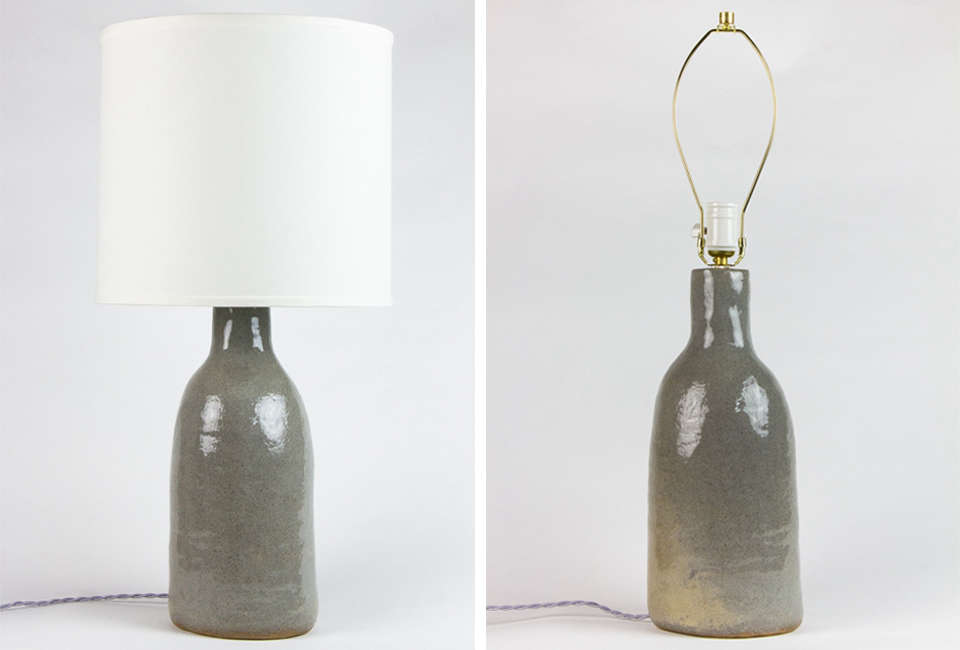

The Carmen D’Apollonio Bottle Lamp is not the kind of lamp that quietly disappears into the corner and waits to be ignored. It has presence. It has posture. It has the slightly mysterious charm of an object that may have been a bottle in another life, a sculpture in this one, and a tiny domestic character when the lights go out. Handmade, sculptural, and unmistakably personal, the Bottle Lamp belongs to the growing world of collectible ceramic lightingwhere function meets art, and your table lamp no longer has to pretend it is just there to help you read.
Designed by Carmen D’Apollonio, a Swiss-born, Los Angeles-based ceramic artist known for expressive lamps and vessels, the Bottle Lamp reflects her signature blend of humor, handcraft, and organic form. It is often discussed in the same breath as contemporary sculptural ceramic lamps, collectible design objects, and the wave of interiors that prefer character over perfection. In other words, this lamp does not want to be “sleek.” It wants to be interesting.
At approximately 30 inches tall and handcrafted in Los Angeles, the Bottle Lamp has been presented as a one-of-a-kind piece rather than a mass-produced lighting product. That detail matters. A lamp like this is not simply selected from a warehouse shelf; it is collected, placed, lived with, and usually stared at by guests who eventually ask, “Wait, where did you get that?”
Who Is Carmen D’Apollonio?
Carmen D’Apollonio is a self-taught ceramicist and designer whose work moves between sculpture, vessel, and functional lighting. Born in Switzerland in 1973 and raised near Zurich by Italian parents, she developed a creative path that did not begin neatly inside the boundaries of ceramics. Before establishing her Los Angeles studio in 2014, she worked as an art director for films and commercials, assisted the artist Urs Fischer for more than a decade, and co-founded the Swiss fashion brand Ikou Tschuss in 2006.
That unusual background helps explain why her lamps do not behave like ordinary home accessories. They feel staged, almost cinematic. Many of her pieces have anthropomorphic shapes, as if they are slumping, stretching, leaning, or waiting for a punchline. The shapes can appear humorous, tender, awkward, or strangely dignifiedsometimes all at once.
D’Apollonio has described clay as a material with its own personality, and that idea comes through clearly in her lighting. Her ceramic lamps often look as if the material was allowed to speak before being controlled. The result is a body of work that feels spontaneous without being careless, expressive without being chaotic, and functional without losing its sculptural identity.
What Makes the Carmen D’Apollonio Bottle Lamp Special?
The Carmen D’Apollonio Bottle Lamp stands out because it turns a familiar formthe bottleinto something more animated and collectible. A bottle shape is instantly recognizable. It suggests storage, pouring, holding, and domestic usefulness. But in D’Apollonio’s hands, the familiar bottle silhouette becomes sculptural, irregular, and emotionally warm.
A Handmade Object With Personality
Unlike factory-made lamps that chase perfect symmetry, the Bottle Lamp embraces the qualities of the hand. Its value comes from subtle irregularities, tactile surfaces, and the sense that someone shaped it with attention rather than software. The imperfections are not flaws; they are part of the conversation. Think of it as the lamp equivalent of a handwritten note in a world of auto-replies.
One-of-a-Kind Appeal
The Bottle Lamp has been described as a one-of-a-kind piece, which places it closer to collectible design than standard retail lighting. For design lovers, that makes it especially appealing. A one-of-a-kind ceramic lamp brings rarity into the home, and rarity changes the way people interact with an object. It is not just “a lamp.” It is “the lamp.”
Handcrafted in Los Angeles
D’Apollonio’s Los Angeles studio practice is central to the identity of the work. Los Angeles has a strong ceramics tradition, and her pieces fit naturally into that creative environment: sunlit, experimental, a little unruly, and not overly concerned with following old decorative rules. The Bottle Lamp carries that relaxed but highly considered energy.
The Design Language: Between Bottle, Sculpture, and Character
The name “Bottle Lamp” sounds simple, but the object is more layered than its title suggests. The bottle form provides structure, while the handmade ceramic surface gives it life. The lamp reads as both useful and sculptural, which is exactly where D’Apollonio’s work tends to shine.
Many contemporary interiors have moved away from anonymous minimalism and toward objects that tell a story. A white box room with perfect edges can look impressive, but it can also feel like no one is allowed to sit down. The Carmen D’Apollonio Bottle Lamp solves that problem by adding warmth, humor, and a slightly offbeat focal point.
Its heightaround 30 inchesalso gives it architectural presence. This is not a tiny bedside lamp that hides behind a paperback. It can anchor a console table, command attention on a sideboard, or turn a quiet corner into a small design moment. When turned off, it functions like a ceramic sculpture. When turned on, it becomes atmosphere.
Why Sculptural Ceramic Lamps Are Having a Moment
The popularity of sculptural ceramic lighting is not accidental. Homeowners, designers, and collectors increasingly want pieces that feel personal, tactile, and less digitally perfect. After years of smooth, mass-produced decor, handmade objects bring back a sense of human touch.
Ceramic lamps are especially appealing because they combine earthiness with function. Clay carries history, weight, and texture, while lighting changes the mood of a room instantly. When these two qualities meet, the result can feel intimate and artistic at the same time.
D’Apollonio’s lamps fit beautifully within this trend, but they also stand apart from it. Her work is not merely “organic” in the generic sense. It often feels like a cast of characters. Some pieces seem to bend, droop, pose, or stare back. The Bottle Lamp is quieter than some of her more anthropomorphic works, but it still carries that handmade liveliness.
How to Style the Carmen D’Apollonio Bottle Lamp
A sculptural lamp needs the right setting. Place it badly, and it may look like an expensive object trying to survive on a crowded table. Place it well, and it becomes the visual anchor of the room.
On a Console Table
A console table is one of the best places for a lamp like this. The height of the Bottle Lamp allows it to create vertical interest, while the ceramic body adds texture against wood, stone, plaster, or painted walls. Pair it with a large mirror, a shallow bowl, or a stack of art books. Then stop. The lamp does not need seven tiny decorative friends competing for attention.
Beside a Sofa or Lounge Chair
Used on a side table, the Bottle Lamp can soften a seating area and make it feel collected rather than staged. It works particularly well with linen upholstery, vintage leather, bouclé, natural wood, or low-slung modern furniture. Because the lamp has a handcrafted quality, it can balance sharper architectural lines in a room.
In a Bedroom
As a bedside lamp, it creates a more artistic mood than a standard ceramic base. However, because of its size and sculptural character, it works best in a bedroom with enough visual breathing room. A low bed, simple linens, and a clean nightstand can make the lamp feel intentional rather than oversized.
In an Entryway
An entryway is a perfect stage for a statement lamp. The Bottle Lamp can greet guests before you do, which is useful if you are still searching for your keys. Its sculptural form creates an immediate impression and signals that the home values artful, unusual objects.
What Interior Styles Work Best With This Lamp?
The Carmen D’Apollonio Bottle Lamp is surprisingly versatile, but it performs best in interiors that allow handmade objects to breathe. It suits warm minimalism, modern rustic rooms, gallery-like spaces, Mediterranean-inspired homes, California casual interiors, and eclectic art-filled apartments.
In a minimalist room, the lamp adds character without creating clutter. In a rustic room, it feels grounded and material-rich. In a contemporary room, it brings softness and irregularity. In an eclectic room, it can hold its own among vintage furniture, paintings, books, and collected objects.
The key is contrast. A sculptural ceramic lamp often looks best when paired with materials that are different from it: smooth stone, dark wood, polished metal, woven textiles, or crisp white walls. The contrast helps the ceramic surface stand out.
Collectible Design Value: More Than a Decorative Lamp
The Bottle Lamp belongs to a category often called collectible design. These are functional objects made with the attention, rarity, and artistic value usually associated with fine art. Collectible design pieces are not always bought because someone urgently needs a lamp. They are bought because they bring identity, story, and authorship into a space.
D’Apollonio’s larger practice has attracted attention from design galleries, fashion houses, interior designers, and collectors. Her work has included ceramic pieces for Celine store installations, sculptural lighting shown through Friedman Benda, and objects that blur the line between art and utility. That context gives the Bottle Lamp more significance than an ordinary decorative fixture.
For collectors, authorship matters. A lamp by a known ceramic artist carries a different meaning than a generic lamp inspired by handmade design. It reflects a specific creative voice, a specific studio practice, and a specific moment in contemporary interiors.
Price and Availability
The Carmen D’Apollonio Bottle Lamp has previously been listed at $2,850 at the time of publication through design retail channels connected with Sophie Buhai and featured by design editors. Because the piece is handmade and one of a kind, availability can change quickly. It should not be treated like a standard product that will always be in stock in multiple finishes.
Anyone interested in acquiring a Carmen D’Apollonio lamp should expect the process to feel closer to buying art than ordering a table lamp from a big-box store. Prices can vary depending on the piece, scale, material, gallery representation, and whether the work is part of a current body of work or an earlier design.
For buyers, the most important rule is simple: verify the piece, ask for dimensions, confirm condition, understand wiring compatibility, and request clear images from multiple angles. A sculptural lamp is both an electrical object and an artwork, so both beauty and practicality matter.
How to Care for a Sculptural Ceramic Lamp
A lamp like this deserves thoughtful care, but not panic. Ceramic is durable, yet handmade ceramic forms can include delicate edges, textured surfaces, and finishes that should be treated gently.
Dust With a Soft Cloth
Use a dry microfiber cloth or a soft brush to remove dust from the ceramic body. Avoid harsh cleaners, abrasive pads, or anything that sounds like it belongs in a garage rather than near a collectible lamp.
Handle From the Base
When moving the lamp, support it from the base and body rather than pulling from the neck, socket, shade, or cord. Handmade ceramic pieces can have unexpected balance points, and gravity is famously rude.
Use the Right Bulb
Follow the recommended bulb wattage and socket guidelines. LED bulbs are often a smart choice because they generate less heat than traditional incandescent bulbs. Heat management is especially important when dealing with handmade shades, ceramic elements, or vintage-style fittings.
Keep It Away From Busy Edges
Do not place the lamp on a narrow table edge, in a high-traffic hallway, or anywhere a backpack, dog tail, or dramatic hand gesture could send it into a tragic final act. A collectible lamp deserves a stable surface.
Why the Bottle Lamp Still Feels Fresh
Some design objects age quickly because they are too tied to a trend. The Carmen D’Apollonio Bottle Lamp has a better chance of staying visually relevant because it is rooted in form, material, and personality rather than a passing color palette. Handmade ceramic lighting has ancient foundations and contemporary appeal, which is a strong combination.
The lamp also avoids the coldness that sometimes comes with high-end design. It is sophisticated, but not stiff. It is artistic, but not humorless. It has enough oddity to be memorable and enough simplicity to remain livable.
That balance is difficult to achieve. Too much eccentricity can become exhausting. Too much refinement can become boring. The Bottle Lamp sits somewhere in the middle, where an object can be beautiful, functional, and just a little bit mischievous.
Buying Alternatives Inspired by the Same Look
Because original Carmen D’Apollonio pieces can be rare and expensive, many design lovers look for alternatives inspired by the same sculptural ceramic language. The goal should not be to buy a copy, but to find pieces that share a similar spirit: handmade texture, organic shape, warm imperfection, and strong silhouette.
Look for studio ceramic lamps from independent potters, small-batch lighting makers, and galleries that represent contemporary craft. Search terms such as “handmade ceramic table lamp,” “sculptural ceramic lamp,” “organic ceramic lighting,” “studio pottery lamp,” and “collectible ceramic lighting” can help. The best alternatives will have their own personality rather than trying to imitate D’Apollonio directly.
For a lower-budget approach, consider vintage ceramic lamps from the 1960s, 1970s, and 1980s. Many have expressive shapes, earthy glazes, and excellent scale. Replace the shade, update the wiring if needed, and suddenly you have a lamp that looks like it has lived a much more interesting life than your Wi-Fi router.
Is the Carmen D’Apollonio Bottle Lamp Worth It?
The answer depends on what you want from a lamp. If you want the cheapest possible way to brighten a room, this is not the practical choice. If you want a collectible design object with authorship, handmade character, and sculptural impact, the Bottle Lamp makes a strong case for itself.
It is worth considering for collectors of contemporary ceramics, interior designers working on artful residential spaces, homeowners who want a statement piece, and anyone who believes lighting should do more than politely glow. It is not just about illumination; it is about mood, material, and the pleasure of living with an object that refuses to be boring.
The best design pieces tend to improve a room even when they are not being used. The Bottle Lamp does that. During the day, it reads as sculpture. At night, it becomes a source of atmosphere. That dual role is exactly why sculptural lighting has become so desirable.
Experience Notes: Living With a Carmen D’Apollonio Bottle Lamp
Imagine bringing the Carmen D’Apollonio Bottle Lamp into a room for the first time. The first thing you notice is that it does not behave like a normal lamp. A normal lamp waits for instructions. This one seems to arrive with opinions. Place it on a console table, and suddenly the table looks less like a surface for mail and more like a small curated exhibition. Put it beside a reading chair, and the chair becomes a destination. Even before the lamp is switched on, it changes the room’s confidence.
The experience of living with a sculptural ceramic lamp is partly visual and partly emotional. You become aware of its shape at different times of day. Morning light may emphasize the ceramic texture. Afternoon shadows may make the form look softer. At night, when the bulb is glowing, the lamp stops being a static object and becomes part of the atmosphere. It gives the room a slower rhythm, the kind that makes you want to put your phone down and pretend you are the sort of person who reads hardback books by warm light every evening.
Guests tend to notice it quickly. They may not know the designer’s name immediately, but they understand that the object is special. The questions usually come in stages. First: “Is that lamp handmade?” Then: “Is it ceramic?” Then, once they realize it has an art-world presence: “Should I be standing farther away from it?” That reaction is part of the charm. A piece like this creates conversation without trying too hard.
From a practical standpoint, the Bottle Lamp works best when it is given space. It should not be crowded by picture frames, scented candles, remote controls, or the mysterious little objects that gather on every horizontal surface in a home. A sculptural lamp needs negative space around it, much like a painting needs wall space. The more breathing room it has, the more powerful it looks.
It also teaches a useful decorating lesson: one strong object can do more than a dozen small accessories. Instead of filling a room with trend-driven decor, a piece like the Carmen D’Apollonio Bottle Lamp gives the space a center of gravity. It says the room has been considered, not simply filled. That is the difference between decorating and collecting.
The most enjoyable part is how personal the lamp feels. Handmade ceramic objects have a way of resisting sameness. You can see the gesture in them. You sense the maker’s decisions, adjustments, and moments of letting the clay become what it wants to become. That quality makes the Bottle Lamp feel less like a product and more like a quiet companion. A stylish companion, yesbut one with excellent posture and a very good sense of humor.
Conclusion
The Carmen D’Apollonio Bottle Lamp is a memorable example of how contemporary lighting can move beyond utility and become collectible design. Handmade in Los Angeles, shaped by a designer with a rich creative background, and grounded in the expressive possibilities of clay, it offers far more than illumination. It brings warmth, irregularity, humor, and artistic identity into the home.
For interiors that need character, the Bottle Lamp is a powerful choice. It can soften modern rooms, enrich minimalist spaces, and add a sculptural focal point to entryways, bedrooms, and living areas. Its value is not only in its rarity or maker, but in the daily experience of living with an object that feels alive. In a world full of forgettable lamps, this one has the good manners to be usefuland the boldness to be unforgettable.
Editorial note: This article is based on verified public information from reputable design, art, interiors, gallery, and product sources, including design editorial coverage, gallery biographies, artist profiles, and collectible design listings. It has been fully rewritten in original language for web publication.