
Your first international flight feels a little like the first day of school, a scavenger hunt, and a very expensive trust fall all rolled into one. You are excited. You are nervous. You are suddenly deeply interested in whether your toothpaste is too large for airport security. That is normal. The good news is that international travel gets much easier once you understand the basic rhythm: documents, packing, airport timing, arrival procedures, and a few smart backup plans for the things that inevitably get weird.
If you prepare well, your first trip abroad does not have to be stressful. It can be the fun kind of chaotic instead of the “why am I reorganizing my suitcase on the airport floor at 5:10 a.m.” kind. This guide walks you through exactly how to prepare for your first international flight, from passport checks and visa rules to carry-on strategy, customs, jet lag, and what to do when you land without accidentally wandering into the wrong line with supreme confidence and absolutely no clue.
Start With the Big Stuff: Passport, Visa, and Entry Rules
The most important part of international travel is not your neck pillow, your cute travel set, or your highly ambitious plan to read three novels on the plane. It is your paperwork. If your documents are wrong, your trip can end before the boarding door even opens.
Check your passport early
Do not wait until the week before your flight to look at your passport. Check the expiration date as soon as you book. Many countries want your passport to be valid for months beyond your travel dates, and some destinations can be strict about passport condition too. If it looks damaged, bent, peeled, or unusually beat up, solve that problem before airport staff solve it for you by saying, “Sorry, you can’t board.”
Make sure your ticket name matches your passport exactly
If your passport says Jonathan Michael Smith and your ticket says Jon Smith, do not assume the airline will shrug and wave you through. International travel is not the place for improvisation. Your reservation name should match your passport as closely as possible, including middle names when required by the airline or destination.
Research visas, transit rules, and entry forms
Some countries are easy. Others want a visa, an electronic travel authorization, a customs declaration, proof of onward travel, health documentation, or all of the above just to keep life spicy. If you have a connecting airport in another country, check whether transit passengers need extra documentation too. This is especially important if your trip includes separate tickets, overnight layovers, or self-transfers.
A smart rule: look up your destination’s entry requirements, then look up your transit country’s rules, then look at your airline’s travel requirements page. When three sources agree, you can breathe again.
Build a Travel Folder Before You Pack a Single Sock
The easiest way to feel calm on travel day is to organize everything before travel day arrives. Create one physical folder and one digital folder. Think of it as your personal anti-panic system.
What to keep in your folder
- Passport
- Flight confirmation and boarding pass
- Visa or travel authorization, if required
- Hotel confirmation and address
- Airport transfer or train details
- Travel insurance information
- Copies or photos of your passport, visas, and cards
- Emergency contacts
Save digital copies in secure cloud storage and on your phone. Also keep a printed copy of your hotel address and your first transportation plan after landing. Nothing says “international rookie” quite like standing in arrivals with 4% battery and no idea where your hotel is.
Book Smarter, Not Braver
First-time international travelers sometimes book the cheapest itinerary and then discover they purchased a thrilling side quest. A fourteen-hour trip with two tight connections, different terminals, a baggage recheck, and an overnight layover in a city you did not plan to visit is not a bargain. It is a live-action obstacle course.
Leave room in your itinerary
If possible, choose a route with fewer connections and decent layover time. International flights already involve more procedures than domestic ones. Giving yourself extra time between flights can protect you from delays, long passport control lines, and terminal changes. If you are returning to the United States with a connection, remember that your first U.S. entry point is often where you clear passport control and customs.
Download your airline app
Major airlines make life much easier through their apps. You can check in, see gate changes, track baggage, store boarding passes, and get alerts when things shift. This is one of those tiny travel habits that feels optional until it saves your entire morning.
Know your baggage rules
Do not assume baggage rules are universal. Carry-on size, personal item size, and checked bag limits can vary by airline, route, and fare class. On some international carriers, bags are weighed more aggressively than on domestic U.S. flights. If your bag is right on the edge of “probably fine,” the airport scale may become your greatest enemy.
Pack Like Someone Who Enjoys Peace
Good packing is not about fitting your whole personality into a suitcase. It is about making the airport and the first 24 hours of your trip easier. The goal is convenience, not fashion week in baggage claim.
What belongs in your carry-on
- Passport and travel folder
- Phone, charger, and adapter
- Power bank
- Prescription medication
- A change of clothes or at least clean basics
- Toothbrush, travel-size toiletries, and face wipes
- Wallet, cards, and a little local currency
- Headphones, snacks, and a pen
If your checked bag goes missing for a day or two, your carry-on should be enough to keep you functional and only moderately dramatic.
Liquids and security rules
For carry-ons, standard liquids usually need to be travel-size and packed properly for security screening. Put your toiletries in a clear pouch so you are not digging through your suitcase like a raccoon at the checkpoint. Medications can be treated differently from regular toiletries, but it is still smart to keep them clearly labeled and easy to inspect.
Power banks and spare batteries
This part matters more than many first-time travelers realize: spare lithium batteries and power banks should stay in your carry-on, not your checked luggage. If you are gate-checking a bag, pull those items out first. Airports and airlines take battery rules seriously, and this is not the moment to discover your portable charger has become contraband.
Pack medication like an adult with a plan
Bring enough prescription and over-the-counter medication for your trip, plus extra in case of delays. Keep prescriptions in labeled containers when possible, and bring copies of prescriptions for anything important. Some medications that are common in the United States may be restricted elsewhere, so check ahead if you take anything specialized.
Prepare Your Health and Comfort Before the Flight
An international trip is more fun when you are not spending day one wandering around sleep-deprived, dehydrated, and aggressively regretting your life choices.
Check vaccines and health guidance
Review destination-specific health guidance well before departure. Depending on where you are going, you may need vaccines, medications, or simple preventive supplies. Even if your destination does not have unusual requirements, staying current on routine vaccines is a wise move before international travel.
Plan for jet lag
Jet lag is basically your body saying, “I reject your timeline.” You can reduce the pain by sleeping well before the trip, hydrating, limiting alcohol, and shifting toward the destination time zone once you board. If you land in the morning, try to stay awake until evening. If you land at night, keep things simple, get to your hotel, and let your bed do the heavy lifting.
Dress for the plane, not for an imaginary airport runway
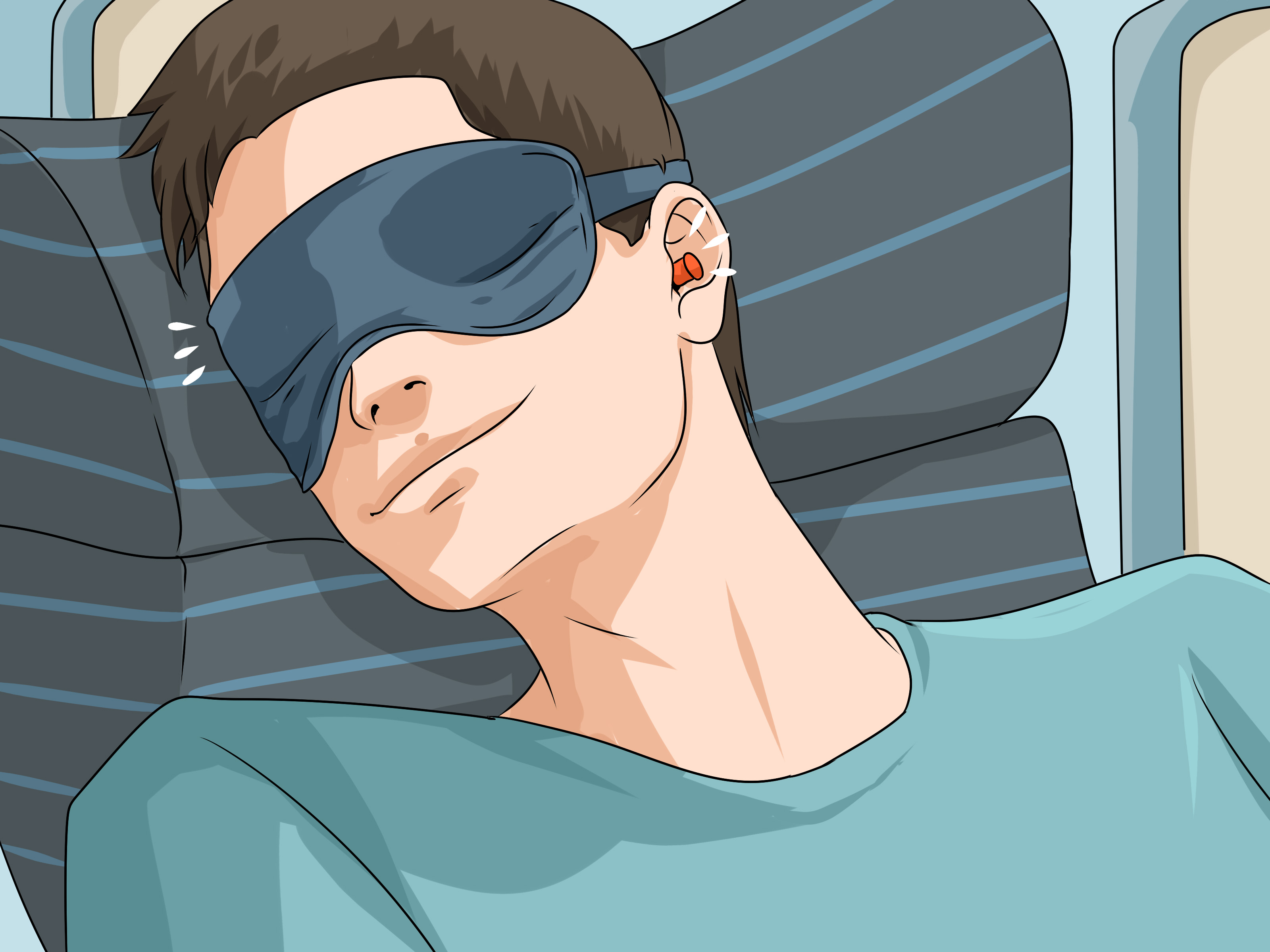
Wear comfortable layers. Cabins get cold, long-haul flights get weird, and your body will be much happier if you can adjust without wearing an entire closet. Compression socks, lip balm, an eye mask, and a reusable empty water bottle can make a surprisingly big difference on longer routes.
Sort Out Money, Phone Service, and Arrival Logistics
Many first-time travelers obsess over the flight and forget about the hour after landing. That is a mistake. The first hour after arrival can feel like a mini final exam in signs, lines, and mild confusion.
Use more than one payment method
Bring at least two forms of payment, ideally a credit card and a debit card, plus a small amount of local currency or an easy plan to get it. A no-foreign-transaction-fee card is especially helpful abroad. Also, do not rely on airport exchange counters if you can avoid it; they are famous for turning your money into less money.
Have a phone plan before you leave
International roaming surprises are only fun for phone companies. Decide in advance whether you will use your carrier’s international plan, buy an eSIM, use local SIM service, or rely mostly on Wi-Fi. Download offline maps for your destination before departure. Future You, standing outside the airport while trying to find the train, will be deeply grateful.
Know how you are getting from the airport to your hotel
Before you fly, know the answer to one important question: when I land, then what? Have your hotel address copied exactly, know whether you are taking a taxi, train, rideshare, or shuttle, and check whether your arrival airport has official taxi stands. This is not about being paranoid. It is about avoiding exhausted decision-making in a brand-new place.
What to Do 24 Hours Before Departure
The day before your flight is not the time for chaos. It is the time for a calm, boring, glorious checklist.
- Check in online as soon as your airline allows it
- Confirm your passport is in your personal item, not on the kitchen counter
- Review terminal, gate area, and airport transportation
- Charge your phone, watch, and power bank
- Download entertainment for the flight
- Recheck baggage limits and liquid sizes
- Set aside clothes for the flight
- Sleep like a person with plans, not like a raccoon in a thunderstorm
What to Expect at the Airport
Get there early
For an international flight, arriving about three hours before departure is a smart baseline. Yes, three hours can feel early. It can also feel wildly correct when there is a document check line, a bag drop line, a security line, and the gate is somehow located in another zip code.
Be ready for extra document checks
International flights often involve more than one passport check. You may show documents at check-in, at security, at the gate, and on arrival. Keep your passport and boarding pass in the same easy-to-reach spot. Do not bury them under snacks, headphones, and a novel you absolutely will not finish.
Security is easier when you are not improvising
Have your liquids organized, electronics accessible if required, pockets empty, and belt situation under control. If you wear boots with seventeen buckles and carry a bag full of mystery cables, security may become a character-building experience.
What Happens When You Land Abroad
After your flight, follow the signs for immigration, passport control, arrivals, or border control. This is where officials check that you can legally enter the country. After that, you may collect your luggage and head through customs.
Answer questions simply and honestly
If an officer asks why you are visiting, where you are staying, or how long you will be there, answer clearly and calmly. Keep hotel details handy. This is routine. You are not auditioning for a legal drama.
Do not panic if the process feels slow
Passport control lines can be long, especially after several international flights land at once. Stay patient, follow signs carefully, and keep your documents out until you are truly done. A lot of first-timers put everything away too early and then have to perform the awkward backpack excavation dance in public.
How to Return to the U.S. Without Surprises
Coming home is usually easier because you already survived the outbound trip and now feel 37% more worldly. Still, re-entry has its own quirks.
Your first U.S. stop is important
If you fly from abroad into one U.S. airport and then connect onward, you usually clear passport control and customs at that first U.S. arrival point. In many cases, you also collect your checked bag and recheck it for the next flight. Build enough connection time for this. “Forty-five minutes should be fine” is the kind of sentence that ruins afternoons.
Use trusted traveler tools if they fit your travel style
If you expect to travel internationally more often, tools like Mobile Passport Control or Global Entry can help speed up arrival into the United States. They are not essential for your first trip, but they can be worth knowing about once you get a taste for international travel and start plotting your next passport stamp.
Common First-Time International Flight Mistakes to Avoid
- Waiting too long to check passport validity
- Assuming a visa is not required because “it’s just a vacation”
- Packing medication in checked baggage
- Checking a bag with a power bank inside
- Using a too-tight connection on the return to the U.S.
- Forgetting chargers, adapters, or offline maps
- Arriving at the airport like it is a domestic hop to Chicago
- Relying on a single bank card or a dead phone battery
Extra Experience Notes: What Your First International Flight Actually Feels Like
Your first international flight is not just a transportation event. It is an experience. And honestly, part of preparing well is knowing what the experience feels like so you do not mistake normal travel weirdness for disaster.
At first, everything may seem more dramatic than it really is. The airport looks bigger. The departure board suddenly feels personal. You hear six languages near your gate and become convinced you have forgotten something essential, like your passport, your charger, or your identity. This is common first-trip energy. Preparation helps, but even organized travelers usually feel a few nerves. That is part of the deal.
One of the strangest moments is often the first document check. Handing over your passport for an international boarding process can make the trip feel suddenly real. Once you hear the agent say you are good to go, your brain finally catches up: you are actually leaving the country. That moment is exciting, and for many travelers it is the point where anxiety flips into genuine anticipation.
Long-haul flights also have their own rhythm. The first few hours feel busy. People are settling in, screens are glowing, snacks appear, and everyone acts like they are definitely going to sleep immediately after dinner. Then the cabin goes quiet, and time becomes strange. You might doze. You might watch three movies you would never admit to loving on the ground. You might stare at the little airplane map and become emotionally invested in your progress over Greenland. All of this is normal.
Many first-time travelers are surprised by how important tiny comfort decisions become. A hoodie, a neck pillow, warm socks, lip balm, downloaded music, and one decent snack can do more for morale than any fancy gadget. The travelers who look the calmest are rarely the ones with the most expensive luggage. They are the ones who packed thoughtfully and know where their stuff is.
Arrival is another emotional swing. You step off the plane tired, maybe puffy, slightly confused about the local time, and suddenly surrounded by signs in a place that is not home. This can feel thrilling and disorienting at the same time. Give yourself permission to move slowly. Follow the signs. Confirm your transportation. Drink water. Do not schedule your first day like you are starring in a travel montage. The best arrival strategy is usually simple: clear immigration, get to your lodging, eat something easy, and adjust.
Perhaps the most valuable experience-based tip is this: international travel rarely goes perfectly, and that does not mean it is going badly. Maybe the line is long. Maybe your gate changes. Maybe you miss one train and catch the next. Seasoned travelers are not calm because nothing ever goes wrong. They are calm because they expect a few bumps and plan accordingly. Once you understand that, your first international flight stops feeling like a test and starts feeling like what it really is: an adventure with paperwork.
And after that first trip, something shifts. The next time you fly internationally, you will know how to organize your documents, how early to arrive, what to keep in your carry-on, and how to read airport signs without spiraling. You will become the person casually saying things like, “We should leave a little extra time for customs,” which is a deeply glamorous sentence in the travel world. Your first international flight teaches you a lot, but the biggest lesson is simple: once you prepare well and do it once, the mystery fades and the fun begins.
Conclusion
Preparing for your first international flight is really about reducing friction. Check your documents early, understand your destination’s rules, pack your carry-on like it matters, plan for money and phone access, and give yourself more airport time than your overconfident inner voice thinks you need. That combination turns a potentially stressful day into a manageable one.
And once you are through security, seated by the window, and watching the runway lights blur into takeoff, you will realize something wonderful: all that preparation was worth it. Your first international flight is not just a trip from one airport to another. It is the beginning of travel confidence, better stories, and a new relationship with the phrase “I should probably check visa rules first.”