
Some kitchen tools politely do their job and disappear into a drawer. Waka Waka cutting boards do the opposite. They sit on the counter like tiny wooden sculptures, quietly asking, “Yes, but what if slicing a lemon had better proportions?” These boards belong to the design universe of WAKA WAKA, the Los Angeles studio founded by Shin Okuda, known for wood furniture and functional objects that blend practicality with playful geometry.
At first glance, Waka Waka cutting boards may look simple: maple hardwood, a mineral-oil finish, a handful of unusual shapes. But that simplicity is exactly the point. These are not over-decorated kitchen gadgets wearing a fake mustache and calling themselves “artisan.” They are useful, restrained, character-rich boards that make the humble act of cutting bread, fruit, cheese, or herbs feel a little more considered.
This guide explores what makes Waka Waka cutting boards interesting, how they fit into modern kitchen design, why maple is such a respected cutting board material, how to care for wooden boards properly, and what everyday users can learn from living with objects that are both practical and beautiful.
What Are Waka Waka Cutting Boards?
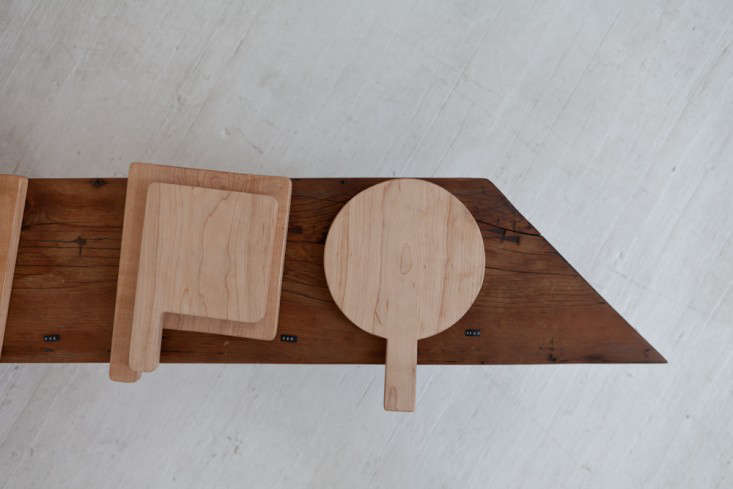
Waka Waka cutting boards are shaped wooden boards designed for cutting and serving. Archived design listings describe them as maple hardwood boards finished with mineral oil and offered in distinct silhouettes such as triangle, thought bubble, mirror, medium baguette, and long baguette forms. The boards were associated with Iko Iko Space, the Los Angeles design shop connected to Kristin Dickson-Okuda and Shin Okuda’s creative circle.
The phrase often used to describe the collection is “a conversation of shapes and handle solutions.” That sounds very design-world, but it makes sense once you picture the boards. A baguette-shaped board naturally handles bread. A thought-bubble board brings humor to snacks. A mirror-like form turns a serving surface into a small table object. The handle is not just a hole or a tab; it is part of the board’s personality.
The boards were not trying to compete with oversized butcher blocks or industrial restaurant prep stations. Instead, they sat somewhere more charming: part cutting board, part serving board, part sculptural kitchen accessory. They were the kind of object you could use for an apple in the afternoon, then leave out because putting it away would feel almost rude.
The WAKA WAKA Design Language
To understand the cutting boards, it helps to understand WAKA WAKA as a studio. Shin Okuda’s work is widely recognized for its use of wood, clean shapes, rounded details, and subtle humor. His broader furniture practice includes chairs, shelves, tables, and spatial pieces that feel minimal without being cold. The pieces often rely on basic formsrectangles, circles, cylinders, and arcsbut the proportions make them feel alive.
WAKA WAKA’s design vocabulary is sometimes described as a mix of Japanese craft discipline, Los Angeles creative freedom, and a wink of postmodern playfulness. That combination matters. The cutting boards are not shaped oddly just to be odd. They are experiments in how much personality a functional object can carry before it stops being useful. The answer, apparently, is: quite a lot.
Many kitchens suffer from what we might call “appliance seriousness.” Stainless steel everywhere. Black handles. Gray countertops. A blender that looks like it can file taxes. A Waka Waka board softens that mood. It introduces warmth, humor, and human scale without turning the kitchen into a novelty shop.
Materials: Why Maple Hardwood Matters
The Waka Waka cutting boards were described as being made from maple hardwood with a mineral-oil finish. Maple is one of the classic woods for cutting boards because it is dense, smooth, durable, and relatively gentle on knife edges compared with very hard or glass-like surfaces. It has a pale, clean appearance that fits WAKA WAKA’s preference for material simplicity.
Maple also has a quiet visual quality. It does not shout with dramatic grain the way walnut or some exotic woods might. That restraint lets the shape do the talking. With Waka Waka cutting boards, the outline is the main event. The wood becomes a calm background for the silhouette, which is very much in line with Okuda’s wider interest in proportion and form.
The mineral-oil finish is also practical. Food-grade mineral oil helps protect wood by slowing moisture absorption, which can reduce cracking, drying, and warping when the board is maintained correctly. A wooden board is not a “buy it and ignore it forever” object. It is more like a houseplant that tolerates knives. Give it a little care, and it ages beautifully.
Shape as Function: More Than Looking Cute
The most memorable feature of Waka Waka cutting boards is their shape. The thought-bubble board is playful and compact. The triangle feels graphic and architectural. The mirror shape has a handled, domestic elegance. The baguette boards are long and narrow, clearly suited for bread, crostini, crackers, small bites, or a dramatic line of cheese that says, “Yes, I read design blogs.”
Thought Bubble Boards
The thought-bubble shape is probably the most whimsical of the group. It works well for small snacks, fruit, citrus, herbs, or cheese. It also has a conversational quality when used for serving. Put olives on it, and suddenly the olives seem to have an inner monologue. This is unnecessary, of course, but many good things are.
Baguette Boards
The baguette boards are a clever example of form following a very specific kind of food. A long, narrow surface makes sense for bread, crackers, sliced vegetables, or a row of small appetizers. Instead of forcing a baguette onto a chunky rectangle, the board follows the food’s natural geometry. That is design doing its job without clearing its throat.
Triangle and Mirror Shapes
The triangle board feels more sculptural and bold, while the mirror shape gives the board a recognizable handle and a slightly vintage domestic feel. Both are useful for serving as much as cutting. They look good on a counter, a shelf, or a table, which gives them more value in small kitchens where every object has to earn its rent.
Cutting Board or Serving Board?
Waka Waka cutting boards are best understood as hybrid boards. They can be used for light cutting, but they also shine as serving pieces. This dual identity is important. A standard cutting board may spend most of its life absorbing onion juice in private. A Waka Waka board is more sociable. It wants to hold cheese, toast, fruit, pastries, or small bites where people can see it.
For everyday kitchen prep, a large rectangular board still has advantages. It gives you more room for chopping onions, breaking down vegetables, or handling raw proteins. But not every board has to be a culinary aircraft carrier. Smaller shaped boards are ideal for quick jobs and presentation. They reduce cleanup, brighten the counter, and make even a weekday snack feel intentional.
In that sense, Waka Waka boards belong to the same category as well-made ceramic bowls, linen napkins, or a favorite coffee mug. They are useful objects that improve the mood of a routine. Nobody technically needs a beautiful board for slicing strawberries. Nobody technically needs music while cooking either. Yet here we are, happier because both exist.
How Waka Waka Cutting Boards Fit Modern Kitchens
Modern kitchen design has moved beyond the idea that every useful object must hide behind a cabinet door. Open shelving, visible tools, handmade ceramics, and warm wood accents have become popular because they make kitchens feel lived-in rather than showroom-frozen. Waka Waka cutting boards fit naturally into this trend.
Their pale maple tone pairs well with white kitchens, colorful tile, stainless steel, marble, soapstone, butcher block, concrete, and painted cabinetry. Because the shapes are simple but unusual, the boards add interest without overwhelming the space. They can lean against a backsplash, sit on a shelf, or rest on a dining table as part of a casual serving setup.
They also work especially well in small apartments. When counter space is limited, objects must often serve multiple roles. A Waka Waka board can be prep surface, serving tray, decorative object, and conversation starter. That is a strong résumé for a piece of wood.
Food Safety and Wooden Cutting Boards
Wooden cutting boards are safe when cleaned and maintained properly. The key is not magic wood powers; the key is good kitchen hygiene. After each use, wash the board with hot, soapy water, rinse it with clean water, and dry it thoroughly. Do not leave a wooden board soaking in the sink unless you enjoy the exciting home experiment called “Will It Warp?”
For raw meat, poultry, and seafood, many food-safety experts recommend using a separate board from the one used for bread, fruit, cheese, and ready-to-eat foods. Color-coded plastic boards are common for raw proteins because they can often go through a dishwasher. A beautiful wooden board like a Waka Waka piece is usually better suited for produce, bread, cheese, herbs, and serving.
Sanitizing can be done when needed, especially after contact with high-risk foods. A common home method is a diluted unscented bleach solution, followed by rinsing and air-drying. Some extension sources also discuss vinegar or hydrogen peroxide as household sanitizing options, but the important point is consistency: clean, rinse, sanitize when appropriate, and dry completely.
How to Care for a Waka Waka Cutting Board
A maple board with a mineral-oil finish needs occasional maintenance. Fortunately, the process is simple and slightly satisfying, like giving your kitchen tool a spa day without cucumber water.
Daily Cleaning
After use, scrape away crumbs or food bits, wash the board by hand with warm water and mild dish soap, rinse thoroughly, and dry it right away. Let it stand upright if possible so air can circulate around both sides.
Regular Oiling
When the wood looks dry or pale, apply food-grade mineral oil. Spread a thin coat across the surface, let it absorb, and wipe away excess. Frequency depends on use and climate. A board used daily in a dry kitchen may need oil more often than one used only for weekend cheese ceremonies.
What to Avoid
- Do not put wooden boards in the dishwasher.
- Do not soak them in water.
- Do not use vegetable oil or olive oil as a board treatment, because food oils can turn rancid.
- Do not store the board flat while damp.
- Do not ignore deep cracks, mold, or stubborn odors.
With good care, a maple board can develop a warm patina. Small knife marks are part of the story. Deep grooves, however, can become harder to clean, so boards that are heavily worn should eventually be sanded, refinished, or retired from food contact.
Who Should Buy Waka Waka Cutting Boards?
Waka Waka cutting boards are ideal for people who love design but still cook, snack, host, or at least occasionally cut a lime with confidence. They are especially appealing to fans of Japanese-influenced minimalism, Los Angeles design, independent makers, and kitchen objects that feel personal.
They are also excellent for gift-giving. A shaped maple board is more memorable than another generic kitchen gadget and more useful than a decorative object that just sits there judging your dusting habits. For housewarmings, weddings, host gifts, or design-loving friends, a board like this feels thoughtful without being fussy.
However, these boards are not necessarily the best choice for someone who wants one huge prep board for everything. If your daily cooking involves cleavers, raw chicken, ten-pound squash, or dramatic meal-prep Sundays, you may want a larger workhorse board as your main tool. Think of Waka Waka boards as the charming, stylish friend at the partynot the person moving the sofa.
Styling Ideas for the Kitchen and Table
A Waka Waka cutting board looks best when it is allowed to breathe. Because the shape is already interesting, you do not need to pile on decoration. A few practical styling ideas include using a long baguette board for sliced bread and compound butter, placing citrus halves on a thought-bubble board for cocktails, serving chocolate and strawberries on the mirror shape, or leaning a triangle board against a backsplash beside a ceramic bowl.
For a casual dinner, use one board for bread and another for cheese or fruit. The different shapes create movement on the table, making the spread feel curated without requiring you to become the sort of person who owns twelve tiny spoons labeled by jam type.
In open shelving, the boards can stand upright like small artworks. Their pale maple color gives warmth to white dishes and glassware. Paired with handmade ceramics, linen textiles, and simple metal utensils, they create a kitchen mood that is calm, tactile, and quietly creative.
Why Design Lovers Still Talk About Them
The lasting appeal of Waka Waka cutting boards comes from the way they compress a complete design philosophy into a small object. They are useful, but not purely utilitarian. They are playful, but not silly. They are handmade in spirit, but visually disciplined. That balance is harder to achieve than it looks.
Many products try to be “fun” by adding graphics, slogans, bright colors, or unnecessary features. Waka Waka boards achieve personality through outline and proportion. A thought bubble does not need a cartoon face. A baguette board does not need the word “bread” burned into it in rustic farmhouse lettering. The shape does the work.
This is why the boards continue to interest design fans even if they are not always easy to find. They belong to a specific moment in Los Angeles design culture, when independent studios, concept shops, fashion, furniture, and domestic objects were overlapping in exciting ways. The cutting boards are small artifacts of that world: useful enough for the kitchen, distinctive enough for the design shelf.
Experiences With Waka Waka Cutting Boards: Living With a Small Design Object
Using a Waka Waka cutting board changes the rhythm of small kitchen tasks. That may sound dramatic for an object whose main job is “stand still while a knife happens,” but the experience is real. A normal rectangular board tells you to get the task done. A shaped board invites a pause. You notice where the handle sits. You choose what fits the surface. You think, briefly, about how food will look when it lands there.
The thought-bubble board, for example, is perfect for quick, quiet rituals. Slice a pear, add a few pieces of cheddar, drop on a handful of almonds, and suddenly the snack feels assembled rather than scavenged. It is still just food on wood, but the shape frames it with intention. This is the same reason coffee tastes better in the mug you actually like. The object does not change the ingredients; it changes your attention.
The baguette-style board offers a different experience. Its long, narrow shape encourages arrangement. Sliced bread lines up naturally. Crackers look organized. Small tomatoes, radishes, or cucumber rounds become a little edible parade. It is ideal for hosting because it creates abundance without requiring a giant platter. People reach for food from a long board more casually, which helps the table feel relaxed.
The triangle board feels more graphic. It works well when you want a table setting to look slightly unexpected. Put it beside round plates and bowls, and the angles wake everything up. It is especially good for foods with irregular shapes: torn bread, roasted vegetables, citrus wedges, or pieces of dark chocolate. The contrast between the board’s geometry and the food’s natural forms is visually satisfying.
One of the best experiences with boards like these is that they make cleanup feel less annoying. A smaller board used for bread, fruit, or cheese can be washed quickly and dried immediately. There is no wrestling match with a massive slab under the faucet. The board’s manageable scale encourages you to use it often, which is exactly what good design should do. Beautiful objects that are too precious to touch eventually become guilt furniture. Waka Waka boards avoid that trap because their purpose is obvious.
They also teach a useful kitchen lesson: not every tool needs to be optimized for maximum efficiency. Some tools are valuable because they make ordinary actions more pleasant. Chopping herbs on a warm maple surface, carrying toast to the table on a baguette board, or serving orange slices on a thought-bubble shape can make daily eating feel less automatic. In a world full of meal plans, delivery apps, and countertop gadgets with Bluetooth for reasons nobody requested, that kind of tactile simplicity feels refreshing.
Of course, living with a wooden board also teaches responsibility. You wash it by hand. You dry it. You oil it occasionally. You learn not to abandon it under wet lettuce or treat it like a plastic cafeteria tray. This care routine is not a burden; it is part of the pleasure. A well-used maple board slowly records meals, gatherings, breakfasts, late-night snacks, and the occasional “I deserve cheese” moment. Over time, the surface becomes less perfect and more yours.
That is the real charm of Waka Waka cutting boards. They are not only about cutting. They are about the small theater of domestic life: the snack before dinner, the bread passed across the table, the lemon sliced for tea, the tiny arrangement that makes an ordinary Tuesday feel designed. They remind us that useful things can have wit, that simple shapes can carry feeling, and that a kitchen object does not need to beep, sync, or glow to earn a permanent place on the counter.
Conclusion
Waka Waka cutting boards prove that good design does not have to be loud, complicated, or locked behind a museum rope. With maple hardwood, mineral-oil finishing, and memorable silhouettes, these boards turn everyday cutting and serving into a more thoughtful experience. They reflect Shin Okuda’s broader WAKA WAKA approach: functional objects shaped by proportion, simplicity, humor, and the warmth of wood.
For serious prep work, every kitchen still benefits from a large, durable board. But for bread, fruit, cheese, herbs, snacks, and casual serving, Waka Waka cutting boards offer something richer than utility alone. They bring personality to the counter, style to the table, and a little design joy to the daily question of what to eat next.
Note: This article synthesizes real product details, archived design coverage, WAKA WAKA studio information, designer profiles, and established wooden cutting board care guidance. Product availability, pricing, and exact dimensions may vary over time, especially for limited-run or archived design objects.