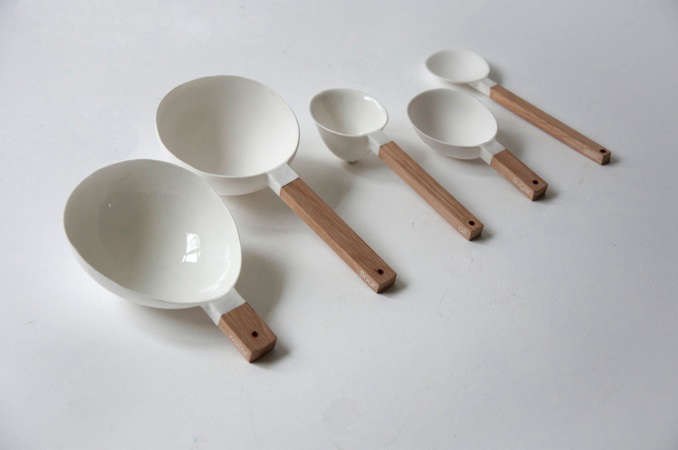

Small homes do not necessarily need less furniture. They need smarter furniturepieces that know when to be useful and when to quietly disappear. That is the basic magic of nesting design: several functional items fit inside, beneath, or against one another, occupying a single compact footprint until duty calls.
Nesting furniture and storage products can make a studio apartment more adaptable, restore order to an overworked kitchen, and provide extra seats when guests arrive with suspiciously perfect timing. Unlike permanent built-ins, most nesting solutions are portable, renter-friendly, and easy to rearrange as your needs change.
The trick is choosing pieces that save usable space instead of merely looking clever in a product photo. The following ten nesting solutions combine practical storage, flexible function, and good design without turning your home into a three-dimensional puzzle.
What Makes a Nesting Solution Worth Buying?
A good nesting product should be easy to deploy, stable when separated, and noticeably smaller when stored. Before buying anything, measure its complete compact footprintnot just the dimensions of the largest component. Handles, feet, hinges, and decorative rims can prevent pieces from fitting as neatly as expected.
Also consider frequency of use. A bowl you reach for every morning should not be trapped beneath six larger bowls. Likewise, an extra table that takes ten minutes and a minor engineering degree to extract will not make your life easier. The best space-saving furniture feels intuitive: pull it out, use it, and put it away without renegotiating the entire room.
1. Nesting Side Tables That Expand on Demand
Nesting side tables are the classic choice for a reason. A set usually includes two or three tables with graduated heights and widths. When nested, they occupy roughly the footprint of the largest table. When separated, they can serve several seats, hold plants, support a laptop, or become temporary nightstands.
Choose the Right Shape and Construction
Round tables improve traffic flow in tight living rooms because there are no sharp corners waiting to introduce themselves to your hip. Rectangular sets fit more efficiently beside sofas and against walls. Tables with open metal frames generally nest more closely than designs with thick aprons or crossed legs.
Look for finished surfaces on every side, since the smaller tables will be visible when separated. Confirm that each piece is stable on its own and that there is enough clearance to slide the tables together without scraping their finishes. Felt pads can prevent an elegant nesting set from sounding like a toolbox rolling down the stairs.
2. A Coffee Table With Nesting Ottomans
A coffee table that shelters two or four ottomans delivers several functions within one footprint. The ottomans can provide guest seating, footrests, or soft surfaces for a tray. When the gathering ends, they tuck beneath the table and reopen the walking path.
Prioritize Comfort, Clearance, and Weight Capacity
Measure the height beneath the tabletop and make sure the ottomans slide in without compressing their upholstery. If they will be used as seats, check the manufacturer’s weight rating and test whether the bases remain steady when someone sits near an edge.
For maximum utility, choose hollow ottomans with removable lids. They can hide throws, games, cables, or the exercise equipment you remain emotionally committed to using someday. A wipe-clean fabric or performance upholstery is especially useful in homes with children, pets, or enthusiastic snackers.
3. Stackable Stools for Flexible Seating
Stackable stools are technically vertical nesters: several seats occupy one patch of floor. They work in kitchens, entryways, craft rooms, balconies, and multipurpose spaces where full-size chairs would create congestion.
Use Stools Beyond the Dining Area
A sturdy stool can double as a plant stand, bedside table, shower-side towel perch, or temporary work surface. Backless designs slide under counters and tables, preserving clear sightlines that can make a small room feel less crowded.
Choose stools with non-slip feet and handholds that make the stack easier to move. Follow the manufacturer’s stacking limit, and do not place a tall stack where children may climb it. Lightweight is convenient; wobbly is not. There is a meaningful difference between “easy to move” and “trying to escape.”
4. A Tuck-Under Dining Set
In a compact dining area, unused chairs may consume more floor space than the table. Tuck-under dining sets solve that problem with stools, benches, or curved chairs shaped to fit almost entirely beneath the tabletop.
Match the Set to Everyday Life
A square table with four nesting stools is efficient for a breakfast nook or apartment kitchen. A rectangular table with two benches can seat more people while leaving the room visually calmer. Families may prefer a bench against a wall and conventional chairs on the accessible side.
Allow enough room for knees, and check whether the seating is comfortable for more than a quick cup of coffee. Backless stools save the most space, but supportive chairs may be a better investment if the table also functions as a desk, homework station, or nightly board-game battlefield.
5. Nesting Work Tables for a Pop-Up Home Office
A permanent desk can feel wasteful when remote work is occasional. Nesting work tables provide a more flexible arrangement. Use the largest surface for a laptop, a smaller table for notes or a printer, and the smallest as a charging station. After work, combine them beside a sofa or store them beneath a console.
Protect Ergonomics While Saving Space
Not every side table is tall enough to be a healthy desk. The primary surface should allow relaxed shoulders and a comfortable elbow angle. If the setup will be used for long sessions, pair it with a supportive chair and raise the screen closer to eye level.
C-shaped tables are particularly helpful because their bases can slide beneath a sofa or chair. Models with locking casters move easily between rooms, while a built-in shelf can hold chargers and office supplies. Cable clips keep cords attached to the table instead of allowing them to migrate into the mysterious ecosystem behind the couch.
6. A Daybed With a Nesting Trundle
A trundle bed places a second sleep surface beneath the first, making it one of the most valuable space-saving solutions for guest rooms, children’s rooms, and studio apartments. During the day, the upper bed can function as a sofa. At night, the lower mattress rolls out for a guest.
Check Mattress and Floor Requirements
Trundles typically require a thinner mattress than standard beds, so verify the maximum mattress height before shopping. A mattress that is too thick may prevent the lower platform from closing. Measure the fully extended bed and leave enough space to walk around it safely.
Casters should roll smoothly on the room’s flooring without drifting once the bed is occupied. If the trundle raises to the height of the main bed, inspect the locking mechanism carefully. For children’s rooms, follow the manufacturer’s age and weight guidance and keep fingers clear of moving frames.
7. Nesting Cookware With Removable Handles
Pots and pans with detachable handles can nest much more efficiently than traditional cookware. A coordinated set may place several saucepans, frying pans, and lids into the footprint normally required by one bulky stockpot.
Protect the Cooking Surfaces
Place felt or silicone protectors between nested pans, especially if they have nonstick coatings. Metal-to-metal contact can scratch finishes and make pans harder to separate. Store removable handles beside the set or in a nearby drawer so cooking dinner does not begin with a handle scavenger hunt.
Confirm that the cookware is compatible with your cooktop and that the handle locks securely. Never overload a detachable handle beyond the manufacturer’s instructions. If the pans will move between the stovetop and oven, review the temperature limits for both the vessels and their lids.
8. Nesting Bowls, Colanders, and Measuring Tools
A well-designed food-preparation set can combine mixing bowls, a colander, a sieve, and measuring cups in one compact stack. This is particularly useful in apartment kitchens where every cabinet shelf has a full-time job and no paid vacation.
Favor Useful Sizes Over Impressive Piece Counts
A twelve-piece set is not a bargain if half the items are too small or awkward to use. Look for bowls with stable bases, comfortable rims, and enough room for whisking. A pouring spout and measurement markings can make one bowl useful for mixing, serving, and storing.
Stainless steel bowls are lightweight and usually nest tightly. Glass is microwave-friendly but heavier, while plastic is easy to handle but may retain odors or stains. Make sure nested pieces are dry before storing them; trapped moisture can create odors and turn an efficient stack into a tiny indoor swamp.
9. Food Containers That Nest Empty and Stack Full
The ideal food-storage system performs two different tricks. Empty containers nest inside one another to conserve cabinet space, while filled containers stack securely in the refrigerator or freezer. Sets with shared lid dimensions are especially convenient because fewer lid shapes mean fewer opportunities for plastic chaos.
Choose a Consistent Container Family
Mixing several unrelated systems often produces a drawer filled with lids that fit nothing currently known to science. Select one or two compatible shapes and replace damaged pieces within the same product family when possible.
Consider leak resistance, temperature ratings, and cleaning requirements in addition to compact storage. Only microwave, freeze, or wash containers in a dishwasher when the manufacturer labels them for that use. Store lids upright in a divider or shallow bin so they remain visible and easy to match.
10. Nesting Baskets and Collapsible Storage Bins
Baskets organize shelves, closets, bathrooms, and entryways, but unused baskets can become clutter themselves. Graduated nesting baskets solve this problem by fitting together when empty. Collapsible fabric bins go one step further by folding nearly flat.
Assign a Clear Purpose to Every Container
Use larger baskets for blankets, shoes, or laundry and smaller ones for toiletries, charging cords, or mail. Labels prevent a tidy row of containers from becoming a collection of attractive mystery boxes. In open shelving, repeating one material or color creates visual consistency and reduces the sense of clutter.
Do not buy bins before measuring the shelf, cabinet, or space beneath the bed. Include handles and lids in your measurements. Tall storage furniture with drawers, doors, or shelves should be anchored according to its instructions, particularly in homes where children visit or live.
Quick Comparison of the 10 Nesting Solutions
| Solution | Compact Form | Expanded Function | Important Buying Check |
|---|---|---|---|
| Nesting side tables | One table footprint | Two or three surfaces | Stable legs and adequate clearance |
| Coffee table and ottomans | Ottomans beneath table | Seating, footrests, and storage | Seat weight rating |
| Stackable stools | Vertical stack | Extra seating or side tables | Manufacturer’s stacking limit |
| Tuck-under dining set | Seats beneath tabletop | Dining and work area | Knee room and comfort |
| Nesting work tables | Layered tables | Temporary workstation | Ergonomic surface height |
| Trundle daybed | Bed beneath bed | Two sleeping spaces | Mattress height and floor clearance |
| Nesting cookware | Pans inside one another | Complete cooking set | Secure handles and pan protectors |
| Prepware set | Tools inside largest bowl | Mixing, draining, and measuring | Useful sizes and stable bases |
| Food containers | Nested empty containers | Stacked leftover storage | Compatible lids and temperature ratings |
| Baskets and bins | Nested or folded storage | Organized household categories | Exact shelf dimensions |
Real-World Experiences: What Nesting Solutions Teach Us
The following examples are realistic composite scenarios illustrating common small-space challenges rather than claims about one specific household.
A Studio That Needed to Change by the Hour
Consider a studio apartment where one room must function as an office, dining area, and living room. Replacing a fixed coffee table with three nesting tables changes the room’s behavior immediately. One table stays beside the sofa, another becomes a laptop station, and the third holds dinner. When the workday ends, the pieces slide together and return several square feet of usable circulation space.
The important discovery is not simply that the tables are small. It is that they support different activities without requiring permanent zones. In a compact home, adaptability often matters more than raw storage capacity.
A Family Kitchen With a Container Problem
Another familiar experience begins with a cabinet full of mismatched food containers. Every container technically fits somewhere, but none fits together. Replacing the collection with two standardized nesting sets can reduce the cabinet volume dramatically. Storing lids vertically makes matching them faster, while limiting the system to rectangular and round shapes prevents the collection from multiplying again.
The lesson is wonderfully unglamorous: consistency saves space. A coordinated set of ordinary containers often outperforms a cabinet full of individually impressive products.
Hosting Without Owning a Dining Hall
In a small apartment, four permanent guest chairs may be difficult to justify. A pair of stackable stools and two ottomans nested beneath a coffee table provide occasional seating without dominating daily life. When friends visit, the room expands. When they leave, the furniture compresses againideally after the friends help carry the snack bowls to the kitchen.
However, the first gathering may reveal that a beautiful stool is uncomfortable after twenty minutes. This is why testing seat height, stability, and comfort matters. Space efficiency should support real life, not merely photograph well.
The Guest Room That Finally Earned Its Keep
A spare bedroom with a permanent queen bed may remain mostly unused. A trundle daybed allows the same room to operate as a reading room, office, or play area while retaining overnight accommodations. The change can make an entire room useful every day rather than a few weekends per year.
The catch is deployment space. If the lower bed collides with a desk or blocks the doorway, the clever design becomes an obstacle course. Marking the expanded footprint on the floor with painter’s tape before buying can prevent that mistake.
The Broader Lesson
Across these experiences, successful nesting products share three qualities: they are quick to use, comfortable in their expanded state, and genuinely compact when stored. They also create a natural reset routine. Tables return beneath tables, stools return to their stack, and bowls return to one cabinet-sized tower.
That routine can make a home feel calmer because every item has an obvious resting place. The goal is not to fit the maximum number of possessions into the minimum amount of space. It is to make the space easier to live in. Nesting solutions work best when they reduce friction, preserve clear walking paths, and allow rooms to change without a wrestling match.
Conclusion
Nesting furniture and storage offer a practical middle ground between minimalism and everyday comfort. You can keep extra seating, work surfaces, cookware, guest beds, and organizers without displaying all of them at once.
Start with the room that feels most crowded, identify which items are only needed occasionally, and replace those pieces with one coordinated nesting system. Measure both the compact and expanded footprints, verify safety and weight limits, and favor durable products that are easy to separate. The smartest space-saving solution is not the one with the most moving parts. It is the one that makes your home work better while quietly staying out of the way.