
Fall is the rare season when your backyard practically decorates itself. The trees change color, the air becomes pleasantly crisp, and every mug suddenly wants to contain cider. Still, a truly inviting fall backyard needs more than a heroic pile of pumpkins. It should feel warm after sunset, comfortable when the breeze picks up, and useful for everything from quiet coffee to football-night gatherings.
The best backyard ideas for fall combine seasonal color, layered texture, practical lighting, flexible seating, and a few weather-smart upgrades. You do not need a major renovation or a designer-sized budget. A rug, several lanterns, hardy plants, and a better furniture arrangement can make an ordinary patio feel like an outdoor room. Current guidance from leading U.S. home and garden publications consistently emphasizes warm lighting, natural materials, multipurpose furniture, container plantings, and cozy textiles as high-impact seasonal updates.
Build the Foundation of Your Fall Backyard Oasis
1. Start With a Ruthless Five-Minute Edit
Remove broken pots, faded summer decorations, empty plant trays, and furniture nobody enjoys sitting in. A cleaner yard instantly feels calmer, and it gives autumn accents room to look intentional rather than stranded in seasonal clutter.
2. Divide the Yard Into Simple Activity Zones
Create one zone for conversation, one for dining, and one for quiet relaxation. In a small yard, a bistro table, two chairs, and a bench can define all three without crowding the space. Furniture placement, rugs, planters, and gravel can create visual boundaries without building walls.
3. Anchor the Seating Area With an Outdoor Rug
A weather-resistant rug makes a patio feel finished and adds insulation underfoot on chilly mornings. Choose rust, olive, camel, charcoal, or a subtle plaid. A complicated pattern may hide leaf crumbs, but it can also make the space look as busy as a pumpkin patch on school-field-trip day.
4. Rearrange Seating Around Conversation
Bring chairs closer together and face them toward a focal point, such as a fire pit, coffee table, garden view, or lantern display. Curved arrangements feel more social than furniture lined up against a fence like nervous middle-school dancers.
5. Add One Double-Duty Piece
Use a storage bench for blankets, a fire pit with a tabletop cover, or nesting stools that serve as seats and side tables. Multipurpose pieces are especially valuable on compact patios because they reduce clutter while keeping the yard ready for surprise guests.
6. Create Privacy Without Closing In the Space
Use tall planters, an outdoor curtain, a decorative screen, a pergola panel, or a row of ornamental grasses. The goal is not to build a backyard fortress. It is to soften views, block some wind, and make the seating area feel protected.
Add Warmth, Light, and Evening Comfort
7. Hang Warm-White String Lights
Run outdoor-rated lights above a table, along a fence, or beneath a pergola. Warm bulbs flatter fall colors and make the backyard usable after earlier sunsets. Hang them securely and keep cords away from wet areas and walking paths.
8. Layer Lanterns at Different Heights
Group one large lantern with two smaller ones near steps, seating, or a garden gate. Battery-powered candles provide atmosphere without requiring constant supervision, and they are less likely to turn a gusty evening into an unplanned emergency.
9. Illuminate Paths and Steps
Low-voltage or solar pathway lights improve visibility while making the yard feel polished. Focus on changes in elevation, narrow walkways, and routes between the back door, dining table, and fire feature. Seasonal outdoor-lighting guides consistently recommend combining decorative glow with practical illumination.
10. Make a Fire Pit the Social Center
A fire pit naturally attracts people and extends the outdoor season. Choose a model suited to the size and surface of your yard, follow the manufacturer’s clearances, check local burn rules, and keep the area free of dry leaves. Never leave an outdoor fire unattended, and supervise children and pets closely.
11. Consider a Patio Heater for Flame-Free Warmth
A listed electric or propane patio heater can warm a dining or conversation zone where a fire pit is impractical. Follow the unit’s clearance and ventilation requirements, place it on a stable surface, and never improvise with an indoor heater outdoors.
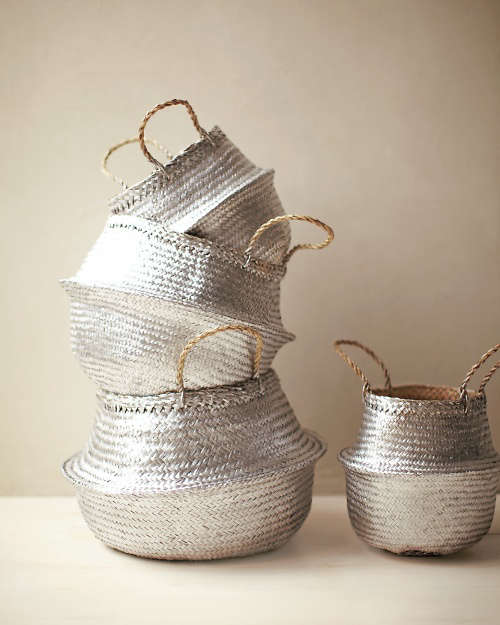
12. Stock a Blanket Basket
Fill a covered basket or storage bench with washable throws. Fleece, wool blends, and outdoor fabrics are practical choices. Roll each blanket so guests can grab one without causing an avalanche of plaid.
13. Add Outdoor Curtains or a Wind Screen
Outdoor curtains soften a pergola and reduce a mild cross-breeze. In exposed yards, a slatted screen or dense container planting may perform better. Secure fabrics so they cannot drift toward heaters, candles, or grills.
14. Warm the Color Palette
Swap bright summer accents for tobacco brown, burgundy, moss, mustard, deep blue, and burnt orange. You do not have to turn every cushion pumpkin-colored. A restrained palette with one or two seasonal shades looks richer and survives the journey from September through Thanksgiving.
Bring in Plants, Texture, and Natural Fall Color
15. Use Mums Where You Need Instant Color
Place mums near doors, seating, and dining areas rather than scattering them randomly. Repeating the same color in several containers creates a more cohesive display than collecting every shade available at the garden center.
16. Mix Ornamental Kale, Grasses, and Pansies
Cool-season containers become more interesting when flowers share space with bold foliage. Combine ornamental kale or cabbage with pansies, sedges, compact grasses, or trailing greenery suited to your climate.
17. Follow the Thriller-Filler-Spiller Formula
Use one tall plant as the thriller, medium plants as fillers, and a trailing plant as the spiller. Grouping planters in varied sizes also creates a stronger focal point than lining up identical pots like traffic cones.
18. Plant for Long-Term Fall Foliage
Where conditions allow, consider shrubs or small trees known for autumn color, such as oakleaf hydrangea, serviceberry, witch hazel, or Japanese maple. Choose species appropriate for your USDA zone, soil, available light, and mature space rather than buying solely because the nursery tag looks dramatic.
19. Create an Edible Fall Container
Plant rosemary, sage, thyme, parsley, baby kale, or cool-season lettuce in pots near the cooking area. An edible container smells good, looks useful, and gives you the thrilling experience of walking six feet for herbs instead of opening the refrigerator.
20. Arrange Pumpkins in Odd-Numbered Groups
Clusters of three, five, or seven pumpkins generally look more natural than a rigid row. Mix sizes and colors, including green, cream, copper, and classic orange. Keep uncarved pumpkins dry and off damp soil to help them last longer.
21. Use Gourds as Small-Scale Accents
Fill a shallow bowl, wire basket, or wooden crate with gourds and miniature pumpkins. Small accents are useful on side tables and steps where full-size pumpkins would become decorative trip hazards.
22. Make a Natural Garland
Use dried leaves, pinecones, seed heads, corn husks, preserved eucalyptus, or locally available branches. Attach the garland to a fence, pergola, shed, or outdoor mantel. Avoid collecting protected plants or spreading invasive species.
23. Build a Backyard Centerpiece From the Landscape
Combine clipped greenery, dried hydrangeas, ornamental grass plumes, apples, and small pumpkins in a sturdy, low vessel. Keep the arrangement below eye level so dinner guests can see one another without leaning sideways like curious flamingos.
24. Add a Simple Water Feature
A clean birdbath, bubbling pot, or compact fountain contributes sound and movement. Maintain fresh water, clean the basin regularly, and manage falling leaves so decaying material does not overwhelm a pond or fountain.
25. Leave Some Habitat for Pollinators
Not every stem needs to be cut to the ground in fall. Hollow stems, seed heads, and limited leaf cover can shelter beneficial insects and provide food for birds. Keep intentional habitat in garden beds while clearing wet, diseased, or hazardous debris from patios and high-traffic areas.
26. Turn Excess Leaves Into Compost
Dry leaves are a valuable carbon-rich “brown” material for home composting. Combine them with suitable nitrogen-rich “greens,” maintain moisture and airflow, and exclude meat, dairy, pet waste, treated wood, diseased plants, and other unsuitable materials.
Create Fall Activities Worth Going Outside For
27. Set Up a Cider and Cocoa Bar
Use an outdoor console or rolling cart for insulated drink dispensers, mugs, cinnamon sticks, marshmallows, and napkins. Keep dairy products and perishable toppings properly chilled, and bring everything indoors after the gathering.
28. Build a Tidy S’mores Station
Place graham crackers, chocolate, marshmallows, roasting tools, and wipes in divided containers. Set the station away from the fire itself so sleeves, wrappers, and enthusiastic elbows stay out of the flame zone.
29. Host an Outdoor Harvest Dinner
Use a washable tablecloth, sturdy dinnerware, low centerpieces, and simple dishes that hold heat well. Chili, baked potatoes, soup, roasted vegetables, and skillet desserts are easier outdoors than a menu requiring seventeen last-minute garnishes.
30. Create a Backyard Movie Night
Hang a portable screen or smooth white fabric, add floor cushions and blankets, and position the projector where cords remain protected. Test the audio before guests arrive; wind and distance can make a perfectly good speaker sound like it is trapped in a cereal box.
31. Make a Game-Day Corner
Arrange seats around a weather-protected television or portable screen only if your outdoor setup safely supports it. Add a side table for snacks, covered bins for blankets, and enough lighting for guests to move around after sunset.
32. Design a Quiet Reading Nook
Place one comfortable chair near a garden view, add a small table, blanket, and reading light, and keep the area separate from the main conversation zone. A backyard oasis should offer at least one place where nobody asks you to move a cooler.
33. Plan a Fall Scavenger Hunt
Give children a list that includes a red leaf, acorn, smooth stone, feather, pinecone, and something that smells like fall. Establish clear boundaries and avoid asking them to touch mushrooms, unknown berries, wildlife, or irritating plants.
34. Make the Yard Comfortable for Pets
Provide clean water, a dry resting mat, and a secure boundary. Check seasonal plants before bringing them into pet areas; several common landscape plants, including autumn crocus, yew, azaleas, rhododendrons, and English ivy, can be toxic to dogs or cats.
35. Add One Memorable Signature Feature
Finish with a detail that feels personal: a copper rain chain, vintage garden bell, sculptural planter, painted shed door, hammock, outdoor art, or tiny fountain. A fall oasis becomes memorable when it reflects the household, not when it looks like a seasonal aisle was gently shaken over the lawn.
Experience Notes: Lessons From a Weekend Fall Backyard Makeover
The most useful lesson from a typical fall backyard makeover is that comfort beats quantity. Imagine a patio that begins with six mismatched chairs, two fading cushions, an unused grill, and enough decorative pots to start a small pottery museum. The first instinct may be to buy more things. The better move is to remove half of what is already there.
Once the clutter is gone, the layout becomes obvious. Four good chairs can form a conversation circle. The grill can move to a safer cooking zone. A narrow bench can become both seating and blanket storage. Suddenly, the patio feels larger without gaining a single square foot. This is why editing and zoning should come before shopping.
Lighting usually creates the biggest emotional change. In daylight, string lights and lanterns may not seem impressive. At dusk, they define the outdoor room, soften hard edges, and make even an inexpensive table look inviting. The practical surprise is that one strand of lights is rarely enough for both atmosphere and safety. Decorative lights belong overhead, while steps and paths need their own illumination.
Another common discovery is that fall weather exposes weak materials. A beautiful indoor throw becomes damp. A lightweight centerpiece blows over. A bargain cushion holds rainwater like a sponge with career ambitions. Outdoor-rated fabrics, weighted planters, lidded storage, and washable accessories may cost slightly more, but they prevent the yard from turning into a daily rescue operation.
Plants also teach restraint. A dozen unrelated containers can look chaotic, while three grouped pots with repeated colors appear designed. One tall grass, two flowering plants, and trailing greenery provide more visual structure than a crowded pot of everything the garden center had left. Pumpkins work the same way: varied sizes and a controlled palette feel abundant without becoming a produce department.
The fire feature often becomes the centerpiece, but it also changes traffic flow. Chairs need comfortable spacing, blankets must stay clear of flames, and dry leaves should be removed repeatedly. A bucket of water, hose, extinguisher, or other appropriate extinguishing method should be accessible according to the appliance instructions and local guidance. Cozy should never require pretending safety rules are merely suggestions.
The final lesson is that a fall backyard improves through use. After the first dinner, you may discover the drink cart blocks the door. After movie night, you may move the screen to reduce glare. After a cold morning coffee, you may add a footstool and thicker cushion. These adjustments are not design failures; they are how an attractive setup becomes genuinely comfortable.
A successful fall oasis is therefore less like a finished photograph and more like a favorite living room. It evolves. It collects better blankets, sturdier mugs, and stories from cool evenings. The pumpkins eventually soften, the leaves keep falling, and somebody always eats the emergency chocolate intended for s’mores. Yet the space continues to work because its foundation is simple: safe warmth, flexible seating, useful light, seasonal plants, and reasons to gather.
Conclusion
You do not need all 35 ideas to make your backyard feel special. Choose the upgrades that solve real problems first: better lighting for dark paths, warmer seating for cool nights, storage for textiles, and plants suited to your climate. Then add personality with pumpkins, natural centerpieces, a beverage station, or one memorable feature. The best backyard ideas for fall are not simply decorative; they extend the season and make outdoor time easier to enjoy.
Note: Treat this list as a menu rather than a mandate. Follow local fire and building rules, manufacturer instructions, weather advisories, and regional planting guidance before installing heaters, fire features, electrical lighting, structures, or new plants.