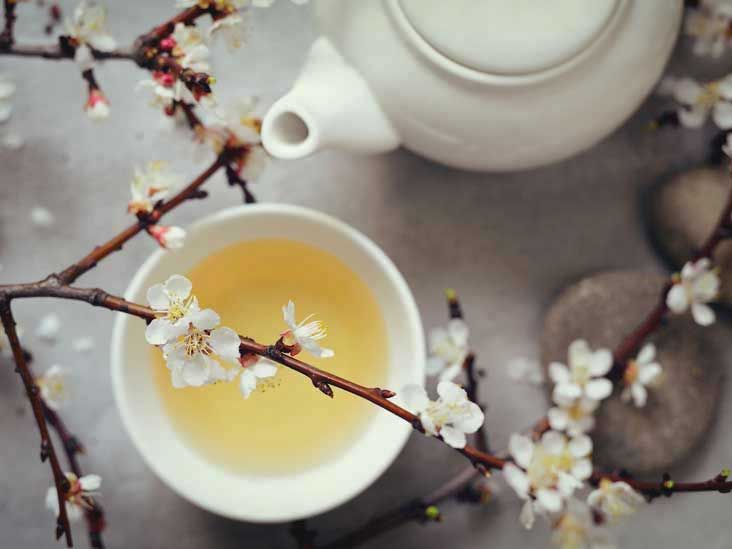

White tea is the soft-spoken cousin at the tea party: quiet, elegant, lightly sweet, and somehow more impressive the longer you pay attention. Made from the young buds and leaves of the Camellia sinensis plant, white tea is usually the least processed of the traditional teas. That gentle handling helps preserve many of its natural plant compounds, including polyphenols, catechins, flavonoids, tannins, and a small but noticeable amount of caffeine.
Unlike black tea, which is fully oxidized, or green tea, which has a grassy personality that occasionally enters the room wearing tap shoes, white tea is mild, delicate, and often floral. But do not confuse “delicate” with “weak.” White tea may support heart health, oral health, skin wellness, metabolism, hydration, and overall antioxidant intake. It is not a magic potion, and it will not do your taxes, but it can be a smart daily habit when paired with a balanced diet, sleep, movement, and common sense.
Below are 10 impressive benefits of white tea, explained in plain English with practical examples, brewing tips, and a realistic look at what this pale little cup can and cannot do.
What Is White Tea?
White tea comes from the same plant as green, oolong, and black tea. The difference is in how the leaves are harvested and processed. White tea is typically made from young leaf buds and tender leaves that are picked early, then withered and dried with minimal oxidation. Because it is handled lightly, it often keeps a fresh, subtle flavor and a high level of naturally occurring antioxidants.
Popular types include Silver Needle, White Peony, Shou Mei, and Gong Mei. Silver Needle is usually the most delicate and prized, made mostly from unopened buds. White Peony includes both buds and leaves, giving it a slightly fuller body. Think of Silver Needle as classical piano and White Peony as acoustic guitar: both relaxing, but one has a little more strum.
10 Impressive Benefits of White Tea
1. White Tea Is Rich in Antioxidants
One of the biggest white tea benefits is its antioxidant content. White tea contains polyphenols, especially catechins, which help protect cells from oxidative stress. Oxidative stress happens when free radicals build up in the body and overwhelm its natural defense systems. Over time, that imbalance is linked with aging, inflammation, and several chronic health concerns.
White tea’s light processing may help preserve these plant compounds. That is why many people choose white tea as a gentle antioxidant drink, especially if they want something lighter than coffee or black tea. A cup of unsweetened white tea provides flavor and plant-based compounds without adding sugar, cream, or a dessert disguised as a beverage.
For example, swapping an afternoon soda for white tea can reduce added sugar while still giving you a satisfying ritual. Your taste buds get something interesting, and your body gets a drink that is naturally low in calories. That is what we call a polite upgrade.
2. It May Support Heart Health
White tea may support cardiovascular wellness because of its polyphenols. Tea compounds have been studied for their potential role in blood vessel function, cholesterol balance, and inflammation. While most research focuses on green and black tea, white tea shares many similar plant compounds because it comes from the same tea plant.
Heart health is not built from one heroic cup of tea. It comes from consistent habits: eating more whole foods, moving regularly, sleeping enough, limiting excess sodium, managing stress, and not treating vegetables like decorative garnish. White tea can fit nicely into that bigger picture.
A practical example: if you enjoy a cup of white tea after lunch instead of a sugary bottled drink, you support hydration and reduce added sugar intake. Over weeks and months, small choices like that can matter. White tea is not a replacement for medication or medical care, but it can be part of a heart-friendly lifestyle.
3. White Tea May Help Protect Teeth
White tea contains fluoride, tannins, and catechins, all of which may contribute to oral health. Fluoride supports tooth enamel, while catechins and tannins may help reduce the growth of certain bacteria involved in plaque formation. That does not mean white tea replaces brushing, flossing, or dental visits. Sadly, no beverage has yet replaced floss. We continue to wait.
Compared with dark drinks like coffee or black tea, white tea is also lighter in color, so some people find it less likely to stain teeth. However, staining can still happen depending on brewing strength, frequency, and personal enamel characteristics.
To make white tea more tooth-friendly, drink it unsweetened. Adding sugar or honey throughout the day can feed oral bacteria and reduce the benefit. If you like sweetness, try pairing white tea with naturally sweet foods such as berries, apple slices, or a small piece of dark chocolate rather than turning the tea itself into syrup in a mug.
4. It Can Be a Gentle Source of Caffeine
White tea usually contains caffeine, but the amount varies widely depending on the tea type, leaf grade, water temperature, steeping time, and how much tea you use. In general, white tea is often gentler than coffee, making it a good option for people who want alertness without feeling like their nervous system just joined a marching band.
Caffeine can improve focus and reduce temporary fatigue, but too much may cause jitters, sleep disruption, headaches, or a racing heartbeat in sensitive people. White tea gives many drinkers a calmer experience, especially when brewed lightly.
For a lower-caffeine cup, steep white tea at a moderate temperature for a shorter time. For a stronger cup, use more leaves or steep longer. If you are pregnant, sensitive to caffeine, taking certain medications, or managing anxiety or insomnia, ask a healthcare professional how much caffeine is appropriate for you.
5. White Tea May Support Healthy Skin
White tea is often discussed in skincare circles because of its antioxidant profile. Antioxidants help defend against oxidative stress, one of the factors involved in visible skin aging. Some research on tea compounds suggests they may help protect collagen and elastin, the proteins that keep skin looking firm and resilient.
Drinking white tea will not erase wrinkles overnight. If it did, it would cost $900 per cup and come in a tiny gold bottle. But as part of a diet rich in fruits, vegetables, healthy fats, and plenty of water, white tea may support the body’s natural defenses.
For skin wellness, think of white tea as one piece of the puzzle. Sunscreen, sleep, protein, vitamin C-rich foods, and not smoking are much bigger players. Still, replacing a sugary latte with white tea a few times a week can be a simple way to reduce sugar intake while adding plant compounds that support overall wellness.
6. It May Help With Weight Management Habits
White tea is naturally low in calories when served plain, making it useful for weight management. Some laboratory studies suggest white tea compounds may influence fat cell formation and fat breakdown, though human research is still limited. The most reliable benefit is practical: white tea can replace higher-calorie beverages.
For example, a sweetened coffee drink can easily contain hundreds of calories. A cup of unsweetened white tea contains almost none. If that swap helps you reduce excess calories without feeling deprived, it can support long-term weight goals.
White tea may also help with mindful snacking. Many people reach for snacks in the afternoon because they want a break, not because they are truly hungry. Brewing a cup of white tea creates a pause. You boil water, steep the leaves, smell the aroma, and take a few minutes to reset. Sometimes the snack monster simply needed a hobby.
7. White Tea May Support Blood Sugar Balance
Tea polyphenols, including catechins, are being studied for their potential effects on insulin sensitivity and glucose metabolism. White tea may offer similar support because it contains related compounds, although more human research specifically on white tea is needed.
The most important blood sugar benefit may come from what white tea does not contain: added sugar. Drinking unsweetened white tea instead of sweet tea, soda, flavored coffee, or juice can reduce spikes in sugar intake. That makes it a smart choice for people trying to manage energy levels, appetite, or metabolic health.
If you have diabetes, prediabetes, or take medication that affects blood sugar, white tea should not be used as a treatment by itself. It can be a helpful beverage choice, but your eating pattern, medication plan, exercise, and healthcare guidance matter most.
8. It May Support Brain Health and Calm Focus
White tea contains caffeine and the amino acid L-theanine, a combination found in traditional tea. Caffeine can promote alertness, while L-theanine is associated with a calmer, more relaxed state of attention. This is one reason many tea drinkers describe tea energy as smoother than coffee energy.
That makes white tea a nice choice for reading, writing, studying, or starting the day gently. Instead of launching your brain into orbit, white tea may help you ease into focus. It is the beverage equivalent of opening the curtains slowly rather than setting off fireworks in the kitchen.
To use white tea for focus, try it mid-morning or early afternoon. Avoid drinking caffeinated tea too late in the day if it affects your sleep. Even gentle caffeine can become less charming at 2 a.m. when you are staring at the ceiling reconsidering every email you have ever sent.
9. White Tea Supports Hydration
White tea is mostly water, so it contributes to daily fluid intake. Although it contains caffeine, moderate tea consumption can still be hydrating for most people. Because white tea has a mild flavor, it is especially useful for people who find plain water boring but do not want sugary drinks.
Hydration supports digestion, temperature regulation, circulation, energy, and healthy skin function. Drinking white tea throughout the day can make hydration feel more enjoyable. Cold-brew white tea is also excellent in warm weather. Add lemon slices, mint, cucumber, or a few berries for flavor without turning it into a sugar festival.
To make cold-brew white tea, add loose leaves or tea bags to cold water and refrigerate for 6 to 8 hours. The result is smooth, light, and less bitter than many hot-brewed teas. It also looks fancy in a glass pitcher, which is useful if you enjoy pretending your fridge has its life together.
10. It Is Easy to Add to a Healthy Routine
One underrated benefit of white tea is how easy it is to include in daily life. It does not require a blender, a subscription, a special password, or a wellness influencer yelling “reset your mitochondria.” You only need tea, water, and a few quiet minutes.
White tea works well in the morning, after meals, during work breaks, or as a calming evening ritual if caffeine does not bother your sleep. It pairs beautifully with fruit, nuts, oatmeal, light salads, rice dishes, seafood, and simple desserts. Its delicate taste makes it versatile without overpowering food.
For best flavor, brew white tea with water that is hot but not boiling, usually around 160°F to 185°F. Steep for 2 to 5 minutes depending on the tea and your taste. Boiling water can make delicate white tea taste bitter or flat. Treat it gently. White tea is basically a houseplant with better manners.
How to Choose the Best White Tea
Look for loose-leaf white tea when possible, because whole leaves and buds often deliver better flavor than dusty tea bags. Check for freshness, origin, aroma, and appearance. Good white tea should smell clean, floral, lightly sweet, or slightly grassy. If it smells stale, musty, or like the back of a forgotten cabinet, politely let it retire.
Silver Needle is a premium choice for a soft, sweet, delicate cup. White Peony is more affordable and fuller-bodied. Tea bags are convenient and perfectly fine for daily use, but avoid heavily sweetened bottled white tea if your goal is health. Many bottled teas contain added sugar that can cancel out the wellness advantage.
Possible Side Effects and Who Should Be Careful
White tea is safe for most adults in moderate amounts, but it still contains caffeine. Too much caffeine may cause nervousness, sleep problems, digestive discomfort, or headaches. People who are pregnant, breastfeeding, highly caffeine-sensitive, taking stimulant medications, or managing certain heart conditions should pay attention to total caffeine intake from all sources.
Tea also contains tannins, which may reduce iron absorption from plant-based foods when consumed with meals. If you have low iron or follow a vegetarian or vegan diet, consider drinking white tea between meals instead of with iron-rich foods. Adding vitamin C-rich foods, such as citrus or bell peppers, can also support iron absorption.
Note: White tea can support a healthy lifestyle, but it is not a cure, treatment, or replacement for professional medical advice. Use it as a smart beverage choice, not as a tiny porcelain doctor.
Personal Experiences and Everyday Ways to Enjoy White Tea
White tea tends to win people over slowly. Coffee makes a dramatic entrance. Matcha arrives with a whisk and a reputation. White tea simply sits there, pale and graceful, waiting for you to notice that your afternoon feels calmer. Many people first try white tea because they want something lighter than coffee or less grassy than green tea. The surprise is how satisfying it can be once your palate adjusts.
One common experience is using white tea as a mid-afternoon reset. Around 2 or 3 p.m., when energy drops and the snack drawer starts whispering your name, brewing white tea can create a useful pause. The light caffeine offers a gentle lift, while the ritual gives your brain a break from screens, meetings, or the emotional drama of an overflowing inbox. It is not a productivity miracle, but it can help you return to work feeling less scattered.
Another enjoyable way to use white tea is as a replacement for sugary drinks. People who are trying to cut back on soda, sweet tea, or flavored coffee often struggle because plain water feels too plain. White tea solves that problem with subtle flavor. Cold-brew it overnight with peach slices or mint, and you get a refreshing drink that feels special without relying on added sugar. It is the kind of upgrade that does not feel like punishment, which is important because nobody sticks with habits that taste like regret.
White tea can also become part of a calming morning routine. Instead of reaching for strong coffee immediately, some people start with white tea while journaling, stretching, reading, or planning the day. The mild flavor pairs well with quiet activities. It also gives the body a gentler caffeine introduction, which may be helpful for people who feel jittery after coffee. Of course, caffeine sensitivity varies, so the best approach is to test your own response.
For food pairings, white tea shines with simple meals. Try it with oatmeal topped with berries, Greek yogurt and almonds, poached eggs, light sandwiches, steamed fish, jasmine rice, or fruit-based desserts. Because the flavor is delicate, it does not fight with food. It is especially nice with mildly sweet dishes, where its floral notes can make the meal feel a little more polished. Suddenly breakfast becomes “a tasting experience,” even if you are eating it while standing near the sink.
People who enjoy skincare and wellness routines often like white tea because it feels clean and refreshing. Drinking it while applying sunscreen, preparing lunch, or winding down after a walk can reinforce other healthy behaviors. That is one of the quiet powers of tea: it attaches itself to routines. A cup becomes a cue. It says, “Slow down, breathe, choose well.” Not bad for leaves in hot water.
The best experience comes from brewing it correctly. Use water that is hot but not boiling, and avoid oversteeping. If your first cup tastes bitter, the tea may not be the problem; the brewing method may be acting like a villain. Start with 2 to 3 minutes, then adjust. Once you find the timing you like, white tea becomes easy, elegant, and surprisingly dependable.
In daily life, the real benefit of white tea may be its ability to make healthy choices feel pleasant. It supports hydration, offers antioxidants, replaces sugary drinks, and creates small moments of calm. That combination is not flashy, but it is powerful. Health is often built from ordinary habits repeated often. White tea is one of those habits: simple, soothing, and quietly impressive.
Conclusion
White tea may look pale in the cup, but it brings plenty to the table. Its antioxidants, catechins, gentle caffeine, and naturally low-calorie profile make it a smart addition to a balanced lifestyle. The most impressive benefits of white tea include support for antioxidant intake, heart health, oral wellness, skin health, hydration, focus, blood sugar-friendly beverage habits, and weight management routines.
The key is to keep expectations realistic. White tea is not medicine, and it will not single-handedly transform your health. But when enjoyed unsweetened and brewed properly, it is a refreshing, elegant, and practical drink that can replace less healthy beverages and add a little calm to the day. In a world full of loud wellness trends, white tea proves that sometimes the quietest cup is the one worth listening to.