A colonoscopy is finally over, the bowel prep is behind you, and your stomach may be demanding a meal large enough to require its own serving cart. Before celebrating with a double cheeseburger, hot wings, and a milkshake, however, give your digestive system a gentle return to normal.
Most people can begin eating soon after a routine colonoscopy and return to their usual diet within about 24 hours. Still, nausea, bloating, gas, dehydration, and mild abdominal discomfort are common immediately afterward. Starting with fluids and easy-to-digest foods can make recovery considerably more comfortable. Your individual instructions always come first, particularly if your doctor removed several polyps, treated bleeding, performed a complex procedure, or recommended a temporary dietary restriction.
Why Your Digestive System May Need a Gentle Restart
A colonoscopy itself does not usually require a long-term special diet. The temporary discomfort afterward is more often related to the preparation, sedation, and air or carbon dioxide introduced into the colon during the examination.
The bowel preparation empties the intestines through repeated bowel movements. Although this is necessary for a clear examination, it can leave you hungry and mildly dehydrated. Sedation may also cause grogginess or nausea, while the gas used to expand the colon can produce bloating, pressure, cramping, and an impressive amount of flatulence. In this situation, a giant meal is not dangerous for most healthy adults, but it may be deeply regrettable.
Walking gently can help trapped gas move through the digestive tract. Most people return to their usual activity level by the next day, although recovery may take longer after polyp removal, biopsies, or deeper sedation.
What to Eat Immediately After a Colonoscopy
Once the recovery team says you may drink and eat, begin with a modest amount. Take a few sips of fluid, wait to see how you feel, and then add a small snack or light meal. You do not have to survive on gelatin for three days, but your first meal should ideally be less ambitious than Thanksgiving dinner.
1. Water and Other Hydrating Drinks
Rehydration is the first priority. The laxative preparation removes fluid, and many people have consumed less than usual before the procedure. Drink slowly rather than chugging a large bottle at once, especially if you feel nauseated.
Good post-colonoscopy drink options include:
- Plain water
- Oral rehydration solutions
- Electrolyte drinks
- Coconut water, if it agrees with your stomach
- Clear broth
- Diluted apple or white grape juice
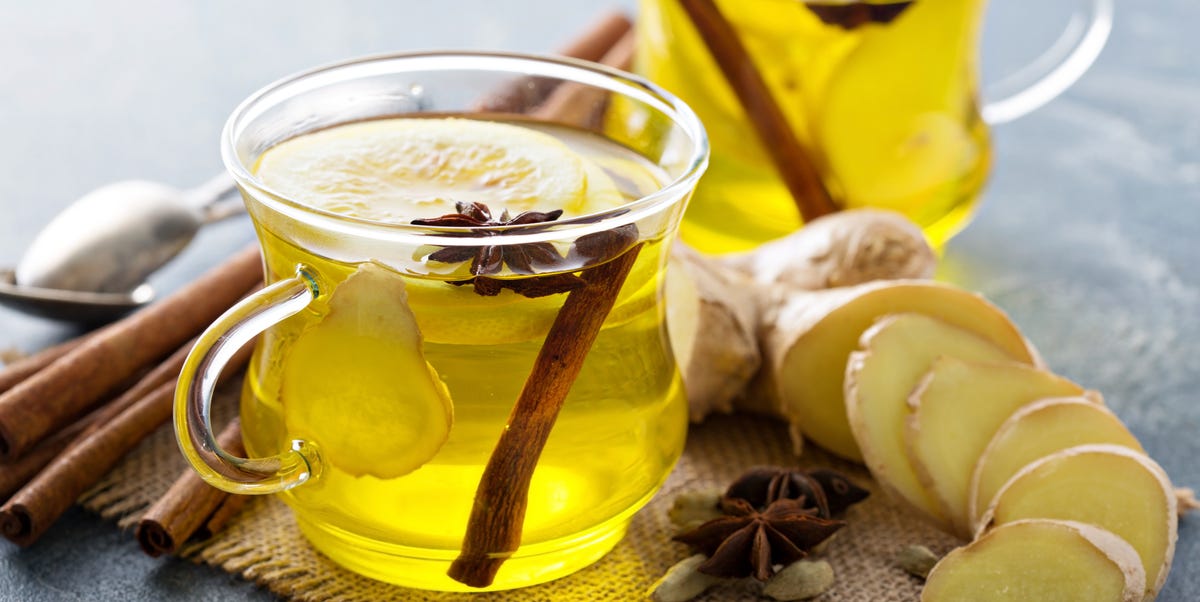
- Herbal tea without heavy cream
People with diabetes, kidney disease, heart failure, or conditions requiring fluid, sugar, sodium, or potassium restrictions should follow their clinician’s recommendations rather than automatically reaching for a sports drink.
2. Clear Broth and Light Soup
Chicken broth, vegetable broth, and mild noodle soup provide fluid, sodium, warmth, and a small amount of energy without asking the digestive system to perform acrobatics. Choose a soup that is not greasy, extremely spicy, or loaded with beans, cabbage, sausage, and heavy cream.
As your appetite returns, try chicken-and-rice soup, turkey noodle soup, miso soup with soft tofu, or a smooth vegetable soup. A modest serving is enough for the first round; seconds can wait until your stomach votes yes.
3. Applesauce and Soft Fruit
Unsweetened applesauce is soft, low in fat, and easy to eat when you are not ready for a full meal. Ripe bananas, canned peaches packed in juice, soft pears, and seedless melon are other practical choices.
Avoid starting with a mountain of raw fruit, dried fruit, pineapple cores, or berries full of tiny seeds if your abdomen already feels sensitive. These foods are nutritious, but immediately after the procedure may not be their moment in the spotlight.
4. White Toast, Crackers, Rice, and Plain Pasta
Low-fiber carbohydrates are often well tolerated during the first several hours. Options include:
- White toast or an English muffin
- Plain crackers or pretzels
- White rice
- Plain noodles
- Mashed or baked potatoes without the skin
- Low-fiber cereal
Add a little butter, broth, or mild sauce if desired, but avoid turning the meal into an oil-slicked festival of cheese and hot sauce.
5. Eggs and Lean Protein
Scrambled eggs, poached eggs, baked fish, tender chicken, turkey, and tofu can help restore energy without being excessively fatty. Keep the preparation simple. Grilled chicken is generally a gentler choice than fried chicken covered in peppery gravy.
Protein is especially useful if the bowel-preparation diet left you feeling weak or unsatisfied. Start with a small portion and chew thoroughly.
6. Yogurt and Other Mild Dairy Foods
Plain or lightly sweetened yogurt can provide protein and is easy to swallow. Cottage cheese and a small amount of milk may also be tolerated. However, bowel preparation can temporarily make some people more sensitive to lactose. Skip dairy for the moment if it usually causes gas, diarrhea, or cramping.
7. Cooked Vegetables
Soft, well-cooked vegetables can be added as your stomach settles. Carrots, peeled zucchini, green beans, squash, and skinless potatoes are usually easier to manage than raw vegetables.
Fiber is an important part of a healthy long-term diet, but you do not need to make up for the previous day’s restrictions by eating an entire salad bar immediately after leaving the endoscopy center.
A Simple Post-Colonoscopy Meal Plan
The following example works for many adults after an uncomplicated procedure, but it should be adjusted for allergies, medical conditions, personal tolerance, and your doctor’s instructions.
First Hour at Home
- Water or an electrolyte drink in small, frequent sips
- A few crackers, applesauce, or half a banana if you are hungry
First Light Meal
- Chicken broth with white rice or noodles
- Scrambled eggs with white toast
- Plain yogurt with a ripe banana
- Mashed potatoes with baked fish
Evening Meal
- Roasted chicken, white rice, and cooked carrots
- Turkey sandwich on white bread with a mild soup
- Plain pasta with a small amount of marinara and lean protein
- Tofu, rice, and soft cooked zucchini
The Next Day
If you feel well and your doctor gave no special restrictions, gradually resume your normal balanced diet. Most people can eat normally within 24 hours. Those who had multiple or large polyps removed may receive more conservative instructions for several days.
Foods to Avoid After a Colonoscopy
No single food is forbidden for everyone after a routine colonoscopy. The purpose of temporarily avoiding certain foods is to reduce nausea, diarrhea, bloating, cramping, and irritation while your digestive system resets.
Greasy and Fried Foods
French fries, fried chicken, bacon, sausage, pizza, rich burgers, and heavily buttered foods digest slowly and may worsen nausea. Your first meal after fasting can feel surprisingly powerful, so begin with less fat and add richer foods once you know your stomach is behaving.
Very Spicy Foods
Hot peppers, extra-spicy curry, fiery salsa, chili oil, and heavily seasoned wings may irritate a sensitive digestive tract. Spicy food does not damage a normal colonoscopy site by itself, but it may contribute to heartburn, abdominal discomfort, or diarrhea in susceptible people.
Large Amounts of Raw, High-Fiber Food
Raw kale, cabbage, broccoli, beans, lentils, bran cereal, popcorn, nuts, seeds, and large salads may generate gas or cramping when eaten in substantial amounts immediately after the procedure.
This is a short-term recommendation, not an argument against fiber. Once you feel normal, gradually return to fruits, vegetables, legumes, and whole grains unless your medical team has prescribed a low-fiber diet. A fiber-rich eating pattern is generally beneficial for bowel health.
Carbonated Drinks
Soda, sparkling water, and other fizzy beverages add more gas to a digestive system that may already feel inflated. Carbonation can intensify belching, pressure, and bloating. Save the bubbles until the bubbles already inside you have made their exit.
Alcohol
Do not drink alcohol on the day of a sedated colonoscopy. Alcohol may interact with lingering sedative effects, worsen dehydration, impair judgment, and increase bleeding concerns after polyp removal. Veterans Affairs guidance also advises avoiding alcohol for the rest of the day after sedation.
Excessive Caffeine
A small cup of coffee may be acceptable for some people after they are fully awake and drinking normally. However, several strong coffees or energy drinks may worsen dehydration, stomach irritation, shakiness, or diarrhea. Rehydrate first, then invite caffeine back into your life politely.
Heavy Desserts and Large Amounts of Sugar
Rich cakes, ice cream sundaes, pastries, and large quantities of candy may cause nausea or loose stools, particularly after a long fast. A small treat is different from treating the post-procedure drive home like a competitive dessert event.
Foods You Know Trigger Symptoms
If dairy, gluten, onions, garlic, artificial sweeteners, or high-FODMAP foods commonly trigger your digestive symptoms, the hours after a colonoscopy are not ideal for testing whether your body has changed its mind.
What If Polyps Were Removed?
Many colon polyps can be removed during the colonoscopy. A biopsy or small polyp removal may not change your diet at all. However, after the removal of a large polyp, several polyps, or a complicated lesion, your gastroenterologist may recommend liquids, soft foods, or low-residue meals for a specific period.
Do not replace those instructions with a generic online diet. Also review your medication directions carefully, particularly instructions involving aspirin, anti-inflammatory drugs, anticoagulants, or antiplatelet medicines. Never stop or restart a prescribed blood thinner solely because an article said so.
A few drops of rectal blood may occur after a biopsy, and bowel movements can remain irregular for several days. Memorial Sloan Kettering notes that minor bleeding after a biopsy should be limited and short-lived, while changes in bowel habits may continue for up to a week.
How Much Should You Eat?
Begin with approximately half of your usual portion. Eat slowly, then wait 20 to 30 minutes before deciding whether you need more. Sedation can blur normal hunger and fullness signals, and eating quickly after fasting may lead to nausea.
Small meals and snacks often work better than one huge meal:
- Toast and an egg
- A cup of soup
- Yogurt and banana
- Rice with a small portion of chicken
- Applesauce and crackers
If these sit comfortably, expand the next meal. Recovery is not a contest, and no trophy is awarded for eating a burrito the size of a pillow four minutes after arriving home.
When to Contact a Doctor
Mild gas, temporary bloating, small changes in bowel habits, and minor discomfort can occur after a colonoscopy. Severe or worsening symptoms are different.
Seek prompt medical care for:
- Severe or increasing abdominal pain
- A hard, significantly swollen abdomen
- Fever or chills
- Repeated vomiting or inability to keep fluids down
- Heavy rectal bleeding, clots, or bleeding that does not stop
- Bloody bowel movements that are not improving
- Dizziness, fainting, unusual weakness, or breathing problems
Although serious complications are uncommon, bleeding can occasionally be delayed after polyp removal. NIDDK advises seeking care immediately for severe abdominal pain, fever, persistent bleeding, dizziness, or weakness.
Practical Recovery Experiences: What the First 24 Hours May Be Like
Post-colonoscopy recovery varies considerably, but a few common scenarios can help you plan. The following are composite examples rather than accounts from specific patients.
The “I Could Eat the Refrigerator” Experience
Some people leave the procedure feeling alert, comfortable, and spectacularly hungry. After consuming little or no solid food during preparation, the temptation is to order the biggest meal available. A more comfortable strategy is to drink water first and begin with soup, toast, eggs, rice, or another familiar food.
In a typical scenario, a person eats a small bowl of chicken noodle soup and waits half an hour. Because nausea and cramping do not appear, they add half a turkey sandwich. By dinner, they can tolerate a normal but not overly rich meal. The lesson is not that soup possesses magical healing powers. It is that gradually increasing the meal provides useful feedback before the digestive system is overloaded.
The Bloated but Hungry Experience
Another person may be hungry but feel as though a small weather balloon has been installed in the abdomen. The colon is often expanded during the procedure so the doctor can inspect its lining, and some residual gas may remain afterward.
In this situation, broth, tea, applesauce, white rice, and a short walk around the house may feel better than a large plate of raw vegetables. Carbonated drinks can make the pressure more noticeable. Passing gas is expected and useful, even if it temporarily destroys the dignity of the recovery room.
The Nauseated After Sedation Experience
Some people wake up with little interest in food. They may tolerate only ice chips, water, or an electrolyte drink at first. Trying to force a full meal can trigger vomiting, so slow sipping is more sensible.
Once the nausea improves, crackers, toast, banana, or applesauce can provide a bridge to a more complete meal. Persistent vomiting, severe pain, or an inability to keep fluids down should be reported to the medical team.
The Irregular Bowel Movement Experience
After the bowel has been emptied, it may take time for stool patterns to return to normal. Some people do not have a bowel movement for a day or two, while others experience loose or irregular stools. This does not necessarily mean the first recovery meal was wrong.
Hydration, normal movement, and a gradual return to the person’s usual diet generally help. After the first day, fiber can be reintroduced through oatmeal, fruit, cooked vegetables, whole grains, and eventually beans or raw produce as tolerated. However, anyone given a temporary low-fiber plan after polyp removal should follow that plan instead.
The “I Feel Completely Normal” Experience
A person who feels normal may be able to resume regular eating quickly. Even then, sedation precautions still apply. Feeling awake does not guarantee that judgment, coordination, and reflexes have fully recovered. Avoid alcohol, driving, machinery, important financial decisions, and legally binding paperwork for the period specified in the discharge instructions.
The most useful recovery lesson is simple: listen to the medical team first and your stomach second. Begin with fluids, choose a modest meal, and progress according to comfort. A routine colonoscopy generally does not require days of dietary punishment. It requires a little patience, a little hydration, and perhaps the temporary wisdom not to celebrate with extra-hot chili and sparkling soda.
Frequently Asked Questions
Can I eat normally after a colonoscopy?
Many people can resume eating soon after the procedure and return to their normal diet by the following day. Start more cautiously if you have nausea, bloating, or special instructions after polyp removal.
Can I drink coffee after a colonoscopy?
A modest amount may be acceptable once you are awake, tolerating fluids, and not under a specific restriction. Water or an electrolyte drink should come first. Avoid excessive caffeine if you feel dehydrated, nauseated, or prone to diarrhea.
Can I eat pizza after a colonoscopy?
You probably can after an uncomplicated procedure, but a greasy, cheese-heavy pizza may worsen nausea or bloating. A lighter meal is usually more comfortable initially. Pizza will still exist tomorrow.
Should I take probiotics after a colonoscopy?
Probiotic supplements are not routinely necessary solely because you had a colonoscopy. Yogurt or other fermented foods may be included if you tolerate them. Ask your clinician before starting supplements if you are immunocompromised or have significant medical conditions.
How long should I avoid alcohol?
Avoid alcohol for at least the rest of the day after sedation and for any longer period stated in your discharge instructions. Additional restrictions may apply after polyp removal or when taking certain medications.
Conclusion
The best foods to eat after a colonoscopy are usually hydrating, mild, and easy to digest. Water, electrolyte drinks, broth, toast, rice, eggs, bananas, applesauce, yogurt, lean protein, and cooked vegetables can help you move comfortably from an empty colon back to normal eating.
For the first several hours, limit greasy meals, spicy dishes, alcohol, excessive caffeine, carbonation, and large portions of high-fiber food. Most people can resume their regular diet within a day, but individual instructions matter more than any general food listespecially after extensive polyp removal or a therapeutic procedure.
Note: Seek medical care for severe abdominal pain, fever, persistent vomiting, heavy bleeding, dizziness, weakness, or other symptoms identified as urgent in your discharge paperwork.