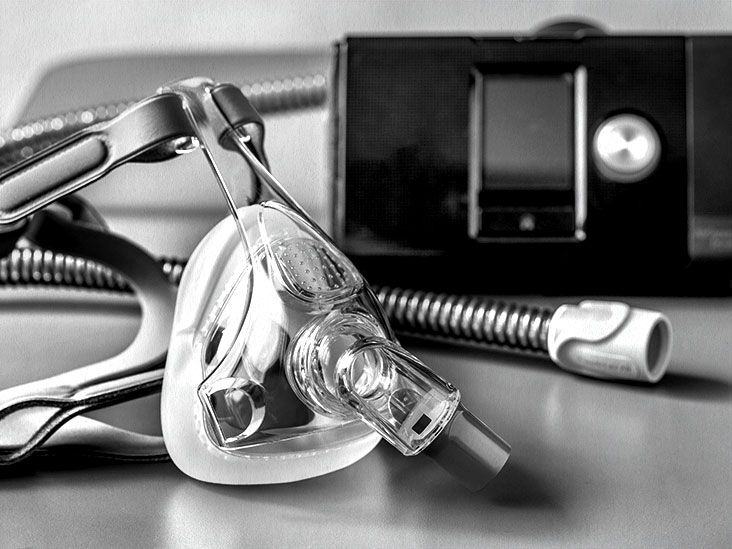

A continuous positive airway pressure machine may look like a small bedside appliance connected to a mask by a flexible hose. Its job, however, is far more important than its modest appearance suggests. A CPAP machine helps prevent the repeated airway collapse that occurs in obstructive sleep apnea, allowing a person to breathe more consistently throughout the night.
CPAP does not breathe for you, supply extra oxygen by default, or inflate your lungs like a balloon at a birthday party. Instead, it produces a carefully prescribed stream of pressurized room air. That gentle pressure acts like an invisible support brace inside the upper airway, helping keep soft tissues from blocking airflow during sleep.
For many people with obstructive sleep apnea, effective CPAP therapy reduces snoring, nighttime choking, breathing interruptions, morning headaches, and daytime sleepiness. The equipment can take time to get used to, but mask adjustments, humidification, gradual practice, and clinical support solve many of the problems that make new users consider throwing the machine into a closet.
Core definitions and treatment principles:
What is a CPAP machine?
CPAP stands for continuous positive airway pressure. The machine draws in air from the room, filters it, pressurizes it, and sends it through a hose to a mask worn over the nose, mouth, or both. The pressure remains available throughout the breathing cycle so the airway is less likely to narrow or collapse.
CPAP therapy is most commonly prescribed for obstructive sleep apnea, or OSA. In OSA, muscles and soft tissues around the throat relax during sleep. For some people, those tissues repeatedly narrow or block the airway. Breathing may become shallow or stop temporarily, oxygen levels may fall, and the brain may briefly wake the body to reopen the airway.
These arousals are often so short that the sleeper does not remember them. Nevertheless, experiencing them dozens of times an hour can turn eight hours in bed into something resembling a night spent answering invisible doorbells.
How does a CPAP machine work?
The easiest way to understand CPAP is to think of the air pressure as a pneumatic splint. A physical splint holds an injured body part in position. CPAP pressure helps hold the upper airway open from the inside.
The machine’s motor generates airflow, but the treatment is not based on simply blasting more air at the user. A clinician selects a therapeutic pressure or pressure range based on sleep testing, breathing patterns, oxygen levels, symptoms, and other medical factors. CPAP pressure is commonly measured in centimeters of water pressure, written as cm H2O.
When the correct pressure reaches the throat, it can prevent obstructive apneas, hypopneas, snoring, and related oxygen drops. The user continues to breathe using their own respiratory muscles. The machine mainly provides the pressure needed to keep the pathway open.
The main parts of a CPAP system
A typical CPAP setup includes:
- The flow generator: The bedside machine that filters and pressurizes room air.
- An air filter: A filter that reduces dust and airborne particles entering the machine.
- The hose: Flexible tubing that carries pressurized air from the machine to the mask.
- The mask: The interface that delivers airflow through the nose, mouth, or both.
- Headgear: Adjustable straps that hold the mask in place without requiring it to be tightened like medieval armor.
- A humidifier: An optional or integrated water chamber that adds moisture to reduce dryness and irritation.
- Data-monitoring features: Many machines record usage, pressure, mask leaks, and estimated breathing events.
CPAP, APAP, and BiPAP: What is the difference?
CPAP
A traditional CPAP machine provides one prescribed level of pressure during inhalation and exhalation. It is widely used because it is effective, relatively straightforward, and supported by extensive clinical experience.
APAP
An automatic positive airway pressure machine, or APAP, works within a prescribed pressure range. It analyzes breathing and adjusts pressure during the night. For example, it may provide more pressure when a person sleeps on their back or enters a stage of sleep in which airway obstruction becomes worse.
BiPAP or bilevel PAP
A bilevel positive airway pressure machine delivers a higher pressure during inhalation and a lower pressure during exhalation. It may be selected for certain people who need high treatment pressures, have difficulty exhaling against CPAP, or have specific respiratory or neuromuscular conditions. BiPAP is not automatically better than CPAP; it is a different tool for particular clinical situations.
PAP types and device components:
Who may benefit from CPAP therapy?
CPAP is frequently recommended for moderate or severe obstructive sleep apnea. It may also be appropriate for mild OSA when a person has significant sleepiness, impaired concentration, insomnia, high blood pressure, cardiovascular disease, or other relevant symptoms and health risks.
A diagnosis should be based on a medical evaluation and appropriate sleep testing. Testing may involve an overnight study in a sleep laboratory or, for selected patients, a home sleep apnea test. A clinician then interprets the results rather than diagnosing sleep apnea from snoring alone.
Loud snoring, witnessed pauses in breathing, choking during sleep, morning headaches, dry mouth, unexplained fatigue, and dangerous daytime drowsiness are reasons to discuss sleep apnea screening with a healthcare professional. Not every snorer has OSA, and some people with significant OSA do not produce dramatic snoring.
What are the benefits of using a CPAP machine?
When the machine is appropriately prescribed and used consistently, possible benefits include:
- Fewer obstructive breathing events during sleep
- More stable nighttime oxygen levels
- Less snoring, gasping, and choking
- Fewer sleep interruptions
- Reduced daytime sleepiness
- Improved alertness, mood, and concentration
- Better overall sleep quality
- Improvement in blood pressure for some patients
- Lower risk of drowsy-driving incidents when sleepiness improves
CPAP is extremely effective at controlling obstructive breathing events while it is being worn. It is usually a treatment rather than a permanent cure. The airway may begin collapsing again on a night when the machine is not used.
Studies have consistently found improvements in breathing measurements, sleepiness, and quality of life. The degree to which CPAP prevents heart attacks, strokes, or other long-term cardiovascular events is more complicated and may depend on the population studied, nightly usage, existing disease, and treatment duration. This is one reason medical articles should resist promising that a plastic hose will personally defeat every future health problem.
Benefits, evidence, and diagnostic context:
Choosing the right CPAP mask
Mask comfort is one of the strongest influences on whether a person uses CPAP regularly. The best mask is not necessarily the smallest, newest, or most expensive. It is the one that remains comfortable, stable, and reasonably leak-free in the user’s normal sleeping position.
Nasal pillows
Nasal pillows sit at the nostrils and have minimal contact with the face. They can be helpful for people who feel claustrophobic or wear glasses while reading in bed. They may be less suitable when nasal blockage is severe or when higher pressures cause discomfort.
Nasal masks
A nasal mask covers the nose. It offers more structure than nasal pillows while remaining less bulky than a full-face mask. People who breathe mainly through the nose often find this design to be a practical middle ground.
Full-face masks
A full-face mask generally covers the nose and mouth. It may help people who consistently breathe through their mouths, experience frequent nasal congestion, or cannot control oral air leaks. However, its larger sealing surface can create more opportunities for leaks if the size or position is wrong.
A mask should be fitted while the machine is running and, ideally, while the user is lying in a normal sleeping position. Overtightening can distort the cushion, increase leaks, and create pressure marks. In other words, tightening every strap until your cheeks file a formal complaint is rarely the best strategy.
Common CPAP side effects and practical solutions
Dry nose or dry mouth
Heated humidification can add moisture to the airflow. A heated hose may also help maintain temperature and prevent condensation. Persistent dry mouth can indicate mouth breathing or a mask leak, so changing the mask style or adjusting the fit may be necessary.
Nasal congestion
Increasing humidification may help, but excessive humidity can make some people feel congested. Saline nasal spray may be useful for certain users. Persistent symptoms, allergies, or structural nasal problems should be discussed with a clinician rather than treated by randomly turning every machine setting to maximum.
Air leaks
Leaks may occur when the mask is the wrong size, the cushion is worn, the headgear is loose, or the hose pulls on the mask. Facial oils can also interfere with the seal. Cleaning the cushion, repositioning the mask, supporting the hose, or trying another size often helps.
Skin irritation
Redness may be caused by excessive strap tension, moisture, friction, or sensitivity to mask materials. A different cushion, mask liner, or mask design may solve the issue. Open sores, significant swelling, or persistent rashes deserve medical attention.
Claustrophobia
Desensitization can make the mask feel less threatening. Start by holding it against the face while awake. Then wear it with the straps attached, followed by short sessions with airflow while reading or watching television. The goal is to teach the brain that the mask is medical equipment, not a face-hugging sea creature.
Difficulty exhaling
Many machines include a comfort feature that temporarily reduces pressure during exhalation. A ramp feature can begin at a lower pressure and gradually increase after the user lies down. Pressure settings should not be changed substantially without guidance from the prescribing clinician.
Swallowed air and bloating
Aerophagia can cause burping, stomach pressure, or bloating. Mask leaks, sleeping position, unnecessarily high pressure, and other digestive issues may contribute. A sleep specialist can review machine data and decide whether settings or equipment should be adjusted.
Water in the hose
Condensation inside the tubing is sometimes called “rainout.” It occurs when warm humidified air cools inside the hose. Increasing tube temperature, reducing humidification, insulating the hose, or keeping the machine slightly below mattress level may help.
Troubleshooting guidance:
How to clean a CPAP machine safely
Always follow the instructions supplied with the exact machine, mask, hose, and humidifier. General care commonly includes emptying and air-drying the humidifier chamber regularly, washing reusable mask parts and tubing with warm water and mild soap on the manufacturer’s recommended schedule, rinsing thoroughly, and allowing components to air-dry away from direct sunlight.
Replace disposable and reusable filters according to the manufacturer’s directions. Wipe the exterior of the machine with a suitable cloth, but never immerse the motor unit or allow water to enter it.
Use the type of water recommended in the manual. Distilled water is commonly recommended for humidifier chambers because it minimizes mineral deposits. Do not add essential oils, perfume, alcohol, bleach, or adventurous homemade potions to the chamber.
The U.S. Food and Drug Administration has warned about potential risks from cleaning products that use ozone gas or ultraviolet light. Traditional cleaning with mild soap and water remains the standard approach for most washable components. Using an unapproved cleaning method may damage materials, create respiratory exposure, or conflict with the manufacturer’s instructions.
Cleaning and safety guidance:
CPAP machine FAQs
Does a CPAP machine provide oxygen?
A standard CPAP machine pressurizes filtered room air. It does not normally create or concentrate oxygen. Supplemental oxygen may be connected to some systems when separately prescribed, but oxygen therapy and CPAP therapy are not interchangeable.
Does CPAP breathe for you?
No. A person using CPAP continues to initiate and perform their own breaths. The machine maintains positive airway pressure to help prevent obstruction. Other ventilatory devices may provide more active breathing support for people with different medical conditions.
Should CPAP be used every night?
Yes, unless the prescribing clinician gives different instructions. For maximum benefit, PAP therapy should generally be used whenever the person sleeps, including during naps and while traveling.
Can I stop CPAP after losing weight?
Weight loss may reduce the severity of OSA for some people, but it does not guarantee that the condition has disappeared. Anatomy, age, muscle tone, sleep position, medications, alcohol use, and other factors also influence airway obstruction. Continue treatment until a clinician evaluates whether repeat testing or a prescription change is appropriate.
Can CPAP make the lungs weak?
CPAP used for obstructive sleep apnea does not normally weaken healthy breathing muscles. It keeps the airway open while the person breathes independently. Feeling unable to sleep without CPAP usually means the untreated airway obstruction has returned, not that the machine created an addiction.
What happens if I miss one night?
Symptoms such as snoring, disrupted sleep, oxygen drops, headaches, and daytime fatigue may return. Missing one night does not usually create CPAP withdrawal, but untreated apnea can resume immediately. People with severe OSA or safety-sensitive jobs should be especially careful about next-day sleepiness.
Can I use CPAP when I have a cold?
Many people continue using CPAP during a mild cold, although nasal congestion can make treatment less comfortable. Humidification, saline spray, or a full-face mask may help in appropriate cases. Contact a clinician for severe shortness of breath, vomiting, significant sinus or ear pain, chest symptoms, or an illness that makes the equipment impossible to tolerate safely.
Can I travel with a CPAP machine?
Yes. The Transportation Security Administration allows CPAP, APAP, and BiPAP equipment through airport screening. The machine may require separate X-ray screening, while masks and tubing may remain in their case depending on current procedures. Keep the device in carry-on baggage rather than checked luggage, and ask the airline in advance about in-flight use, approved batteries, outlets, and international electrical requirements.
Do I need a prescription in the United States?
CPAP machines are prescription medical devices in the United States. A prescription helps ensure that the selected device, pressure settings, and accessories are appropriate for the diagnosed condition. Masks and replacement supplies may also require documentation depending on the supplier and insurer.
Will insurance pay for CPAP?
Coverage depends on the plan, sleep-test results, prescription, supplier, and documentation. Insurers may monitor machine usage during an initial trial period. Medicare, for example, initially limits CPAP coverage to a 12-week period intended to show that a qualifying patient benefits from therapy. Patients should verify current rules directly with their insurer and equipment provider.
What do the numbers in a CPAP report mean?
Common data include hours of use, estimated apnea-hypopnea index, pressure, and mask leak. A low reported event rate is encouraging, but machine estimates are not identical to measurements from a complete sleep study. Persistent symptoms deserve evaluation even when the app displays an enthusiastic digital trophy.
FAQ support, travel, prescriptions, and coverage:
When should you contact a healthcare professional?
Contact a sleep clinician or equipment provider if the mask causes sores, leaks remain uncontrolled, pressure feels intolerable, bloating is persistent, the machine produces unusual odors or sounds, or breathing symptoms become worse. Follow up promptly if daytime sleepiness continues despite regular use, especially if it affects driving or work.
Seek urgent medical care for severe breathing difficulty, chest pain, confusion, fainting, bluish lips, signs of a serious allergic reaction, or another medical emergency. CPAP troubleshooting should never delay emergency treatment.
Users with pacemakers, defibrillators, cochlear implants, aneurysm clips, metallic fragments, or other implanted medical devices should also confirm that magnetic mask clips are safe for them. Certain magnet-containing CPAP masks have been recalled because magnets can interfere with some implants.
Medical-device safety and recalls:
Conclusion
A CPAP machine treats obstructive sleep apnea by supplying enough positive pressure to keep the upper airway open during sleep. It does not cure every cause of fatigue, and it cannot help while gathering dust under the bed. Its effectiveness depends on an accurate diagnosis, suitable settings, a comfortable mask, proper maintenance, and consistent use.
The early adjustment period is often the most difficult part of therapy. Dryness, leaks, noise, claustrophobia, and condensation are common problems, but they are frequently fixable. Rather than abandoning treatment, users should ask for a mask refit, review their machine data, adjust comfort features with professional guidance, and stay in contact with their sleep-care team.
Real-world CPAP experiences: What the adjustment process often feels like
The first night with CPAP is rarely a cinematic transformation in which a person puts on the mask, falls asleep instantly, and wakes at sunrise looking ten years younger. A more typical first impression is, “There is air blowing at my face, the hose has opinions, and I have suddenly forgotten how breathing works.” This reaction does not mean the therapy is failing.
During the first few nights, many new users pay excessive attention to every breath. Exhaling may feel unusual, small leaks may seem surprisingly loud, and the mask can feel larger than it actually is. Wearing the mask for 20 or 30 minutes while awake often reduces this sensitivity. Reading, listening to a podcast, or watching a familiar television program allows the brain to associate the equipment with an ordinary evening rather than an emergency.
Mask fitting is usually the first major lesson. Beginners commonly respond to a leak by tightening every strap. The mask then presses painfully into the face, while the distorted cushion leaks even more. Experienced users tend to make smaller adjustments with the machine running. They also learn that a cushion may fit differently when lying down, turning sideways, or resting the head on a pillow.
The next lesson is humidity. One person may wake with a desert-dry mouth and need more moisture. Another may hear water gurgling through the hose because the humidity is too high for the room temperature. Gradually balancing humidification and heated-tube temperature is more effective than changing five settings at once and forgetting which adjustment caused what.
After one or two weeks, the equipment often begins to feel less intrusive. Some users notice fewer morning headaches first. Others report that they no longer wake to use the bathroom as often, their partner hears less snoring, or they stop fighting sleep during afternoon meetings. Improvements may be gradual, particularly when years of poor sleep, insufficient sleep time, medications, depression, chronic pain, or another disorder also contributes to fatigue.
A useful routine develops with repetition: refill the humidifier, inspect the cushion, position the hose, put on the mask, start the airflow, and go to sleep. Keeping supplies organized makes CPAP feel like part of bedtime instead of a nightly engineering project. A small hook or hose holder can prevent tugging, while a bedside mat may reduce vibration and protect furniture.
Travel creates another stage of learning. Regular users often pack the machine before packing clothes because replacing forgotten socks is easier than replacing a prescribed breathing device at 10 p.m. in an unfamiliar city. Carrying an extension cord, plug adapter, backup mask part, prescription copy, and manufacturer-approved battery can prevent unpleasant surprises.
Long-term success does not require loving the machine. Many users never develop emotional attachment to their CPAP, nor do they give it a charming nickname. They simply reach the point where wearing it is easier than dealing with untreated apnea. The most successful approach is usually practical rather than heroic: solve one comfort problem at a time, use the equipment whenever sleeping, review unexplained symptoms, and ask for help before frustration becomes abandonment.