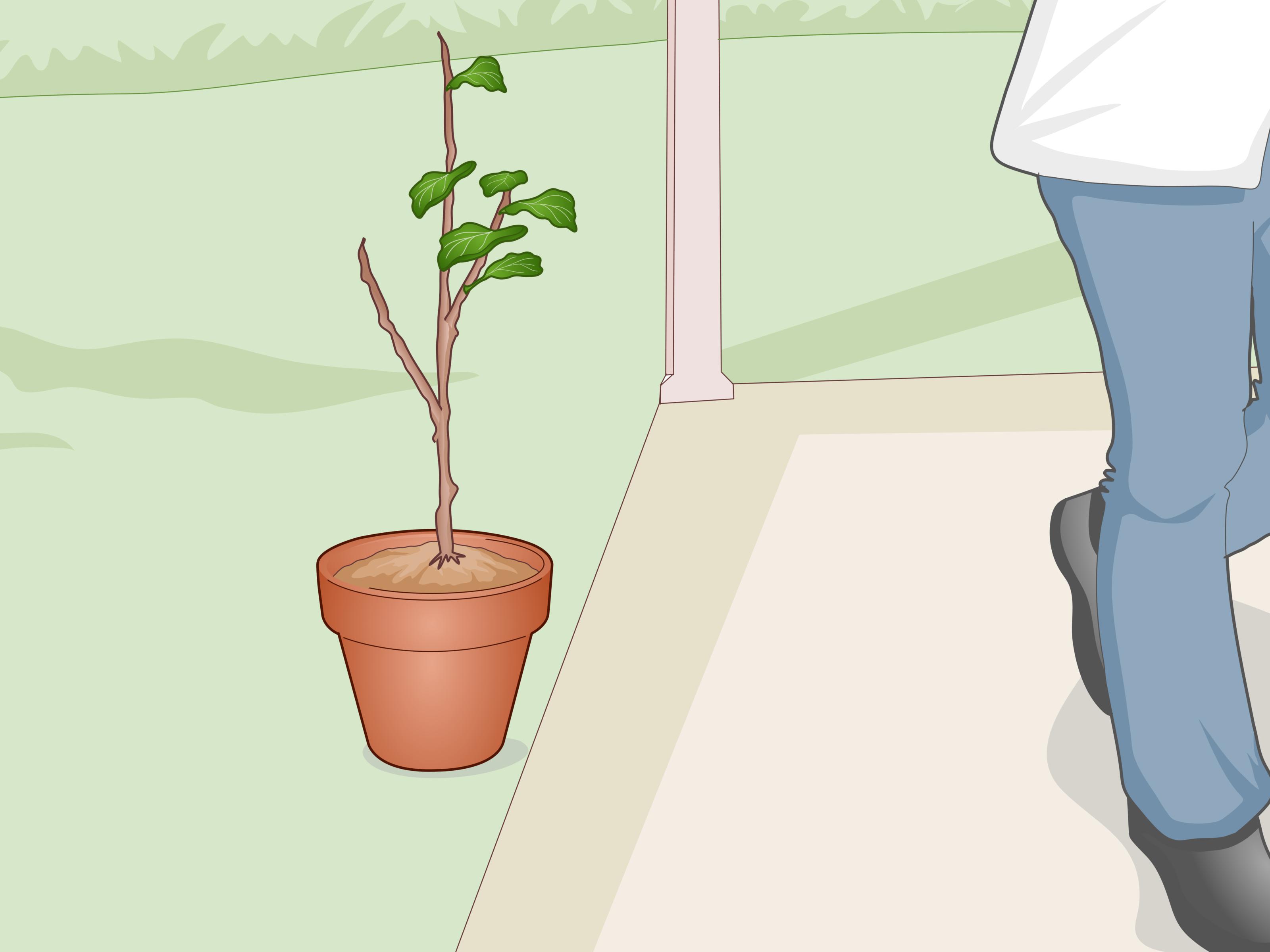

A fiddle leaf fig can make a room look like it has a personal stylist, a design budget, and emotional stability. Then, one Tuesday, it drops three leaves, grows a brown spot the size of a pancake, and suddenly the living room feels like a botanical crime scene.
The good news is that a struggling fiddle leaf fig is not always doomed. This dramatic houseplant often reacts loudly to ordinary problems: too much water, not enough light, dry indoor air, blocked drainage, drafts, pests, or sudden changes. In other words, your plant may not be dying; it may simply be filing a formal complaint.
This guide breaks the rescue process into three easy, realistic methods: fix the root and watering situation, improve light and environment, and help the plant recover with smart pruning and steady aftercare. You do not need a greenhouse, a degree in botany, or a whispered apology under a full moon. You need observation, patience, and the courage to stop watering “just in case.”
First, Diagnose What Your Fiddle Leaf Fig Is Trying to Tell You
Before you start reviving your fiddle leaf fig, look closely at the symptoms. Fiddle leaf figs are expressive plants. They do not send emails, but they do send leaves to the floor.
Common Signs Your Fiddle Leaf Fig Needs Help
- Yellow leaves: Often linked to overwatering, poor drainage, or stress from environmental changes.
- Brown spots in the middle of leaves: Frequently associated with root rot, soggy soil, or fungal stress.
- Crispy brown edges: Commonly caused by underwatering, low humidity, or dry indoor air.
- Drooping leaves: Can mean thirst, root damage, temperature stress, or sudden relocation.
- Leaf drop: Usually caused by inconsistent watering, low light, drafts, or shock after moving.
- Small new leaves or no growth: Often a sign that the plant needs more light, nutrients, or root space.
The goal is not to make every old leaf perfect again. Brown patches do not turn green, no matter how politely you stare at them. Revival means stopping the damage, stabilizing the plant, and encouraging healthy new growth.
Way 1: Fix Watering and Rescue the Roots
If your fiddle leaf fig is declining, start with the soil. Watering problems are the number one cause of fiddle leaf fig drama, and overwatering is usually the main villain. A fiddle leaf fig likes moisture, but it does not want to live in a swamp. Its roots need both water and oxygen. When soil stays wet for too long, roots can suffocate, decay, and lose their ability to support the plant.
Check the Soil Before Adding More Water
Stick your finger one to two inches into the soil. If the top layer feels dry but the lower soil is still damp, wait. If the soil feels dry several inches down and the pot feels light, your plant is probably thirsty. For a more precise approach, use a moisture meter or a wooden chopstick. Insert it deep into the soil; if it comes out with damp soil stuck to it, hold off on watering.
A common mistake is watering on a calendar without checking the plant. “Every Sunday” sounds organized, but your fiddle leaf fig does not own a planner. It drinks faster in bright light, warm rooms, and small pots. It drinks more slowly in winter, low light, cool rooms, and oversized containers.
How to Water Correctly
When the plant is ready, water thoroughly until excess water drains from the bottom of the pot. Then empty the saucer. Do not let the pot sit in standing water. That is not hydration; that is root soup.
If the soil has become very dry and pulls away from the sides of the pot, water may run straight through without soaking the root ball. In that case, water slowly in rounds. Add water, wait a few minutes, then add more. The goal is to rehydrate the soil evenly, not just rinse the edges of the pot like a confused car wash.
Look for Root Rot
If your fiddle leaf fig has dark brown leaf spots, yellowing lower leaves, a sour smell from the soil, or leaves falling off rapidly, inspect the roots. Slide the plant gently out of the pot. Healthy roots are usually firm and light-colored. Rotten roots are often black, brown, mushy, or smelly.
If you find root rot, act quickly:
- Remove the plant from the pot.
- Shake or rinse away soggy soil.
- Trim mushy roots with clean, sharp scissors or pruners.
- Repot in fresh, well-draining potting mix.
- Use a container with drainage holes.
- Water lightly after repotting, then allow the soil to partly dry before watering again.
Choose a pot only slightly larger than the root ball. A huge pot may look generous, but extra soil holds extra water. For a recovering fiddle leaf fig, that can create the same soggy conditions that caused the original problem.
Improve the Potting Mix
A good fiddle leaf fig soil mix should drain well while holding enough moisture for the roots. A quality indoor potting mix amended with perlite, orchid bark, or coarse material can improve airflow and drainage. Avoid dense, compacted soil that stays wet for days and days. If the soil looks like chocolate cake batter, your plant is not impressed.
After repotting, do not fertilize immediately. Give the roots a few weeks to recover. Fertilizer is useful when a plant is actively growing, but stressed roots need stability first, not a buffet.
Way 2: Give It Better Light and a Stable Environment
Once the roots are safe, look at the room. Fiddle leaf figs are tropical plants that naturally grow in bright conditions. Indoors, they often suffer because they are placed in a stylish dark corner where they look amazing for about six days and then begin plotting revenge.
Find the Right Light
A fiddle leaf fig usually does best in bright, indirect light. A spot near an east-facing window can work well. A south- or west-facing window can also be excellent if the plant is set back slightly or protected from harsh afternoon sun. If your home is dim, an LED grow light can help.
Low light weakens the plant over time. It slows growth, reduces water use, and makes overwatering more likely because the soil dries more slowly. That is why a plant can develop root problems even when you are not watering very often. Low light plus wet soil is a dangerous combination.
Do Not Shock It With Sun
If your fiddle leaf fig has been living in low light, do not shove it directly into blazing sun and call it “tough love.” Sudden direct sun can scorch the leaves, leaving pale tan or brown burned patches. Instead, move it gradually closer to brighter light over a week or two. Plants appreciate upgrades; they just do not like being ambushed.
Keep the Temperature Consistent
Fiddle leaf figs dislike sudden changes. Avoid placing them near exterior doors, drafty windows, heating vents, air conditioners, fireplaces, or radiators. Hot and cold air bursts can stress the leaves and trigger leaf drop.
Once you find a bright, stable location, keep the plant there. Rotating the pot every few weeks is fine because it encourages even growth. Carrying the plant from room to room like a decorative hostage is not fine.
Raise Humidity If the Air Is Dry
Dry indoor air can lead to crispy edges, dull leaves, and general sadness. This is especially common in winter when heating systems reduce indoor humidity. A humidifier is the most reliable fix. Grouping plants together can also create a slightly more humid microclimate.
Misting may briefly dampen leaves, but it does not dramatically change room humidity for long. If you mist, avoid leaving leaves wet in stagnant conditions, because constant moisture on foliage can encourage disease. Think spa day, not rainforest thunderstorm trapped in a closet.
Way 3: Prune, Clean, and Rebuild a Healthy Routine
After you address water, roots, light, and location, help the plant recover by removing damaged material and creating a consistent care routine. Revival is not one heroic rescue mission. It is a series of small, boring, effective habits. Plants love boring. Boring is how forests happen.
Remove Dead or Severely Damaged Leaves
Trim leaves that are mostly brown, diseased-looking, or fully dead. Use clean, sharp pruners or scissors. If a leaf has one small brown spot but is otherwise green and useful, you can leave it. Green leaf tissue still helps the plant photosynthesize.
Do not remove too many leaves at once unless they are clearly dead or infected. A fiddle leaf fig needs healthy leaves to make energy. If the plant is already weak, stripping it bare can slow recovery.
Prune Leggy or Bare Stems Carefully
If your plant has a long bare trunk with a few leaves at the top, pruning can encourage branching. Cut above a node, which is a small bump or point where a leaf once grew. New growth may appear near the cut when the plant is healthy and receiving enough light.
Timing matters. The best time for major pruning is usually during active growth in spring or summer. If your plant is severely stressed, focus on root recovery and light first. Pruning a weak plant too aggressively is like asking someone with the flu to reorganize the garage.
Clean the Leaves
Fiddle leaf fig leaves are large, beautiful, and excellent at collecting dust. Dust blocks light and can interfere with the plant’s ability to function well. Wipe leaves gently with a damp, soft cloth, supporting each leaf with your other hand so it does not tear.
Cleaning also gives you a chance to inspect for pests. Look under leaves and along stems for spider mites, scale, mealybugs, or sticky residue. If you find pests, isolate the plant and treat promptly. A gentle shower, insecticidal soap, or neem-based treatment may help, depending on the pest and severity.
Feed Only When the Plant Is Ready
Fertilizer can support healthy new growth, but it is not medicine for root rot or shock. Wait until the plant is stable and showing signs of growth. During spring and summer, use a balanced indoor plant fertilizer or one formulated for tropical foliage plants. Follow label directions carefully. More fertilizer does not equal more love; it can burn roots and create new problems.
A Simple 30-Day Revival Plan
If your fiddle leaf fig is struggling and you want a clear plan, use this 30-day reset.
Days 1–3: Inspect and Stabilize
- Check soil moisture deeply.
- Inspect leaves for brown spots, pests, yellowing, and leaf drop patterns.
- Make sure the pot has drainage holes.
- Move the plant to bright, indirect light if it is in a dark corner.
- Keep it away from vents, drafts, and heaters.
Days 4–10: Correct the Root Zone
- If soil is soggy or smells bad, inspect the roots.
- Trim rotten roots and repot if needed.
- If the plant is dry, water thoroughly and allow excess water to drain.
- Do not fertilize during this early recovery period.
Days 11–20: Create Consistency
- Check soil moisture every few days, but water only when needed.
- Rotate the pot slightly for even light exposure.
- Clean dusty leaves.
- Remove fully dead leaves.
- Watch for new damage rather than obsessing over old spots.
Days 21–30: Encourage Recovery
- Look for firm stems, stable leaves, and signs of new growth.
- Adjust humidity if leaf edges remain crispy.
- Begin light feeding only if the plant is actively growing.
- Keep the care routine steady.
By the end of 30 days, your fiddle leaf fig may not look like a magazine cover yet, but it should be more stable. Recovery often takes weeks or months. New leaves are the real victory. Old brown spots are just the plant’s diary entries from a rough chapter.
When a Fiddle Leaf Fig Cannot Be Fully Saved
Sometimes a fiddle leaf fig is too far gone. If the main stem is soft, black, and collapsing, or if all roots are mushy, full recovery may not be possible. Still, check for firm sections of stem. If part of the plant is healthy, you may be able to take a cutting and propagate it.
To propagate, cut a healthy stem section with at least one node and one leaf. Place it in water or a moist propagation medium, keep it in bright indirect light, and wait for roots. Propagation is not instant, and not every cutting succeeds. But when it works, it feels like getting a sequel after a very dramatic season finale.
Extra Experience: What Reviving a Fiddle Leaf Fig Really Feels Like
Reviving a fiddle leaf fig is less like fixing a lamp and more like rebuilding trust with a very leafy roommate. The first experience many owners have is panic. A leaf drops, then another, and suddenly you are searching the internet at midnight, whispering, “Why are you like this?” The temptation is to do everything at once: water more, move it, prune it, mist it, fertilize it, repot it, sing to it, and possibly name it after a Victorian poet. Resist that urge.
The biggest lesson is that fiddle leaf figs respond better to calm consistency than dramatic intervention. One plant owner may discover that the fig was sitting in a decorative pot with no drainage, quietly marinating after every watering. Another may realize the plant was placed six feet from a window in a room that looked bright to human eyes but was basically a cave to a tropical tree. Someone else may find that the plant was fine until winter heat kicked on and blasted dry air across the leaves like a tiny desert wind.
A useful real-life approach is to keep a simple plant log for a month. Write down when you water, how dry the soil was, whether leaves dropped, and where the plant is placed. This sounds nerdy because it is, but it works. Patterns appear quickly. If leaves drop two days after watering and the soil stays wet for a week, drainage or overwatering may be the issue. If leaves curl and edges turn crispy before watering day, the plant may be drying too much. If the plant leans toward the window like it is trying to escape, it probably wants more light.
Another experience worth noting: recovery is not always pretty. A revived fiddle leaf fig may keep a few spotted leaves for months. It may look awkward after pruning. It may grow one tiny new leaf and then pause like it needs applause. That is normal. Plants do not recover on our preferred content schedule. The important signs are firm stems, fewer falling leaves, soil that dries at a reasonable pace, and new growth that emerges clean and healthy.
One of the most satisfying moments is seeing a new leaf unfurl after weeks of careful attention. It usually starts as a small, shiny, tightly folded shape at the top of a stem. Then it opens slowly, soft and bright green, as if the plant has decided to forgive you but not forget. That new leaf is proof that your rescue plan is working.
The best long-term habit is restraint. Check before watering. Improve light gradually. Clean the leaves. Avoid moving the plant every time you redecorate. Do not fertilize a stressed plant just because you feel guilty. And remember that a fiddle leaf fig does not need perfect care; it needs appropriate care repeated consistently. Once you understand that, the plant becomes much less mysterious and much more manageable.
Conclusion
To revive a fiddle leaf fig, focus on the three things that matter most: healthy roots, bright stable light, and consistent aftercare. Start by checking the soil and correcting watering problems. Make sure the pot drains well, remove rotten roots if necessary, and avoid watering on autopilot. Next, give the plant bright indirect light, stable temperatures, and protection from drafts. Finally, prune dead leaves, clean dust from the foliage, monitor pests, and feed only when the plant is actively recovering.
A fiddle leaf fig may be dramatic, but it is not impossible. With patience and a steady routine, many struggling plants can bounce back and produce fresh, glossy leaves again. The secret is not a magical product. It is learning to read the plant’s signals and responding with the right fix at the right time. Do that, and your fiddle leaf fig can return to its rightful role: making your home look expensive while silently judging your watering can.
Note: This article is for general indoor plant care and is based on widely accepted horticultural guidance. If your plant shows severe disease, widespread pest infestation, or total root collapse, consult a local extension office, nursery, or plant-care professional for diagnosis.