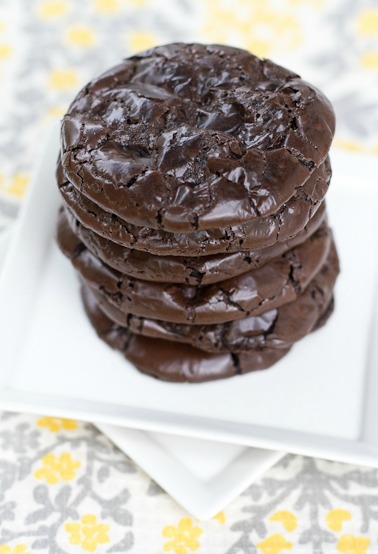

Some cookies politely sit on the plate and wait to be noticed. Flourless chewy chocolate walnut cookies do not. They arrive like tiny brownie volcanoes: glossy, crackly, deeply chocolatey, and just dramatic enough to make everyone in the kitchen ask, “Wait, there’s no flour in these?”
That is the magic trick. These cookies skip the all-purpose flour, butter, and complicated dough chilling, yet they still deliver everything people love about a great chocolate cookie: a crisp outer shell, a fudgy center, chewy edges, toasted walnut crunch, and a cocoa flavor so bold it should probably have its own microphone.
They are also naturally friendly for many gluten-free dessert tables, as long as every ingredient used is certified gluten-free and prepared without cross-contact. More importantly, they taste like dessert first and “alternative cookie” second. Nobody wants a cookie that feels like homework. These taste like the answer key.
What Are Flourless Chewy Chocolate Walnut Cookies?
Flourless chewy chocolate walnut cookies are rich chocolate drop cookies made without wheat flour. Instead of relying on flour for structure, they use a smart mix of confectioners’ sugar, cocoa powder, egg whites, salt, vanilla, and walnuts. The batter looks sticky, glossy, and slightly rebellious. That is exactly what you want.
As the cookies bake, the egg whites help create a delicate crackly top while the cocoa and sugar form a brownie-like interior. Walnuts add body, texture, and a nutty bitterness that keeps the sweetness from sprinting out of control. The final cookie is somewhere between a meringue, a brownie edge piece, and a fancy bakery treat that costs more than your lunch.
The best part? You do not need a mixer, softened butter, or a long grocery list. If you have cocoa powder, powdered sugar, egg whites, walnuts, and a decent sense of cookie optimism, you are halfway there.
Why This Flourless Cookie Works So Well
1. Cocoa powder becomes the backbone
In regular chocolate cookies, flour absorbs moisture and gives the cookie shape. In this recipe, cocoa powder steps into the spotlight. It provides intense chocolate flavor while helping thicken the batter. Dutch-process cocoa gives a darker color and smoother flavor, while natural cocoa brings a sharper, fruitier chocolate note. Either can work, but Dutch-process cocoa often creates a deeper, more luxurious cookie.
2. Egg whites build the crackly shell
Egg whites are the quiet engineers of these cookies. They bind the dry ingredients, create shine, and help form that delicate, crackled surface. The trick is not to overcomplicate them. You do not need to whip them into stiff peaks. A simple whisk until loosened is enough for a chewy, glossy batter.
3. Confectioners’ sugar creates chew
Confectioners’ sugar dissolves quickly and helps create a smooth, shiny batter. It also contributes to the cookie’s signature chewy texture. Granulated sugar can make the structure grainier, so powdered sugar is the better choice here. Think of it as the cookie’s silk robe.
4. Walnuts add structure and flavor
Walnuts are not just decoration. They help the cookies hold their shape, add a satisfying bite, and balance the deep cocoa flavor. Toasting the walnuts first is highly recommended. Raw walnuts are fine, but toasted walnuts taste warmer, richer, and more dessert-worthy. It is the difference between “nice cookie” and “who brought these and are they single?”
Ingredients for Flourless Chewy Chocolate Walnut Cookies
This recipe keeps the ingredient list short, which means each ingredient matters. Use good cocoa, fresh walnuts, and real vanilla extract if possible.
- 3 cups confectioners’ sugar, sifted if lumpy
- 3/4 cup unsweetened cocoa powder, Dutch-process or natural
- 1/2 teaspoon fine sea salt
- 3 large egg whites, room temperature
- 1 tablespoon vanilla extract
- 2 cups walnuts, toasted and roughly chopped
- 1/2 cup dark chocolate chips or chunks, optional but highly encouraged by every chocolate-loving cell in your body
- Flaky sea salt, optional for topping
How to Make Flourless Chewy Chocolate Walnut Cookies
Step 1: Toast the walnuts
Preheat the oven to 350°F. Spread the walnuts on a baking sheet and toast them for 7 to 9 minutes, stirring once halfway through. They should smell nutty and fragrant, not burnt. Let them cool before adding them to the batter.
Step 2: Prepare the baking sheets
Line two baking sheets with parchment paper. Do not skip the parchment. These cookies are sticky before baking and delicate after baking. Parchment is your insurance policy against emotional damage.
Step 3: Mix the dry ingredients
In a large bowl, whisk together the confectioners’ sugar, cocoa powder, and salt. If your powdered sugar or cocoa has lumps, sift them first. Nobody wants a surprise cocoa boulder in the middle of a cookie.
Step 4: Add egg whites and vanilla
Add the egg whites and vanilla extract. Stir with a sturdy spatula until the mixture turns into a thick, glossy batter. It may look too dry at first. Keep stirring. Suddenly, like a kitchen miracle, it will become shiny and sticky.
Step 5: Fold in walnuts and chocolate
Fold in the toasted walnuts and optional chocolate chips or chunks. The batter should be thick enough to scoop but still sticky. If it looks loose and runny, let it sit for 10 minutes. The cocoa and sugar will absorb more moisture as it rests.
Step 6: Scoop and space
Scoop heaping tablespoons of batter onto the prepared baking sheets, spacing them about 2 inches apart. These cookies spread, and they need personal space. Crowding them is how you accidentally bake one giant cookie continent.
Step 7: Bake
Bake for 12 to 15 minutes, rotating the pans halfway through. The tops should be shiny, crackled, and set around the edges. The centers may look slightly soft, but they will firm up as they cool.
Step 8: Cool completely
Let the cookies cool on the baking sheets for at least 10 minutes before moving them to a wire rack. They are fragile when hot. Give them a moment to compose themselves. Cookies, like people, sometimes need space after a dramatic transformation.
Texture: What to Expect
The perfect flourless chocolate walnut cookie has three textures in one bite. The top is thin and crackly, almost like the shiny crust on a good brownie. The edges are chewy with a slight crispness. The center is fudgy, soft, and deeply chocolatey.
If your cookies are too flat, the batter may have had too much egg white or not enough walnuts. If they are dry, they may have baked too long. If they stick badly, they probably needed more cooling time or better parchment. If they disappear before cooling, congratulations: you live with normal people.
Best Tips for Chewy Flourless Chocolate Cookies
Use room-temperature egg whites
Room-temperature egg whites blend more smoothly into the dry ingredients. Cold egg whites can make the batter harder to mix and less consistent.
Do not overbake
These cookies should look a little soft in the center when they leave the oven. Overbaking turns them from fudgy to dry. Pull them when the tops are crackled and the edges look set.
Toast the walnuts
Toasted walnuts bring deeper flavor and better crunch. They also reduce the raw bitterness that can sometimes make walnuts taste a little too “serious.” Dessert should not feel like a lecture.
Let the batter rest if needed
If the batter seems too thin, a short rest can help. Ten to fifteen minutes gives the cocoa and sugar time to absorb moisture, making the batter easier to scoop.
Use parchment, not a greased pan
Greasing the pan can encourage spreading. Parchment gives the cookies a clean surface and makes removal much easier.
Are These Cookies Gluten-Free?
These cookies do not contain wheat flour, which makes them a strong option for gluten-free baking. However, “flourless” and “gluten-free” are not always the same thing. Some ingredients, especially cocoa powder, chocolate chips, vanilla extract, and confectioners’ sugar, may be processed in facilities that also handle wheat.
If you are baking for someone with celiac disease or serious gluten sensitivity, choose ingredients specifically labeled gluten-free and avoid cross-contact with flour in your kitchen. Use clean bowls, clean utensils, fresh parchment, and a baking sheet that has not been dusted with flour from another recipe.
Flavor Variations
Espresso chocolate walnut cookies
Add 1 teaspoon of instant espresso powder to the dry ingredients. The cookies will not taste like coffee; the espresso simply makes the chocolate flavor deeper and more dramatic.
Chocolate pecan cookies
Swap walnuts for pecans for a sweeter, buttery flavor. Pecans make the cookies slightly softer and more Southern-dessert-table friendly.
Orange chocolate cookies
Add 1 teaspoon of finely grated orange zest. Chocolate and orange are best friends who dress well and never arrive empty-handed.
Spicy Mexican chocolate cookies
Add 1/2 teaspoon cinnamon and a pinch of cayenne pepper. The result is warm, bold, and just spicy enough to make people ask what your secret is.
Double chocolate walnut cookies
Fold in dark chocolate chunks or bittersweet chips. This variation makes the cookies even more brownie-like, which is rarely a problem in civilized society.
How to Store Flourless Chewy Chocolate Walnut Cookies
Once completely cool, store the cookies in an airtight container at room temperature for up to 3 days for the best texture. Place parchment or wax paper between layers if the tops are sticky. For longer storage, freeze the cookies in a freezer-safe container for up to 2 months.
To serve frozen cookies, let them thaw at room temperature for 20 to 30 minutes. You can also warm them very briefly in a low oven if you want the chocolate to soften again. Do not microwave them too long, or the texture can become rubbery. A cookie should be chewy, not bouncy.
Serving Ideas
These flourless chewy chocolate walnut cookies are excellent on their own, but they also love a little company. Serve them with cold milk, hot coffee, espresso, or a scoop of vanilla ice cream. For a dinner party, stack them on a small cake stand and dust lightly with cocoa powder. Suddenly you are not “someone who made cookies.” You are “a dessert person.” Very powerful.
They also make a beautiful addition to holiday cookie boxes because they look rustic and elegant at the same time. The crackled tops make them appear bakery-made, while the walnuts give them a homemade charm. Basically, they are the cookie version of wearing jeans with a blazer.
Common Mistakes and How to Fix Them
The batter is too runny
This usually happens when the egg whites are very large or the dry ingredients were measured lightly. Let the batter rest for 10 to 15 minutes. If it is still too thin, add 1 to 2 tablespoons of cocoa powder or confectioners’ sugar.
The cookies spread too much
Make sure the walnuts are not chopped too finely. Larger pieces help create structure. Also check that your baking sheets are cool before adding the next batch. Warm pans can make the batter spread quickly.
The cookies are too dry
They were likely overbaked. Next time, remove them when the tops are crackled but the centers still look slightly soft. The cookies continue to set as they cool.
The cookies stick to the parchment
Let them cool longer. These cookies are delicate when hot and release more easily once set. If needed, slide a thin spatula underneath after 15 minutes.
Why These Cookies Deserve a Place in Your Recipe Box
Flourless chewy chocolate walnut cookies are the kind of recipe that solves several dessert problems at once. Need a gluten-free-friendly treat? Done. Need something deeply chocolatey? Absolutely. Need a cookie that looks impressive but does not require a mixer, chilling, rolling, or emotional negotiations with butter temperature? Here it is.
They are simple enough for weeknight baking and special enough for holidays. They work for cookie swaps, dinner parties, coffee breaks, birthday trays, and those suspiciously specific moments when you need “just one small dessert,” which somehow becomes three cookies and a private conversation with the pantry door.
Personal Baking Experience: What These Cookies Teach You
The first time you make flourless chewy chocolate walnut cookies, the batter may make you nervous. It does not behave like classic cookie dough. It does not roll obediently into soft little balls. It clings to the spatula, shines like brownie batter, and looks like it might have plans of its own. This is normal. In fact, this is a good sign.
One of the best experiences with this recipe is learning to trust texture instead of tradition. Many bakers are trained to expect cookie dough to include butter, flour, baking soda, and a familiar creaming step. This recipe skips all of that. At first, it feels like someone removed the wheels from a bicycle and said, “Don’t worry, it flies now.” Then the cookies come out of the oven with glossy crackled tops, and suddenly the whole thing makes sense.
The walnuts are another lesson. When they are untoasted, the cookies are good. When they are toasted, the cookies become memorable. The warm nuttiness cuts through the sweetness and makes the cocoa taste more complex. Toasting also fills the kitchen with that cozy bakery smell that makes people wander in and pretend they just happened to be nearby. Nobody just happens to be nearby when cookies are baking. They are tracking scent signals like dessert detectives.
These cookies also teach patience. They need cooling time. If you try to move them too soon, they may wrinkle, bend, or break. This is not failure; this is chocolate physics. After 10 or 15 minutes, they firm up and slide off the parchment much more easily. Waiting is difficult, yes, but so is explaining why half the batch looks like delicious roadkill because you attacked it with a spatula too early.
Another useful experience is discovering how small changes affect the final cookie. A little espresso powder makes the chocolate taste darker. A pinch of cinnamon adds warmth. Extra chocolate chunks make the center more luxurious. A sprinkle of flaky salt on top turns the cookie into a grown-up dessert with main-character energy. The base recipe is simple, but it welcomes creativity without becoming fussy.
These cookies are especially rewarding when shared. People often assume flourless desserts are compromises, but this recipe proves otherwise. The texture is chewy and fudgy, the flavor is bold, and the walnuts make every bite interesting. Serve them at a gathering and someone will ask for the recipe. Someone else will ask if they are brownies. A third person will quietly take two and avoid eye contact. That is how you know the cookies worked.
For home bakers, the biggest takeaway is confidence. You do not need a long list of ingredients to make something impressive. You do not need fancy equipment. You do not need pastry school vocabulary or a kitchen that looks like a cooking show set. You need a bowl, a spatula, good cocoa, fresh walnuts, and the courage to believe that sticky batter can become something beautiful.
In the end, flourless chewy chocolate walnut cookies are more than a gluten-free-friendly dessert. They are proof that simple baking can still feel exciting. They are rich without being heavy, elegant without being uptight, and easy without tasting basic. They are the kind of cookie you bake once out of curiosity and then keep making because everyone keeps asking about “those chocolate walnut things.” That is the official name in many households, and frankly, it works.
Conclusion
Flourless chewy chocolate walnut cookies are everything a chocolate cookie should be: rich, chewy, crackly, nutty, and wonderfully easy to make. They skip the flour but keep the drama, delivering a fudgy brownie-like center with crisp edges and toasted walnut crunch. Whether you are baking for a gluten-free dessert table, a holiday cookie box, or a Tuesday night chocolate emergency, this recipe earns its place in your kitchen.
Use high-quality cocoa, toast the walnuts, avoid overbaking, and let the cookies cool before moving them. Follow those simple rules and you will get cookies that taste bakery-level without requiring bakery-level effort. That is the dream: maximum chocolate joy, minimum kitchen chaos.
Note: This article synthesizes practical baking guidance from reputable U.S. recipe publishers, food-safety resources, and ingredient references, rewritten in an original style for web publication.