
Phosphorus may not have the celebrity glow of vitamin C, magnesium, or protein, but make no mistake: this mineral is working the night shift, the day shift, and probably covering someone else’s weekend too. It helps build strong bones and teeth, supports energy production, keeps cells functioning properly, and plays a role in muscle and nerve activity. In other words, phosphorus is not just “that thing from the periodic table.” It is one of the body’s essential behind-the-scenes managers.
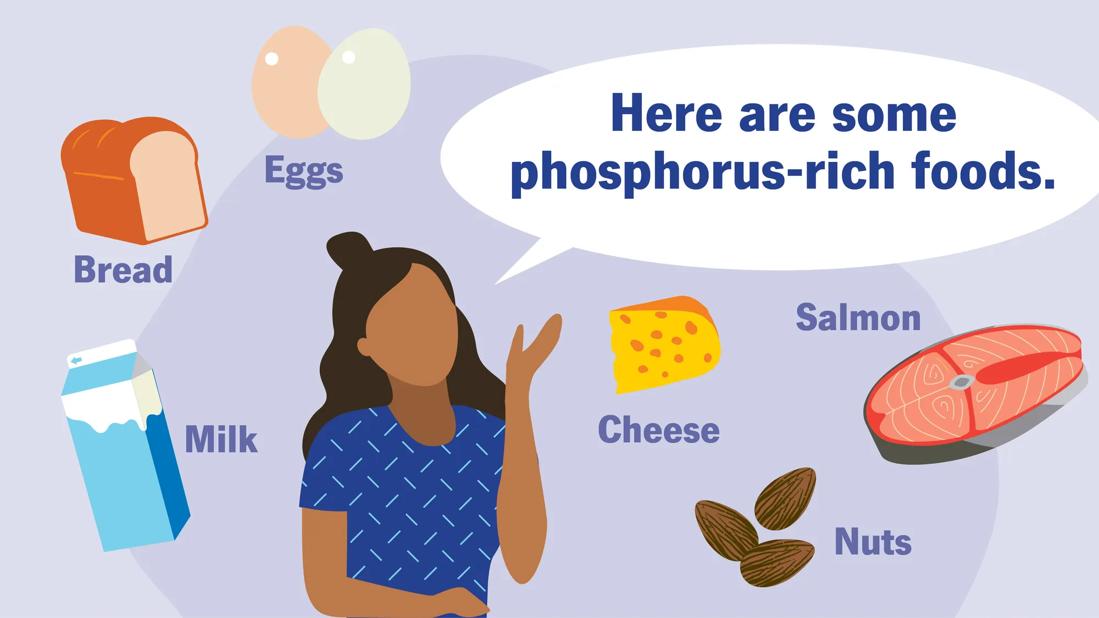
Most phosphorus in the human body is found in bones and teeth, where it teams up with calcium like a dependable buddy-cop duo. The rest circulates through cells, blood, and tissues, helping with everything from DNA production to the way your body uses carbohydrates and fats. You usually get phosphorus from everyday foods such as dairy products, meat, poultry, fish, eggs, beans, lentils, nuts, seeds, whole grains, and some fortified or processed foods.
The good news? Most people in the United States get enough phosphorus from food. The “please pay attention” news? More is not always better. People with chronic kidney disease or certain medical conditions may need to limit phosphorus because the kidneys help regulate phosphorus levels in the blood. So, this is not a love letter to supplements. It is a practical guide to understanding the health benefits of phosphorus and why balance matters.
What Is Phosphorus?
Phosphorus is an essential mineral, meaning your body needs it but cannot make it on its own. You must get it from food. In the body, phosphorus usually appears as phosphate, a charged particle that helps form bones, teeth, cell membranes, and energy molecules.
Think of phosphorus as nutritional infrastructure. It is not flashy like a neon smoothie bowl, but without it, a lot of basic body systems would have a very awkward Monday morning. Your bones need it for structure. Your cells need it for membranes. Your muscles and nerves need it for communication and movement. Your body’s energy system uses it to create ATP, the molecule often described as the body’s energy currency.
Recommended Daily Intake of Phosphorus
For most adults, the recommended dietary allowance for phosphorus is about 700 milligrams per day. Teenagers need more because they are growing rapidly, while younger children need less. Many protein-rich foods naturally contain phosphorus, so people who eat a varied diet usually meet their needs without much effort.
However, phosphorus intake can climb quickly when a diet contains many processed foods. Some food manufacturers use phosphate additives to improve texture, moisture, shelf life, or flavor. These added phosphates are often more easily absorbed than phosphorus naturally found in whole foods. That means a meal built around soda, processed meats, packaged baked goods, and fast food may deliver more phosphorus than expected. Sneaky? Absolutely. Delicious? Sometimes. Ideal every day? Not really.
4 Health Benefits of Phosphorus
1. Phosphorus Supports Strong Bones and Teeth
The most famous health benefit of phosphorus is its role in building and maintaining strong bones and teeth. About 85% of the body’s phosphorus is stored in bones and teeth, mostly in combination with calcium. Together, these minerals help create the hard structure that gives bones their strength and teeth their bite.
Calcium often gets all the applause in bone-health conversations, but phosphorus is standing right there on stage, holding half the trophy. Without enough phosphorus, the body cannot properly support bone mineralization. This process helps bones stay dense, sturdy, and resilient.
For example, a balanced meal with salmon, yogurt, beans, or eggs can contribute phosphorus along with other nutrients that support skeletal health, such as protein, vitamin D, calcium, and magnesium. Bone health is never about one nutrient alone. It is more like a potluck dinner: everyone has to bring something useful, and nobody should show up with only napkins.
Phosphorus also helps teeth maintain their structure. Tooth enamel, the hard outer layer of teeth, depends on minerals for strength. A diet that includes enough phosphorus and calcium can support normal tooth development and maintenance. Of course, phosphorus will not replace brushing, flossing, or dental visits. It is powerful, not magical. Your toothbrush still has a job.
2. Phosphorus Helps Produce Energy
One of phosphorus’s most important jobs is helping the body make and use ATP, or adenosine triphosphate. ATP is the molecule your cells use to store and transfer energy. Every time you walk, blink, digest food, think about lunch, or dramatically sigh at your inbox, ATP is involved.
The “tri-phosphate” part of ATP includes phosphate groups, which is where phosphorus enters the picture. When ATP releases energy, it does so by breaking bonds involving phosphate. That energy then powers cellular work throughout the body.
This does not mean eating more phosphorus will turn you into a superhero who folds laundry at lightning speed. Your body’s energy levels depend on sleep, calories, hydration, hormones, physical activity, iron status, blood sugar control, and many other factors. But phosphorus is part of the biochemical machinery that allows food energy to become usable energy inside cells.
Phosphorus also helps the body use carbohydrates and fats. These macronutrients must be broken down, processed, and converted into forms your cells can use. Phosphorus-containing compounds participate in these metabolic pathways. In plain English: phosphorus helps your body turn food into function.
3. Phosphorus Supports Cell Growth, Repair, and DNA
Every cell in your body contains phosphorus. That alone should earn it some respect. Phosphorus is part of DNA and RNA, the genetic material that guides cell growth, repair, and reproduction. Whenever your body repairs tissue, builds new cells, or maintains existing ones, phosphorus is somewhere in the process, probably wearing a tiny hard hat.
Phosphorus is also a key part of phospholipids, which help form cell membranes. Cell membranes are not just passive walls. They control what enters and exits cells, help cells communicate, and support normal cell structure. Without healthy cell membranes, your body would have a serious organization problem.
This makes phosphorus important for growth and maintenance. Children, teenagers, pregnant people, athletes, and anyone recovering from illness or injury all rely on nutrients that help the body build and repair tissue. Protein usually gets the spotlight here, but phosphorus works alongside protein and other nutrients to support normal cell function.
For example, foods like eggs, chicken, fish, lentils, tofu, yogurt, oats, and nuts provide phosphorus along with protein and other nutrients. A simple bowl of oatmeal with milk and nuts, or a plate with grilled fish, beans, and vegetables, can supply phosphorus in a balanced way. No need to make nutrition weird. Your dinner does not need a lab coat.
4. Phosphorus Helps Muscles, Nerves, and Body Balance
Phosphorus also supports normal muscle and nerve function. Your muscles depend on energy molecules to contract and relax. Your nerves depend on electrical and chemical signals to communicate. Phosphorus contributes to both systems through its role in ATP, cell membranes, and acid-base balance.
Acid-base balance refers to the body’s ability to maintain a stable pH. Your blood needs to stay within a narrow pH range for enzymes, organs, and tissues to function properly. Phosphate acts as one of the body’s buffering systems, helping prevent the internal environment from becoming too acidic or too alkaline.
Phosphorus also works with other minerals and vitamins, including calcium, magnesium, vitamin D, and B vitamins. Nutrition is rarely a solo performance. It is more like an orchestra, and phosphorus is one of the musicians who keeps rhythm. If the rhythm gets thrown off, the whole song can sound strange.
Low phosphorus levels are uncommon in healthy people, but when they occur, symptoms may include muscle weakness, bone pain, confusion, loss of appetite, or fatigue. On the other hand, high phosphorus levels can be a concern for people with kidney disease because damaged kidneys may struggle to remove extra phosphorus from the blood. That is why people with kidney problems should follow medical guidance rather than guessing their way through mineral intake.
Best Food Sources of Phosphorus
Phosphorus is found in many foods, especially protein-rich choices. Good natural sources include:
- Dairy foods such as milk, yogurt, and cheese
- Fish such as salmon, tuna, and sardines
- Poultry, beef, pork, and eggs
- Beans, lentils, chickpeas, and peas
- Nuts and seeds, including pumpkin seeds and sunflower seeds
- Whole grains such as oats, brown rice, and whole wheat bread
- Soy foods such as tofu, tempeh, and soy milk
Plant-based foods can provide phosphorus too, although some phosphorus in plants is stored as phytate, which humans do not absorb as efficiently. This does not make plant foods “bad.” It simply means that absorption varies. Beans, lentils, nuts, seeds, and whole grains still bring fiber, minerals, and other valuable nutrients to the table.
Phosphorus From Whole Foods vs. Additives
Not all phosphorus behaves the same way in the body. Naturally occurring phosphorus in whole foods is generally part of a larger nutrient package. For instance, salmon provides phosphorus along with protein and omega-3 fats. Lentils provide phosphorus with fiber, plant protein, iron, and potassium. Yogurt provides phosphorus with calcium and probiotics, depending on the product.
Phosphate additives are different. They may appear in processed foods, fast foods, packaged meats, cola drinks, instant puddings, processed cheese products, and some baked goods. These additives are often highly absorbable. Ingredient lists may include words such as “phosphate,” “phosphoric acid,” “sodium phosphate,” “calcium phosphate,” or “pyrophosphate.”
For the average healthy person, enjoying some processed foods occasionally is not an emergency. Food should not feel like a courtroom drama. But if your diet is heavy on packaged foods and low on whole foods, phosphorus additives can become part of a bigger nutrition issue involving sodium, added sugars, saturated fat, and low fiber intake.
Can You Get Too Much Phosphorus?
Yes, especially in certain medical situations. Healthy kidneys help regulate phosphorus by filtering extra amounts into urine. But when kidney function is reduced, phosphorus can build up in the blood. High phosphorus levels may contribute to bone and cardiovascular complications in people with chronic kidney disease.
That is why kidney patients are often told to monitor or limit phosphorus intake. Some may need phosphate binders or individualized diet plans from a registered dietitian. This is one area where internet advice should not replace medical care. Your kidneys are not interested in vibes-based nutrition.
For healthy adults, phosphorus deficiency is rare because the mineral is so common in food. Supplements are usually unnecessary unless prescribed or recommended by a healthcare professional. Taking high-dose phosphorus supplements without medical supervision can cause problems, especially if you have kidney disease, take certain medications, or already consume a high-phosphorus diet.
Signs You May Need to Discuss Phosphorus With a Doctor
You may want to ask a healthcare provider about phosphorus if you have chronic kidney disease, repeated abnormal blood tests, severe malnutrition, eating disorders, uncontrolled diabetes, certain digestive disorders, or symptoms such as unexplained muscle weakness, bone pain, confusion, or ongoing fatigue.
A simple blood test can measure phosphate levels. Doctors may also check kidney function, calcium, vitamin D, and parathyroid hormone levels because these systems are connected. Minerals like phosphorus do not act alone; they participate in a carefully managed internal balancing act.
How to Get Phosphorus the Smart Way
The best approach is not to chase phosphorus like a trendy wellness hack. Instead, build balanced meals from whole and minimally processed foods. Include protein-rich foods, fruits, vegetables, whole grains, and healthy fats. This gives your body phosphorus along with the nutrients that help it work properly.
For example, a smart phosphorus-friendly day might include oatmeal with milk and berries for breakfast, a turkey or hummus sandwich on whole-grain bread for lunch, and salmon with roasted vegetables and brown rice for dinner. A plant-based version might include fortified soy milk, lentil soup, tofu stir-fry, beans, nuts, seeds, and whole grains.
If you have kidney disease, the “smart way” may look different. You may need to limit certain high-phosphorus foods or avoid phosphate additives. In that case, a kidney dietitian can help you choose foods that protect your health while still keeping meals satisfying. Because nobody wants a diet plan that tastes like cardboard wearing a sad hat.
Real-Life Experiences: Learning to Appreciate Phosphorus Without Overthinking It
For many people, phosphorus becomes interesting only after a doctor mentions it, a nutrition label raises questions, or a loved one starts a kidney-friendly diet. Before that, it tends to live quietly in the background. Unlike protein, it does not get shouted about at the gym. Unlike vitamin C, it does not have a citrus-flavored fan club. Yet once you understand what phosphorus does, it becomes easier to see how ordinary meals support extraordinary body functions.
One common experience is realizing that bone health is not just about drinking milk or taking calcium. Many people grow up hearing “calcium builds strong bones,” which is true, but incomplete. Phosphorus is also part of that structure. A person who starts paying attention to balanced meals may notice that the same foods supporting bones often support energy and muscle function too. Greek yogurt, eggs, beans, fish, oats, and nuts are not exotic superfoods. They are regular foods with serious nutritional value.
Another everyday lesson is that energy is not only about caffeine. When someone feels tired, the first instinct may be to reach for coffee, an energy drink, or a heroic afternoon snack. But steady energy begins with consistent meals that provide calories, protein, carbohydrates, fats, vitamins, and minerals. Phosphorus helps the body create ATP, but it works inside a much larger system. Skipping meals, sleeping poorly, or living on ultra-processed snacks can make even the best nutrients feel like they are pushing a car uphill.
People who cook more at home often develop a better relationship with phosphorus without even trying. A homemade dinner with chicken, beans, vegetables, and rice can provide phosphorus naturally, along with fiber, potassium, iron, zinc, and B vitamins. Compare that with a fast-food meal plus a cola, which may contain phosphate additives, lots of sodium, and fewer beneficial nutrients. The goal is not perfection. It is simply learning that food quality matters.
Families dealing with kidney disease often have a different experience. They may learn that foods considered healthy for one person may need limits for another. Nuts, dairy, beans, and whole grains can be nutritious, but people with chronic kidney disease may need personalized guidance. This can feel frustrating at first because nutrition advice suddenly becomes more complicated. The helpful mindset is not “good foods versus bad foods,” but “right foods for the right body at the right time.”
A practical habit many people find useful is reading ingredient labels for phosphate additives. This is especially helpful for processed meats, packaged baked goods, frozen meals, and cola beverages. Words containing “phos” can signal added phosphorus. Once you notice these ingredients, you may start choosing simpler products more often. It is not about becoming the food police. It is about becoming a calmer, better-informed shopper.
In day-to-day life, the best phosphorus strategy is refreshingly normal: eat a varied diet, prioritize whole foods, do not rely on supplements unless advised, and ask a healthcare professional if you have kidney disease or abnormal lab results. Phosphorus may not be glamorous, but it is dependable. And in nutrition, dependable beats flashy more often than people think.
Conclusion
Phosphorus is an essential mineral with four major health benefits: it supports strong bones and teeth, helps produce energy, contributes to cell growth and repair, and assists muscle, nerve, and pH balance. Most healthy people get enough phosphorus through a varied diet, especially from protein-rich foods. The key is balance. Whole-food sources offer phosphorus alongside valuable nutrients, while processed foods may contain highly absorbable phosphate additives that can raise intake quickly.
If you have healthy kidneys, phosphorus is usually a quiet helper working behind the scenes. If you have chronic kidney disease or abnormal blood phosphorus levels, it becomes a nutrient that deserves careful medical guidance. Either way, phosphorus proves that even the least glamorous minerals can have a big impact on daily health.
Note: This article is for educational purposes only and should not replace medical advice. People with kidney disease, abnormal phosphate levels, or special dietary needs should consult a qualified healthcare professional.