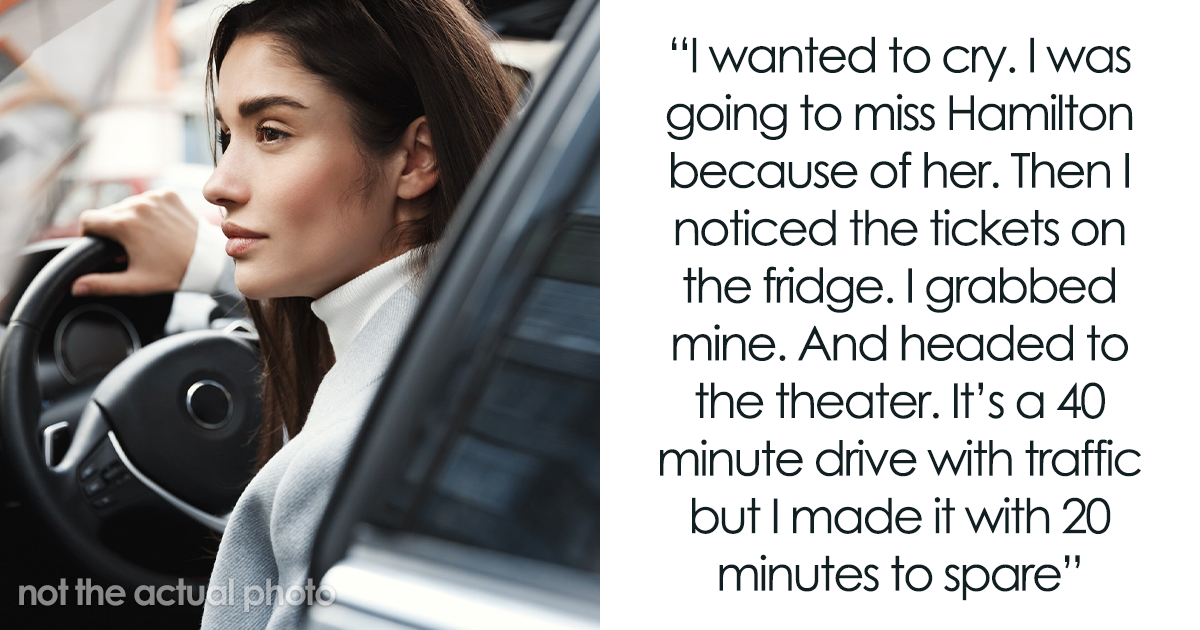
Woman Fed Up With Perpetually Late Friend, Abandons Her After Being An Hour Late To A Show

Everyone has that one friend who treats time like a loose suggestion. You say 7:00 p.m., they hear “sometime before the Earth cools.” At first, it is almost funny. You trade eye-rolls, send the “Where are you?” text, and order an appetizer while pretending not to care. But when the lateness becomes chronic, the joke stops landing. What is really being tested is not a watch. It is patience, trust, and the basic respect that keeps friendships alive.
That is why a recent story about a woman finally leaving her perpetually late friend behind after waiting through a major delay before a show hit such a nerve online. The setup was painfully relatable: exciting plans, expensive tickets, a friend with a long history of dragging her feet, and one final moment when the person who had always adjusted simply decided not to anymore. Suddenly, the internet was split into two camps. One side said the late friend got exactly what she earned. The other argued that abandoning someone was too harsh. The truth, as usual, lives in the messy middle.
This story resonates because chronic lateness is rarely just about minutes. It is about the emotional bill those minutes send to everyone else. Missed openings. Cold dinners. Extra stress. Lost money. The awkward shuffle of having to apologize for someone who is not even there yet. When one friend is always late, the other friend quietly becomes the unpaid event manager, emotional support rep, and human buffer zone. That arrangement gets old fast.
Why This Story Struck a Nerve
The woman at the center of the story did not explode after one delayed meetup. She snapped after a pattern. That is the key detail people often miss. Relationships rarely break over a single late arrival. They wear down through repetition. One friend keeps saying, “Sorry, traffic,” “Sorry, I lost track of time,” or “I’m five minutes away,” when five minutes is clearly being measured on a different planet. The other friend keeps swallowing irritation because they do not want to seem uptight. Eventually, resentment starts showing up earlier than the late friend does.
There is also a difference between occasional lateness and lifestyle lateness. Life happens. Trains stall, kids melt down, parking becomes a blood sport, and sometimes your day turns into a blooper reel. Most people understand that. Chronic lateness is different because it becomes predictable. And once a behavior is predictable, so is the message it sends: my time is flexible, yours is expendable.
That may sound harsh, but it explains why punctuality matters so much in friendships. Reliability builds trust in small, ordinary ways. It is not glamorous. No one makes a movie called The Very Dependable Friend Who Texted an Accurate ETA. But showing up when you said you would is one of the quiet habits that makes people feel safe and valued.
What Chronic Lateness Really Signals
Experts who study relationships and behavior generally agree on one thing: repeated lateness is not always about selfishness, but it almost always affects other people as if it is. Some chronically late people underestimate how long tasks take. Some hate waiting and subconsciously prefer cutting it close. Some are disorganized, overstretched, distracted, or poor at transitions. Others may struggle with anxiety, procrastination, or ADHD-related time blindness. In other words, there can be a real reason behind the behavior.
But understanding a reason does not erase the effect. A friend can have a genuine difficulty with time management and still cause frustration, embarrassment, and disappointment. That is why “That’s just how I am” tends to land badly. It turns a solvable pattern into a personality brand. Cute for a sitcom character, less adorable when you are missing the first act of a show you paid for.
There is another layer here too: lateness often forces other people to absorb the consequences. The punctual friend leaves early, checks traffic twice, stands outside in the heat, lies to the host, or misses the good seats. Over time, the friendship starts feeling lopsided. One person gets grace. The other person gets a stress rash and lukewarm fries.
When Patience Turns Into Resentment
Many people stay quiet about lateness for too long because they fear sounding controlling. They tell themselves it is not a big deal. They do not want to fight over something that seems “small.” But small things become large when they happen over and over. The problem is not merely the waiting. It is the accumulation of being inconvenienced, dismissed, and then expected to act cheerful about it.
This is where resentment grows. And resentment is sneaky. It usually does not announce itself with dramatic music. It slips in through muttered jokes, passive-aggressive texts, fake “No worries!” replies, and that moment when you realize you are more anxious about your friend’s timing than excited to see them. Once that happens, the friendship is no longer running on goodwill. It is running on fumes.
The woman who left for the show without her friend was not just reacting to one hour of lateness. She was reacting to every previous delay that had been excused, minimized, and repeated. That decision may have looked sudden from the outside, but emotionally, it had probably been loading for months.
Was Leaving Her Behind Too Harsh?
Here is the uncomfortable answer: maybe a little, but also maybe not. Natural consequences can feel harsh when someone is finally no longer cushioning your behavior. If a person knows you will always wait, stall the reservation, save the seat, and smooth things over, there is little pressure to change. The moment you stop doing those things, it can seem cruel even when it is simply honest.
That does not mean every frustrated person should start driving off into the sunset like a friendship vigilante. There is a smarter approach than theatrical revenge. Still, it is fair to say the woman’s reaction did not come from nowhere. Boundaries tend to look dramatic only after people have ignored softer ones for a long time.
In fact, one reason this story feels so satisfying to some readers is because it reflects a fantasy many punctual people secretly carry around: just once, I want to stop rearranging my day for someone who never rearranges theirs for me. It is the revenge of the people who arrived early and pretended they “didn’t mind.”
How Healthy Friendships Handle Time
Healthy friendships do not require robotic precision. They do require mutual respect. That means if one person is struggling with punctuality, the answer is not shame, but accountability. Good friends communicate, adjust, and make an effort. They do not shrug and expect endless tolerance.
A healthier version of this situation might sound like this: “I love hanging out with you, but when you’re consistently late, it stresses me out and changes the whole experience for me. If you’re more than 15 minutes late without a heads-up, I’m going to go in, order, or leave.” That is not mean. That is clear. It uses an “I” statement, names the impact, and sets a predictable consequence.
Notice what this does not do. It does not diagnose the other person, insult their character, or turn the conversation into a courtroom drama about everything they have done since 2019. It focuses on behavior and outcome. That matters because boundaries are not rules for controlling someone else. They are decisions about what you will do to protect your own time, energy, and peace.
What the Chronically Late Friend Should Have Done
If you are the one who is always late, there is both bad news and good news. The bad news is that your friends have probably noticed more than you think. The good news is that reliability is a trainable skill. It is not mystical. It is often a mix of humility, planning, and accepting that “almost on time” is still late.
1. Stop giving fantasy ETAs
If you have not left the house, you are not “around the corner.” You are in pajamas negotiating with your mirror. Honest communication is kinder than optimistic fiction.
2. Build in buffer time
Chronically late people often plan as if the universe will cooperate fully. The universe laughs at this. Add time for parking, outfit changes, forgotten wallets, elevator delays, and your sudden urge to reorganize a drawer five minutes before leaving.
3. Admit the pattern
Nothing improves until you stop treating lateness as a quirky trademark. If it hurts people, it is a problem worth fixing.
4. Apologize with action, not poetry
“I’m so sorry, I’m the worst” may sound remorseful, but it gets old when nothing changes. A real apology includes changed behavior, earlier departures, better estimates, and fewer dramatic entrance scenes.
What the Frustrated Friend Can Do Before Walking Away
If you are the friend doing the waiting, there are better options than silently simmering until you explode at a box office window. Start by naming the issue early. Be calm, direct, and specific. Instead of “You’re always disrespectful,” try: “When you’re late, I feel like my time isn’t being considered. I need us to handle plans differently.”
Then set a limit you can actually keep. Maybe you wait 10 minutes for coffee, 15 for dinner, and exactly zero minutes for a movie, flight, or ticketed event. Maybe you stop carpooling. Maybe you only make casual plans where a late arrival will not ruin the entire outing. Maybe you say no more often. Boundaries are most effective when they are boring, consistent, and easy to enforce.
And yes, sometimes the healthiest move is distance. Not every friendship survives repeated disregard. If someone keeps crossing a clearly stated line, the issue is no longer just lateness. It is whether they care enough to change the behavior that keeps hurting you.
The Bigger Lesson Behind the Viral Drama
The internet loves stories like this because they are never only about the thing on the surface. This one is not just about a show. It is about emotional labor, uneven effort, and the moment one person decides that being “easygoing” has started to cost too much. In that sense, the woman who left without her friend did what many people eventually do in strained relationships: she stopped translating her disappointment into accommodation.
That does not make her a hero in every detail. It does make her understandable. And maybe that is why the story spread. Nearly everyone has experienced some version of it, whether with a flaky friend, a serial canceler, or the person who thinks “be there at 6” means “start shampooing at 6:12.” We recognize the exhaustion because we have lived it.
The best takeaway is not “ditch late people.” It is this: friendships need respect as much as affection. Love without reliability becomes exhausting. Kindness without boundaries becomes resentment. And patience without limits becomes permission.
Common Experiences People Have With Chronically Late Friends
One reason this topic keeps exploding online is that the experiences are so familiar. There is the friend who is late to every brunch, which means everyone else has already ordered by the time they sweep in blaming traffic, weather, Mercury, or some mysterious eyeliner emergency. There is the concert buddy who misses the opener and half your mood with it. There is the road-trip friend who says they will be downstairs in two minutes, causing everyone else to stand in the driveway slowly turning into statues.
Another common experience is the emotional whiplash. The late friend is often lovely in other ways, which makes the problem harder to confront. They can be funny, generous, and deeply caring. That is why people tolerate the pattern longer than they should. They keep thinking, “This is just one annoying habit.” But then that habit starts hijacking every shared plan. You begin leaving the house annoyed. You build backup plans around them. You stop inviting them to anything time-sensitive. Without saying it out loud, you demote the friendship from dependable to maybe.
Many people also describe the strange guilt of setting boundaries. They know they are fed up, but the second they decide to leave, go inside, or start without the late friend, they feel like the villain. That guilt is powerful because punctual people are often the same people who are considerate, flexible, and highly aware of everyone else’s feelings. So they wait longer than they want to. Then, when they finally choose themselves, it feels rude even when it is reasonable.
There are also the practical losses that pile up. Extra rideshare costs. Missed reservations. Bad seats. Shortened hangouts. Awkward apologies to hosts. The friend who is always late may only feel the rush of arriving. Everyone else feels the stress of the lead-up. That mismatch is what creates so much tension. One person thinks, “I made it eventually.” The other is thinking, “You changed the whole event.”
And then there is the final-straw moment. It is rarely dramatic in itself. Sometimes it is as simple as watching the clock tick past another promised arrival time and realizing you no longer want to spend your life standing around proving how understanding you are. For some people, that moment leads to a hard conversation. For others, it leads to quieter changes: fewer invitations, stricter rules, more solo plans, less emotional investment. The friendship may not end on paper, but it definitely changes shape.
That is what makes the “hour late to a show” story feel bigger than gossip. It captures a universal relationship truth: people can forgive a lot, but repeated disregard eventually empties the grace bucket. When it does, the person who once looked endlessly patient may suddenly look cold. Really, they are just tired. And sometimes tired people do not want another apology. They want the curtain to go up, the meal to start, the plan to happen, and for once, not to have their time treated like a free waiting room.
Conclusion
The woman who abandoned her late friend before a show did more than create a viral debate. She exposed a tension that lives inside countless friendships: how long should one person keep absorbing the cost of another person’s habits? Chronic lateness may stem from disorganization, anxiety, time blindness, or plain old bad planning, but whatever the cause, the damage is relational. It chips away at trust. It turns fun plans into stressful logistics. It teaches one friend to over-function while the other under-delivers.
The healthiest response is not cruelty. It is clarity. Say what the pattern is doing to you. Set limits you can keep. Follow through calmly. And if the other person still refuses to respect your time, believe what that behavior is telling you. Friendship is not just about affection or history. It is also about reliability, effort, and showing up when it counts. Sometimes the kindest thing you can do for yourself is stop waiting at the door.