
A colonoscopy is one of those medical appointments people love to postpone, usually because the word itself sounds like it arrived wearing hospital socks. But behind the awkward reputation is a powerful, practical, and often life-saving test. A colonoscopy allows a doctor to examine the inside of the colon and rectum, look for abnormal growths, remove many polyps before they become dangerous, investigate digestive symptoms, and screen for colorectal cancer.
In plain English, it is a camera-guided tour of the large intestine. No souvenir photos, thankfully. The procedure is commonly performed with sedation, so most people remember very little of the actual exam. The preparation, however, is more memorable because it involves diet changes and bowel-cleansing medicine. That part may not win any awards for glamour, but it is essential. A clean colon helps the doctor see clearly, detect small polyps, and avoid having to repeat the test.
This guide explains the purpose of colonoscopy, how to prepare, what happens during the procedure, what recovery feels like, and what real people often wish they had known before scheduling one.
What Is a Colonoscopy?
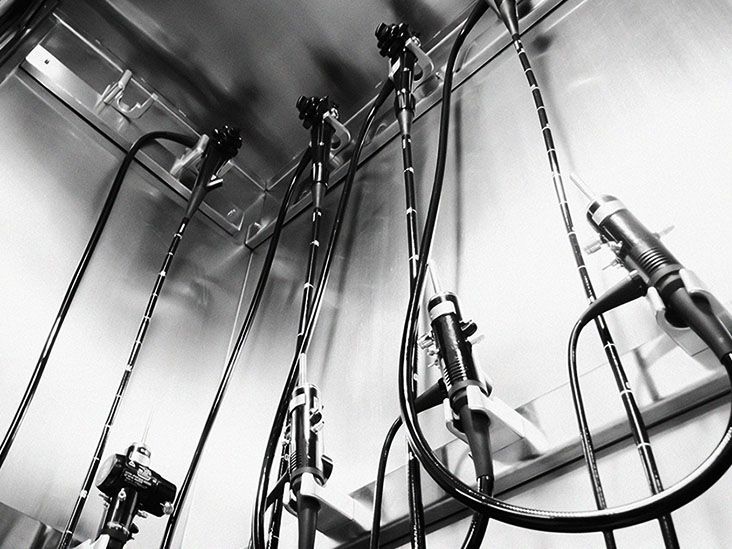
A colonoscopy is a medical procedure that examines the rectum and entire colon using a colonoscope, which is a long, flexible tube with a tiny camera and light at the end. The doctor gently guides the scope through the rectum and colon while viewing images on a monitor. If the doctor sees polyps, inflamed tissue, bleeding, ulcers, or suspicious growths, they may take a biopsy or remove polyps during the same procedure.
That “same procedure” part is what makes colonoscopy different from many screening tests. Some tests only look for clues. A colonoscopy can look, sample, and treat certain findings at once. For example, if a small polyp is found, the doctor may remove it immediately and send it to a lab. Many colorectal cancers begin as polyps, so removing them can reduce future risk.
Why Is a Colonoscopy Done?
Colonoscopy is used for several reasons, ranging from routine cancer screening to investigating symptoms that should not be ignored. The most common purposes include colorectal cancer screening, follow-up after abnormal stool-based tests, evaluation of digestive symptoms, monitoring inflammatory bowel disease, and checking the colon after previous polyps or cancer.
1. Screening for Colorectal Cancer
For adults at average risk, colorectal cancer screening generally begins at age 45. A colonoscopy is one option, and when results are normal, many average-risk people do not need another screening colonoscopy for 10 years. However, timing can change based on personal history, family history, previous polyp findings, symptoms, or the quality of the bowel prep.
People ages 76 to 85 should discuss screening with a healthcare professional because the decision depends on overall health, prior screening history, and personal preferences. Screening is not a one-size-fits-all calendar event; it is more like a well-organized group chat between your age, risk factors, medical history, and doctor.
2. Follow-Up After an Abnormal Test
Stool-based tests, such as FIT or stool DNA tests, can detect signs that may suggest blood or abnormal DNA in the stool. If one of these tests is positive, a colonoscopy is usually needed to find the cause. A positive stool test does not automatically mean cancer, but it does mean the colon deserves a closer look.
3. Investigating Digestive Symptoms
A doctor may recommend colonoscopy if someone has rectal bleeding, unexplained iron-deficiency anemia, persistent changes in bowel habits, chronic diarrhea, unexplained abdominal pain, or unexpected weight loss. These symptoms can have many causes, including hemorrhoids, infection, inflammation, polyps, or cancer. Colonoscopy helps doctors move from guessing to seeing.
4. Monitoring Existing Conditions
People with ulcerative colitis, Crohn’s disease affecting the colon, a history of certain polyps, or previous colorectal cancer may need colonoscopies at different intervals. In these cases, the goal is surveillance: checking for changes early, before problems become harder to treat.
Who May Need Colonoscopy Earlier or More Often?
Some people have a higher risk of colorectal cancer and may need screening before age 45 or at shorter intervals. This can include people with a strong family history of colorectal cancer or advanced polyps, inherited syndromes such as Lynch syndrome or familial adenomatous polyposis, inflammatory bowel disease, or a personal history of colorectal cancer or certain types of polyps.
The exact schedule depends on the details. For instance, having one distant relative with colon cancer is different from having a parent or sibling diagnosed at a younger age. Because risk categories can get complicated quickly, anyone with a family history should bring the details to a clinician: who was diagnosed, what they had, and how old they were at diagnosis.
Colonoscopy Prep: The Part Everyone Talks About
Let’s be honest: colonoscopy prep has a reputation. It is not painful, but it is inconvenient. The purpose is simple: empty the colon so the doctor has a clear view. If stool remains in the colon, small polyps can hide, the exam may take longer, and the test may need to be repeated sooner. Nobody wants a sequel because the first episode had poor visibility.
Several Days Before the Procedure
Your care team may ask you to adjust your diet and medications. Some people are told to eat a low-fiber or low-residue diet for a short period before the test. This may mean avoiding nuts, seeds, raw vegetables, corn, popcorn, beans, and whole grains. Lower-fiber foods are easier to clear from the colon.
You should also tell your healthcare team about all prescription medicines, over-the-counter drugs, supplements, allergies, diabetes medications, blood thinners, heart conditions, kidney disease, sleep apnea, pregnancy, or past reactions to anesthesia. Do not stop important medicines on your own. The prep plan should be tailored, especially for people with diabetes, kidney disease, heart disease, or those taking anticoagulants.
The Day Before: Clear Liquids and Bowel Prep
The day before a colonoscopy often involves a clear liquid diet. Common options may include water, clear broth, apple juice, white grape juice, sports drinks, tea or coffee without milk or cream, gelatin, and popsicles without red, blue, or purple dye. Your instructions may vary, but the general goal is to stay hydrated while avoiding anything that leaves residue in the colon.
Then comes the bowel-cleansing medicine. Depending on the prescribed regimen, you may drink a solution in the evening and sometimes a second portion early the morning of the procedure. Many modern instructions use split-dose prep, meaning the laxative is divided into two doses. This approach often cleans the colon better than taking everything at once the night before.
The bowel prep causes frequent watery bowel movements, so this is not the evening to attend a concert, go camping, or test your ability to “hold it.” Stay near a bathroom, wear comfortable clothing, and consider using soft toilet paper or barrier ointment to reduce irritation.
What If the Prep Tastes Terrible?
Some bowel prep solutions taste salty, sweet, medicinal, or like a science experiment that lost funding. Helpful strategies include chilling the solution, drinking it through a straw, using approved flavor packets if allowed, taking short breaks, and sipping clear liquids afterward. If you vomit, cannot keep the prep down, or do not have bowel movements after taking it, call your care team for instructions.
What Happens During a Colonoscopy?
On the day of the procedure, you will check in at an endoscopy center, hospital, or outpatient clinic. A nurse will review your medical history, medications, allergies, and when you last ate or drank. You will change into a gown, and an IV line may be placed for fluids and sedation.
Most colonoscopies are done with sedation or anesthesia, so you are relaxed and usually asleep or deeply comfortable. Because sedation affects coordination and judgment, you will need a responsible adult to drive you home. In most cases, you cannot drive, operate machinery, drink alcohol, or make major decisions until the next day. Yes, this includes online shopping for a kayak at midnight because “it felt symbolic.”
During the Exam
You will typically lie on your side. The doctor inserts the colonoscope through the rectum and carefully advances it through the colon. Air or carbon dioxide may be used to gently expand the colon so the lining is easier to see. The doctor looks for polyps, bleeding, inflammation, ulcers, narrowed areas, or abnormal tissue.
If polyps are found, many can be removed using tiny tools passed through the scope. If tissue looks abnormal, the doctor may take a biopsy. These samples are sent to a laboratory for analysis. The procedure itself often takes less than an hour, though total time at the facility may be several hours because of check-in, preparation, sedation, recovery, and discharge instructions.
What Happens After the Procedure?
After the colonoscopy, you will rest in a recovery area while the sedation wears off. It is common to feel bloated, gassy, or mildly crampy because air was used during the exam. Passing gas is expected and encouraged. In this one medical setting, it is practically public service.
Your doctor may discuss early findings before you leave, although biopsy or polyp results can take several days. You will receive instructions about eating, activity, medications, and warning signs. Many people can return to a normal diet the same day unless instructed otherwise.
Possible Side Effects
Mild bloating, gas, and temporary cramping are common. A small amount of rectal bleeding may occur, especially if a biopsy was taken or a polyp was removed. However, heavy bleeding, severe abdominal pain, fever, dizziness, persistent vomiting, chest pain, or worsening weakness should be reported immediately or treated as urgent, depending on severity.
Colonoscopy Risks and Safety
Colonoscopy is generally considered safe, but like any medical procedure, it has risks. Possible complications include bleeding, especially after polyp removal; perforation, which is a tear in the colon wall; reactions to sedation; infection; or abdominal pain. Serious complications are uncommon, but they are important to understand.
The risk-benefit balance is one reason screening recommendations vary by age and health status. For many adults, the benefit of finding and removing precancerous polyps outweighs the small risk of complications. For some older adults or people with serious medical conditions, the decision may require a more individualized discussion.
Understanding Colonoscopy Results
A normal colonoscopy means no concerning findings were seen, and if the bowel prep was adequate, an average-risk person may be told to repeat screening in 10 years. If polyps are found, the timing of the next colonoscopy depends on the number, size, type, and pathology results. Some polyps are low risk; others require closer follow-up.
If inflammation is found, the doctor may evaluate for conditions such as ulcerative colitis, Crohn’s disease, infection, or ischemic colitis. If a suspicious mass is found, biopsy results guide the next steps. The key point is that colonoscopy results are not just “good” or “bad.” They are detailed clues that help shape a prevention or treatment plan.
Colonoscopy vs. Other Colorectal Cancer Screening Tests
Colonoscopy is not the only colorectal cancer screening option. Stool-based tests and imaging-based tests may be appropriate for some average-risk people. However, if a non-colonoscopy screening test is abnormal, a colonoscopy is usually needed afterward.
Stool tests are less invasive and can often be done at home, but they must be repeated more often. Colonoscopy requires more preparation, sedation, and a ride home, but it allows direct visualization and removal of many polyps during the same exam. The best test is the one that is medically appropriate and actually gets completed.
How to Make Colonoscopy Prep Easier
A smoother prep starts with reading your instructions early, not the night before while holding the laxative bottle like it is a mysterious artifact. Shop ahead for clear liquids, broth, electrolyte drinks, approved gelatin, wipes, and any prescribed prep supplies. Confirm your ride, schedule lighter responsibilities the day before, and keep your bathroom path obstacle-free.
Hydration matters. Bowel prep can cause fluid loss, so approved clear liquids can help prevent headaches, dizziness, and misery. Avoid red, purple, or blue liquids if your instructions say so, because they can resemble blood or discolor the colon lining. Follow the timing exactly, especially if you are using split-dose prep.
When to Call the Doctor Before or After Colonoscopy
Before the procedure, call your care team if you accidentally eat solid food too close to the test, cannot finish the bowel prep, vomit repeatedly, do not have bowel movements after taking the prep, develop new illness, or have questions about medications. It is better to call than to arrive with an unclean colon and a hopeful smile.
After the procedure, call right away if you have severe or worsening abdominal pain, heavy rectal bleeding, black stools, fever, chills, persistent vomiting, fainting, chest pain, shortness of breath, or signs of dehydration. Mild gas and small spotting can happen, but intense symptoms deserve medical attention.
Real-World Experiences: What People Often Learn From Colonoscopy
Many first-time patients discover that the anticipation is worse than the procedure. The appointment itself is often surprisingly uneventful. You arrive, answer questions, change clothes, receive sedation, wake up in recovery, and wonder why you were so dramatic in the group chat. The prep is usually the part that requires the most patience and planning.
One common experience is the “clear liquid creativity challenge.” People quickly learn that clear liquids do not have to mean plain water for 24 hours. Broth can feel like a five-star meal when you are hungry. Apple juice, lemon ice, clear electrolyte drinks, and gelatin can help break up the monotony. The trick is to follow your specific instructions, because some colors and ingredients may be off-limits.
Another lesson is that timing matters. People who start prep exactly as instructed usually have fewer last-minute problems. Those who delay because they are busy, nervous, or negotiating with themselves may end up awake later than planned. Colonoscopy prep has no respect for bedtime. It runs on its own schedule, like a tiny digestive project manager with a clipboard.
Many patients also learn the value of comfort supplies. Soft wipes, gentle skin barrier cream, loose clothing, a charged phone, and a bathroom-friendly setup can make the evening much easier. Some people set up a small “prep station” with drinks, instructions, entertainment, and supplies nearby. This is not glamorous, but neither is wandering the house in panic looking for toilet paper.
People who have had polyps removed often feel relieved afterward. A colonoscopy can turn anxiety into action because it may remove potential problems before they become serious. That does not mean every polyp is dangerous, but it does mean the test can be preventive, not just diagnostic. For many patients, that is the biggest emotional shift: colonoscopy is not only about finding cancer; it is also about preventing it.
Another experience worth mentioning is the ride-home requirement. Some patients underestimate it, but sedation rules are strict for safety. You need someone to take you home, and many centers will not allow you to leave alone after sedation. Plan this early. Do not assume you can drive because you “feel fine.” Sedation can affect judgment even when you believe you are back to normal.
Finally, many people say they wish they had asked more questions before the test. Good questions include: Which prep am I using? When exactly do I stop eating? Which medicines should I adjust? What counts as clear liquid? What symptoms after the procedure are urgent? When will pathology results be available? A colonoscopy is routine for medical teams, but it may be new for you. Asking questions is not annoying; it is smart.
Conclusion
A colonoscopy may never become anyone’s favorite calendar event, but it deserves more respect than fear. It is a valuable test for colorectal cancer screening, symptom evaluation, polyp removal, and long-term digestive health monitoring. The preparation requires commitment, hydration, and close attention to instructions, but the procedure itself is usually comfortable with sedation and completed in an outpatient setting.
The most important takeaway is simple: do not let embarrassment or nervous jokes keep you from an important screening conversation. Colorectal cancer is often more treatable when found early, and many polyps can be removed before they become cancer. If you are due for screening, have digestive symptoms, or have a family history that worries you, talk with a healthcare professional. Your colon may not send thank-you cards, but prevention is still a pretty excellent gift.