
Looking younger gets most of the beauty industry’s attention, but sometimes the goal is exactly the opposite. Perhaps you want a more mature makeup look for a professional headshot, a theatrical performance, a formal event, a costume, or simply because your baby face keeps inspiring strangers to ask which high school you attend.
Learning how to use makeup to look older is not about painting wrinkles across your forehead or covering your face with foundation until it resembles a frosted sheet cake. The most convincing approach is subtler. Mature-looking makeup usually relies on stronger facial structure, controlled shine, defined brows, sophisticated eye makeup, and deliberate lip color.
The objective is to make your features appear polished, composed, and establishednot exhausted, unhealthy, or ready to complain about the neighborhood lawn regulations. These 15 steps will help you create a believable older appearance while keeping the finished look attractive and wearable.
What Makes a Face Appear Older or More Mature?
Age perception is influenced by more than wrinkles. People also respond to facial contrast, bone structure, skin finish, eyebrow shape, lip definition, and familiar beauty trends. Very glossy skin, flushed cheeks, fluffy brows, sparkling eyeshadow, and shiny lips are often associated with youthful makeup. More structured contour, muted colors, defined edges, and satin or matte finishes can create a more mature impression.
That does not mean every product must be dry, dark, or severe. Real mature skin is not automatically dull, and sophisticated makeup should still look healthy. The trick is to reduce the deliberately fresh, bouncy, “just returned from a facial” effect while adding controlled definition.
How to Use Makeup to Look Older in 15 Steps
1. Decide What Kind of “Older” Look You Want
Before opening your makeup bag, define the goal. Do you want to appear a few years older for a business portrait, convincingly middle-aged for the stage, or simply more polished for an evening event?
A professional mature makeup look should be restrained and realistic. Theatrical age makeup can include deeper shadows and visible texture because the audience views it from farther away. For everyday wear, focus on sophistication rather than artificial aging. A reference photo can help you identify the finish, brow shape, contour intensity, and lip color you want to recreate.
2. Prepare Your Skin Without Making It Ultra-Dewy
Clean, comfortable skin helps every layer of makeup sit more evenly. Apply a lightweight moisturizer and allow it to absorb before beginning. During the day, use an appropriate broad-spectrum sunscreen beneath your makeup.
Avoid piling on luminous serums, face oils, glossy primers, and illuminating drops all at once. That combination can produce the plump, reflective finish commonly used in youthful makeup. Instead, choose a smoothing or softly mattifying primer, especially around the center of the forehead, nose, and chin.
Do not intentionally dry out your skin. Flaking foundation does not say “mature executive.” It says “my bathroom moisturizer disappeared under mysterious circumstances.”
3. Apply a Satin or Soft-Matte Foundation
Choose a foundation that matches your skin tone closely and offers light-to-medium buildable coverage. A satin or soft-matte finish reduces youthful shine without making your complexion look flat.
Apply a thin layer with a brush or damp sponge, beginning at the center of the face and blending outward. Build coverage only where needed. The goal is to create a more uniform, composed complexion rather than erase every natural feature.
Using an excessively pale foundation can make the result look costume-like, while a foundation that is too dark may create an obvious line around the jaw. Match the face to the neck and check the color in daylight whenever possible.
4. Conceal Strategically Instead of Over-Brightening
Bright triangular patches of under-eye concealer can lift and illuminate the face, which is useful when creating a youthful look. To appear older, use a concealer close to your foundation shade and apply it only where correction is necessary.
Place small dots near the inner corners of the eyes, around the nostrils, and over blemishes or discoloration. Blend the edges carefully. Avoid using a very light concealer across the entire under-eye area because it can make the center of the face look unusually bright and childlike.
For theatrical aging, a tiny amount of taupe or neutral-brown shadow beneath the natural under-eye hollow can add depth. Keep this extremely subtle for close-up settings.
5. Set Selected Areas With Powder
Powder controls shine and gives the complexion a more finished appearance. Use a small, fluffy brush to press finely milled translucent powder around the nose, across the center of the forehead, beneath the cheek contour, and lightly over the chin.
You do not need to coat the entire face. Heavy powder can become cakey and may exaggerate pores rather than produce believable age. Concentrate on areas that become oily or reflect too much light in photographs.
After powdering, look at your face from several angles. If it resembles a powdered doughnut, you have crossed the line from “distinguished” to “bakery display.” Sweep away the excess with a clean brush.
6. Create More Noticeable Cheekbone Definition
Contouring is one of the most effective ways to make a round or youthful face appear more mature. Choose a contour shade with neutral or slightly cool undertones. Warm orange bronzer adds sun-kissed color, but a cooler shade better imitates natural shadow.
Apply a small amount beneath the cheekbone, starting near the ear and stopping before reaching the corner of the mouth. Blend upward into the cheek rather than dragging the product down. This keeps the face sculpted instead of muddy.
For a stronger age-transforming makeup effect, extend a faint shadow toward the temples. Add depth gradually; one dramatic brown stripe is not contouringit is an unexplained facial punctuation mark.
7. Define the Temples and Jawline
Continue the contour lightly around the temples and along the hairline. This adds dimension and can make the forehead look less rounded. Blend the color into the foundation until there are no visible edges.
Next, sweep contour beneath the jawline, concentrating near the back of the jaw and blending toward the chin. Blend downward onto the neck so the shadow appears natural. A more defined jaw often creates a mature, authoritative impression, particularly in photographs.
Avoid drawing an unblended line directly on top of the jaw. The shadow should sit underneath the bone, where a real shadow would naturally form.
8. Use Restrained, Muted Blush
Bright pink blush applied generously across the apples of the cheeks creates a cheerful, youthful flush. For a more sophisticated makeup style, choose muted rose, terracotta, tawny peach, or neutral mauve.
Apply the blush slightly behind the fullest part of the cheeks and blend it toward the temples. Keep the color controlled and avoid sweeping it across the nose unless you want a deliberately sun-flushed look.
Your blush and contour should blend together without becoming one large brown patch. If the result looks heavy, soften it with the brush or sponge used for foundation.
9. Limit Highlighter and Visible Sparkle
Intensely reflective highlighter creates the plump, glossy skin effect associated with many current youthful trends. To look older, skip wet-look formulas and chunky glitter.
If your face needs dimension, use a satin powder or a very subtle cream highlight. Apply a small amount to the tops of the cheekbones and stop there. Avoid emphasizing the tip of the nose, inner eye corners, and center of the chin with bright shimmer.
Under normal indoor lighting, the highlight should be barely noticeable. It should whisper, not arrive with its own spotlight and backup dancers.
10. Give Your Eyebrows a Structured Shape
Fluffy, brushed-up brows often read as youthful and casual. A mature makeup look usually benefits from cleaner edges, a defined arch, and a controlled tail.
Brush your brows into their natural shape. Use a fine pencil or brow powder to fill sparse areas with short strokes. Add modest definition beneath the arch and extend the tail slightly if your brows are naturally short.
Do not overpluck your eyebrows to make them thinner. Removing too much hair can cause long-term regret, and eyebrow regret is remarkably persistent. Instead, create the appearance of a slimmer, more polished brow with concealer around the edges and a small amount of clear or tinted gel.
11. Build a Matte Neutral Eye
Choose matte or low-shine eyeshadow in taupe, camel, cocoa, gray-brown, muted plum, or soft charcoal. These shades provide depth without the playful effect of bright colors or glitter.
Sweep a midtone shade through the crease, placing it slightly above your natural fold if your eyelid space is limited. Add a deeper shade to the outer corner and blend it inward. A soft wash beneath the lower lashes can make the eyes appear more established and less round.
Keep the transitions smooth. Mature-looking eye makeup should be defined, not patchy. Blend until the color looks like shadow rather than something that fell out of a craft drawer.
12. Add Deliberate Eyeliner
Line the upper lash line with brown, espresso, charcoal, or black eyeliner. A straight or slightly lifted line creates definition, while a large curved wing can appear more trendy or playful.
For additional maturity, softly smudge pencil liner into the upper lashes and apply a small amount along the outer half of the lower lash line. Avoid enclosing the entire eye with a thick black ring unless you are creating a dramatic stage look.
Tightlining the upper lashes can make them appear denser without producing an obvious stripe. Work carefully, keep eye products clean, and never apply eyeliner in a moving vehicle.
13. Keep Mascara Controlled
Curl your lashes gently if necessary, then apply one or two coats of mascara. Concentrate on the upper lashes and comb through clumps before the formula dries.
Extremely separated, doll-like lashes can make the eyes look wider and younger. For a more mature effect, aim for definition and depth rather than maximum flutter. A small amount of mascara on the outer lower lashes can balance smoky eye makeup, but heavy lower mascara may create shadows or smudging.
False lashes are optional. Select a short, tapered style instead of an oversized strip that threatens to create its own weather system.
14. Define Your Lips With a Muted or Deeper Color
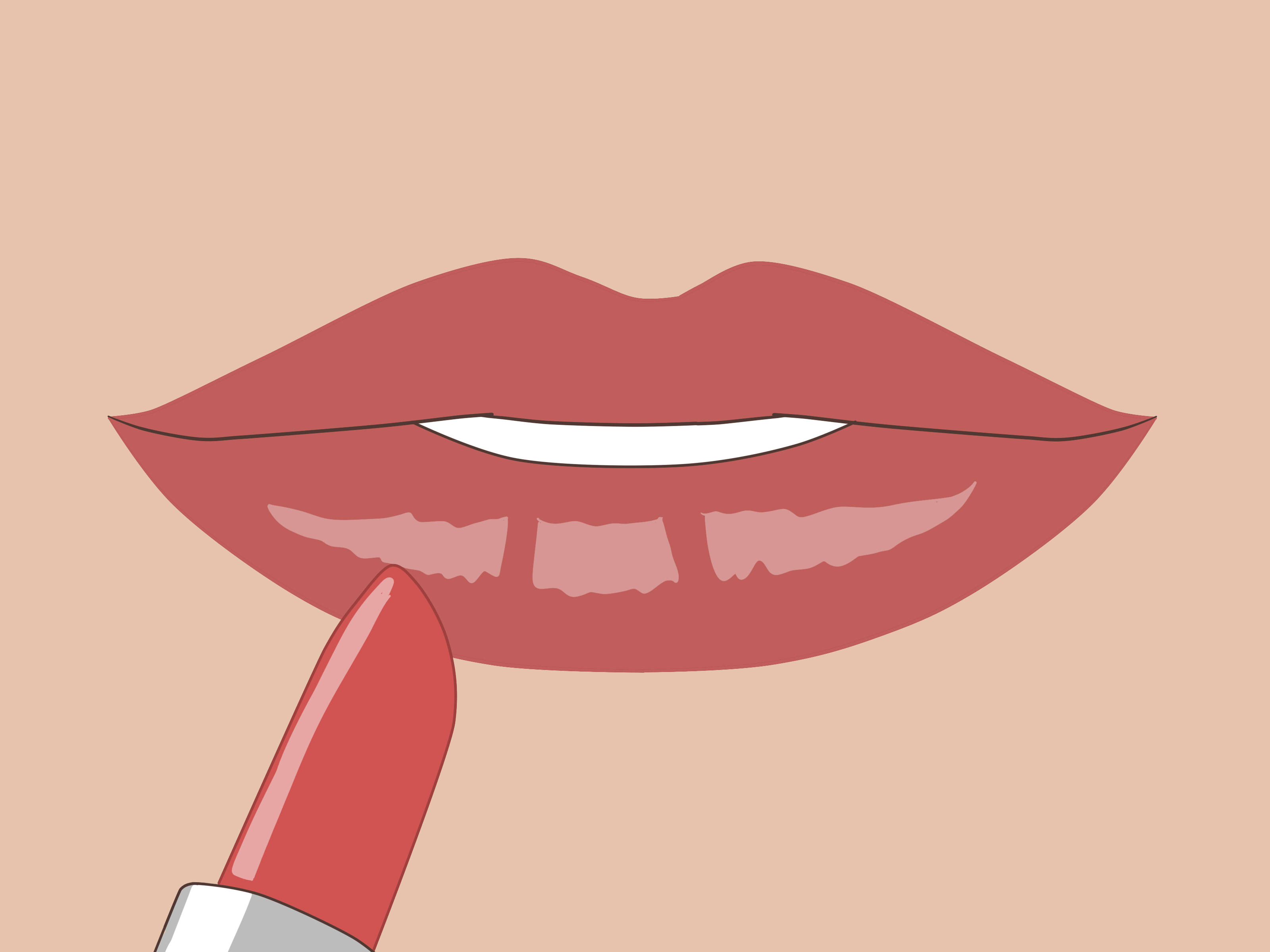
Begin with lip balm, allow it to absorb, and blot away excess. Trace the natural lip shape with a pencil close to your chosen lipstick. Defined edges contribute to a polished, adult appearance and help prevent darker colors from spreading.
Choose brick red, brown rose, muted berry, deep nude, terracotta, burgundy, or classic red. Satin and comfortable matte finishes work particularly well. Avoid excessive overlining, especially around the corners, where the illusion can become obvious.
Glossy pale-pink lips usually appear fresher and more youthful. To look older, limit shine to a small amount at the center of the lips or skip it entirely. Blot once with a tissue for a refined finish.
15. Balance, Set, and Inspect the Entire Look
Stand several feet away from the mirror and evaluate the whole face. Mature makeup depends on balance. If the eyes are dark, keep the lips controlled. If you are wearing a strong red or burgundy lipstick, soften the eye makeup.
Blend any visible foundation, contour, or brow edges. Mist the face lightly with setting spray to help the layers merge and reduce a powdery surface. Check the makeup in daylight and take a phone photo with and without flash.
Flash photography exposes unblended powder, mismatched foundation, and contour stripes with the ruthless honesty of a small child. Correct anything that looks unnatural before leaving home.
Common Mistakes When Trying to Look Older With Makeup
The most frequent mistake is assuming that “older” automatically means “more makeup.” Applying thicker foundation, darker shadow, heavier powder, and stronger lipstick all at once usually creates a theatrical result rather than a believable mature appearance.
Another problem is making every feature equally dramatic. Professional makeup artists generally create a focal point and allow supporting features to remain quieter. Strong brows, sculpted cheeks, smoky eyes, and dark lips can work together, but each should not compete for first place.
Finally, do not confuse an older look with unhealthy-looking skin. Gray foundation, severe under-eye shadow, and cracked lips may technically add years, but they rarely produce an attractive result. Structure and sophistication are more convincing than artificial fatigue.
Practical Experiences and Lessons From Trying a Mature Makeup Look
One of the biggest practical lessons is that a successful age transformation often looks underwhelming while you are standing three inches from the mirror. Subtle contour and matte neutral shadow may not seem dramatic during application, yet the change becomes much clearer from conversational distance or in a photograph.
Beginners frequently add too much contour because the first layer appears faint. Then they walk into daylight and discover two impressive brown highways running beneath their cheekbones. Starting with a tiny amount and building slowly produces a much more convincing result. It is easier to deepen a shadow than to remove a thick cream contour without disturbing the foundation beneath it.
Eyebrows also have more influence than many people expect. A person can complete an entire foundation-and-contour routine and still look youthful if the brows remain fluffy, rounded, and lightly tinted. Cleaning the lower edge, defining the arch, and extending the tail by only a few millimeters can immediately make the face appear more polished. The difference is small in measurements but large in visual effect.
Lip color creates another noticeable shift. Pale gloss can make even dramatic eye makeup appear playful, while a carefully lined brick-red or brown-rose lipstick brings the look into more sophisticated territory. However, very dark lipstick can make the mouth look smaller. People with naturally thin lips often get a better result from medium-depth colors with a satin finish rather than a completely flat, nearly black matte.
Lighting changes everything. Bathroom lighting may soften contour and hide powder, while daylight reveals every edge. Before wearing the look to an important event, test it near a window and photograph it from several angles. A look designed for a stage may need stronger shadows because the audience is far away. Makeup for an interview, dinner, or headshot should be softer because other people will see it close up.
Product texture matters as much as color. A matte finish can create a mature effect, but overly dry foundation may separate around the nose and mouth. The best compromise is usually hydrated skin underneath a satin or soft-matte base, followed by powder only where shine needs to be controlled.
It is also helpful to change one feature at a time during practice. Try the foundation and contour one day, then experiment with structured brows or deeper lipstick on another. Photograph each version and compare the results. This makes it easier to identify which techniques genuinely change your appearance and which simply make you feel as though you are wearing more makeup.
The final lesson is that confidence completes the illusion. Makeup may add structure and sophistication, but posture, facial expression, and styling affect how the finished look is perceived. Relaxed shoulders, deliberate movements, and clothing that matches the makeup often create a more mature impression than another layer of bronzer ever could.
How to Adapt the Look for Different Situations
For Professional Photos
Use medium coverage, defined brows, restrained contour, matte neutral eyeshadow, and a satin lipstick. Avoid excessive shimmer because it may reflect unpredictably under studio lighting.
For Stage or Costume Makeup
Deepen the cheek, temple, jaw, and eye-socket shadows so they remain visible from a distance. You may also add subtle expression lines with a fine brush, but blend them carefully and study how natural lines follow facial movement.
For Everyday Sophistication
Keep the complexion natural and concentrate on two or three changes: structured brows, soft contour, and a muted lipstick. This creates a mature effect without making the makeup feel like a disguise.
Conclusion
Learning how to use makeup to look older is primarily an exercise in controlled definition. A soft-matte complexion, strategic contour, muted blush, structured eyebrows, neutral eye makeup, and carefully lined lips can create a more mature appearance without relying on fake wrinkles or excessive product.
Practice in realistic lighting, build each layer gradually, and adjust the intensity to suit the occasion. The most believable result should still look like youjust a slightly more polished, sophisticated, and experienced version who probably knows how taxes work.
SEO Information