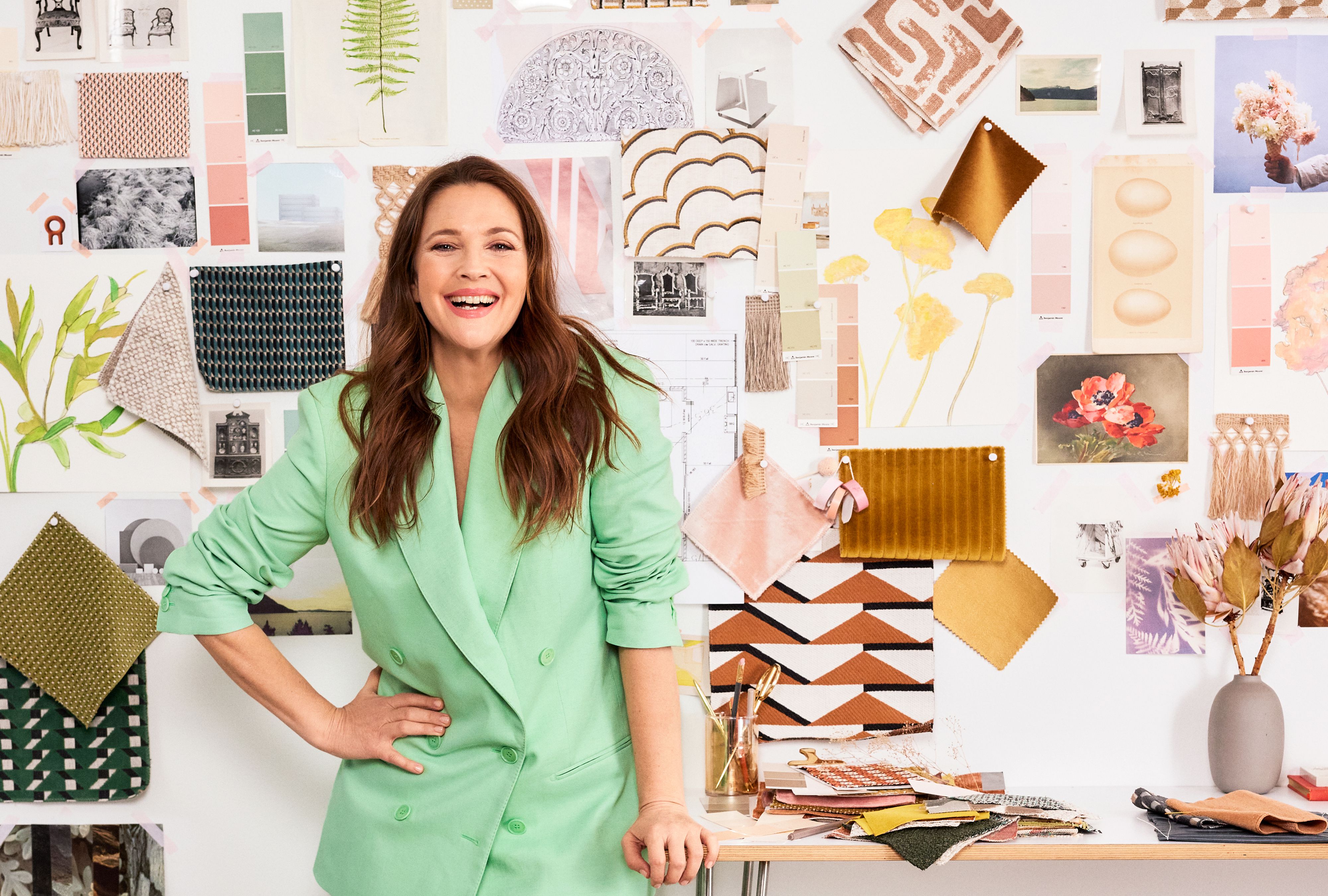

Note: This article is original, web-ready editorial content based on real public information about Drew Barrymore, her Better Homes & Gardens Stylemaker feature, her home philosophy, and her lifestyle brands. It does not reproduce source text.
Drew Barrymore has worn many labels in public: child actor, movie star, producer, talk-show host, beauty founder, cookbook author, home-design enthusiast, and human confetti cannon of optimism. But the phrase “stylemaker” fits her especially well because her style is not limited to red carpets or magazine covers. It lives in wallpapered ceilings, friendly sofas, rounded kitchen appliances, sentimental objects, cozy lighting, and a stubborn belief that a home should feel like a hug, not a museum where everyone whispers and fears the throw pillows.
That is why The Stylemaker Issue Featuring Drew Barrymore feels less like a celebrity profile and more like a decorating permission slip. Better Homes & Gardens spotlighted Barrymore in its September 2023 Stylemaker issue, placing her among creative figures shaping how Americans think about home, food, design, beauty, and everyday living. The choice made sense. Barrymore is not selling a cold, flawless version of lifestyle. She is selling warmth, usefulness, color, personality, and the radical idea that your kitchen appliances can look cute without requiring a trust fund.
Why Drew Barrymore Makes Sense as a Stylemaker
A stylemaker is not simply someone with good taste. Plenty of people have good taste and still manage to make a living room feel like a hotel lobby where joy went to take a nap. A true stylemaker influences how people live. Drew Barrymore does that by blending celebrity reach with approachable design. Her lifestyle world includes the Beautiful by Drew Barrymore home and kitchen line at Walmart, her talk show, her earlier FLOWER Beauty brand, her cookbook Rebel Homemaker, and her print magazine project, DREW.
What connects all of those projects is not polish for polish’s sake. It is optimism with practical feet. Barrymore’s style says: yes, buy the pretty toaster, but also make sure it works. Yes, light the room beautifully, but do not pretend people will never spill juice. Yes, decorate your walls, floors, and ceilings, but leave room for pets, kids, friends, snacks, laundry, and the occasional “I’ll clean this tomorrow” pile.
The Better Homes & Gardens Stylemaker Angle
The Better Homes & Gardens Stylemaker concept celebrates people who shape the design conversation across homes, gardens, food, entertaining, and lifestyle. In the 2023 issue, Barrymore stood out because she represents a very modern type of tastemaker: one who is highly visible but not intimidating. She has Hollywood history, but her design language is full of flea-market charm, family practicality, and emotional comfort.
The BHG feature emphasized how Barrymore’s home obsession grew out of a need to create a real sense of belonging. Instead of presenting interiors as perfect backdrops, she treats home as a living, breathing place. Her Manhattan apartment, shared with her daughters and pets, was described as layered, art-filled, personal, and relaxed. That matters because the current home-design audience is exhausted by spaces that look expensive but feel emotionally unavailable. People want beauty, but they also want proof that someone actually lives there.
Drew Barrymore’s Home Style: Cozy, Colorful, and Human
Barrymore’s design style is best described as eclectic comfort. It is not minimalism, though she understands restraint. It is not maximalism for the sake of visual shouting, either. Instead, it is a collected look that makes room for art, texture, memory, humor, and surprise.
In practical terms, that means painted floors, patterned wallpaper, soft lighting, inviting seating, vintage finds, artful objects, and rooms that have their own personalities. Her spaces do not look as though a designer dropped off a matching furniture set and sprinted away. They look assembled over time. That is a key lesson for readers: style becomes more interesting when it feels earned, not ordered in one panic-fueled weekend.
No Sharp Corners, Please
One of Barrymore’s most memorable design preferences is rounded furniture and soft edges. In her home and in her Beautiful line, curved shapes appear again and again. This is not just an aesthetic choice. It reflects the way she thinks about comfort, safety, and movement. A rounded table says, “Come gather here.” A sharp, severe table says, “Congratulations, your shin has entered a legal dispute.”
Lighting as Mood, Not Interrogation
Barrymore is also strongly associated with warm, flattering lighting. Her design philosophy favors sconces, pendants, paper-globe styles, and diffused glow over harsh overhead lighting. This is one of the easiest lessons for readers to borrow. A room can have beautiful furniture and still feel terrible if the lighting makes everyone look like they are being questioned about missing office supplies.
Good lighting creates emotional softness. It makes dinner feel slower, conversations feel warmer, and ordinary evenings feel designed. The best part is that this does not require a huge budget. A thrifted lamp, a warm bulb, or a plug-in wall sconce can change a room faster than a shopping cart full of trendy objects.
Closed-Concept Living Makes a Comeback
Barrymore has also expressed affection for what she calls closed-concept living. While open kitchens and great rooms have dominated home design for years, her preference is refreshingly practical. Separate rooms allow different moods, different messes, and different activities to coexist. Not everyone wants dinner guests to see the sink staging a full Broadway production called Dishes: The Musical.
This idea feels especially relevant after years of homes doing triple duty as offices, classrooms, gyms, studios, and recovery zones. A door can be a design feature. It can also be a mental-health boundary, a sound barrier, and a very helpful way to hide the laundry you promised yourself you would fold three days ago.
Beautiful by Drew Barrymore: Affordable Design With Personality
The Beautiful by Drew Barrymore line at Walmart is central to her stylemaker status because it translates her design values into accessible products. The collection includes cookware, small appliances, furniture, home decor, bedding, bath pieces, and other everyday items. Its popularity comes from a simple but powerful idea: useful things should not be ugly.
Instead of treating appliances like countertop embarrassments, the Beautiful line turns them into design pieces. Stand mixers, air fryers, toasters, cookware sets, electric kettles, and coffee makers appear in soft, playful colors such as Buttercream, Hydrangea, Rosé, and other limited shades. These colors are not just decorative gimmicks. They tap into a larger home trend: people want kitchens that feel warm, cheerful, and personal, not stainless-steel laboratories where joy is measured in ounces.
The Appeal of Pretty Practicality
The genius of the Beautiful line is that it meets shoppers where they are. Many people want a better-looking home, but not everyone can replace cabinets, renovate a kitchen, or hire a designer. A colorful toaster or rounded air fryer is a smaller commitment. It gives the room a lift without requiring a contractor, a permit, or a dramatic phone call to your savings account.
That is very Drew Barrymore. Her design approach is not about waiting until life is perfect. It is about adding beauty now, even if the room is still messy, the budget is modest, and the dog has claimed the best chair as a personal kingdom.
From Beauty to Home: The FLOWER Effect
Before Beautiful became a home favorite, Barrymore had already built a reputation in accessible beauty through FLOWER Beauty. The brand became known for affordable, cruelty-free cosmetics and earned praise from beauty fans over its long run. Although recent reporting has indicated that FLOWER Beauty has been winding down, its influence remains part of Barrymore’s larger lifestyle story.
FLOWER Beauty showed that Barrymore understood a mass-market audience. She did not treat affordability as a compromise. She treated it as a design challenge. That same thinking appears in her home products. The message is consistent: good design should feel democratic, friendly, and fun.
The Drew Barrymore Show and the Power of Authenticity
Barrymore’s daytime talk show adds another layer to her stylemaker identity. On television, she has built a brand around emotional openness, curiosity, celebrity interviews, lifestyle segments, food, beauty, design, and everyday optimism. The show is not just a promotional platform; it is an extension of her worldview.
That matters for SEO readers searching for The Stylemaker Issue Featuring Drew Barrymore because the article is not simply about one magazine cover. It is about a full ecosystem. Barrymore’s home design, media presence, product lines, and personal storytelling all support the same image: approachable, imperfect, warm, creative, and unusually sincere for someone who has spent almost her entire life in show business.
What Readers Can Learn From Drew Barrymore’s Style
The most useful part of Barrymore’s design influence is that it can be copied without copying her exact apartment. You do not need painted books, a Manhattan prewar building, or a celebrity-level art collection. You need a willingness to make your home more personal.
1. Decorate for Feeling First
Before choosing a color palette, ask what you want the room to feel like. Calm? Playful? Romantic? Creative? Family-friendly? Barrymore’s interiors work because they begin with mood. A room that feels good will usually look better because the choices have a purpose.
2. Use Color as a Mood Booster
Color does not have to scream. It can whisper, wink, or hum softly in the corner. A pastel appliance, a patterned pillow, a painted ceiling, or a cheerful rug can shift the energy of a room. Barrymore’s style proves that color is not childish. Used well, it is emotional architecture.
3. Mix High, Low, Old, and New
One of the smartest takeaways from the Stylemaker issue is that personality often comes from the mix. A thrifted lamp can sit beside a new sofa. A budget-friendly rug can support meaningful art. A family object can matter more than a designer object. The goal is not to impress imaginary guests. The goal is to make the room feel like yours.
4. Let Real Life Stay in the Picture
Barrymore’s home philosophy leaves space for children, pets, projects, and mess. That is refreshing in an online world where many rooms appear untouched by weather, appetite, or gravity. A beautiful home does not have to erase real life. In fact, the best homes usually reveal it.
Why This Stylemaker Issue Still Feels Relevant
Even though the BHG Stylemaker issue featuring Drew Barrymore was published in 2023, its ideas feel current because the design world is still moving toward warmth, individuality, and livable charm. After years of sterile minimalism and copy-paste interiors, people are craving homes with soul. They want rooms that hold memories, not just matching accessories.
Barrymore’s influence fits this shift perfectly. Her version of style is not about perfection. It is about emotional hospitality. It invites people in. It gives them somewhere soft to sit. It allows a room to be beautiful and slightly chaotic at the same time, which is probably the most honest design philosophy available to anyone who owns pets, has children, cooks dinner, or has ever placed a pile of mail somewhere “temporarily” and then watched it become a permanent resident.
Experience Section: Living With Drew Barrymore-Inspired Style
Trying to apply the spirit of The Stylemaker Issue Featuring Drew Barrymore in real life starts with one surprisingly difficult step: stop decorating for approval. Many people arrange their homes as if a panel of imaginary judges might walk in with clipboards. Drew Barrymore’s style suggests a better question: does this space make daily life feel warmer, easier, and more like me?
Imagine a small apartment kitchen with plain cabinets, a rental-friendly layout, and exactly zero architectural drama. A typical design response might be frustration. A Barrymore-inspired response would be play. Add a soft-colored toaster or kettle. Hang art where people expect nothing. Put a small lamp on the counter if there is space. Use a patterned dish towel because even dish towels deserve a personality. Suddenly the kitchen does not need to be renovated to feel loved.
The same idea works in a living room. Instead of chasing a showroom look, start with comfort. Choose seating that people actually want to sit on. Add pillows with texture. Use warm bulbs instead of cold overhead lighting. Bring in one odd object that makes you smile. It might be a vintage vase, a framed postcard, a strange little sculpture, or a flea-market lamp that looks like it has lived several interesting lives. That object becomes a conversation starter because it has character.
Bedrooms benefit even more from this approach. A bedroom should not feel like a furniture catalog. It should feel like a personal retreat. Barrymore’s love of wallpapered ceilings and layered softness is a reminder that the “fifth wall” above your head matters. If wallpaper is too much, try a fabric canopy, a painted accent, soft curtains, or better bedside lighting. The point is to create an atmosphere that helps your nervous system exhale.
One of the most practical experiences connected to this topic is learning that style does not happen in one shopping trip. It develops through edits, experiments, mistakes, and small upgrades. You might buy the wrong rug. You might paint something and then wonder if the paint was secretly chosen by a circus committee. That is fine. A personal home evolves. Drew Barrymore’s style is charming partly because it does not pretend every choice came from a perfect plan.
Another useful lesson is that affordable design is not inferior design. Many people delay making their homes pleasant because they think everything has to be expensive to count. Barrymore’s mass-market home line challenges that idea. A budget-friendly appliance, a low-cost lamp, or a simple framed print can still improve daily life. Good design is not only about rarity. It is about usefulness, beauty, proportion, and joy.
Finally, the biggest experience lesson is emotional: your home should support who you are becoming, not just display what you bought. Drew Barrymore’s public style story is tied to homemaking, reinvention, motherhood, creativity, business, and resilience. That is why her Stylemaker issue resonates. It treats style as a form of self-expression and care. A home can be pretty, yes. But it can also be forgiving, funny, layered, practical, safe, and alive. That is a design trend worth keeping.
Conclusion
The Stylemaker Issue Featuring Drew Barrymore captures why Barrymore remains a compelling lifestyle figure. She does not present style as a rigid formula. She presents it as a warm invitation. Her homes, products, beauty projects, media work, and design preferences all point toward the same idea: life is messy, but it can still be beautiful. Maybe especially then.
For readers, the takeaway is simple. Add the lamp. Paint the floor. Choose the rounded table. Buy the cheerful appliance if it makes breakfast feel less tragic. Put art where there was a blank wall. Let your home tell the truth about you, including the funny parts. That is the Drew Barrymore stylemaker lesson: beauty works best when it has a heartbeat.