“Painful”: Simone Biles Draws PETA’s Ire After Allegedly Buying Dog With Chopped-Off Ears

Note: This article discusses public allegations, online criticism, and animal-welfare concerns. It does not claim that Simone Biles personally performed or ordered any procedure on the dog.
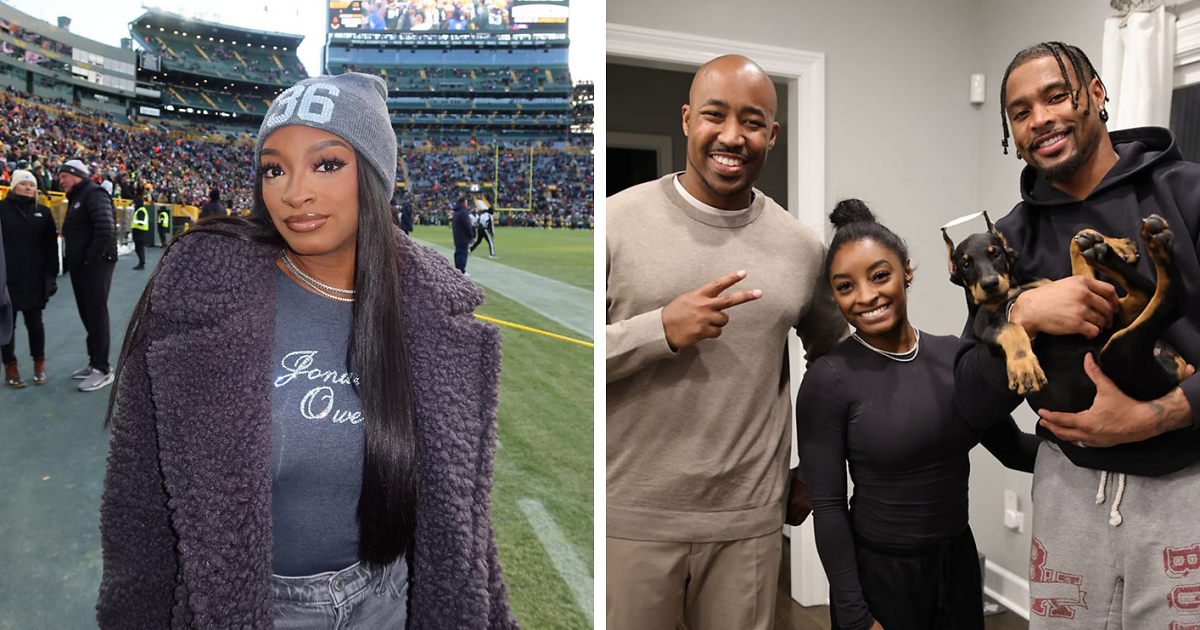
Simone Biles is used to sticking impossible landings. This time, however, the Olympic legend found herself in a very different kind of spotlight: not for a vault, not for a medal, and not for a dazzling comeback, but for a puppy photo that sparked a fierce animal-welfare debate. The controversy began after Biles and her husband, NFL player Jonathan Owens, were linked to a Doberman puppy that appeared to have cropped ears. PETA quickly criticized the couple, arguing that ear cropping is painful, unnecessary, and often done for appearance rather than health.
The story spread quickly because it contains the internet’s favorite recipe for instant combustion: a beloved celebrity, an adorable dog, a controversial practice, and thousands of people suddenly becoming veterinary ethics professors in the comments section. But beyond the outrage, the issue raises a serious question: why are dogs still being surgically altered to match a human idea of toughness, elegance, or breed tradition?
Ear cropping has long been associated with breeds such as Doberman Pinschers, Great Danes, Cane Corsos, Boxers, and some terriers. Supporters often point to tradition, breed standards, and working-dog history. Critics counter that most modern ear cropping is cosmetic, painful, and medically unnecessary. The Simone Biles PETA controversy turned that long-running argument into a mainstream conversation again.
What Happened With Simone Biles, PETA, and the Doberman Puppy?
The backlash began after a photo circulated showing Biles, Owens, and a Doberman puppy reportedly obtained from a breeder. Observers noticed that the dog’s ears appeared to be cropped, meaning part of the ear had been surgically removed so the ears could eventually stand upright. PETA publicly condemned the decision, arguing that the couple could have adopted a dog instead of purchasing one from a breeder and criticizing the cosmetic alteration of the puppy’s ears.
The criticism landed hard because Biles is not just any celebrity. She is one of the most decorated gymnasts in history and a public figure many fans associate with excellence, discipline, and resilience. When someone with that level of influence is seen with a dog that appears to have undergone a controversial procedure, the conversation naturally expands beyond one pet. It becomes a debate about celebrity responsibility, breeder culture, animal welfare, and what fans expect from people they admire.
To be fair, the available public information does not prove that Biles personally requested the ear cropping. In many cases, breeders crop a puppy’s ears before the dog goes to its new home. That distinction matters. Still, PETA’s point was broader: buying a puppy with cropped ears can normalize and reward a practice that animal-welfare advocates want eliminated.
What Is Ear Cropping?
Ear cropping is a surgical procedure in which part of a dog’s external ear flap is removed. The remaining ear is often taped or posted for weeks or months to encourage it to stand upright. The final look is familiar: sharp, alert, and angular. It is the classic Doberman silhouette many people recognize from movies, security imagery, and dog-show photos.
But that look does not happen magically. It involves anesthesia, cutting, healing, aftercare, and the possibility of complications such as infection, bleeding, poor healing, scarring, or the need for corrective procedures. Puppies may also endure repeated taping and handling during the healing process. That is why many veterinary and animal-welfare organizations describe cosmetic ear cropping as unnecessary and harmful.
Historically, some owners believed cropped ears protected working dogs from injuries during hunting, guarding, or fighting. Today, those arguments are widely disputed for household pets. Most dogs are not wrestling wolves in the backyard unless the backyard is extremely poorly managed. For the average family dog, the procedure is usually about appearance, not survival.
Why PETA Called the Procedure “Painful”
PETA has long opposed ear cropping and tail docking, calling them cosmetic mutilations that deprive dogs of natural body parts. In the Biles controversy, the organization emphasized that cropping a puppy’s ears is not a cute style choice like buying a sparkly collar. It is surgery. And unlike a collar, the puppy cannot take it off when it feels annoying.
The American Veterinary Medical Association also opposes ear cropping and tail docking when performed for cosmetic or nontherapeutic reasons. Many veterinarians refuse to perform ear cropping unless there is a legitimate medical need, such as injury or disease. That professional stance adds weight to the criticism: this is not merely a social-media pile-on, but part of a larger shift in veterinary ethics.
Animal advocates also point out that dogs use their ears and tails to communicate. A relaxed ear position, a lifted ear, a tail wag, or a tucked tail can all help dogs signal emotion to humans and other dogs. Altering those body parts may affect how dogs express themselves and how others perceive them. In other words, cropped ears do not just change a dog’s look; they may change how the world reads the dog.
The Breeder Debate: Adoption vs. Buying From a Breeder
PETA’s criticism did not stop at ear cropping. The group also objected to the reported decision to get the puppy from a breeder while shelters across the United States continue to care for adoptable dogs. This is one of the most emotional parts of the debate because it touches a nerve for animal lovers: when so many dogs need homes, should celebrities promote buying puppies from breeders?
The answer depends on whom you ask. Adoption advocates argue that choosing a shelter or rescue dog saves lives and reduces demand for commercial breeding. Responsible-breeding advocates argue that ethical breeders can preserve breed health, screen for genetic problems, and match dogs carefully with owners. The real villain, many experts agree, is not every breeder but irresponsible breeding: puppy mills, poor socialization, weak health testing, and selling dogs like designer handbags with paws.
Still, when a famous person chooses a breeder, the optics matter. A celebrity photo can function like a silent endorsement. Fans may not read a 40-page guide on ethical dog ownership, but they will see the puppy. They will notice the breed. They may want the same look. That is why animal-rights groups react so strongly when high-profile owners appear with cosmetically altered dogs.
Why Dobermans Are So Often Associated With Cropped Ears
Dobermans are elegant, athletic, loyal, and famously alert. They also carry a pop-culture reputation as serious guard dogs. Their cropped-ear look became so common that many people mistakenly think Dobermans are born that way. They are not. Natural Doberman ears are soft and floppy, giving them a surprisingly sweet expression. Think less “villain’s mansion security team” and more “velvety-eared goofball who stole your sock.”
The cropped look became popular through breed standards, working-dog traditions, and human preference. Some supporters say it preserves the classic Doberman appearance. Critics say “classic” is not a good enough reason to cut a puppy’s ears. Traditions can be meaningful, but they can also outlive their usefulness. Once society learns more about pain, welfare, and animal communication, old customs deserve a second look.
Is Ear Cropping Legal in the United States?
In the United States, ear cropping is not banned nationwide. Rules vary by state and locality, and in some places the procedure is allowed if performed by a licensed veterinarian under proper conditions. That legal gray area fuels confusion. Many people assume that if something is legal, it must be ethical. Unfortunately, history is full of legal things that later generations looked back on and said, “Well, that was a choice.”
Several countries have taken a stricter approach. Ear cropping is banned or heavily restricted in many parts of Europe and elsewhere. That international contrast often appears in debates about American pet culture. Critics argue that the United States lags behind other countries when it comes to banning cosmetic procedures on companion animals.
Legality, however, is only one piece of the puzzle. A procedure can be legal, performed by a professional, and still be ethically questionable if it offers little or no benefit to the animal. That is the heart of the ear-cropping controversy.
Why the Internet Reacted So Strongly
Part of the reaction came from genuine concern for the puppy. Another part came from the emotional mismatch between Biles’ public image and the optics of the situation. Biles has inspired millions by speaking openly about mental health, boundaries, and the pressure placed on athletes. She represents strength without silence. So when critics saw her associated with a dog that appeared to have undergone a painful cosmetic procedure, many felt disappointed.
But online outrage has a tendency to sprint before it stretches. Some comments accused Biles directly, even though the public facts do not establish who made the decision or when the procedure was performed. Others attacked the breeder, the couple, and anyone who defended cropped ears. The conversation quickly moved from animal welfare to celebrity judgment, which is where nuance often goes to take a nap.
A better conversation would separate three issues: whether ear cropping is ethical, whether buying from breeders contributes to shelter overcrowding, and how much responsibility a celebrity has when their pet choices become public. Those issues overlap, but they are not identical.
The Medical and Ethical Arguments Against Cropping
The strongest argument against cosmetic ear cropping is simple: it benefits humans more than dogs. The dog does not request a sharper silhouette. The puppy is not scrolling through breed-standard forums asking whether its ears look sufficiently dramatic. The desire comes from people.
Veterinary critics point to pain, anesthesia risks, infection risk, and the absence of strong evidence that cropping prevents common ear problems. In fact, breeds often prone to ear infections are not necessarily the breeds most commonly cropped. That weakens the claim that cropping is primarily about health.
There is also a communication argument. Dogs rely on body language. Ears and tails help convey fear, excitement, confidence, curiosity, and stress. Removing or reshaping those tools may make communication harder. This matters because misunderstandings between dogs and people can lead to anxiety, poor socialization, or even bites.
The Arguments Supporters Make
Supporters of ear cropping usually make several points. They argue that the procedure is part of breed history, that it can be done safely by veterinarians, that some working dogs may benefit from reduced injury risk, and that owners should have freedom to choose within the law. Some also claim cropped ears improve hygiene or hearing, though many veterinary professionals dispute those benefits for typical pets.
The strongest supporter argument is probably about tradition and breed identity. For decades, dog shows and breed imagery rewarded certain looks. If owners and breeders have been taught that a “proper” Doberman has upright ears, changing that standard feels like changing the breed itself. But breeds are not museum pieces. They are living animals. When welfare knowledge changes, standards can change too.
There is nothing weak, lazy, or less Doberman about natural ears. A healthy, well-trained, well-loved Doberman with floppy ears is still a Doberman. It can still be loyal, athletic, protective, and smart enough to know exactly when you opened the treat drawer from three rooms away.
Celebrity Influence and Pet Ownership
Celebrity pet choices have real-world impact. When a famous person appears with a certain breed, demand can rise. This has happened with Dalmatians after movies, French Bulldogs after celebrity exposure, and designer mixes after social-media trends. The problem is that popularity can lead to impulsive buying, poor breeding, and overwhelmed rescues when owners discover that cute puppies become adult dogs with needs, bills, and opinions.
Biles and Owens may love their puppy deeply. That is not the same question as whether the public image sends the best message. A celebrity can be a caring pet owner and still become part of a harmful trend. Public criticism often feels personal, but the broader issue is cultural: what do we reward, normalize, and copy?
The best outcome from this controversy would not be harassment. It would be education. Fans can learn what cropped ears actually involve. Breeders can reconsider whether cosmetic procedures are worth defending. Kennel clubs can continue updating standards. And pet owners can ask better questions before bringing home a dog.
What Future Dog Owners Can Learn From the Controversy
The Simone Biles dog controversy offers several practical lessons for anyone thinking about getting a puppy. First, research the breed beyond appearance. Dobermans are intelligent, energetic, and loyal, but they need training, exercise, socialization, and consistent leadership. They are not decorative statues with Wi-Fi-enabled ears.
Second, ask breeders direct questions. Do they crop ears or dock tails? Do they require it? Can you choose a natural-eared puppy? What health testing do they perform? Can you meet the puppy’s parents? Do they take dogs back if the placement fails? Ethical breeders should welcome serious questions, not treat them like personal insults.
Third, consider adoption. Many breed-specific rescues help place Dobermans and other purebred dogs. Shelters also have wonderful mixed-breed dogs with every ear style imaginable: floppy, pointy, airplane mode, one-up-one-down, and “mysterious satellite dish.” Adoption may not be right for every household, but it deserves a genuine look.
Why This Story Matters Beyond Simone Biles
It is easy to reduce the story to one celebrity headline: “Simone Biles criticized by PETA.” But the bigger issue is how humans decide what animals should look like. We have bred dogs into hundreds of shapes, sizes, coats, and temperaments. Some choices improved companionship and working ability. Others created health problems or normalized cosmetic alterations that serve human taste more than animal welfare.
Ear cropping sits at that uncomfortable intersection. It is familiar enough that some people barely notice it, but invasive enough that animal advocates see it as unacceptable. The controversy around Biles simply made that tension visible to a much larger audience.
Public figures can help shift norms by choosing natural-eared dogs, adopting when possible, and speaking openly about humane care. But ordinary pet owners matter too. Every decision sends a small market signal. When buyers stop requesting cropped ears, breeders have less reason to provide them. When dog shows reward natural appearance, standards evolve. When fans praise healthy, unaltered dogs, culture moves.
Personal Experiences and Everyday Lessons From the Ear-Cropping Debate
For many dog lovers, this topic feels personal because it changes the way they look at dogs they have seen their whole lives. Someone might grow up thinking a Doberman’s upright ears are natural, only to learn years later that the look came from surgery. That realization can feel jarring. It is a little like discovering that the “effortless” celebrity beach waves took three stylists, two curling irons, and a small weather system.
In everyday life, conversations about cropped ears often happen at dog parks, vet offices, training classes, and family gatherings. One person may say, “That dog looks powerful.” Another may say, “I wish they had left the ears alone.” Both reactions reveal how appearance shapes perception. Cropped ears can make a dog seem more intimidating, even when the dog is sweet, goofy, and mainly interested in sniffing a tennis ball that has been missing since 2019.
Pet owners who have adopted dogs with cropped ears sometimes describe mixed emotions. They love the dog completely, but they feel sadness knowing the animal underwent a procedure it did not choose. That experience is important because it reminds us not to blame the dog or shame people who rescue altered animals. A cropped-ear rescue dog deserves the same affection, patience, and excellent snacks as any other dog. The ethical concern is about continuing the practice, not rejecting dogs who already live with its results.
Families considering a puppy can use this controversy as a checklist moment. Before choosing a breeder or rescue, they can discuss what matters most: health, temperament, training needs, cost, time, and ethics. They can ask whether a certain look is truly important or whether they have absorbed an image from movies, social media, or breed stereotypes. Sometimes the most responsible pet decision begins with admitting, “I liked the look, but I did not understand the process.”
There is also a lesson in how people respond to celebrity controversies. Anger can spread awareness, but cruelty rarely creates better animal welfare. Threats, harassment, and personal attacks do not help dogs. Education does. Clear explanations, veterinary guidance, adoption resources, and pressure on outdated breed standards are more useful than trying to win the comment-section Olympics.
The best pet culture is not built on perfection. It is built on learning. Many people once accepted practices they later reconsidered: declawing cats, keeping dogs chained for long periods, skipping enrichment, or choosing breeds based only on looks. As knowledge improves, responsible owners change. That is not hypocrisy; that is growth. Dogs are remarkably forgiving creatures. The least humans can do is become better on purpose.
So, while the headline centers on Simone Biles and PETA, the takeaway belongs to everyone who loves animals. Before buying or adopting a dog, look beyond the photo. Ask what the animal has experienced. Ask what the breed needs. Ask whether a tradition helps the dog or merely pleases the human eye. A dog’s ears do not need to stand like tiny architectural monuments to prove the animal is beautiful, brave, or worthy. Sometimes the soft, floppy version is not only enough; it is exactly right.
Conclusion
The controversy over Simone Biles, PETA, and the Doberman puppy with allegedly cropped ears is more than a celebrity dust-up. It is a reminder that pet ownership carries ethical choices, especially when those choices are amplified by fame. Ear cropping remains legal in parts of the United States, but legality does not end the welfare debate. Veterinary organizations, animal-rights advocates, and many pet owners increasingly view cosmetic cropping as painful and unnecessary.
Biles may continue to be admired for her athletic achievements, and the puppy at the center of the controversy deserves love and care regardless of the debate surrounding its ears. But the public conversation still matters. It pushes future owners to ask better questions, encourages breeders to rethink cosmetic traditions, and reminds everyone that dogs are not accessories. They are living companions, complete with natural ears, wagging tails, big feelings, and an unmatched talent for making humans argue online while they peacefully chew a squeaky toy.