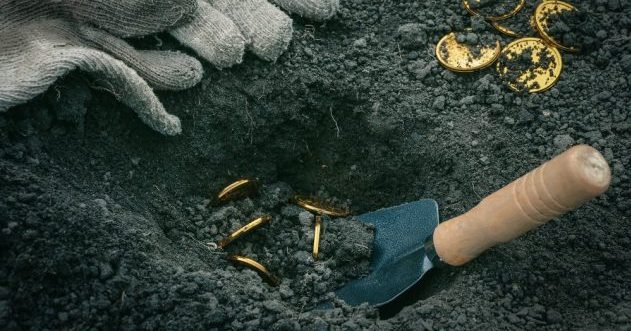

Treasure does not always arrive in a velvet-lined chest guarded by a cranky pirate skeleton. Sometimes it jingles in your pocket, glitters in wet sand, hides in a thrift-store bowl, or waits under a park bench in a waterproof container with a tiny logbook inside. The fun of treasure hunting is not only about finding something expensive. It is about noticing what other people walk past.
This guide explores ten of the most easily found treasures for beginners, families, hobby collectors, weekend wanderers, and anyone who has ever looked at the ground and thought, “Hmm, that rock seems oddly important.” These are realistic treasures: coins, sea glass, fossils, gemstones, geocaches, vintage finds, and small collectibles that can be discovered without hiring a dive crew or decoding a 300-year-old map.
Before grabbing a shovel and marching into the sunset like an underfunded Indiana Jones, remember the golden rule: treasure hunting must be legal, respectful, and safe. Many public lands, beaches, parks, historic areas, tribal lands, and protected natural sites restrict collecting. When in doubt, ask first, take photos instead of objects, and never disturb archaeological sites, wildlife, dunes, nests, or private property.
1. Pocket Change Coins
The easiest treasure to find may already be in your wallet, junk drawer, cup holder, or sofa crack. Coin collecting is one of the most beginner-friendly hobbies because it can start with coins you already own. You do not need a glass case, a magnifying visor, or the intense stare of a museum curator. You need patience, curiosity, and maybe a small container so your “collection” does not become “loose change avalanche.”
What to Look For
Start with wheat pennies, older nickels, state quarters, bicentennial quarters, unusual mint marks, error coins, and coins in unusually good condition. A coin does not have to be ancient to be interesting. Sometimes the value comes from rarity, condition, minting mistakes, metal content, or collector demand.
Beginners should avoid cleaning coins. It feels helpful, like giving Abraham Lincoln a spa day, but cleaning can damage the surface and reduce collector value. Instead, store interesting coins separately in soft flips, coin folders, or small envelopes marked with the date and location where you found them.
2. Sea Glass
Sea glass is trash that went through a dramatic glow-up. Broken glass enters the ocean, gets tumbled by sand and waves, and eventually returns as smooth, frosted pieces that look like tiny beach jewels. Common colors include clear, brown, and green. Blue, red, orange, and lavender pieces are rarer and usually more exciting to collectors.
Where It Is Commonly Found
Sea glass often appears on beaches near older coastal towns, former dumping areas, rocky shorelines, and places where wave action naturally sorts small objects. The best time to search is usually after storms or at low tide, when fresh material may be exposed. Bring a small bag, wear shoes, and watch the tide. No treasure is worth sprinting away from an incoming wave while holding three green pebbles and one suspicious shell.
Important note: some beaches and parks prohibit removing sea glass, rocks, shells, or other natural and historical materials. Always check posted rules before collecting. In protected areas, enjoy the find, take a photo, and leave it for the next lucky beachcomber.
3. Seashells
Seashells are the classic beach treasure. They are beautiful, easy to spot, and endlessly varied. Even common shells can become memorable when they come from a family trip, a quiet morning walk, or a beach where the sunrise looked like it had been edited by a professional graphic designer.
How to Collect Responsibly
The safest shells to collect are empty shells with no living animal inside. Never take live shells, sand dollars, starfish, coral, or anything that may still be part of the local ecosystem. Some beaches ban shell collecting entirely, while others allow limited collection of empty shells. Wildlife refuges, marine sanctuaries, state parks, and national parks may have stricter rules.
Look along the wrack line, where waves leave seaweed, driftwood, and small objects. Early morning is often best because fewer people have searched the beach. Bring a mesh bag, rinse shells gently, and label them by location. A labeled shell collection feels like a travel diary written by the ocean.
4. Geocaches
Geocaching is modern treasure hunting with GPS coordinates instead of a faded pirate map. Participants use a phone app or GPS device to find hidden containers called geocaches. These containers can be tiny magnetic tubes, lunchbox-sized containers, or clever hides that make you question every fake rock within a ten-foot radius.
Why Geocaching Is Easy to Start
There are geocaches in cities, parks, neighborhoods, trails, and travel destinations around the world. Most contain a logbook for finders to sign, and some include small trade items. The rule is simple: if you take something, leave something of equal or greater value. Think stickers, keychains, tiny toys, or souvenir tokensnot your half-eaten granola bar, no matter how emotionally attached you are to it.
Geocaching is especially good for beginners because the “treasure” is the hunt itself. It teaches observation, navigation, patience, and the fine art of pretending you are casually tying your shoe while actually searching under a bench.
5. Interesting Rocks and Minerals
Rockhounding is the hobby of collecting rocks, minerals, and semiprecious stones. It is one of the most accessible forms of treasure hunting because rocks are, scientifically speaking, everywhere. The trick is learning which rocks are ordinary driveway gravel and which ones deserve a proud place on your shelf.
Common Finds for Beginners
Quartz, agate, jasper, calcite, mica, obsidian, and petrified wood are popular beginner finds in many parts of the United States. Quartz is especially common and may appear as clear, milky, smoky, rose-colored, or crystal-like pieces. Agates can show bands, swirls, or translucent edges when held up to light.
Public lands may allow limited collecting for personal, noncommercial use, but rules vary by agency, site, state, and land designation. National monuments, wilderness areas, protected habitats, mining claims, and archaeological sites may restrict or ban collecting. Always check local land-management rules before pocketing your new favorite pebble.
6. Fossils and Shark Teeth
Fossils are time capsules from ancient life, and some are surprisingly easy to find in the right areas. Common beginner fossils include shells, coral, crinoid stems, plant impressions, ammonite fragments, and fossilized shark teeth. Shark teeth are especially popular because they are durable, recognizable, and often found on beaches and riverbanks in fossil-rich regions.
Beginner-Friendly Fossil Spots
Fossils are commonly found in sedimentary rocks such as limestone, shale, and sandstone. Beaches, river gravel bars, road cuts, and exposed rock layers can reveal fossils naturally through erosion. In places like parts of Florida, fossilized shark teeth are famous beginner finds, though permits may be required for certain vertebrate fossils depending on location and land ownership.
Do not dig into cliffs, disturb protected sites, or collect from national parks or other areas where removal is prohibited. If you find something that seems scientifically significant, photograph it, record the location, and contact a local museum, university, or land manager. Sometimes the best treasure is being the person who helps preserve a discovery.
7. Lost Jewelry on Beaches and Playgrounds
Rings, earrings, bracelets, and charms are among the most commonly lost small treasures. Beaches, volleyball courts, picnic areas, playgrounds, sports fields, and swimming spots are classic places where jewelry slips off, especially when sunscreen, water, sand, and gravity form their usual troublemaking committee.
How to Search Ethically
Some people use metal detectors to search for lost jewelry, but metal detecting rules vary widely. It is often restricted or prohibited in national parks, archaeological areas, protected lands, and some beaches or municipal parks. Private property requires permission. If you find an item with a clear ownersuch as a class ring, engraved piece, or item reported lostmake a good-faith effort to return it.
Ethical treasure hunting builds trust. A returned wedding ring creates a better story than a hidden one. Also, it dramatically reduces the odds of being haunted by the ghost of someone’s anniversary plans.
8. Vintage Items at Thrift Stores and Yard Sales
Not every treasure is found outdoors. Some are hiding under fluorescent lights between a chipped mug and a ceramic goose wearing a bonnet. Thrift stores, estate sales, flea markets, yard sales, and charity shops are excellent places to find undervalued vintage treasures.
What to Watch For
Look for vintage costume jewelry, old books, first editions, vinyl records, advertising tins, postcards, handmade pottery, quality tools, cast iron cookware, mid-century glassware, and branded clothing. The key is learning patterns: maker’s marks, materials, construction quality, age clues, and condition.
One practical approach is to pick a narrow category and study it. Instead of trying to identify every valuable object ever made, start with vintage scarves, old cameras, postcards, or glassware. Over time, your eye improves. Eventually, you become the person who spots a $2 treasure while everyone else is distracted by a singing fish plaque.
9. Old Bottles and Jars
Antique bottles are popular collectibles because they combine history, design, and a satisfying “I found this!” feeling. Old medicine bottles, soda bottles, ink bottles, milk bottles, and canning jars can be found at flea markets, estate sales, old farm sales, and sometimes legally on private land with permission.
How to Identify Better Bottles
Collectors look at color, embossing, seams, bottle shape, maker’s marks, closures, bubbles in the glass, and signs of age. Cobalt blue, amber, aqua, and unusual shapes often attract attention. Embossed local business names can also be collectible because they connect the bottle to a specific place and time.
Do not dig in old dumps, historic sites, riverbanks, or abandoned properties without permission and legal approval. Besides being illegal in many cases, old dump sites can contain broken glass, rusted metal, chemicals, unstable ground, and other hazards. A bottle is not a treasure if the bonus prize is a tetanus appointment.
10. Everyday Collectibles Hiding in Plain Sight
Some of the most easily found treasures are small collectibles that people overlook because they seem ordinary. Buttons, matchbooks, postcards, stamps, patches, pins, marbles, trading cards, souvenir spoons, old maps, and vintage photographs can all become meaningful collections.
Why Small Collectibles Matter
Small collectibles are easy to store, affordable to start, and often rich with personal history. A postcard can reveal travel trends from decades ago. A button can show old fashion habits. A matchbook can preserve the name of a restaurant that no longer exists. These objects are tiny time machines without the awkward risk of accidentally becoming your own grandfather.
The best places to find everyday collectibles are yard sales, estate sales, antique malls, family storage boxes, used bookstores, and flea markets. Ask relatives before discarding old paper items; many families throw away photos, letters, postcards, and programs without realizing they are part of a personal archive.
How to Start Treasure Hunting Without Overcomplicating It
The easiest way to begin is to choose one treasure type and spend a month learning it. Search your pocket change. Walk a legal beach after high tide. Visit one thrift store each weekend. Try one geocache near your neighborhood. Build slowly, and keep notes.
A simple treasure-hunting kit might include a small notebook, pencil, gloves, resealable bags, a phone for photos and maps, a magnifying glass, hand sanitizer, a small ruler, and a sturdy container. For beachcombing, add sunscreen, water, and shoes. For rockhounding, add eye protection if you are in an approved area where tools are allowed. For thrift hunting, add patience and the emotional strength to leave behind a 14-pound decorative rooster.
Treasure Hunting Rules That Keep the Hobby Fun
First, know where you are. Private land requires permission. Public land has rules. National parks, historic sites, protected beaches, refuges, and archaeological areas often prohibit collecting. Second, leave wildlife and habitats alone. Third, avoid dangerous digging, unstable cliffs, abandoned buildings, storm drains, construction sites, and restricted areas. Fourth, document interesting finds with photos and notes.
Finally, respect the story attached to the object. A lost ring may belong to someone. A fossil may matter to science. A family photo may deserve to be reunited with descendants. Treasure hunting is more rewarding when curiosity and ethics travel together.
Personal Experiences and Practical Lessons From Easy Treasure Hunting
The best treasure hunts often begin with low expectations. That is part of the magic. You leave the house thinking, “Maybe I’ll find a nice shell,” and return with a pocket full of wave-smoothed glass, one perfect striped rock, and the confidence of a person who has briefly outsmarted the universe.
One useful experience is learning that timing matters more than luck. On beaches, the same stretch of sand can look empty at noon and completely different after high tide or a storm. Early morning walks tend to produce better finds because fewer people have searched. The light is also softer, making glass, shells, and wet stones easier to spot. It turns out treasure hunting is partly about waking up before everyone else, which feels unfair but effective.
Another lesson is that small finds become more meaningful when you record their story. A common coin is just a coin until you remember it came from your grandfather’s desk drawer. A shell is just a shell until you label it with the beach name and date. A thrift-store postcard becomes more interesting when you research the hotel, highway, or town printed on it. Documentation turns ordinary objects into personal history.
Thrift hunting teaches a different skill: restraint. At first, everything old looks important. You may feel tempted to buy every brass candlestick, cracked teacup, and mysterious kitchen gadget that looks like it could either peel apples or launch a satellite. With experience, you learn to slow down. Check condition. Look for maker’s marks. Ask whether you actually want the item or merely enjoy the thrill of discovering it.
Coin hunting teaches patience. Most pocket change is ordinary, but sorting it sharpens your eye. You begin noticing dates, mint marks, edge details, and surface wear. The first interesting coin may not be valuable, but it proves that hidden details exist in everyday life. That is the real gateway drug of collecting: noticing.
Geocaching offers perhaps the funniest beginner lesson: people are surprisingly bad at seeing things that are slightly out of place. A cache can be hidden beside a busy walking path for years because everyone assumes the small container, fake bolt, or magnetic case belongs there. Geocaching trains you to look under, behind, around, and near without damaging anything. It is treasure hunting disguised as a puzzle walk.
Rockhounding and fossil hunting teach humility. Nature does not care about your schedule. You may find nothing for an hour, then suddenly spot a fossil shell or quartz point sitting in plain view. The secret is to move slowly and look for patterns: shapes that repeat, textures that differ, colors that stand out, or edges that seem too regular to be random. Beginners often rush. Experienced searchers wander like thoughtful turtles.
The most important experience is realizing that “easy treasure” does not always mean “valuable treasure.” A perfect piece of sea glass, a funny yard-sale pin, a smooth agate, or a found geocache may not pay your rent, but it can make a Saturday memorable. Treasure hunting gives you permission to be curious in public, to look closely, and to treat ordinary places as if they might be hiding a secret. Very often, they are.
Conclusion
Ten of the most easily found treasures are not locked away in legends. They are scattered through daily life: coins in drawers, shells on beaches, fossils in stone, geocaches in parks, vintage objects on thrift shelves, and small collectibles waiting for someone observant enough to care. The real skill is not chasing fantasy riches. It is learning how to recognize value, history, beauty, and story in places other people ignore.
Start small, follow the rules, collect responsibly, and keep good notes. Whether you find a rare coin or a humble piece of green sea glass, the reward is the same: you trained your eyes to see possibility. That is a treasure worth keeping.
Note: This article is written for general educational and hobby purposes. Always check local, state, federal, park, beach, and private-property rules before collecting, metal detecting, digging, or removing natural or historical objects.