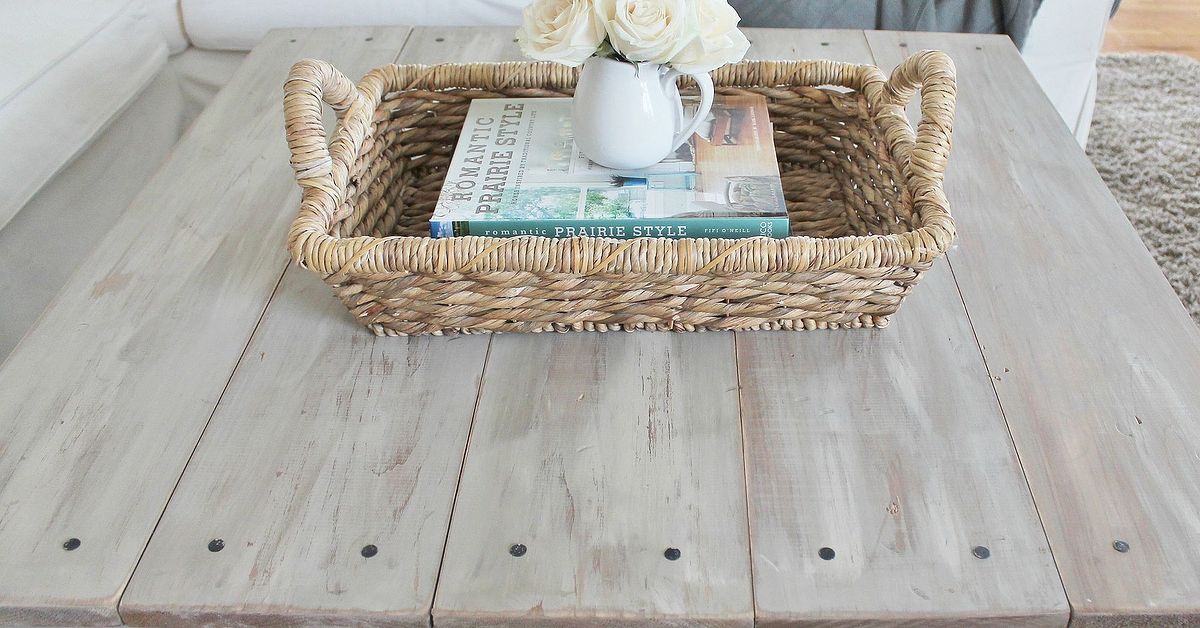

Thrifting used to be treated like a weekend treasure hunt for people with patience, a measuring tape, and the emotional strength to dig through 47 chipped mugs. In 2026, it is becoming something much bigger: a design strategy. As homeowners move away from sterile, showroom-perfect rooms, designers are pointing toward secondhand pieces that bring warmth, history, sustainability, and that magical little phrase every guest loves to hear: “Oh, I found it at a thrift store.”
The rise of thrifted home decor is not random. Interior design is leaning into personality, texture, nostalgic details, richer materials, and rooms that look collected over time instead of ordered in one frantic online shopping session. Vintage furniture, real artwork, chrome accents, natural fabrics, old-school entertaining pieces, and vintage china are all gaining momentum because they solve the same problem: modern homes need soul.
Even better, these thrifted finds often cost far less than new designer pieces while offering better materials, more character, and a lower environmental footprint. In a year when “personal style” is beating “perfect style,” the thrift store may be the most exciting design showroom in townfluorescent lighting and mystery baskets included.
Why Thrifted Decor Is Having a Major 2026 Moment
Designers say 2026 interiors are becoming warmer, more expressive, and more layered. Minimalism is not disappearing, but the cold, empty version of it is taking a polite step aside. In its place, homeowners are embracing vintage decor, antique furniture, handmade-looking details, meaningful collections, and materials that feel good to touch.
Several larger trends are feeding this shift. First, the cost of new furniture and decor has pushed shoppers to look for high-quality secondhand pieces. Second, sustainability has become a practical concern, not just a nice caption under a photo of a reusable tote. Third, younger homeowners and renters are rejecting cookie-cutter interiors in favor of spaces that feel personal. Finally, design tastemakers are celebrating old materialswood, linen, wool, silver, glass, porcelain, and patinated metalas antidotes to the fast-furniture cycle.
In short, thrifted finds are no longer the backup plan. They are becoming the main character. Here are the six thrift store categories designers expect to become even more popular in 2026.
1. Chrome Accents
Why chrome is coming back
For years, brass and gold finishes dominated home decor. They still look beautiful, but after a long reign of warm metals, designers are welcoming the cool shine of chrome back into the conversation. Chrome brings contrast to earthy rooms filled with brown, beige, wood, terracotta, and linen. It adds a crisp, slightly futuristic edge without making a space feel cold.
The best part? Thrift stores are often full of chrome pieces hiding in plain sight. Look for chrome bar carts, cocktail shakers, trays, lamps, candlesticks, picture frames, side tables, and small sculptural objects. A single shiny accent can wake up a room faster than a double espresso.
How to style thrifted chrome
The trick is balance. Chrome looks especially fresh when paired with warm wood, textured upholstery, dark chocolate brown, creamy walls, or vintage glassware. Try a chrome tray on a walnut coffee table, a chrome lamp beside a linen sofa, or chrome candleholders on a traditional dining table. The contrast keeps the room from feeling too themed.
When shopping, check for heavy weight, smooth surfaces, and minimal rust. Light scratches can add character, but deep pitting or peeling may be difficult to fix. If you spot a well-made chrome piece with clean lines, grab it. By the time everyone else catches on, it may already be sitting smugly on your shelf.
2. Natural Fabrics
Why linen, wool, cotton, and silk are in demand
Natural fabrics are becoming one of the most desirable thrifted finds for 2026 because they fit perfectly with the move toward healthier, softer, more tactile homes. Linen curtains, cotton quilts, wool blankets, embroidered textiles, silk scarves, vintage tablecloths, and handwoven throws bring a level of texture that mass-produced synthetic decor often cannot match.
Designers are also noticing that shoppers are becoming more thoughtful about what they bring into their homes. Pieces made from natural fibers tend to age beautifully, feel better against the skin, and often look more expensive than they are. A washed linen tablecloth or wool throw has that relaxed, lived-in charm that says, “I have taste,” without shouting, “I spent my entire paycheck on pillows.”
What to look for at thrift stores
Check the textile section carefully. Some of the best finds may be hiding as sheets, curtains, scarves, or old table linens. A large linen sheet can become curtains. A silk scarf can be framed as wall art. A vintage wool blanket can refresh the end of a bed. Embroidered napkins can turn an ordinary dinner into a charming little event, even if the main course is takeout.
Always inspect fabric for stains, moth holes, thinning areas, and odors. Many natural fabrics can be cleaned, repaired, or repurposed, but serious mildew smells are usually not worth the drama. Look for labels that mention linen, cotton, wool, silk, mohair, alpaca, or cashmere. If the material feels rich and substantial, it is probably worth a second look.
3. Real Wood Furniture
Why solid wood is the thrift-store jackpot
Real wood furniture is one of the smartest thrifted finds to buy before it becomes even more competitive in 2026. Solid wood dressers, nightstands, dining chairs, coffee tables, sideboards, bookcases, and small cabinets are prized because they can be refinished, painted, repaired, and styled in nearly any home.
Unlike flimsy flat-pack pieces, solid wood furniture can often survive decades of use. Even when it looks tired, scratched, or a little emotionally defeated, it may only need sanding, stain, new hardware, or a fresh coat of paint. Designers love these pieces because they bring instant depth and grounding to a room.
How to spot quality wood furniture
Open the drawers. Look at the joints. Lift one corner if possible. Solid wood pieces tend to feel heavier and sturdier than particleboard. Dovetail joints, wood drawer interiors, and carved details are good signs. Veneer is not automatically bad; many beautiful vintage pieces use high-quality veneer over solid construction. The problem is cheap laminate pretending to be wood while fooling absolutely no one.
Popular 2026 looks include warm oak, walnut, pine, cherry, burl wood, and painted furniture with patina. Traditional silhouettes are also gaining attention, especially pieces with curved legs, scalloped details, classic hardware, or aged finishes. A thrifted wood dresser can become a bathroom vanity, entryway storage, media console, or statement bedroom piece. In design terms, that is called versatility. In thrift terms, that is called “buy it before someone else does.”
4. Real Artwork
Why authentic art beats generic prints
As AI-generated images and mass-produced wall prints become more common, designers expect homeowners to crave art that feels human, imperfect, textured, and personal. Real artworkpaintings, sketches, watercolors, handmade prints, vintage portraits, landscapes, still lifes, and signed pieceswill continue to gain popularity in thrift stores throughout 2026.
Original art does not need to be expensive or famous to be valuable in a design sense. A small oil painting of a moody landscape, a quirky portrait, or a hand-drawn floral study can add more personality to a room than a large generic canvas printed by the thousands. Thrifted art tells a story, even when that story is, “I have no idea who painted this, but I love it.”
How to choose thrifted art
Buy what you genuinely like. That rule sounds obvious, but it is surprisingly easy to forget when hunting for “valuable” pieces. Look for color, mood, texture, composition, and frame quality. A great frame can be worth the purchase even if the artwork itself is not your style. Likewise, a wonderful painting in an ugly frame can be transformed with a simple frame swap.
Gallery walls are still popular, but designers are also leaning toward larger statement pieces, stacked art, and unexpected placements. Try leaning a small painting on a kitchen shelf, hanging vintage art in a bathroom, or mixing landscapes with abstract works. The goal is not to create a museum. The goal is to make your home feel collected, layered, and unmistakably yours.
5. Old-School Entertainment Wares
Dinner parties are back, and thrift stores are ready
Home entertaining is getting stylish again, and thrift stores are packed with the kind of pieces that make a table feel special. Think serving trays, platters, cloth napkins, napkin rings, cocktail glasses, punch bowls, ice buckets, cheese boards, cake stands, candlesticks, silverplate flatware, and textured tablecloths.
These items were once everyday staples in many households, then fell out of fashion when casual dining and minimal storage took over. Now, as people rediscover the joy of hosting at home, vintage entertaining pieces are back in demand. A thrifted tray can make store-bought cookies look intentional. A set of vintage glasses can turn sparkling water into an event. This is the kind of domestic magic we support.
What entertaining pieces are worth buying
Look for complete or near-complete sets, but do not be afraid to mix. Mismatched glassware can feel charming when the colors, shapes, or materials relate to one another. Silverplate trays, brass candlesticks, crystal bowls, ceramic platters, and embroidered linens all layer beautifully on a table.
Check glassware for chips, especially around rims. Smell wooden pieces before buying; some old cutting boards and bowls hold odors. For metal serving pieces, light tarnish is usually fine and often fixable. Heavy tarnish can still be manageable if you enjoy polishing, but if you do not, be honest with yourself. The fantasy version of you may polish silver every Sunday. The real version of you may have laundry on a chair from three weeks ago.
6. Vintage China
Why china is moving from “grandma’s cabinet” to modern tables
Vintage china is everywhere in thrift stores, and designers say it is getting a fresh reputation in 2026. Floral plates, delicate teacups, porcelain serving bowls, saucers, and decorative dishes are being used in modern homes in more relaxed, creative ways. Instead of saving china for formal occasions that never arrive, people are using it for dinner parties, wall displays, open shelving, jewelry storage, candle styling, and everyday rituals.
This renewed interest connects with cottagecore, grandmillennial style, nostalgic decor, and the broader desire for homes that feel personal. Vintage china brings pattern, color, and history into a room without requiring a major renovation. It is also one of the easiest thrifted categories to start collecting because it is affordable and widely available.
How to make vintage china feel current
Do not worry about matching everything. A mixed table can look more modern than a perfectly matched set. Choose a loose color palette, such as blue and white, cream and floral, or green and gold. Use small plates as catchalls, hang decorative plates in a cluster, or pair ornate china with simple linen napkins and modern flatware.
If you plan to eat from vintage china, check whether it is food-safe, especially if it has metallic trim or very old glaze. Some pieces are better used decoratively. For styling, even a single teacup can hold flowers, matches, rings, or tiny wrapped candies. That is the beauty of vintage china: it does not need permission to be useful.
How to Shop Smarter for 2026 Thrifted Finds
The best thrift shoppers are not just lucky; they are prepared. Before going to a thrift store, measure key areas in your home and keep the dimensions in your phone. Bring a small tape measure, a reusable bag, and a list of categories you are watching for. This prevents the classic mistake of buying a “perfect” chair that turns out to be the size of a small boat.
Shop with an open mind but a clear style direction. If your home leans traditional, look for wood furniture, vintage art, china, and silver. If it leans modern, chrome accents, sculptural lamps, and bold artwork may be your best finds. If you love cozy interiors, prioritize natural fabrics, warm woods, and handmade-looking pieces.
Condition matters, but perfection is not always the goal. A little patina can make vintage decor more beautiful. Scratches, tarnish, faded fabric, and worn edges often add charm. However, avoid pieces with structural damage, strong odors, active pests, or repairs that exceed your budget or skill level.
What Designers Want You to Remember
The biggest 2026 design lesson is simple: your home should not look like everyone else’s. Thrifted finds make that possible. They help create rooms with contrast, story, and texture. A chrome lamp beside a vintage wood table feels interesting. A thrifted painting above a modern sofa feels intentional. A table set with mixed china and linen napkins feels warm, not stiff.
Designers are not saying every item in your home must be old. In fact, the best interiors often mix vintage and new pieces. A modern sofa can look better with an antique side table. A clean kitchen can feel warmer with thrifted art. A basic dining room can become memorable with vintage glassware and patterned plates.
The goal is not to copy a trend. The goal is to use trends as clues. Chrome, natural fabrics, wood furniture, real art, entertaining wares, and vintage china are rising because they reflect what people want more of in 2026: comfort, character, durability, and personality.
Personal Thrifting Experiences: Lessons From the Aisles
Anyone who has spent serious time thrifting knows the experience is part shopping, part detective work, and part emotional roller coaster. One minute you are holding a chipped gravy boat wondering if it has “European farmhouse energy.” The next minute you find a solid wood nightstand for less than the price of brunch, and suddenly you believe in destiny again.
One of the most useful lessons is to visit thrift stores regularly rather than expecting one perfect trip. The best finds rarely appear on command. Inventory changes constantly, and timing matters. A store that looks empty on Tuesday may be full of vintage lamps, framed art, and linen tablecloths by Friday. Successful thrifting rewards consistency, curiosity, and the ability to scan a shelf quickly without getting distracted by a ceramic clown.
Another lesson is that the “ugly” piece may have hidden potential. A wood dresser with outdated hardware can become beautiful with new pulls and a cleaned-up finish. A strange little painting may look sophisticated once removed from a dusty frame. A vintage tablecloth with a stain at one end can be cut into napkins, pillow covers, or cafe curtains. Thrifting teaches you to see materials, shapes, and possibilities rather than judging everything by its first impression.
Scale is also important. Many people buy small decor because it feels safe, but larger thrifted items can create the biggest transformation. A real wood coffee table, a vintage mirror, or a statement lamp can change the entire mood of a room. Of course, this is where measurements become essential. Falling in love with a cabinet that cannot fit through your doorway is a specific kind of heartbreak, and nobody needs that kind of plot twist.
For beginners, the easiest categories to start with are artwork, textiles, trays, bowls, and lamps. These pieces are usually affordable and simple to style. A thrifted landscape painting can warm up a blank wall. A linen tablecloth can soften a dining area. A chrome tray can organize perfume bottles, bar tools, or coffee table books. Small changes help build confidence before moving on to larger furniture projects.
It also helps to trust your taste. Trends are useful, but they should not bully you. If designers say vintage china is popular but you dislike floral plates, skip them. If chrome is trending but you prefer brass, keep your brass. The best thrifted homes do not look like trend reports; they look like the people who live there. The magic happens when a piece fits your life, your space, and your sense of humor.
Finally, thrifting makes decorating feel more personal because every piece comes with a little story. Maybe you found the perfect wool blanket during a rainy Saturday trip. Maybe your favorite painting was leaning behind a stack of office posters. Maybe your best serving tray cost four dollars and now appears at every dinner party like a beloved supporting actor. These stories matter. They are what turn a house into a home instead of a furniture catalog with Wi-Fi.
As 2026 brings more attention to thrifted design, the competition for great finds may get stronger. But that does not mean the fun is over. It simply means shoppers should look more carefully, buy more thoughtfully, and recognize quality when they see it. The next great piece may not be styled under perfect lighting. It may be sitting on a metal shelf between a fondue pot and a plastic pumpkin. That is the thrill of the hunt.
Conclusion
Thrifted finds are set to become even more popular in 2026 because they match the way people want to live now: with more warmth, individuality, sustainability, and charm. Chrome accents bring shine and contrast. Natural fabrics add softness and texture. Real wood furniture offers durability and flexibility. Authentic artwork gives walls personality. Old-school entertainment wares make hosting feel special again. Vintage china turns everyday moments into something prettier.
The smartest approach is to buy slowly, inspect carefully, and choose pieces that feel useful as well as beautiful. Trends may point you toward the right aisles, but your personal style should make the final decision. After all, the best thrifted find is not just the one designers predict will be popular. It is the one you bring home, use often, and proudly mention every time someone asks, “Where did you get that?”