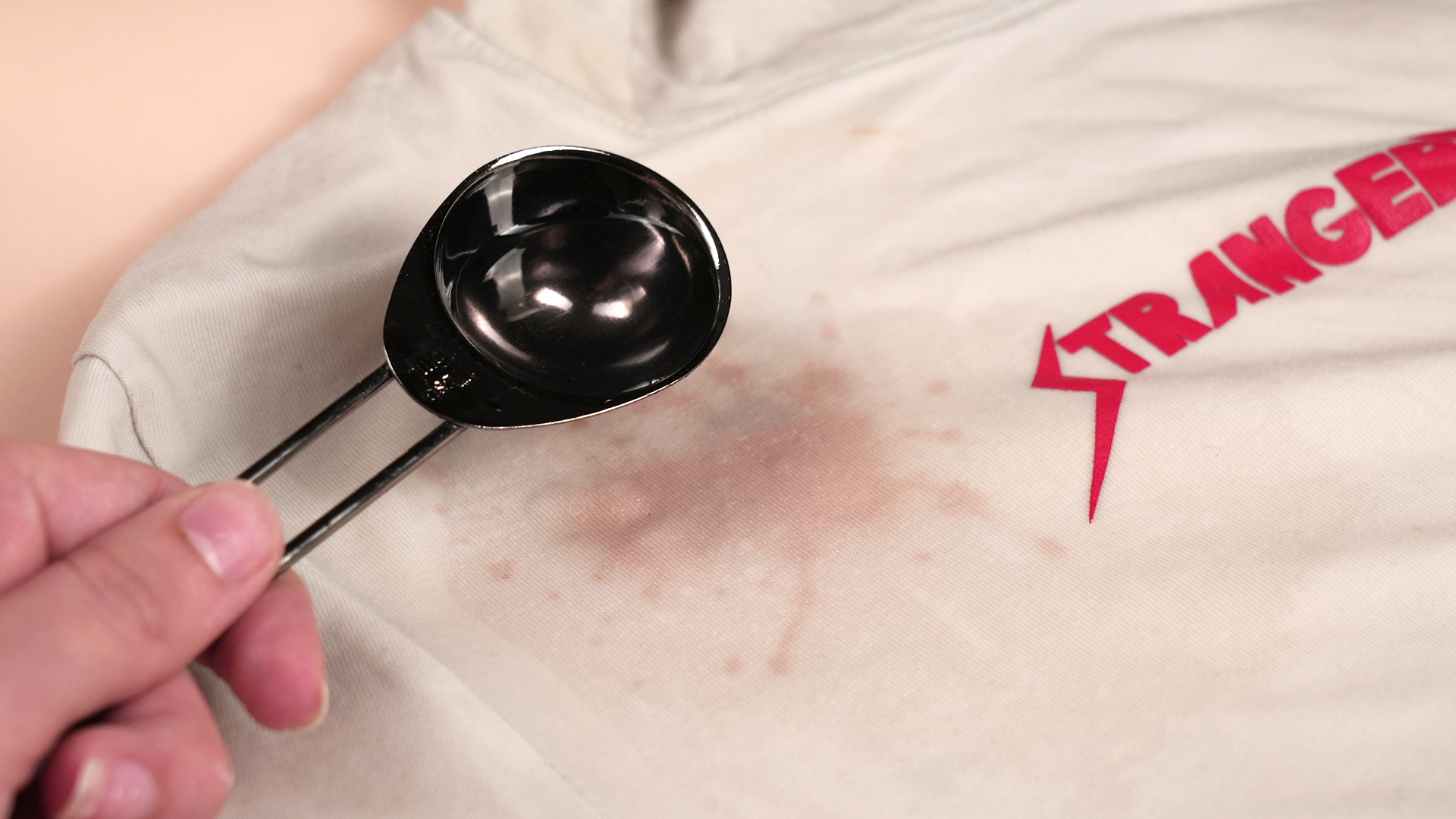

Red wine has many talents. It can make dinner feel fancy, help awkward small talk loosen up, and turn a quiet Friday night into a “remember when?” story. Unfortunately, it also has one dramatic flaw: it loves cotton. Spill a little Cabernet on a white cotton shirt, tablecloth, napkin, or pillowcase, and suddenly your fabric looks like it joined a crime scene reenactment club.
The good news? A dry red wine stain on cotton is stubborn, but it is not automatically permanent. Cotton is a durable, washable natural fiber, which means it can usually handle careful soaking, pretreating, rinsing, and laundering better than delicate fabrics such as silk or wool. The trick is knowing what to use, what to avoid, and when to stop before your “stain removal mission” becomes “accidental fabric destruction.”
This guide explains three practical ways to remove dry red wine stains from cotton using household items and common laundry products. You will learn how to rehydrate the stain, lift the pigment, pretreat the fabric, wash it correctly, and avoid the one mistake that turns a removable stain into a permanent souvenir: drying it with heat too soon.
Why Dry Red Wine Stains Are So Stubborn
Red wine stains are tough because wine contains deep natural pigments and tannins. When the stain is fresh, much of the liquid still sits near the surface of the cotton fibers. Once it dries, the pigment bonds more tightly with the fabric. That is why a stain discovered the morning after a dinner party usually needs more patience than a spill caught in the first five minutes.
Think of dried red wine like a guest who overstayed, unpacked a suitcase, and started receiving mail at your address. You cannot just wave a damp towel at it and expect it to leave. You need to loosen it, lift it, rinse it, and repeat if necessary.
Before You Start: The Golden Rules of Cotton Stain Removal
Check the care label first
Even if the item is cotton, always read the care label. A 100% cotton dish towel can usually handle more aggressive treatment than a printed cotton blouse, dyed cotton dress, or cotton blend with special finishes. If the tag says “dry clean only,” do not freestyle with peroxide, bleach, or long soaking sessions.
Test before treating
Before applying vinegar, hydrogen peroxide, oxygen bleach, enzyme stain remover, or detergent paste to the visible stain, test a small hidden area. This is especially important for colored cotton. If the test spot fades, bleeds, or changes texture, stop and choose a gentler method.
Do not rub like you are sanding a deck
Rubbing can push wine pigments deeper into cotton fibers and rough up the fabric surface. Use blotting, gentle tapping, soaking, and rinsing instead. Cotton is strong, yes, but it is not asking to be punished for attending your wine night.
Do not use dryer heat until the stain is gone
Heat can help set stains. After washing, inspect the cotton while it is still damp. If you can still see a pink, purple, gray, or brown shadow, repeat treatment before putting the item in the dryer. Air-dry only until you are sure the stain has disappeared.
Way 1: Rehydrate and Pretreat with Liquid Detergent
This is the best first method for most dry red wine stains on cotton, especially colored cotton or everyday washable items. It is simple, low-risk, and often effective when the stain is old but not heat-set.
What you need
- Cold water
- Liquid laundry detergent or enzyme-based detergent
- A clean white cloth or paper towel
- A basin, sink, or bowl
- A soft toothbrush or your fingers
Step-by-step instructions
- Place the stained cotton item under cold running water. If possible, rinse from the back of the stain so the wine pigment is pushed out rather than driven deeper.
- Soak the stained area in cold water for 20 to 30 minutes. This helps rehydrate the dried stain and loosen the pigment.
- Apply liquid laundry detergent directly to the stain. Use enough to cover the mark fully.
- Gently work the detergent into the cotton with your fingers or a soft toothbrush. Do not scrub aggressively.
- Let the detergent sit for 15 to 30 minutes.
- Rinse with cold water and check the stain.
- Wash according to the care label using the warmest water safe for the fabric.
- Inspect before drying. If the stain remains, repeat the pretreatment.
Why this works
Detergent helps break up and suspend stain particles so they can rinse away in the wash. Enzyme detergents are particularly useful for many food and drink stains because they help attack organic residue. For cotton, detergent pretreatment is usually a safe starting point before moving to stronger options.
Best for
This method is ideal for cotton shirts, cotton napkins, tablecloths, jeans, pillowcases, and washable cotton blends. It is also a smart first try for colored cotton because it avoids the bleaching risk of hydrogen peroxide or chlorine bleach.
Way 2: Use White Vinegar and Dish Soap for a Stubborn Dry Wine Stain
If detergent alone does not remove the stain, try a vinegar and dish soap treatment. White vinegar can help loosen wine pigment, while dish soap helps lift residue from the cotton fibers. Together, they are a useful team: one brings the science, the other brings the muscle.
What you need
- White vinegar
- Clear liquid dish soap
- Cold water
- A clean white cloth
- A small bowl
Step-by-step instructions
- Rinse or soak the dried stain in cold water for 20 minutes to rehydrate it.
- Mix one tablespoon of white vinegar with one teaspoon of clear dish soap and two cups of cool water.
- Place a clean white towel under the stained area to absorb transfer.
- Dip a white cloth into the solution and blot the stain from the outside edge toward the center.
- Let the solution sit on the stain for 10 to 15 minutes.
- Rinse thoroughly with cold water.
- If the stain is lighter but still visible, repeat once more.
- Launder the cotton item according to its care label.
Why this works
White vinegar is mildly acidic, which can help loosen the connection between wine dye and cotton fibers. Dish soap helps carry loosened residue away. This method is especially helpful for stains that have dried but have not been baked in by dryer heat.
Important caution
Use plain white vinegar, not red wine vinegar, apple cider vinegar, balsamic vinegar, or anything that sounds like it belongs in salad dressing. You are removing a stain, not seasoning the laundry.
Best for
This method works well on white cotton, light-colored cotton, and many colorfast cotton fabrics. It is useful for table linens, cotton kitchen towels, and casual clothing. Always rinse thoroughly so no soap residue remains in the fabric.
Way 3: Treat White or Colorfast Cotton with Oxygen Bleach or Hydrogen Peroxide
When a dry red wine stain refuses to leave, oxygen-based stain removers or a carefully tested hydrogen peroxide mixture may help. These options target oxidizable stains, including wine, and can be very effective on white cotton. However, they require more caution on colored cotton because they may lighten dyes.
Option A: Oxygen bleach soak
Oxygen bleach is often safer for colors than chlorine bleach, but “safer” does not mean “magical and risk-free.” Always check the product label and test first.
What you need
- Oxygen bleach powder or oxygen-based laundry stain remover
- Warm water, if allowed by the care label
- A basin or bucket
- Regular laundry detergent
Step-by-step instructions
- Fill a basin with water at the temperature recommended on the oxygen bleach label and safe for the cotton item.
- Add the oxygen bleach according to package directions.
- Submerge the stained area completely.
- Soak for several hours or as directed by the product label.
- Rinse and check the stain.
- Wash with detergent in the warmest water safe for the fabric.
- Air-dry and inspect again before using the dryer.
Option B: Hydrogen peroxide and dish soap
Hydrogen peroxide can help lighten red wine stains, but it may also lighten fabric dye. This method is best for white cotton or cotton that has passed a colorfastness test.
What you need
- 3% hydrogen peroxide
- Clear dish soap or liquid laundry detergent
- A clean white cloth
- Cold water
Step-by-step instructions
- Test the solution on a hidden seam or hem and wait to see whether the fabric color changes.
- Mix three parts hydrogen peroxide with one part clear dish soap or liquid laundry detergent.
- Apply the mixture to the stain.
- Let it sit for 20 to 30 minutes. For a very stubborn stain on white cotton, you may let it sit longer, but do not let it dry out completely.
- Blot gently with a clean white cloth.
- Rinse thoroughly with cold water.
- Wash as usual, then air-dry.
What about chlorine bleach?
Chlorine bleach can be used only on white, bleach-safe cotton when the care label allows it. It must be diluted properly and should never be poured directly onto fabric at full strength. Do not use chlorine bleach on colored cotton, spandex blends, wool, silk, or anything with a “do not bleach” symbol.
Common Mistakes That Make Red Wine Stains Worse
Using hot water too soon
Warm or hot water may be appropriate during the final wash if the care label allows it, but the first step for a dried stain should usually be cool or cold water. Rehydrating gently gives you a better chance of loosening the pigment before laundering.
Putting the item in the dryer after one wash
The dryer is not a stain remover. It is more like a commitment ceremony for leftover pigment. If the stain remains after washing, keep treating and air-drying until it is gone.
Using colored towels to blot
Always use a white cloth or plain white paper towel. Colored towels can transfer dye, which is deeply unfair because now you have two stains and one laundry-related grudge.
Mixing cleaners carelessly
Do not mix chlorine bleach with vinegar, ammonia, or other cleaners. Dangerous fumes can form. Use one method at a time, rinse thoroughly between treatments, and follow product labels.
How to Choose the Best Method
If the cotton item is colored, start with cold water and detergent. Move to vinegar and dish soap if needed. Use oxygen bleach only if the fabric is colorfast and the product label says it is safe for colored fabrics.
If the cotton item is white, you have more options. Start with detergent, then try oxygen bleach or hydrogen peroxide if the stain remains. Chlorine bleach should be the last resort and only for bleach-safe white cotton.
If the item is valuable, vintage, embroidered, hand-dyed, or sentimental, consider a professional cleaner. A favorite cotton shirt can be replaced. Grandma’s hand-stitched cotton tablecloth from 1962? That deserves professional backup.
Experience Section: Real-Life Lessons from Removing Dry Red Wine Stains from Cotton
Anyone who has hosted dinner knows that red wine does not spill quietly. It lands with flair. One moment everyone is laughing over pasta, and the next moment the cotton tablecloth has a dramatic burgundy splash right in the center, as if the table wanted to join the conversation. The real test usually happens the next morning, when the stain is dry, the party is over, and the evidence remains.
In practical experience, the biggest difference between success and frustration is patience. Many people expect one product to erase a dried red wine stain instantly. Sometimes that happens, especially on sturdy white cotton. More often, the stain fades in stages. First it goes from dark red to pink. Then it becomes a pale shadow. Then, after another soak or pretreatment, it finally disappears. That gradual progress is normal. Do not panic if the first rinse does not deliver a miracle worthy of dramatic background music.
Another useful lesson is to keep the stained area damp during treatment. A dried stain needs to be rehydrated before cleaning agents can work properly. Soaking the fabric in cold water before applying detergent or vinegar often makes the treatment more effective. If you apply cleaner directly to a bone-dry stain, it may sit on the surface rather than moving into the fibers where the pigment is trapped.
White cotton napkins and tablecloths usually respond well to oxygen bleach soaks, but time matters. A quick five-minute dip may not be enough for an old stain. A longer soak, following the product directions, can make a visible difference. However, it is important not to toss the item into the dryer just because the stain looks better. Damp fabric can hide faint discoloration. Check it under bright light before drying.
Colored cotton requires more caution. A red wine stain on a navy cotton shirt might not look terrible at first, but aggressive bleaching can create a faded patch that is more noticeable than the original spill. For colored garments, liquid detergent and vinegar-dish soap solutions are usually better starting points. If you try oxygen bleach, test first and avoid soaking longer than the label recommends.
One surprisingly helpful habit is placing a clean white towel underneath the stained area while blotting. As the stain loosens, some of the pigment transfers downward into the towel instead of spreading across the garment. This is especially useful for cotton shirts, napkins, and pillowcases. Work from the outside of the stain toward the center so the mark does not grow into a larger, more abstract version of itself.
Finally, the best stain-removal mindset is calm persistence. Dry red wine stains look intimidating, but cotton is generally forgiving. Rinse, pretreat, soak, wash, inspect, and repeat. Do not scrub wildly. Do not mix random chemicals. Do not let frustration convince you that “extra hot dryer time” will somehow finish the job. It will not. It will simply make the stain feel more at home.
Conclusion
Dry red wine stains from cotton can be annoying, but they are not unbeatable. Start with the gentlest effective method: rehydrate the stain with cold water, pretreat with liquid detergent, and wash according to the care label. If the stain remains, use white vinegar and dish soap to loosen stubborn pigment. For white or colorfast cotton, oxygen bleach or a hydrogen peroxide mixture can provide extra stain-lifting power.
The most important rules are simple: test first, blot instead of rubbing, rinse thoroughly, and never use dryer heat until the stain is completely gone. With a little patience and the right method, your cotton shirt, tablecloth, napkin, or sheet can survive the wine incident and return to polite society.
Note: For delicate, vintage, expensive, or dry-clean-only cotton items, contact a professional cleaner. Home stain removal is useful, but some fabrics deserve expert treatment.