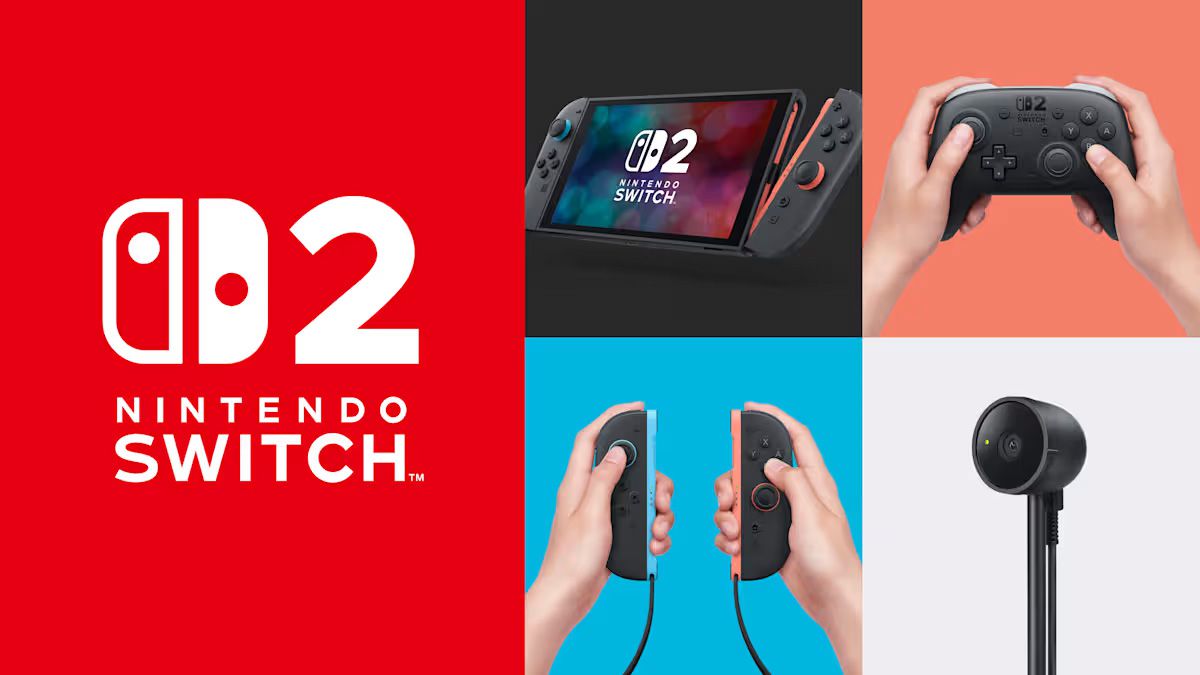

The Nintendo Switch 2 is not a bad console. In fact, that is what makes the buying decision so annoyingly complicated. It has a bigger 1080p screen, stronger performance, faster storage, improved controllers, better online-facing features, and the kind of Nintendo polish that can make even a menu sound effect feel like it went through three years of emotional development.
But “good” and “worth buying right now” are not the same thing. A perfectly tasty pizza can still feel overpriced if it arrives late, has three toppings missing, and asks you to pay extra for the box. That is roughly where the Switch 2 sits for many players: exciting, capable, and clearly built for the next era of Nintendo games, but not automatically the smartest purchase at its current price.
With the Nintendo Switch 2 priced at $449.99 in the United States, and a planned increase to $499.99 beginning September 1, 2026, the value question has become even sharper. Add premium game prices, required microSD Express cards for expandable storage, battery-life concerns, and a still-growing exclusive library, and the upgrade becomes less of an impulse buy and more of a spreadsheet with Joy-Con colors.
The Switch 2 Is Better, But Better Is Not Always Enough
The biggest argument in favor of the Switch 2 is obvious: it is more powerful than the original Switch. The 7.9-inch LCD screen runs at 1920×1080, supports HDR10, and can handle variable refresh rates up to 120Hz in compatible games. The system also includes 256GB of internal storage, a major jump from the original Switch’s tiny 32GB base storage. On paper, that sounds like Nintendo finally cleaned out the digital junk drawer.
For handheld players, the sharper display is a real improvement. Games look cleaner, UI text is easier to read, and enhanced titles load faster. For docked players, the console’s newer hardware makes it easier for Nintendo and third-party developers to deliver smoother performance and better visual quality. If your original Switch sounds like a tiny desk fan trying to launch a weather balloon, the Switch 2 will feel like a modern upgrade.
The problem is that hardware upgrades alone do not always justify a near-premium console price. Nintendo has never competed purely on raw specs. People buy Nintendo systems for Nintendo games, family-friendly local multiplayer, clever design, and the strange magic of turning plumbers, monkeys, swordsmen, and mushrooms into billion-dollar emotional support systems. If the software lineup does not feel essential to you yet, the hardware improvements may not be enough.
The Real Price Is Higher Than the Box Price
The sticker price is only the opening act. The real cost of owning a Switch 2 starts adding up once you build a normal setup. A console purchase may be followed by a case, screen protector, extra controller, online subscription, microSD Express card, and one or two full-price games. Suddenly, your “$449.99 console” begins behaving like a small home renovation with a Mario logo.
Games Are a Bigger Part of the Value Problem
Nintendo games are famous for holding their value. That is great when you are reselling a cartridge and less great when you are staring at a digital checkout screen hoping for a discount that never comes. Flagship Switch 2 titles such as Mario Kart World and enhanced Nintendo Switch 2 editions are a major part of the console’s appeal, but they also raise the practical cost of entry.
For players who already own a large original Switch library, some upgrades may feel tempting. Performance improvements for games like The Legend of Zelda: Breath of the Wild and Tears of the Kingdom are meaningful, especially if smoother frame rates and sharper visuals matter to you. But paying for upgrade packs, buying new editions, or subscribing to access certain benefits can make the upgrade feel less like a reward for loyalty and more like being charged rent on your nostalgia.
That does not mean Nintendo is wrong to charge for major improvements. Developers, engineers, and artists do not work for magic beans. Still, from a consumer perspective, the question is simple: are you getting enough new entertainment, not just prettier versions of games you already played?
The Exclusive Library Still Needs Time to Mature
Every console launch has the same awkward teenage phase. The hardware arrives first, then the must-own library slowly catches up. The Switch 2 is no different. Mario Kart World gives the system a huge first-party anchor, and games like Donkey Kong Bananza, Kirby Air Riders, Metroid Prime 4: Beyond, and other Switch 2 editions help strengthen the catalog. But for many players, the library may still feel like a promise rather than a finished buffet.
The original Switch had the advantage of launching with The Legend of Zelda: Breath of the Wild, one of those rare games that made people buy hardware with the financial urgency of someone fleeing a burning building. The Switch 2 has strong games, but whether it has enough system-selling exclusives depends on your taste. If you are not a racing fan, not desperate for enhanced older titles, and not currently refreshing Nintendo Direct rumors like they are stock prices, waiting may be the more reasonable move.
A console becomes easier to recommend when the answer to “What should I play?” is embarrassingly long. Right now, the Switch 2 answer is growing, but it may not yet be long enough for every buyer.
Backward Compatibility Helps, But It Has Fine Print
Backward compatibility is one of the Switch 2’s biggest strengths. Being able to bring over much of your existing Nintendo Switch library makes the new console feel less like a hard reset. For families with shelves full of cartridges, that matters. For digital buyers, carrying forward purchases helps soften the upgrade cost.
However, Nintendo’s own compatibility guidance makes it clear that not every original Switch game is guaranteed to work perfectly on Switch 2. Some games may have partial functionality issues, some may require updates, and some may not be supported. That does not destroy the value of backward compatibility, but it does make it less clean than the marketing phrase suggests.
In real buying terms, this means you should check your personal library before upgrading. If the games you care about most are fully supported and enhanced, the Switch 2 becomes more attractive. If your favorites are obscure rhythm games, niche accessories, fitness titles, or games with unusual controller features, you may want to verify compatibility before handing over your money.
Storage Is Better, But Expandable Storage Got More Specific
The Switch 2’s 256GB of internal storage is a welcome improvement. Compared with the original Switch, it feels luxurious at first. Then modern game file sizes enter the room wearing boots.
Download-heavy players can fill 256GB faster than expected, especially with digital games, updates, DLC, screenshots, and save data. The bigger issue is that Switch 2 uses microSD Express cards for expansion. These cards are faster than regular microSD cards, but they also mean many players cannot simply reuse the old card from their original Switch.
That is not a technical flaw; faster hardware needs faster storage. But it is a cost issue. A player who mostly buys physical games may be fine for a while. A digital-first player will probably need extra storage sooner. Once again, the real price of ownership creeps upward.
Battery Life May Disappoint Handheld-First Players
The Switch 2 is still a hybrid console, and that remains its greatest trick. The ability to play on a TV, then undock and keep going in bed, on a plane, or while pretending to listen during a family gathering is the core Nintendo Switch experience.
But the battery-life conversation is not all sunshine and Koopa shells. Nintendo’s estimate of roughly 2 to 6.5 hours depends heavily on the game and usage conditions. More demanding games can land near the lower end of that range. Compared with the Switch OLED’s longer estimates, that can feel like a step backward for players who mainly care about portable gaming.
This is not shocking. Better performance usually asks for more power. A larger, sharper display and more capable processor do not run on friendship. Still, if your favorite way to play is long handheld sessions away from an outlet, battery life becomes a serious part of the value equation.
The LCD Screen Is Good, But OLED Owners May Feel Mixed
The Switch 2 display is sharper and more advanced than the original Switch screen, and it supports modern features such as HDR and variable refresh rate. But it is still an LCD. For players coming from the Switch OLED, that detail matters.
The Switch OLED’s screen made colors pop in a way that felt instantly satisfying. The Switch 2’s higher resolution is important, but some OLED owners may miss the richer contrast and deeper blacks of their previous system. This is where the upgrade becomes subjective. If you value resolution, performance, and future games, Switch 2 wins. If your favorite thing about the Switch OLED is its screen personality, the new system may not feel like a pure visual upgrade in every situation.
It is the classic technology tradeoff: sharper brain, slightly less dramatic eyes.
The Price Increase Makes Waiting Feel Risky, But Not Always Wrong
Nintendo’s announced U.S. price revision from $449.99 to $499.99 puts buyers in a strange position. On one hand, waiting could mean paying more later. On the other hand, buying now because a price hike is coming can lead to panic-shopping a console you may not actually use enough yet.
A price increase changes the math, but it does not automatically make the console worth buying today. If you were already planning to buy a Switch 2 for upcoming games, getting one before the higher MSRP may make sense. But if you are unsure, the better question is not “Will it cost more later?” It is “Will I play it enough right now to justify the total cost?”
Fear of missing out is a terrible financial advisor. It wears a cool hat, but it gives bad advice.
Who Should Buy the Switch 2 Now?
The Switch 2 is easiest to recommend to players who already know exactly why they want it. If you are excited for Mario Kart World, want the best version of new Nintendo exclusives, care about improved performance in supported games, and expect to play regularly in both handheld and docked modes, the console can absolutely make sense.
It is also a better buy for families upgrading from an aging launch Switch. If your household still uses the original 2017 model, the improvements will feel much more dramatic. Faster loading, a larger screen, better visuals, and more storage can make everyday play smoother.
Collectors and early adopters may also be satisfied. Some people simply enjoy being part of the new console cycle from the beginning. That is valid. Hobbies are not always spreadsheets. Sometimes joy is the point, and sometimes joy has a checkout button.
Who Should Wait?
You should consider waiting if you mostly play your current Switch backlog, already own a Switch OLED, or are not strongly interested in the current Switch 2 exclusives. You should also wait if the purchase would require stretching your budget, because the console is only one piece of the cost.
Waiting has several advantages. More games will arrive. More reviews and long-term hardware impressions will appear. Bundles may become more attractive. Storage prices may shift. Developers will get better at optimizing for the hardware. And your own excitement will become clearer once the launch glow fades.
The best time to buy a console is not always launch year. Often, the smarter purchase comes when the library is deeper, the software is patched, and the value is easier to see without squinting.
Real-World Experience: Why Waiting Can Feel Smarter Than Upgrading Immediately
The Switch 2 value debate becomes clearer when you imagine how different types of players actually use the system. Consider the player who still has thirty unfinished original Switch games. They may buy the Switch 2, enjoy the smoother menus and sharper screen for a week, then drift back into the same backlog. In that case, the upgrade feels nice but not life-changing. It is like buying a luxury treadmill and continuing to use it mainly as a laundry display stand.
Then there is the handheld-first player. This person plays during commutes, travel, lunch breaks, or late at night. For them, battery life matters more than docked output. If demanding games push the Switch 2 closer to the lower end of its battery estimate, the upgrade may introduce a new habit: constantly hunting for a charger. That does not ruin the console, but it changes the experience. A portable system feels less magical when it comes with battery anxiety.
Families have a different issue. A parent buying the Switch 2 may not be buying just one product. They may need extra controllers, multiplayer games, protective cases, and possibly another subscription tier. If the kids mostly play Mario Kart, Minecraft, Animal Crossing, or older Switch titles, the family may get more value by staying with the original Switch a bit longer. The Switch 2 becomes more compelling when there are enough exclusive family games to make the upgrade feel unavoidable.
For competitive or performance-sensitive players, the Switch 2 is more appealing. Better frame rates and faster loading can genuinely improve the experience. A game that felt sluggish on the original hardware may feel refreshed on the new system. But even here, the value depends on the player’s library. If only a handful of your favorite games receive meaningful upgrades, you may be paying a lot for a small slice of improvement.
There is also the emotional side of upgrading. New hardware is fun. Opening the box, peeling off protective film, testing the screen, and hearing the first system sound can make anyone feel like a kid on a holiday morning. But that thrill fades. What remains is the daily experience: the games you play, how often you play them, and whether the system fits your habits better than what you already own.
That is why waiting can be powerful. Waiting does not mean rejecting the Switch 2. It means letting the console prove itself. A year from now, the library may be stronger, the upgrade path clearer, and the total value easier to defend. Nintendo consoles often age well because Nintendo’s first-party catalog grows steadily over time. The Switch 2 may become a fantastic purchase. The keyword is “become.” For many players, it is not quite there yet.
Final Verdict: The Switch 2 Is Promising, But Patience May Pay Off
The Nintendo Switch 2 is a strong console with real improvements, but it is not an automatic must-buy for everyone at its current price. The hardware is better, the screen is sharper, the storage is larger, and the future library will almost certainly get stronger. But the total cost of ownership, battery-life tradeoffs, microSD Express requirement, backward compatibility caveats, and still-developing exclusive catalog make the value less obvious than Nintendo fans might hope.
If you are excited about the current games and know you will use the console often, buying before the announced U.S. price increase may be reasonable. But if you are unsure, already happy with your Switch OLED, or mainly waiting for future exclusives, patience is not a bad strategy. The Switch 2 may absolutely be worth owning. It just might not be worth the price yet.