
There are few things more humbling than stepping outside with a glass of iced tea, a good attitude, and apparently the blood type mosquitoes have been gossiping about all week. A warm evening can go from “peaceful backyard moment” to “tiny flying vampires with excellent teamwork” in about 45 seconds. That is where homemade all natural bug spray comes in.
A DIY bug spray can be a useful, pleasant-smelling option for everyday backyard comfort, porch sitting, gardening, camping near home, and those quick “I’m just taking the trash out” missions that somehow turn into a mosquito buffet. Made with simple ingredients like witch hazel, distilled water, vegetable glycerin, and properly diluted essential oils, an all natural insect repellent spray can help make outdoor time less itchy and more enjoyable.
But let’s be honest from the start: homemade bug spray is not the same as an EPA-registered insect repellent. If you are in an area with a high risk of mosquito-borne or tick-borne illness, or if you need long-lasting protection during travel, hiking, or heavy outdoor exposure, choose an EPA-registered repellent and follow the label carefully. Homemade natural bug spray is best used as a light-duty, short-window, comfort-focused spraynot as your only armor against serious disease-carrying insects.
What Is Homemade All Natural Bug Spray?
Homemade all natural bug spray is a skin or clothing mist made from plant-based ingredients intended to discourage mosquitoes, gnats, flies, and other annoying insects from landing on you. Most DIY recipes use a water-based liquid, a gentle carrier, and aromatic essential oils such as citronella, lavender, cedarwood, lemongrass, rosemary, peppermint, tea tree, or geranium.
The idea is simple: many insects rely heavily on scent. Certain strong botanical aromas can make you less attractive to bugs for a short period of time. That said, natural does not automatically mean powerful, safe for everyone, or long-lasting. Essential oils are concentrated plant compounds. They should be diluted, patch-tested, kept away from eyes and mouths, and used with extra caution around children, pregnant people, people with asthma, and pets.
Think of this spray as the outdoor equivalent of politely telling bugs, “This table is reserved.” Some will leave. Some may ignore you. And one mosquito named Gary may still be determined. Reapply as needed and use other prevention steps too.
Homemade All Natural Bug Spray Recipe
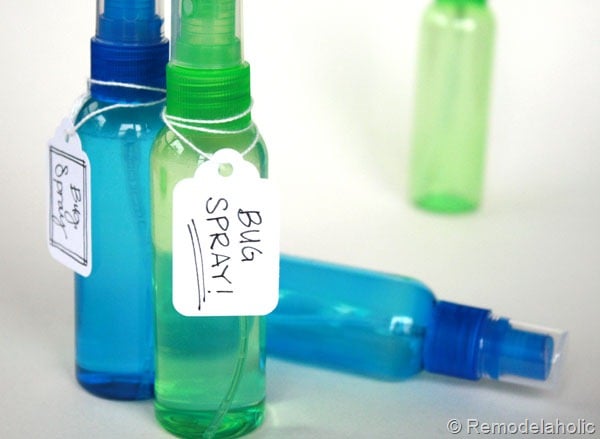
This recipe makes about 4 ounces of bug spray, which is a convenient size for a garden basket, backpack, patio table, or beach bag. Use a clean glass spray bottle if possible, especially if you are using essential oils. Amber or cobalt glass helps protect the oils from light, but any clean bottle is better than the mysterious bottle under the sink with no label. We respect a bargain, not chaos.
Ingredients
| Ingredient | Amount | Purpose |
|---|---|---|
| Distilled water | 2 ounces | Light base for the spray |
| Witch hazel | 2 ounces | Helps disperse the scent and gives a clean skin feel |
| Vegetable glycerin | 1 teaspoon | Adds a little staying power and reduces dryness |
| Citronella essential oil | 8 drops | Classic outdoor repellent aroma |
| Lavender essential oil | 8 drops | Gentle scent and helps balance sharper oils |
| Cedarwood essential oil | 6 drops | Woodsy scent often used in outdoor blends |
| Lemongrass essential oil | 5 drops | Bright citrus-like aroma bugs tend to dislike |
| Geranium essential oil | 3 drops | Floral-green scent useful in many DIY bug blends |
This blend uses about 30 drops of essential oil in a 4-ounce bottle. That is roughly a light adult-use dilution. For sensitive skin, reduce the total essential oils to 15–20 drops. For children, skip strong oils such as peppermint and avoid oil of lemon eucalyptus or PMD products for children under age 3. For babies under 2 months, do not use bug spray on the skin; use protective clothing and mosquito netting instead.
Instructions
- Wash your spray bottle with hot, soapy water, rinse well, and let it dry completely.
- Add the witch hazel to the bottle first.
- Add the vegetable glycerin.
- Drop in the essential oils one at a time.
- Add distilled water, leaving a little room at the top so the bottle can shake properly.
- Cap tightly and shake for 20–30 seconds.
- Label the bottle with the name and date. Future you will be grateful.
- Shake well before every use because natural mixtures separate.
To use, spray lightly on exposed arms, legs, socks, shoes, and outer clothing. Do not spray directly on your face. Instead, spray a little into your hands, then carefully apply around the neck or hairline while avoiding eyes, lips, nostrils, cuts, and irritated skin. Reapply every 60–90 minutes, or sooner if you sweat heavily.
Why These Ingredients Work Together
Witch Hazel
Witch hazel gives homemade bug spray a clean, fast-drying feel. It is often used in DIY body sprays because it feels lighter than oil and helps carry scent across the skin. It does not truly emulsify essential oils, so the bottle must still be shaken before each use. If you see droplets floating at the top, that is normal. It is not a failed science experiment; it is just chemistry being honest.
Distilled Water
Distilled water keeps the spray light and reduces the chance of unwanted minerals or impurities entering the bottle. Tap water can work in a pinch, but distilled water is better for homemade personal care products because it helps the formula stay fresher.
Vegetable Glycerin
Vegetable glycerin adds a tiny bit of skin-friendly slip and helps the spray cling a little longer. Too much can feel sticky, so keep it modest. One teaspoon is enough for a 4-ounce bottle. This is bug spray, not pancake syrup.
Essential Oils
Essential oils provide the scent profile insects may avoid. Citronella, lemongrass, cedarwood, lavender, and geranium are popular choices because they smell outdoorsy, fresh, and strong enough to be noticeable without turning you into a walking candle aisle. The goal is balance: a spray that smells pleasant to humans and annoying to bugs.
Best Essential Oils for Natural Bug Spray
Different essential oils bring different strengths. Citronella is the classic “summer patio” scent. Lemongrass is bright and crisp. Cedarwood smells grounding and woodsy. Lavender softens the blend and makes it more wearable. Geranium adds a leafy floral note that works beautifully in outdoor sprays. Rosemary and peppermint can also be used, but they are stronger and may be irritating for sensitive skin.
Oil of lemon eucalyptus deserves special attention. EPA-registered oil of lemon eucalyptus products can be effective insect repellents, but pure lemon eucalyptus essential oil is not the same thing as a tested, registered repellent product. If you want dependable mosquito protection from oil of lemon eucalyptus, buy a properly labeled commercial product rather than trying to recreate it in your kitchen.
Also avoid phototoxic citrus oils such as expressed lemon, lime, bergamot, or grapefruit on skin before sun exposure unless the product is clearly labeled non-phototoxic. A bug spray that helps avoid bites but invites sun sensitivity is not the glow-up we are looking for.
How to Use Homemade Bug Spray Safely
Before spraying your whole body, do a patch test. Apply a small amount to the inside of your forearm and wait several hours. If redness, burning, itching, or irritation appears, wash it off and do not use that blend. Essential oils may be natural, but poison ivy is natural too, and nobody is inviting it to brunch.
Apply homemade bug spray outdoors or in a well-ventilated area. Keep it away from eyes, lips, and broken skin. Wash your hands after applying. Do not let children handle the bottle or spray it themselves. For kids, adults should spray the repellent onto their own hands first, then apply it carefully to the child’s exposed skin, avoiding the hands because children touch their eyes and mouths constantly, as if personally testing every parenting warning ever written.
Use caution around pets. Cats are especially sensitive to many essential oils, and dogs can also react badly to certain oils. Do not spray this mixture on pets, pet bedding, food bowls, or areas where animals lick or sleep. If your pet has respiratory issues, skip diffused or sprayed oils nearby and ask a veterinarian for safer pest-control options.
When Homemade Bug Spray Is Not Enough
A homemade all natural bug spray is great for low-risk situations: watering tomatoes, reading on the porch, grilling dinner, or watching kids chase bubbles in the yard. It is not the best choice for deep woods hiking, tick-heavy trails, marshy areas, camping in high mosquito populations, or travel to places with insect-borne disease concerns.
For higher-risk exposure, use an EPA-registered insect repellent with proven active ingredients such as DEET, picaridin, IR3535, oil of lemon eucalyptus, PMD, or 2-undecanone. These products are tested for safety and effectiveness when used according to label directions. You can still love natural living and choose a stronger repellent when the situation calls for it. That is not betrayal. That is strategy.
Also remember that bug spray is only one layer of protection. Wear long sleeves and pants when practical. Choose light-colored clothing so ticks are easier to spot. Use screens, fans, and mosquito netting. Check for ticks after time outdoors. Shower after hiking or yard work. If mosquitoes are treating your backyard like a five-star resort, the problem may be standing water rather than your perfume.
Natural Ways to Reduce Bugs Around the Home
The best homemade bug spray works even better when your yard is not accidentally running a mosquito nursery. Mosquitoes breed in standing water, and they do not need a glamorous infinity pool. A bottle cap, clogged gutter, plant saucer, tarp fold, birdbath, kiddie pool, old tire, bucket, or wheelbarrow can become mosquito real estate.
Walk around your yard once a week and dump anything holding water. Scrub birdbaths and refill them. Keep gutters clear. Turn buckets and toys upside down. Store wheelbarrows under cover. Empty plant saucers after rain. Refresh pet water bowls often. For water that cannot be dumped, such as ponds or rain barrels, consider mosquito dunks containing Bti, a biological larvicide used to target mosquito larvae.
Fans are another underrated tool. Mosquitoes are weak flyers, and a simple outdoor fan can make a patio less inviting. It also keeps humans cooler, which is helpful because sweaty humans are basically mosquito marketing campaigns.
Common Mistakes to Avoid
Using Too Much Essential Oil
More drops do not always mean more protection. Too much essential oil can irritate skin, trigger headaches, or make the spray overwhelming. A balanced dilution is safer and more pleasant.
Forgetting to Shake the Bottle
Oil and water separate. Shake before every application so the essential oils are distributed more evenly. Otherwise, the first spray may be mostly water and the last spray may be a tiny essential oil thunderstorm.
Spraying Near Eyes or Mouth
Never spray bug repellent directly onto the face. Spray your hands first, then apply carefully. Avoid cuts, rashes, and freshly shaved skin.
Expecting All-Day Protection
Homemade natural bug spray usually needs frequent reapplication. Plan on refreshing every hour or two, especially in humid weather or during sweaty activities.
Using It on Everyone Without Adjusting
Adults, children, pregnant people, people with allergies, and pets do not all have the same safety needs. Make a gentler formula for sensitive users and skip essential oil sprays when unsure.
Storage and Shelf Life
Store homemade bug spray in a cool, dark place. A bathroom cabinet, pantry shelf, or shaded garden tote works well. Avoid leaving it in a hot car, sunny window, or outdoor table for days. Heat and light can weaken essential oils and make the blend smell tired.
Because this recipe contains water and does not include a commercial preservative, make small batches and use them within two to three weeks. If the spray changes color, smells strange, grows cloudy in a suspicious way, or develops anything that looks like it deserves its own zip code, throw it out and make a fresh batch.
Simple Recipe Variations
Gentle Floral Backyard Blend
Use lavender, geranium, and cedarwood for a softer scent. This blend is good for porch evenings when you want bug protection without smelling like you are personally sponsoring a citronella torch.
Fresh Garden Blend
Use lemongrass, rosemary, lavender, and cedarwood. This version smells bright, green, and cleanperfect for gardeners who want to smell like they planned the whole afternoon.
Extra Woodsy Campfire Blend
Use cedarwood, citronella, lavender, and a small amount of patchouli. The scent is deeper and earthier, which works well for camping, sitting near a fire pit, or pretending your suburban deck is a wilderness retreat.
When changing the recipe, keep the total number of essential oil drops about the same. Swapping oils is fine; accidentally doubling the strength is where trouble starts.
Real-Life Experience: What I Learned Making Homemade Bug Spray
The first time I made homemade all natural bug spray, I was motivated by two things: mosquitoes and stubbornness. I had gone outside to water a few herbs and returned looking like I had lost an argument with a polka-dot machine. The next day, I decided I was going to make a natural bug spray with ingredients I could actually pronounce. This was a noble goal. It was also the beginning of a small kitchen adventure involving witch hazel, essential oils, and one spray bottle that had far too much confidence.
My first blend smelled powerful. Very powerful. It had citronella, peppermint, tea tree, and lemongrass, because apparently I believed the solution to mosquitoes was to smell like a spa inside a lawn mower. Did it work? Somewhat. Did my eyes water when I accidentally sprayed too close to my neck? Absolutely. That was lesson number one: homemade bug spray should be effective, but it should not make you feel like you are seasoning yourself for insects and humans alike.
After a few tries, I learned that balance matters. Lavender softened the sharp edges. Cedarwood helped the scent feel grounded instead of aggressively lemony. Geranium made the spray smell fresher and less like emergency cleaning supplies. Vegetable glycerin helped the spray sit better on my skin, and using distilled water made the whole mixture feel cleaner and more intentional.
I also learned that application matters as much as the recipe. Spraying ankles, socks, shoes, and the backs of knees made a big difference in the garden. Mosquitoes seemed to love my ankles with the passion of a poet, so focusing there helped. I kept a bottle near the back door and another in my gardening caddy. That made reapplication easy, which is important because natural sprays fade faster than commercial repellents.
The biggest surprise was that bug control around the yard mattered just as much as the spray. Once I started dumping plant saucers, clearing a slow-draining gutter, and refreshing the birdbath more often, the mosquito population dropped noticeably. The spray helped, but removing standing water was the real plot twist. It turns out mosquitoes are less annoying when you stop providing them with tiny aquatic apartments.
My favorite use for homemade bug spray is during ordinary outdoor moments: pulling weeds, deadheading flowers, grilling vegetables, reading on the porch, or sitting outside after dinner. For hiking in tick country or traveling somewhere with a higher disease risk, I use a registered repellent instead. That combination feels practical. Homemade spray for light everyday comfort; tested repellent for serious protection.
Today, my go-to blend is simple: witch hazel, distilled water, a little glycerin, citronella, lavender, cedarwood, lemongrass, and geranium. It smells fresh, not overpowering, and it makes summer evenings feel more manageable. No homemade spray creates a magical force field, but a good one can turn “I’m going back inside immediately” into “Actually, this is nice.” In mosquito season, that counts as a small household victory.
Conclusion
Homemade all natural bug spray can be a smart, simple addition to your summer routine when you use it wisely. With a clean bottle, proper dilution, skin-safe essential oils, and realistic expectations, you can make a fresh-smelling DIY insect repellent for gardening, backyard dinners, porch lounging, and everyday outdoor comfort.
The key is knowing its limits. Natural bug spray is not automatically safer for everyone, and it is not always strong enough for high-risk mosquito or tick exposure. Patch test first, keep it away from eyes and mouths, use caution around children and pets, and choose EPA-registered repellents when you need proven, long-lasting protection.
Pair your spray with smart prevention habits: dump standing water, use fans, wear protective clothing, check for ticks, and store your homemade blend properly. Do that, and you will be much better prepared for summer’s unofficial greeting committee: mosquitoes, gnats, flies, and whatever tiny winged creature appears the moment you open a watermelon.
Note: This homemade all natural bug spray article is written for general educational and household use. For travel, heavy mosquito exposure, tick-heavy areas, children, pregnancy, allergies, asthma, or disease-risk regions, follow professional public-health guidance and use properly labeled repellents as directed.