
Spring has a funny way of exposing everything you meant to “deal with later.” The mystery gloves in the entryway. The pantry pasta from a former era. The drawer full of cords that apparently belong to devices now living in another dimension. Before you go full spring-cleaning mode with sprays, mops, and heroic background music, do one thing first: declutter.
Why? Because cleaning around clutter is basically giving your mess a spa treatment. A quick pre-spring purge makes your home easier to clean, easier to use, and much less likely to make you mutter, “Why do we own seven almost-empty sunscreen bottles?” This spring decluttering checklist focuses on the items and zones that create the most friction in everyday life, so you can head into the season with a lighter, calmer, more functional home.
Why Decluttering Before Spring Matters
Decluttering before spring is not about becoming a minimalist monk with one plate and a single heroic sweater. It is about making room for the season you are actually living in. Winter tends to pile up bulk, layers, paper, gear, and “I’ll sort that later” energy. Spring asks for the opposite: easier mornings, cleaner surfaces, fresher air, and a home that does not feel like it is wearing three coats indoors.
The best strategy is simple: start with the spaces you use most, remove what is expired, broken, duplicated, or no longer relevant, then organize what stays. Small wins count. In fact, they count a lot.
1. The Entryway Drop Zone
Your entryway is the first place spring should feel welcome. Unfortunately, it is also where clutter often stages a full takeover. Shoes multiply, keys vanish, receipts wrinkle themselves into modern art, and one lonely scarf refuses to leave until July.
What to remove
Start by clearing out anything that does not belong there: old mail, dead pens, shopping bags, single gloves, broken umbrellas, empty boxes, and shoes nobody has worn in months. Be ruthless with obvious trash and duplicates. If your entryway looks like a lost-and-found bin with ambitions, it is time.
What to keep
Keep only what supports daily life right now: the shoes you actually wear, one basket for grab-and-go essentials, hooks for in-season outerwear, and a tray for keys and wallets. The goal is not perfection. The goal is to stop your front door from opening into a tiny lifestyle crisis.
2. Winter Coats, Boots, and Cold-Weather Accessories
Spring is the ideal moment to edit your winter wardrobe before you store it. Waiting until fall guarantees you will rediscover the same stretched hat, the same uncomfortable boots, and the same coat you swear you will get tailored “someday.” Spoiler: someday is lazy.
Ask yourself three questions
Did I wear it this winter? Does it fit well and feel good? Would I buy it again at full price? If the answer is no, it should probably go. Donate coats in good condition, recycle textiles where available, and toss items that are too worn out to be useful. Clean anything you plan to store so you do not greet next winter with mystery odors and a side of regret.
3. Pantry Staples and Expired Food
The pantry is where good intentions go to age in silence. Half-used grains, duplicate spices, dented cans, novelty sauces, baking supplies from your “sourdough era”—all of it deserves a spring review.
What to declutter
Pull everything out by category: snacks, canned goods, pasta, baking items, oils, spices, breakfast foods. Toss expired items, stale snacks, open packages nobody liked, and anything that has turned into a science fair project. Combine duplicates when possible and put the oldest usable items front and center.
Why this works
Decluttering the pantry saves money because you stop buying what you already own. It also makes weeknight cooking easier, which is the sort of domestic luxury nobody talks about enough.
4. Bathroom Products and Expired Medicines
If your bathroom cabinet contains five nearly empty lotions, three mascaras with suspicious backstories, and a sunscreen that remembers two presidents ago, congratulations: you are very normal. Also, it is time.
Clear out the usual suspects
Sort through skincare, makeup, hair products, razors, dental extras, hotel freebies, and backup toiletries. Let go of items you tried once and hated, duplicates you do not need, and containers that are basically empty but still somehow taking up emotional and physical space.
Be smart about medicine disposal
Expired or unused medicines should not just sit around forever. Use a local take-back option or mail-back program when available, and follow local guidance for anything that needs special handling. In other words, do not treat your medicine cabinet like a tiny museum of past colds.
5. Cleaning Supplies You Never Use
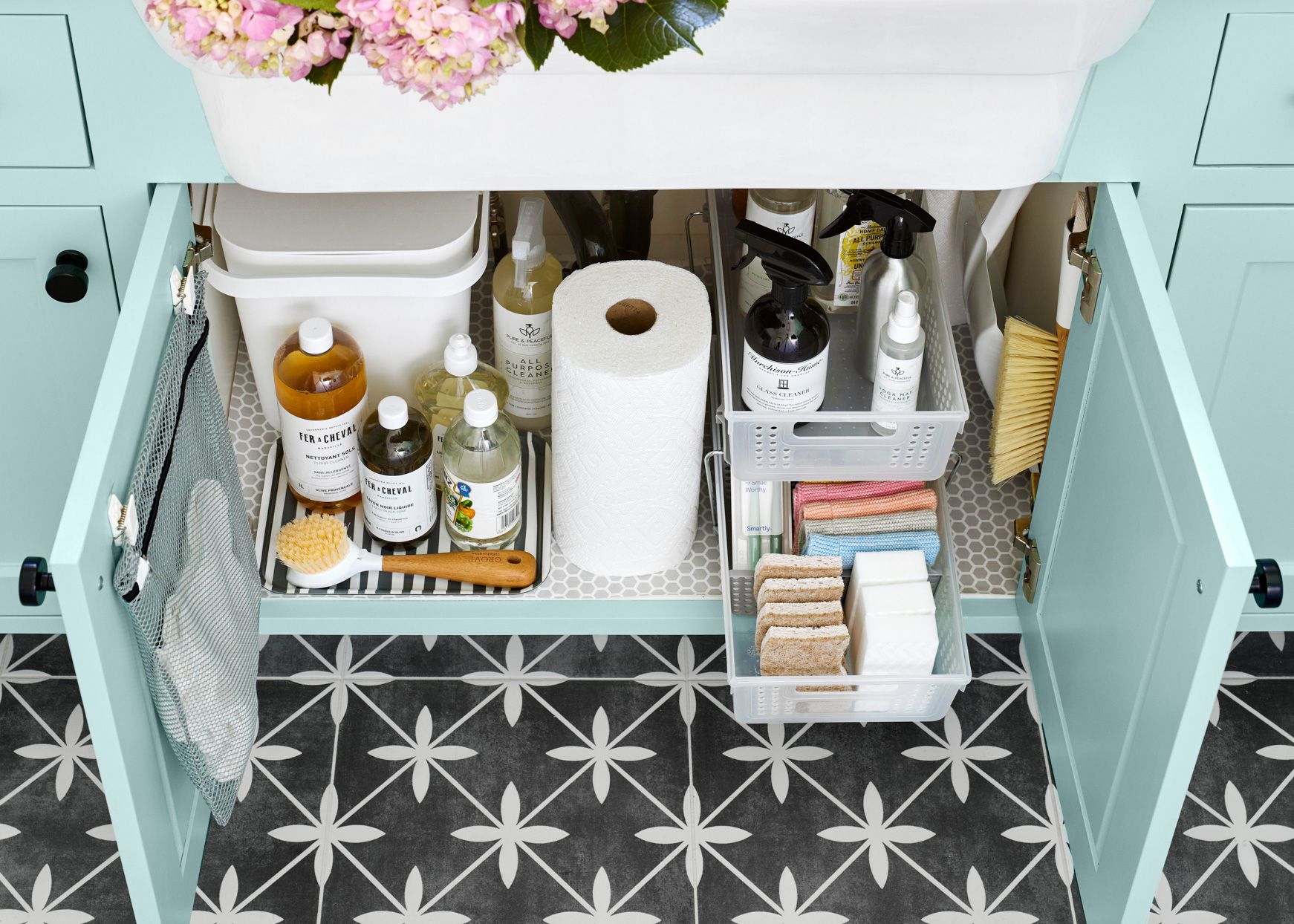
This one surprises people. Cleaning supplies are supposed to help your home feel fresh, but they often become clutter themselves. Spring is a great time to edit the products hiding under sinks, in utility closets, and in the laundry room.
What to toss or relocate
Get rid of empty bottles, dried-out sponges, random spray nozzles, torn rags, and products you bought for one oddly specific task and never touched again. Old paint, solvents, pesticides, and other hazardous household products may require special disposal, so check local rules before you throw anything out.
What to keep
Keep a streamlined set of products you actually use regularly. The simpler your setup, the easier it is to maintain. You do not need twelve half-working cleaners to prove you care about hygiene.
6. The Junk Drawer and Paper Piles
Ah yes, the junk drawer: the national archive of batteries, rubber bands, takeout menus, expired coupons, mystery screws, and one key no one can identify. Add in paper piles from counters, desks, and kitchen corners, and suddenly your home feels busier than it really is.
How to tackle it fast
Empty the drawer completely. Toss obvious trash, gather loose change, recycle outdated papers, and group what remains into categories such as tools, office supplies, mailing items, and chargers. Then give each category a defined spot. The same goes for paper clutter: shred what is sensitive, file what matters, and recycle the rest.
A junk drawer is fine. A junk ecosystem is not.
7. Towels, Bedding, and the Linen Closet
Linen closets are sneaky. They look innocent from the outside, then you open the door and a fitted sheet launches itself at your face like it has been waiting for freedom.
What to remove
Declutter stained towels, scratchy washcloths, mismatched sheet sets, extra pillowcases without partners, and blankets nobody uses. Keep the best sets, not every set. If items are still clean and usable, donate where accepted. Some shelters and animal organizations may also accept certain linens and towels in good condition.
How much is enough
Most households do not need a mountain of “just in case” bedding. A few solid, complete sets per bed is far more useful than a chaotic tower of fabric guilt.
8. Clothing That No Longer Fits Your Life
This section is not just about size. It is about lifestyle. Your closet may still be hanging on to an identity you had three jobs, two routines, or one optimistic online purchase ago.
What to edit
Pull out anything that is uncomfortable, damaged, never worn, or “almost right” but not right enough to earn closet space. That includes aspirational pieces, duplicate basics, and trendy items you keep trying to make happen like a sitcom reboot nobody asked for.
A better standard
Keep clothes that fit your current body, your current schedule, and your current taste. A clutter-free closet makes getting dressed easier, and that is one of those daily quality-of-life upgrades that pays off immediately.
9. Garage, Shed, and Outdoor Gear
Before spring projects begin, declutter the gear that makes your garage or shed feel like a hardware store after a tornado. This is the season to check what survived winter and what should not make it to summer.
Look for these space hogs
Broken garden tools, rusty hand tools, dried-out potting mix, expired lawn products, cracked planters, dead hoses, duplicate hand trowels, and sports gear no one uses. If you are storing fuel, paint, pesticides, batteries, or chemicals, sort carefully and follow local disposal rules. Lithium-ion batteries, in particular, should be handled through proper recycling or hazardous waste channels rather than tossed in household trash.
Think of this as making room for the fun stuff: gardening, outdoor dinners, bikes, and all the spring energy you promised yourself you would have.
10. Old Electronics, Cords, and Random Chargers
Every home has a cord box. If yours is whispering, “Maybe I belong to a camera from 2013,” you are not alone. Electronics clutter is real because it hides in drawers, bins, closets, and desk corners while pretending to be important.
What to declutter
Gather old phones, broken earbuds, dead remotes, mystery chargers, outdated routers, unused keyboards, cracked cases, and gadgets you are clearly not resurrecting. Test what you can, label the chargers you keep, and recycle electronics responsibly through a trusted program in your area.
Why it matters
Tech clutter creates visual chaos and practical confusion. It also tends to collect batteries and accessories that need proper recycling. Clearing it out gives you back space and saves you from future rummaging that begins with, “I know I have the right cable somewhere.”
A Simple Plan for Decluttering Before Spring
If the full list feels big, do not tackle everything in one dramatic weekend unless that genuinely sounds fun to you. A better approach is to work in short, focused sessions. Pick one category, set a timer, make four piles—keep, donate, recycle, trash—and finish that zone before moving on. Get donations out of the house quickly so they do not become a second form of clutter wearing a halo.
Also, try this rule: if you declutter a space, do not immediately reward yourself by buying six organizing bins and a label maker the size of a bread loaf. Organize what remains first. Then buy storage only if it solves a real problem.
What Spring Decluttering Feels Like in Real Life
Here is the part that glossy checklists do not always mention: decluttering before spring is rarely one elegant, candlelit event where you smile meaningfully into a basket. Most of the time, it starts with annoyance. You open a closet and a tote bag falls on your head. You try to put away groceries and discover three open boxes of spaghetti plus a can of pumpkin from a holiday that feels historically distant. You reach for sunscreen and find six bottles, all with about nine drops left. That is usually the moment the spring reset begins.
In real life, the best decluttering sessions happen when you stop waiting to feel wildly inspired. You just start. One drawer. One shelf. One basket by the front door. And the weird thing is, the momentum shows up after the action, not before it. That has been true in just about every home situation I have seen. The first ten minutes feel mildly irritating. The next twenty feel productive. By the end, you are holding a tangled charger and asking yourself why you protected it like a family heirloom.
There is also a surprisingly emotional side to decluttering. Clothes can represent versions of ourselves we thought we would become. Kitchen gadgets can carry guilt about habits we never really built. Beauty products can symbolize money spent on our most optimistic selves. Even random household clutter can whisper little stories: you might need this someday, you paid good money for that, maybe this would be useful if life were completely different. Spring decluttering helps cut through that noise. It asks a calmer question: does this serve my life now?
Some of the most satisfying wins are small and deeply unglamorous. A bathroom drawer that closes without a wrestling match. An entryway where shoes line up like civilized citizens. A linen closet that no longer fires a pillowcase at your face. These are not dramatic transformations for television, but they change the rhythm of everyday life. Mornings move faster. Cleaning gets easier. You stop rebuying things you already own because you can finally see what you have.
And then there is the mental effect. A cluttered room makes even simple tasks feel slightly heavier. A decluttered room gives your brain fewer visual reminders of unfinished business. You may not walk into your pantry and burst into song, but you probably will feel a little less tired of your own house. That counts.
The key is not becoming a different person by April. The key is creating a home that is easier to live in this season. A home where spring feels possible. A home where open surfaces are not just theoretical. A home where the junk drawer still exists, because we are all human, but at least it no longer looks like it could qualify for archaeological protection.
Final Thoughts
If you want your spring cleaning efforts to actually stick, declutter first. Focus on the areas that create the most drag in daily life: your entryway, closet, pantry, bathroom, paper piles, linen storage, outdoor gear, and old tech. Remove what is expired, broken, duplicated, or no longer useful. Donate what still has life left. Recycle and dispose of tricky items properly. Then organize what remains in a way that makes everyday routines easier.
A clutter-free home does not need to look perfect. It just needs to work better for the people living in it. And spring is a great excuse to make that happen.