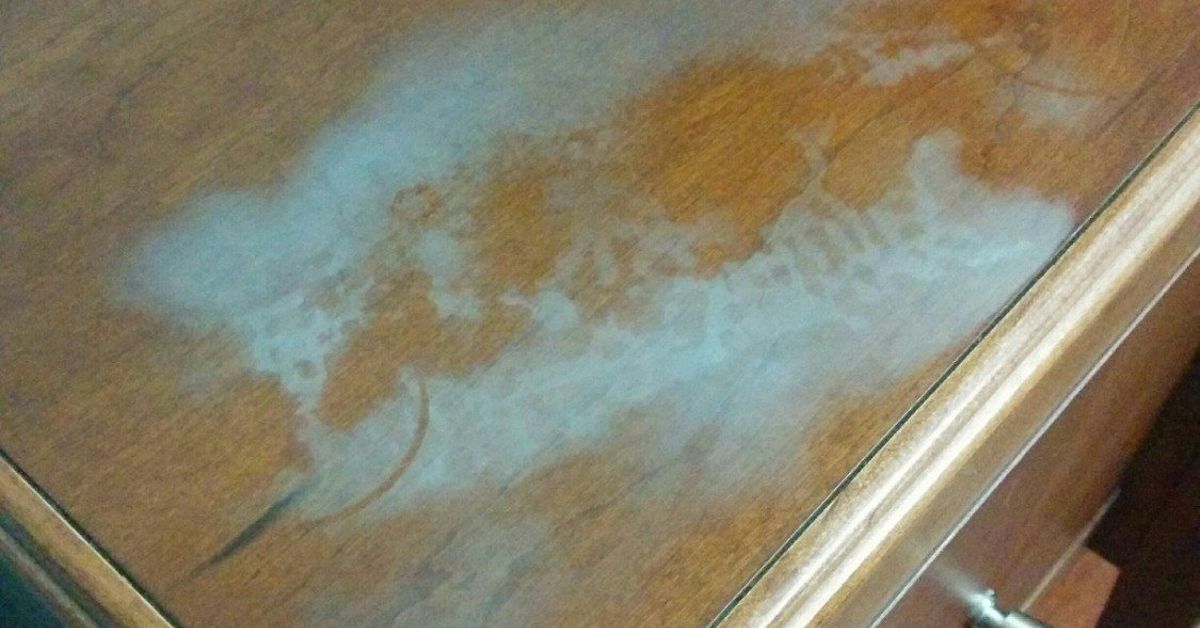

There are few household betrayals more dramatic than lifting a glass from your favorite wood table and discovering a pale, cloudy ring staring back at you like it owns the place. One minute your coffee table is classy. The next, it looks like it has been branded by an iced tea glass with commitment issues.
The good news? Many light water stains on wood furniture can be improved quickly, sometimes in about five minutes, using simple items you probably already have at home. The important word here is “light.” A white water stain or cloudy ring usually means moisture is trapped in the furniture’s finish, not deep inside the wood. That kind of mark is often fixable with gentle heat, mild oil, or careful polishing. A dark brown or black stain, however, usually means water has reached the wood itself, and that is a bigger project.
This guide explains how to remove a water stain from wood furniture fast, what to try first, what to avoid, and when to stop before your “quick fix” becomes a “why is my table sticky, shiny, and somehow worse?” situation.
First, Identify the Type of Water Stain
Before you grab an iron, mayonnaise, toothpaste, or your emergency cleaning confidence, pause for ten seconds and inspect the stain. The color tells you what kind of battle you are entering.
White or Cloudy Water Stains
White rings, cloudy patches, and light hazy marks are the most common water stains on finished wood furniture. They often happen when condensation from a cold glass, a hot mug, a damp plant pot, or a wet dish towel sits on the surface too long. The moisture gets trapped in the protective finish, creating that pale foggy look.
These are the stains most likely to respond to a five-minute method. They are annoying, but not necessarily permanent. Think of them as the furniture equivalent of bedhead: unattractive, but usually fixable with a little heat and patience.
Dark Water Stains
Dark brown or black stains are more serious. They usually mean moisture has moved past the finish and into the wood fibers. These stains may require sanding, bleaching with a wood-safe product, restaining, or refinishing. If the furniture is antique, valuable, veneer, painted, lacquered, or sentimental enough to cause family drama, consider asking a furniture restoration professional before experimenting.
The 5-Minute Method: Use Gentle Heat to Lift a White Water Stain
The fastest common method for removing a white water ring from wood furniture is controlled heat. The goal is to warm the finish just enough to help trapped moisture evaporate. The goal is not to cook your table like a grilled cheese sandwich.
What You Need
- A clean, soft, white cotton cloth or microfiber cloth
- A clothing iron with the steam setting turned off
- A dry towel for final buffing
- Optional: a small amount of furniture polish or mineral oil for aftercare
Step-by-Step Instructions
- Clean the surface gently. Wipe away crumbs, dust, and sticky residue with a dry microfiber cloth. Do not soak the wood.
- Place a cloth over the stain. Use a plain white cloth with no printed design. Printed fabric can transfer color or ink when heated, and nobody asked for a bonus logo on the dining table.
- Set the iron to low heat. Turn off steam completely. Steam adds moisture, which is the exact villain we are trying to remove.
- Press briefly. Place the warm iron over the cloth for just a few seconds, then lift it. Do not drag the iron aggressively across the surface.
- Check the stain. Lift the cloth and inspect the ring. If it is fading, repeat in short intervals.
- Buff dry. Once the mark improves, gently buff the area with a clean dry cloth.
In many cases, a fresh white water stain will fade within a few minutes. If it does not change after several short attempts, stop. More heat is not always better. Too much heat can soften, dull, or damage the finish, especially on older furniture.
No Iron? Try a Hair Dryer Instead
A hair dryer is a gentler option for nervous cleaners, antique owners, and anyone who has ever accidentally ironed a sleeve into a new shape. Set the dryer to low or medium heat, hold it several inches away from the stain, and move it continuously over the mark. Keep the air moving so one spot does not get too hot.
After a few minutes, buff the area with a soft cloth. If the stain lightens, continue carefully. If nothing happens, move on to another method rather than blasting the wood like you are styling it for prom.
The Mayonnaise Method for Stubborn White Rings
Yes, mayonnaise. The condiment. The sandwich spread. The thing that has somehow become a minor celebrity in furniture care. Mayonnaise contains oil, and oil can sometimes help displace moisture trapped in a wood finish while reducing the cloudy look of a white ring.
How to Use Mayonnaise on a Water Stain
- Apply a small dab of mayonnaise directly over the white stain.
- Spread it thinly so it covers the cloudy area.
- Let it sit for at least 15 minutes. For older stains, it may need a few hours.
- Wipe it away completely with a clean cloth.
- Buff the surface until it feels dry and smooth.
This method is better for light water rings than dark stains. Do not use a giant scoop. Your furniture needs a treatment, not a deli counter experience. Always test first in a hidden spot, especially if the wood has a matte, raw, antique, or delicate finish.
Toothpaste and Baking Soda: A Mild Abrasive Option
If heat and oil do not work, a mild abrasive may help remove a cloudy mark from the surface finish. Use plain white, non-gel toothpaste. Avoid whitening formulas, colored gels, charcoal toothpaste, and anything that looks like it belongs in a science fiction bathroom.
How to Try It Safely
- Mix a tiny amount of white non-gel toothpaste with a pinch of baking soda.
- Apply the paste to a soft cloth, not directly in a thick blob on the furniture.
- Rub gently with the grain of the wood for 20 to 30 seconds.
- Wipe clean with a barely damp cloth.
- Dry immediately and buff with a soft towel.
The key word is gently. Scrubbing hard can dull the finish or create a shiny patch that is more noticeable than the original stain. If the mark is not improving after one careful attempt, do not keep grinding away at it. Furniture finishes are not gym equipment; they do not benefit from aggressive reps.
Petroleum Jelly or Mineral Oil for Overnight Help
For white rings that refuse to leave after the five-minute heat method, petroleum jelly or mineral oil may help. Apply a thin layer over the stain, let it sit for several hours or overnight, then wipe and buff thoroughly. This method works slowly, so it is not the fastest fix, but it can be useful for older cloudy marks.
Use only a small amount. Too much oil can leave a greasy surface, attract dust, or darken certain finishes. Again, a hidden spot test is your best friend. It is not glamorous, but neither is explaining why one corner of the table now looks like it has been moisturized for a skincare commercial.
What Not to Do When Removing Water Stains from Wood
When a water ring appears, panic often leads people to reach for strong cleaners. Please do not. Wood furniture needs patience, not a chemical ambush.
Avoid These Common Mistakes
- Do not use bleach on finished furniture unless you are refinishing and know exactly what you are doing.
- Do not soak the wood with water. Water caused the problem. Bringing more water to the party is rude.
- Do not use harsh scrub pads. They can scratch or dull the finish.
- Do not use high heat. Low heat is safer and more controlled.
- Do not mix random cleaners. More ingredients do not automatically mean more cleaning power.
- Do not keep rubbing if the finish changes. Stop immediately if the area becomes sticky, cloudy, dull, or discolored.
How to Remove Dark Water Stains from Wood Furniture
Dark stains are a different story. If a stain is black, gray-brown, or deep-looking, it may have penetrated into the wood. Quick household tricks usually will not solve it completely. At that point, the repair may involve removing the finish, sanding carefully, treating the stain, matching the color, and applying a new protective topcoat.
For solid wood furniture, careful refinishing may be possible. For veneer, sanding can be risky because the top layer of real wood may be very thin. Sand too far and you may go through the veneer, which is a one-way ticket to regret. For antiques, heirlooms, mid-century pieces, or expensive tables, professional restoration is often the safest route.
How to Prevent Water Stains on Wood Furniture
Once the stain is gone, prevention becomes the real hero. A coaster may not seem exciting, but neither is spending Saturday afternoon massaging mayonnaise into a side table.
Simple Prevention Tips
- Use coasters under cold drinks and mugs.
- Place trays under plant pots, vases, and pitchers.
- Wipe spills immediately with a dry cloth.
- Use placemats under hot plates or serving dishes.
- Keep wood furniture away from humid areas when possible.
- Dust regularly with a soft cloth to prevent buildup.
- Apply furniture polish or wax only when appropriate for the finish.
If your table gets white rings easily, the finish may be worn or thin. In that case, removing one stain is only a temporary victory. A fresh protective finish may be the long-term solution, especially for dining tables, coffee tables, and nightstands that face daily attacks from drinks, mugs, and mysterious damp objects.
Quick Comparison: Which Method Should You Try First?
| Stain Type | Best First Method | Time Needed | Risk Level |
|---|---|---|---|
| Fresh white ring | Low-heat iron with cloth | About 5 minutes | Low if done carefully |
| Light cloudy patch | Hair dryer or low heat | 5 to 10 minutes | Low |
| Older white ring | Mayonnaise or petroleum jelly | 15 minutes to overnight | Low to medium |
| Stubborn surface haze | White toothpaste and baking soda | 2 to 5 minutes | Medium |
| Dark stain | Professional evaluation or refinishing | Varies | High if DIY |
Frequently Asked Questions
Can I really remove a water stain from wood furniture in five minutes?
Sometimes, yes. Fresh white water rings often respond quickly to gentle heat. Older stains may need more time, especially if you use mayonnaise, petroleum jelly, or mineral oil.
Will the iron method damage my table?
It can if the heat is too high, the steam is on, or the iron stays in one place too long. Use low heat, no steam, a clean cloth, and short intervals. Stop if the finish changes.
Can I use vinegar on wood water stains?
Vinegar is sometimes used in diluted cleaning mixtures, but it can dull or affect certain finishes. Use caution, test first, and avoid soaking the wood.
Why does mayonnaise work on white water rings?
The oil in mayonnaise can help reduce the cloudy look by conditioning the finish and helping displace trapped moisture. It is not magic, but for some light stains, it works surprisingly well.
What if the stain comes back?
If the mark returns, moisture may still be trapped or the finish may be weakened. Repeat a gentle method once, then consider whether the furniture needs polishing, waxing, or refinishing.
Real-Life Experience: The Five-Minute Furniture Rescue
Here is a very realistic scene: someone places a cold glass on a wood coffee table “just for a second.” That second becomes twenty minutes. Then the glass is lifted, and there it is: a perfect white circle, as if the table has joined a secret society of furniture stains. This is usually when people begin bargaining with the universe. Maybe it will disappear when it dries. Maybe the lighting is weird. Maybe moving a decorative bowl over it forever counts as interior design.
In everyday experience, the best results usually come from staying calm and starting gently. The first mistake many people make is scrubbing. They see a stain and assume pressure equals progress. With wood finishes, pressure can make things worse. A soft cloth and low heat often do more than elbow grease. When using the iron method, the most important trick is patience in tiny doses. A few seconds of heat, then check. A few more seconds, then check again. That rhythm prevents overheating and gives you control.
Another common experience is discovering that not all white rings are equal. A ring from last night’s iced water may fade quickly. A cloudy mark from a plant pot that sat damp for two weeks may laugh at your five-minute plan and request a longer appointment. That does not mean the method failed; it means the stain has had more time to settle into the finish. In those cases, mayonnaise or petroleum jelly can be useful because they sit on the surface longer and work more slowly.
One practical tip from real furniture rescue attempts: always clean the surface first. Dust, crumbs, old polish, and sticky drink residue can interfere with stain removal. If you rub toothpaste over a dusty table, you are basically making a tiny sanding paste with surprise ingredients. That is not ideal. Start with a dry microfiber cloth. If the surface is sticky, use the slightest amount of moisture on a cloth, then dry the area completely before trying heat.
It also helps to manage expectations. Removing a water stain from wood furniture is often about improvement, not perfection. A white ring may disappear completely, or it may fade enough that only you notice it because you know where the crime occurred. That is still a win. Furniture is meant to be lived with. A dining table with a few stories is not ruined; it is just gathering evidence that people eat, drink, laugh, forget coasters, and occasionally test the emotional limits of homeowners.
The biggest lesson is simple: start mild, test first, and stop before you damage the finish. A fast fix is wonderful, but a careful fix is better. Your wood furniture does not need panic. It needs a clean cloth, gentle heat, maybe a little pantry backup, and a firm household announcement that coasters are not decorative suggestions.
Conclusion
Learning how to remove a water stain from wood furniture in 5 minutes starts with understanding the stain. If it is white or cloudy, you may be dealing with trapped moisture in the finish, and gentle heat can often help. If it is dark, the moisture may have reached the wood, and a deeper repair may be needed.
For quick results, try the low-heat iron method with a clean cloth. For stubborn white rings, use mayonnaise, petroleum jelly, mineral oil, or a careful toothpaste-and-baking-soda paste. Work slowly, test first, and avoid harsh cleaners. And once the stain is gone, celebrate responsiblywith coasters.
Note: Always test any cleaning method on a hidden area first, especially on antique, lacquered, painted, waxed, veneer, or high-value furniture.