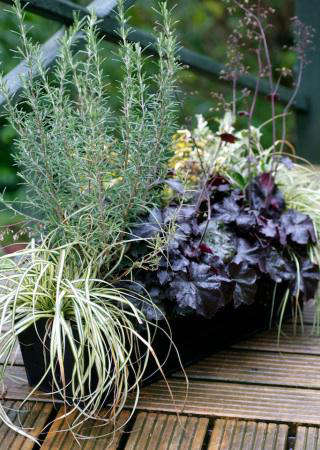

An evergreen window box is the gardening equivalent of a well-tailored jacket: structured, useful in every season, and surprisingly good at making everything around it look more polished. While summer window boxes often steal the spotlight with petunias, geraniums, and enough flowers to make a bee write a thank-you note, evergreen window boxes offer something just as valuable: year-round curb appeal.
Whether your home is a city apartment, a cozy cottage, a townhouse, or a front-porch-loving suburban classic, a window box filled with evergreen plants can add color, texture, privacy, and architectural charm even when the rest of the garden is taking a well-earned nap. Better yet, evergreen window boxes are practical. They do not need to be replanted from scratch every few weeks, and with the right plant choices, they can carry your home through winter, spring, summer, and fall with only a few seasonal updates.
This guide covers how to design, plant, and maintain an evergreen window box that looks intentional rather than accidental. We will talk about the best evergreen plants for window boxes, soil and drainage, sunlight, watering, seasonal styling, common mistakes, and real-life tips that make the difference between “storybook cottage” and “forgotten salad bar.”
What Is an Evergreen Window Box?
An evergreen window box is a container garden installed beneath or near a window and planted primarily with evergreen foliage. Unlike annual flower boxes that fade at the end of the growing season, evergreen window boxes use plants that keep their leaves or needles throughout the year. That means your window box continues to provide color and structure even in cold months, when many plants have gone dormant.
The word “evergreen” does not mean boring green blobs. Evergreen plants come in many colors, shapes, and textures. You can use glossy boxwood, trailing ivy, soft dwarf conifers, blue-green juniper, variegated euonymus, winter-hardy holly, compact arborvitae, creeping Jenny in mild climates, or even evergreen herbs such as rosemary in warmer regions. The magic happens when these plants are combined thoughtfully.
Why Choose an Evergreen Window Box?
Year-Round Curb Appeal
The biggest advantage of an evergreen window box is consistency. Flowers are wonderful, but many have short bloom windows. Evergreens provide a reliable foundation, so your home looks dressed even when the weather is not exactly cooperating. In winter, a box of glossy green foliage, piney textures, and small accents of berries or branches can make a home feel warm and welcoming.
Less Seasonal Replanting
Traditional window boxes often require a spring refresh, a summer refresh, a fall refresh, and sometimes a full winter redesign. An evergreen window box simplifies the routine. Once your main plants are established, you can swap small seasonal accents around them instead of replacing the entire arrangement. Think pansies in spring, calibrachoa in summer, ornamental peppers in fall, and red twig dogwood stems in winter.
Better Structure and Texture
Evergreen plants bring shape to a window box. They can be upright, rounded, trailing, spiky, feathery, or dense. This makes the box look designed rather than randomly planted. A good evergreen window box has rhythm: height in the back, fullness in the middle, and trailing plants over the edge. It is the classic “thriller, filler, spiller” formula, but with foliage doing the heavy lifting.
Best Evergreen Plants for Window Boxes
The best plants depend on your climate, sun exposure, window box size, and how much maintenance you want to do. A shallow box in full sun in Texas is a very different world from a shaded window box in Maine. Before buying plants, check your USDA Hardiness Zone and choose varieties that can handle your winter temperatures, especially because roots in containers are more exposed to cold than roots planted in the ground.
Boxwood
Boxwood is one of the most classic evergreen choices for window boxes. Its small leaves and dense growth make it ideal for formal designs, cottage-style boxes, and modern geometric arrangements. Dwarf varieties are usually best because they stay compact. Boxwood prefers good drainage and should not sit in soggy soil. It also appreciates airflow, so avoid packing it too tightly.
Dwarf Conifers
Dwarf conifers bring miniature forest energy to a window box. Small spruce, cypress, juniper, and arborvitae varieties can add height, color, and texture. Blue-toned conifers look especially striking against white, gray, brick, and black exterior finishes. The key is choosing slow-growing varieties that will not outgrow the box in one season. A tiny conifer that looks adorable at the garden center may eventually want to become a tree with opinions.
Ivy
Ivy is a dependable spiller for evergreen window boxes. It trails beautifully over the front edge, softening the container and creating that romantic, lived-in look. English ivy is common, but it can be invasive in some regions if it escapes cultivation, so use it responsibly and consider alternatives where needed. Variegated ivy adds brightness to shady locations.
Euonymus
Euonymus is a useful evergreen shrub for window boxes because many varieties offer variegated leaves in green, cream, gold, or white. It can brighten a box without relying on flowers. Compact cultivars work well as fillers, and some trailing forms can spill gently over the edge.
Holly
Small holly varieties can add glossy foliage and seasonal berries. Holly works especially well in winter window boxes, where its traditional holiday look feels cheerful without being overdone. Just remember that many hollies need both male and female plants nearby for berry production, so read plant tags carefully.
Heuchera
Heuchera, also known as coral bells, is technically a perennial rather than a woody evergreen shrub, but in many climates it keeps attractive foliage through much of the year. Its leaves come in burgundy, caramel, lime, silver, and deep purple. Heuchera is excellent for adding color without depending on flowers.
Evergreen Herbs
In mild climates, rosemary, thyme, sage, and lavender can work beautifully in window boxes. Rosemary adds upright structure and fragrance, thyme can trail, and sage contributes soft gray-green foliage. These herbs prefer excellent drainage and plenty of sun. As a bonus, your window box may make dinner smell like you have your life together.
How to Design an Evergreen Window Box
Start With the View From the Street
A window box is not just a container; it is part of your home’s exterior design. Step back and look at your windows, siding, trim, shutters, porch, and door color. Choose plants that complement the architecture. A modern home may look best with clean lines and a limited plant palette, such as dwarf boxwood, blue juniper, and trailing ivy. A cottage-style home can handle a fuller, more romantic mix with heuchera, variegated euonymus, ivy, and seasonal flowers.
Use the Thriller, Filler, Spiller Formula
The easiest way to make a window box look professional is to use three roles. “Thrillers” are taller plants placed toward the back or center. “Fillers” are rounded plants that create fullness. “Spillers” trail over the front and sides. In an evergreen window box, a dwarf conifer or upright rosemary can be the thriller, boxwood or heuchera can be the filler, and ivy or trailing euonymus can be the spiller.
Mix Textures, Not Just Colors
Because evergreens are often green, texture matters. Combine fine needles with broad leaves, glossy foliage with matte foliage, and upright forms with trailing forms. A box filled with plants that are all the same height and texture can look flat. A box with contrast looks rich, layered, and intentional.
Repeat Plants for a Clean Look
If you have several window boxes, repetition is your friend. Use the same core evergreen plants in each box to create visual unity. You can still vary seasonal accents, but repeating the foundation plants keeps the design from looking chaotic. For example, each box might include two dwarf boxwoods, one small blue juniper, and trailing ivy, with seasonal flowers tucked into the open spaces.
Choosing the Right Window Box
Evergreen plants live longer than annuals, so they need a sturdy home. Choose a window box that is deep enough for roots, strong enough to support mature plants and wet soil, and properly mounted. A box that is too shallow will dry out quickly and stress the plants. A box that lacks drainage can turn into a miniature swamp, and most evergreens are not interested in auditioning for a wetland documentary.
Wood, metal, fiberglass, resin, and composite window boxes can all work. Wood has a classic look but may need maintenance. Metal can heat up quickly in full sun. Fiberglass and resin are lightweight and often durable. Whatever material you choose, make sure the box has drainage holes. If it does not, drill them before planting.
Soil and Drainage: The Secret to Success
The most important rule for an evergreen window box is simple: use a high-quality potting mix, not garden soil. Garden soil can become compacted in containers, limiting airflow and drainage. Potting mix is lighter and designed for container growing. Look for a mix that drains well but still holds enough moisture to keep roots from drying out too quickly.
Drainage is not optional. Evergreen roots need oxygen. If water collects in the bottom of the box, roots can rot, foliage can yellow, and the plants may decline even if you are watering with the loving devotion of a plant parent in a motivational montage. Make sure water can exit freely from the container. Avoid adding a layer of gravel at the bottom as a “drainage fix.” A consistent column of potting mix generally drains better than a layered container.
How to Plant an Evergreen Window Box
Step 1: Prepare the Box
Clean the window box before planting, especially if it previously held diseased plants. Check that the brackets are secure and the box is level. Add a mesh screen or landscape fabric over large drainage holes if needed to prevent soil from washing out, but do not block water flow.
Step 2: Add Potting Mix
Fill the box about two-thirds full with potting mix. If you are planting long-term evergreens, choose a mix suitable for shrubs and container plants. Lightly moisten the mix before planting so it settles evenly.
Step 3: Arrange Before Planting
Set the plants on top of the soil while still in their nursery pots. Move them around until the design looks balanced. Place taller plants toward the back if the box is viewed mainly from the front. If the box is visible from indoors and outdoors, keep the tallest plants near the center.
Step 4: Plant at the Right Depth
Remove each plant from its pot, loosen circling roots gently, and plant it at the same depth it was growing in the nursery container. Do not bury the crown of the plant. Fill around the roots with potting mix and press lightly to remove air pockets.
Step 5: Water Thoroughly
After planting, water until moisture drains from the bottom of the box. This helps settle the soil and gives roots a strong start. Add more potting mix if the soil level drops after watering.
Seasonal Ideas for Evergreen Window Boxes
Spring
In spring, evergreen window boxes can be refreshed with pansies, violas, primroses, small bulbs, or trailing annuals. The evergreen base provides structure while flowers add cheerful color. Soft yellows, blues, purples, and whites work beautifully with boxwood and ivy.
Summer
Summer is the season for abundance. Add heat-tolerant annuals such as calibrachoa, lantana, sweet potato vine, or trailing verbena, depending on your climate and sun exposure. Keep the evergreen foundation trimmed lightly so it does not crowd seasonal plants.
Fall
Fall window boxes look wonderful with ornamental kale, mums, asters, heuchera, sedge, mini pumpkins, and copper-toned accents. Burgundy foliage pairs especially well with deep green evergreens. This is the season when your window box can wear a cozy sweater without actually needing sleeves.
Winter
Winter is where evergreen window boxes shine. Add cut branches of pine, fir, cedar, spruce, red twig dogwood, birch stems, pinecones, and weather-resistant ornaments. In mild climates, living plants may continue to grow slowly. In colder regions, cut evergreen branches can be inserted into the soil for a lush seasonal display even when living plants are dormant.
Watering and Feeding an Evergreen Window Box
Window boxes dry out faster than garden beds because they have limited soil volume and more exposure to wind and sun. Check moisture regularly by inserting your finger about an inch into the soil. If it feels dry at that depth, water thoroughly. During hot summer weather, daily checks may be necessary. During winter, water less often, but do not forget the box completely. Evergreens can lose moisture through their foliage even in cold weather.
Fertilizing depends on plant type and season. Slow-growing evergreens do not need heavy feeding. A balanced, slow-release fertilizer in spring can help support growth, but too much fertilizer may encourage soft growth that is more vulnerable to stress. Seasonal flowers tucked into the box may need more frequent feeding, especially in summer.
Common Evergreen Window Box Mistakes
Choosing Plants That Grow Too Large
A plant that looks small in a nursery pot may quickly outgrow a window box. Always check mature size. Choose dwarf, compact, or slow-growing varieties whenever possible.
Ignoring Sun Exposure
A south-facing window box may receive intense sun, while a north-facing box may sit in shade most of the day. Match plants to the actual light conditions. Sun-loving rosemary will struggle in deep shade, while shade-friendly ivy may scorch in hot afternoon sun.
Overwatering
Many evergreen plants dislike soggy roots. Water deeply, then let the soil begin to dry before watering again. The goal is evenly moist soil, not a decorative soup.
Forgetting Winter Protection
In cold climates, container plants experience colder root conditions than plants in the ground. Choose hardy plants, protect boxes from harsh wind when possible, and consider using cut evergreen branches for winter display if living plants are unlikely to survive.
Experience-Based Tips for a Better Evergreen Window Box
One of the biggest lessons from working with evergreen window boxes is that restraint often looks more expensive than excess. It is tempting to buy one of everything at the garden center, especially when the plant tags are whispering, “Take me home, I am low maintenance.” But a window box is a small stage. Too many different plants can make it look crowded and confusing. A tighter palette usually looks more polished. Three to five plant varieties are often enough.
Another practical experience: always test the box from both close up and far away. A plant combination may look charming when you are standing twelve inches away with a cup of coffee, but from the sidewalk it may disappear into one flat green blur. Contrast matters. A blue-green juniper beside glossy boxwood reads clearly from a distance. Variegated ivy spilling over a dark box can brighten the whole arrangement. Burgundy heuchera against pale siding can look dramatic without needing flowers.
It also helps to think of the evergreen window box as a permanent outfit with seasonal accessories. The evergreen plants are the jeans and jacket; the flowers, branches, berries, and ornaments are the scarf. This mindset saves money because you are not rebuilding the box every season. In spring, tuck in violas. In summer, add trailing annuals. In fall, add ornamental kale or copper accents. In winter, push cut evergreen stems into open spaces and add red twig dogwood for height.
Watering is another area where experience teaches humility. A window box can dry out faster than expected, especially on windy days. Even cool weather can be drying if the box is exposed. The best habit is not watering on a rigid schedule but checking the soil. Some weeks the box may need frequent watering; other weeks rain may do the work. Plants prefer observation over calendar-based enthusiasm.
Finally, do not be afraid to edit. If one plant grows too aggressively, trim it. If a plant looks tired, remove it. If the box feels too heavy on one side, rotate or replant. A beautiful evergreen window box is not frozen in time. It is a living design, and like all living things, it occasionally has a dramatic phase. The goal is not perfection. The goal is a window box that makes you smile when you come home, adds charm to your exterior, and keeps working even when the rest of the garden has clocked out for the season.
Conclusion
An evergreen window box is one of the smartest ways to create year-round beauty in a small space. With the right container, quality potting mix, reliable drainage, and a thoughtful mix of evergreen plants, your window box can deliver structure, color, and charm through every season. Start with compact plants, match them to your light conditions, and build a design around texture and balance. Then refresh the look with seasonal accents whenever you want a change.
The best evergreen window box does not have to be complicated. In fact, the most successful designs are often simple: one strong upright plant, a few full evergreen fillers, and a graceful trailing edge. Add good care, occasional pruning, and a little seasonal personality, and you will have a window box that looks good in January, June, and every “what month is it again?” moment in between.