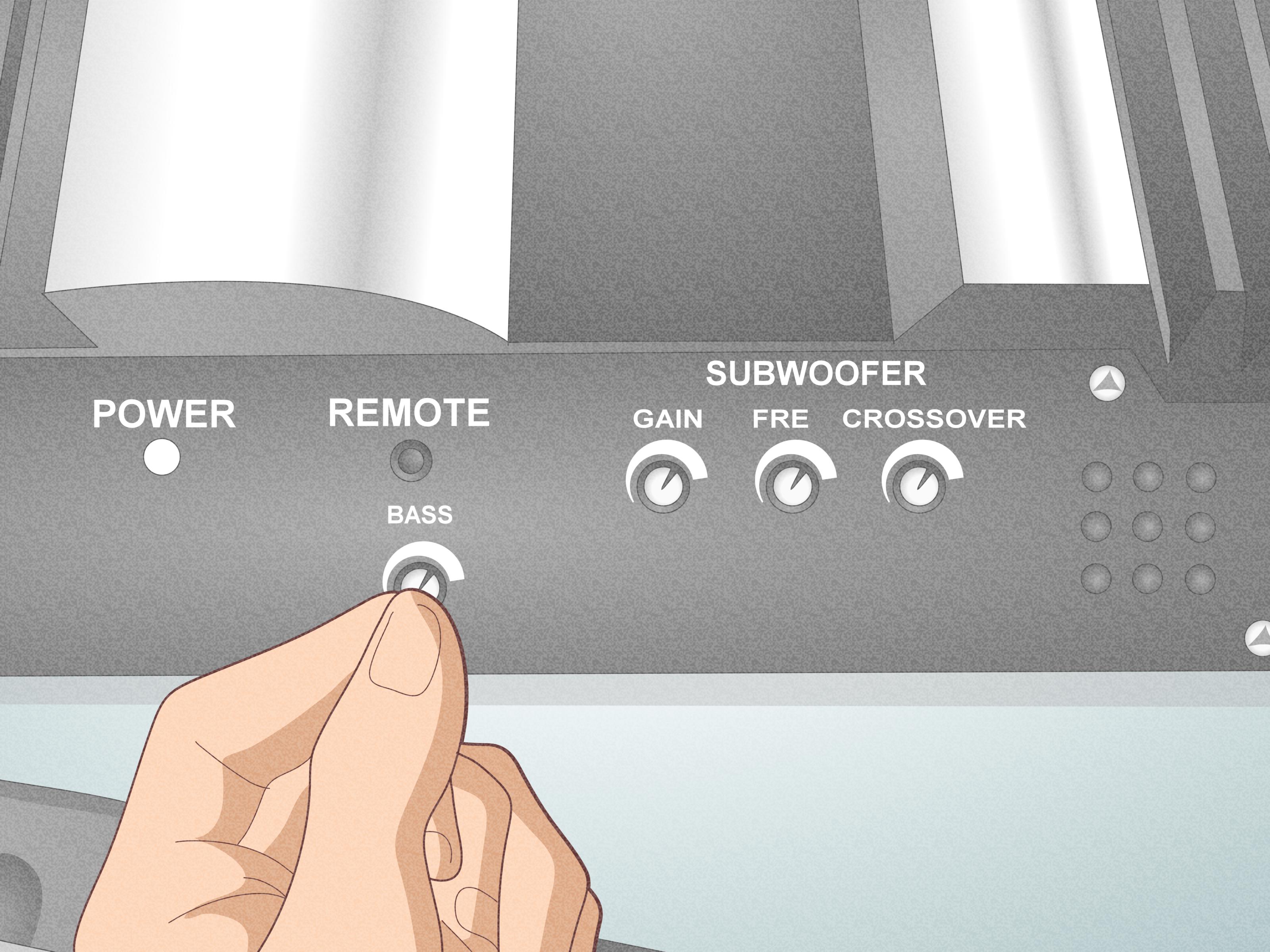

If your speakers sound polite, restrained, and just a little too well-behaved, an active subwoofer may be the missing troublemaker. In the best possible way, of course. A good active subwoofer adds the low-end weight that makes movies feel cinematic, music sound fuller, and explosions stop sounding like someone dropped a pillow on the floor.
The nice thing about an active subwoofer, also called a powered subwoofer, is that it has its own built-in amplifier. That means you do not need a separate amp just to drive the bass. You simply give it power, feed it a signal, dial in a few settings, and let it do the heavy lifting. Literally. Subwoofers are rarely light, emotionally or physically.
So how do you actually use an active subwoofer? In most home audio setups, there are three practical ways to connect and run one:
- Connect it to an AV receiver through the LFE or subwoofer output.
- Connect it to a stereo receiver or integrated amp through a sub out, pre-out, or line-level output.
- Connect it using speaker-level inputs when your amp has no dedicated subwoofer output.
This guide walks through all three methods, explains when to use each one, and shows you how to get smooth, punchy bass instead of the bloated kind that makes every kick drum sound like it ate a cheeseburger.
What Is an Active Subwoofer?
An active subwoofer is a bass speaker with a built-in amplifier. Unlike a passive subwoofer, which needs an external amp to power it, an active model plugs into the wall and handles its own amplification. That built-in amp is why active subs are so common in home theaters, stereo systems, gaming rooms, media rooms, and desktop audio setups.
Most active subwoofers include some or all of the following controls and connections:
- LFE or line-level RCA inputs
- Speaker-level inputs
- Volume or gain control
- Crossover control
- Phase switch or phase knob
- Auto on/standby power mode
Those features give you flexibility, but they also create a classic audio problem: lots of knobs, lots of confidence, and just enough confusion to make you question every decision. The good news is that the setup becomes much easier once you match the subwoofer to the right connection method.
Way 1: Use the LFE or Subwoofer Output on an AV Receiver
This is the most common and easiest way to use an active subwoofer in a home theater system. If you have an AV receiver with a jack labeled Sub Out, Subwoofer, or LFE, this is your best route.
How It Works
You run a single RCA-style subwoofer cable from the receiver’s subwoofer output to the subwoofer’s LFE input or line input. The receiver then sends bass information to the sub and usually handles bass management for the whole system.
Best For
- 5.1 or 7.1 home theater systems
- TV and movie setups
- Gaming rooms
- Anyone who wants the simplest setup path
Basic Setup Steps
- Place the subwoofer near the front of the room to start.
- Plug the subwoofer into power.
- Connect an RCA subwoofer cable from the receiver’s Sub Out to the subwoofer’s LFE input.
- Turn the subwoofer on and set the phase to 0.
- Set the gain around one-third to halfway as a starting point.
- If the sub has an LFE/Bypass mode, use it. If not, turn the sub’s crossover as high as it goes so the receiver can handle the crossover.
- In the receiver menu, make sure the subwoofer is set to On/Yes.
- Set your speakers to Small if you want the receiver to redirect deep bass properly.
- Run room correction if your receiver has it, then fine-tune by ear.
Why This Method Works So Well
An AV receiver is built to manage bass. It can decide which frequencies go to the main speakers and which go to the subwoofer. That usually gives you better integration, cleaner dialogue, and less strain on smaller speakers. It is also the right way to get the dedicated low-frequency effects channel in movies, which is where the fun stuff lives.
If you mainly watch action movies, play console games, or stream concerts, this method is the easiest way to make your system sound bigger without making setup feel like a final exam.
Way 2: Connect Through a Stereo Amp’s Sub Out, Pre-Out, or Line Output
Not every system is a full home theater. Plenty of people use an active subwoofer in a 2.1 stereo setup for music. If your stereo receiver, integrated amplifier, or preamp has a subwoofer out, pre-out, or line-level output, you can still use an active subwoofer very effectively.
How It Works
Instead of using an LFE channel from an AV receiver, this method sends a line-level signal from your stereo gear to the subwoofer. In many music systems, the subwoofer itself handles more of the crossover work.
Best For
- Two-channel music systems
- Powered bookshelf speaker setups with a sub out
- Turntable systems with a phono preamp and integrated amp
- Desktop audio setups with line-level outputs
Basic Setup Steps
- Check whether your amp has a dedicated Sub Out or Pre-Out.
- Use an RCA cable to connect that output to the subwoofer’s line-level input.
- If your sub has left and right RCA inputs and your device provides stereo output, use both if the manual recommends it.
- Start with the subwoofer gain low to moderate.
- Set the crossover to match your speakers. For many bookshelf speakers, 80 to 100 Hz is a smart starting point.
- Play familiar music and adjust until the bass sounds full but not obvious.
When to Lower or Raise the Crossover
If you have larger tower speakers, you can often set the crossover lower, around 60 to 80 Hz. If you have smaller bookshelf or satellite speakers, you may need to go higher, around 90 to 120 Hz. The goal is a smooth handoff, not a bass spotlight.
Here is the simple test: if the subwoofer calls attention to itself, the settings probably need work. Good bass should support the music, not jump on the coffee table and introduce itself mid-song.
Why Music Lovers Like This Method
In a stereo system, an active subwoofer can make smaller speakers sound much bigger than they are. Bass guitars have more body, kick drums feel more realistic, pianos gain weight, and vocals often sound cleaner because the main speakers are no longer struggling to reach deep bass notes they were never truly excited about in the first place.
Way 3: Use Speaker-Level Inputs When There Is No Subwoofer Output
This is the most underrated method and the one that saves a lot of older gear from sounding bass-starved. If your amplifier or receiver does not have a dedicated subwoofer output, you can often connect an active subwoofer using speaker-level inputs.
How It Works
Some active subwoofers include high-level or speaker-level inputs. These accept the amplified signal from your amp’s speaker terminals. The subwoofer reads the signal, extracts the bass, and uses its own built-in amplifier to drive the low frequencies.
On some models, you can also pass the signal onward from the subwoofer to your speakers using speaker-level outputs. On others, the speakers and sub may be connected in parallel according to the manufacturer’s instructions. This is one area where the manual matters. Audio confidence is good. Random wiring is not.
Best For
- Vintage stereo receivers
- Integrated amps with no sub out
- Simple two-channel music systems
- Users who want to keep an older amplifier but add deeper bass
Basic Setup Steps
- Turn off all equipment before making connections.
- Run speaker wire from the amp’s speaker terminals to the subwoofer’s speaker-level inputs.
- If your subwoofer supports speaker-level outputs, connect your main speakers as directed.
- Set the subwoofer crossover lower than the point where your main speakers start to fade.
- Start with phase at 0 and gain set modestly.
- Listen to music with steady bass and adjust slowly.
Important Caution
Do not assume you should use line-level and speaker-level inputs at the same time. Some subwoofers and some specialty brands support combined methods in specific systems, but many manuals recommend using one method or the other unless the manufacturer explicitly says otherwise. When in doubt, follow the subwoofer’s manual instead of your inner action hero.
How to Dial In an Active Subwoofer So It Sounds Good
Connecting the subwoofer is only half the job. The other half is making sure it blends with your speakers instead of turning every song into a bass demo from 2007.
1. Start With Placement
Placement matters more than many people expect. A subwoofer on the front wall often blends well with the main speakers. A corner can increase output and impact, but it can also make bass boomy in some rooms. If one spot sounds muddy and another sounds thin, welcome to the glamorous world of room acoustics.
A practical trick is the subwoofer crawl: place the sub temporarily at your main listening position, play bass-heavy content, then walk around the room and listen for where the bass sounds smoothest. That spot is a strong candidate for the subwoofer’s actual location.
2. Set the Crossover Properly
Around 80 Hz is a solid starting point for many systems, but it is not a law of physics written on a stone tablet. Tiny speakers may need a higher crossover. Large towers may need a lower one. If your receiver handles crossover settings, let it do the work. If your stereo setup relies on the subwoofer’s crossover knob, adjust there and listen for a seamless transition.
3. Check Phase
Phase affects how well the subwoofer’s bass lines up with your main speakers. Start at 0 degrees. If the bass feels weak around the crossover region, try 180 degrees or slowly adjust the phase knob if your sub has one. Choose the setting that gives you fuller, tighter bass at the listening position, not merely louder rumble.
4. Keep the Gain Sensible
A subwoofer should sound powerful, not cartoonish. If every movie scene feels like an earthquake warning and every acoustic song suddenly sounds like a nightclub remix, the gain is probably too high. A properly set sub disappears into the system until the content demands it.
5. Use Room Calibration if Available
Many AV receivers offer automatic setup systems that set speaker size, level, distance, and EQ. These tools can be genuinely helpful, especially in difficult rooms. Run the calibration, listen, then make small manual changes if needed. The keyword is small. This is tuning, not freestyle audio surgery.
Common Mistakes to Avoid
- Using the wrong input: LFE input for a receiver’s subwoofer out, line-level for stereo outputs, and speaker-level only when appropriate.
- Double crossover filtering: If the receiver is doing bass management, do not heavily filter again at the sub if you can bypass it.
- Subwoofer not enabled in settings: Some receivers will not send bass if the speaker pattern is effectively set to a .0 system.
- Setting gain too high: More bass is not the same as better bass.
- Ignoring phase and placement: These two can make a good sub sound bad.
- Stuffing the sub in a cabinet without thought: Bass still interacts with the room, and cramped placement can hurt performance.
- Assuming silence means failure: Some content simply has less deep bass, and some subs stay in standby until they sense enough signal.
Hands-On Experience: What Using an Active Subwoofer Actually Feels Like
The first time most people use an active subwoofer correctly, they notice something funny: the system does not just sound like it has more bass. It sounds bigger, calmer, and more confident. That was the clearest lesson in real-world listening. With a decent pair of bookshelf speakers and no subwoofer, music can sound clean but lightweight, like a band playing with excellent manners. Add a well-integrated active subwoofer, and suddenly the room feels fuller. Kick drums have a real thump. Bass guitars stop being vague suggestions. Movie soundtracks gain tension before anything dramatic even happens.
One of the most common experiences with the LFE method is how quickly a home theater wakes up. A receiver, a single RCA cable, a few settings, and the whole system stops sounding flat. Even people who are not “audio people” usually notice it right away. They may not say, “Ah yes, the crossover integration is much smoother,” because most humans do not talk like that at the couch. But they will say the movie sounds more like a movie. That is the win.
In stereo systems, the experience is a little different. It is less about drama and more about completeness. A properly adjusted active subwoofer in a 2.1 music setup does not draw attention to itself. Instead, it makes the main speakers sound like they ate a healthy breakfast and got a full night’s sleep. Jazz recordings feel more grounded. Electronic tracks gain pressure and texture. Classic rock has more drive. And spoken vocals often become clearer because the main speakers are no longer overworked in the lowest frequencies.
The speaker-level method is especially satisfying for people using older amplifiers. There is something charming about taking a vintage stereo receiver with no modern bass management, adding an active subwoofer through high-level inputs, and suddenly getting richer, deeper sound without replacing the amp you already love. It feels less like upgrading and more like uncovering potential that was sitting there all along.
Of course, real use also teaches humility. The corner that seemed perfect may turn out boomy. The gain setting that sounded exciting at first may become tiring after two songs. The phase switch you ignored may end up being the difference between weak bass and tight bass. That is part of the experience too. Active subwoofers reward patience. Small changes matter, and the best setup is usually the one that sounds natural after an hour, not the one that seems wild in the first thirty seconds.
In everyday life, the best active subwoofer setups tend to disappear. You stop thinking about the box in the corner and start noticing how good the entire system sounds. That is the real goal. The subwoofer is not there to show off. It is there to make everything else sound more complete, more effortless, and more alive.
Conclusion
If you want to use an active subwoofer the right way, start by choosing the connection method that matches your system. Use LFE/sub-out for AV receivers, line-level or pre-out for stereo gear with proper outputs, and speaker-level inputs when older amps do not offer a dedicated sub connection. Then focus on placement, crossover, phase, and gain until the bass blends naturally with the rest of your speakers.
Do that well, and your system will not just sound louder on the low end. It will sound smarter, smoother, and far more enjoyable. Which is exactly what a good active subwoofer is supposed to do.