
Chernobyl has never been a place people describe as “normal.” It is not exactly the kind of destination where you pack sandwiches, forget sunscreen, and say, “Let’s see where the road takes us.” Since the 1986 nuclear disaster, the Chernobyl Exclusion Zone has remained one of the most closely monitored contaminated landscapes on Earth. But when Russian forces invaded Ukraine in February 2022 and seized the Chernobyl Nuclear Power Plant, the word “abnormal” suddenly returned with uncomfortable force.
Reports of increased radiation readings, military vehicles crossing contaminated soil, staff trapped under armed occupation, disrupted monitoring systems, and later discoveries of trenches in risky areas turned Chernobyl from a haunting historical warning into an active wartime nuclear-safety concern. The key point is this: the abnormality was not just about radiation numbers. It was about war entering a site where mistakes, stress, power loss, dust, damaged systems, and poor judgment can combine faster than anyone would like.
This article explains what happened, why the radiation readings caused alarm, what experts later learned, and why Chernobyl remains a global reminder that nuclear safety and military chaos should never be roommates. They are terrible roommates. One leaves dirty dishes; the other risks international panic.
What Happened at Chernobyl During the Russian Invasion?
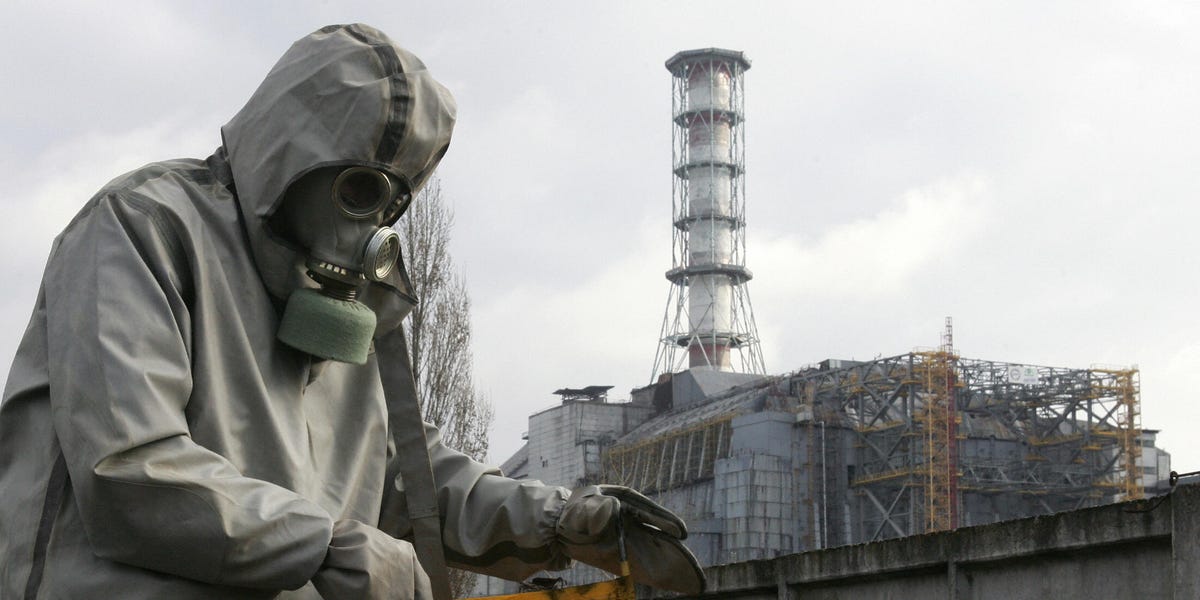
On February 24, 2022, Russian forces moved into Ukraine from Belarus and captured the Chernobyl site on the first day of the full-scale invasion. The plant was no longer producing electricity, but that did not make it harmless. The area still contained decommissioned reactors, radioactive waste facilities, spent fuel storage systems, and the New Safe Confinement structure built over the destroyed Reactor 4.
Because Chernobyl sits relatively close to Kyiv, the Exclusion Zone became a strategic route rather than a quiet buffer around a nuclear disaster site. That is exactly what made the situation so alarming. The zone was designed for controlled access, scientific monitoring, environmental management, and radiation protectionnot for tanks, troops, checkpoints, and commanders who may or may not have read the “please do not dig in radioactive soil” memo.
Why Were Radiation Levels Called “Abnormal”?
Shortly after Russian troops entered the zone, Ukrainian authorities reported higher gamma radiation readings in parts of the Chernobyl Exclusion Zone. Early explanations suggested that heavy military vehicles may have disturbed contaminated topsoil, lifting radioactive dust into the air. That interpretation made intuitive sense: if radioactive particles are sitting in soil, and armored vehicles roll through like an angry metal parade, dust can move.
However, the story became more complicated. The International Atomic Energy Agency said the reported readings were low and within the operational range historically measured in the Exclusion Zone. Later scientific analysis also questioned whether vehicle-disturbed soil alone could explain the pattern of the spikes. Researchers studying the monitoring data suggested that disruption or interference with the radiation-monitoring network may have been a more plausible explanation for at least some of the anomalous readings.
In plain English: yes, the readings were strange. No, they did not necessarily mean a new Chernobyl-style release had occurred. And yes, that distinction matters a lot when the internet is already wearing its “end of the world” hat.
Chernobyl Radiation: Dangerous, But Not Always Dramatic
Radiation is often misunderstood because it is invisible, technical, and excellent at starring in scary headlines. At Chernobyl, radiation risk varies sharply by location. One path may show relatively low readings; another patch of soil, trench, or forest floor may be far more contaminated. The Red Forest, for example, remains one of the most notorious areas because it absorbed heavy radioactive contamination after the 1986 explosion.
The danger is not always cinematic. You do not necessarily glow, collapse, or turn into a comic-book villain. More often, the risk comes from unnecessary exposure, inhaling or ingesting radioactive particles, contaminated clothing, poor decontamination, and repeated time spent in hot spots. That is why nuclear safety depends on measurement, procedure, protective gear, staff rotation, power supply, communications, and boring checklists. Boring checklists, in nuclear safety, are heroes wearing clipboards.
The Red Forest Problem
One of the most widely discussed reports from the occupation involved Russian troops moving through or near the Red Forest. Workers at the site said military vehicles passed through highly contaminated areas without proper radiation protection, raising concerns that radioactive dust had been disturbed. Later reports also described trenches and military positions in contaminated zones.
The Red Forest is not dangerous because of folklore. It is dangerous because radioactive material from Reactor 4 settled there after the 1986 disaster. Disturbing soil in such an area is reckless, especially without training or monitoring. Even if the immediate public risk is limited, the risk to soldiers, workers, and the integrity of radiation controls can be serious.
Was There a New Nuclear Accident?
Available evidence does not show that the 2022 occupation caused a new reactor accident or a large radioactive release comparable to 1986. The plant’s critical infrastructure was repeatedly assessed as not having suffered catastrophic damage during the initial occupation. But “not a catastrophe” is not the same as “nothing to worry about.”
The abnormality lay in the entire safety environment: armed control of a nuclear site, exhausted staff, interrupted communications, uncertainty around radiation-monitoring data, loss of normal routines, and the presence of military activity in contaminated territory. Nuclear safety is not only about whether something has exploded. It is also about whether all the layers preventing an accident are still working.
Staff Under Pressure: The Human Side of Nuclear Safety
One of the most alarming parts of the Chernobyl occupation was the pressure placed on plant staff. Workers responsible for maintaining safety were unable to rotate normally for weeks. That may sound like a workplace scheduling issue until you remember the workplace is Chernobyl.
Fatigue matters. Stress matters. Fear matters. Nuclear facilities rely on trained operators who can think clearly, follow procedures, communicate with regulators, and respond quickly if something goes wrong. A tired worker under military supervision is not operating under ideal conditions. Nobody wants nuclear safety managed by people running on instant coffee, anxiety, and a calendar that stopped making sense two weeks ago.
Why Power and Monitoring Systems Matter
Chernobyl’s spent fuel and waste systems require monitoring, maintenance, and reliable infrastructure. During the occupation, the site lost connection to Ukraine’s electricity grid, though backup systems and the nature of the spent fuel reduced the likelihood of immediate catastrophe. Still, loss of off-site power at a nuclear site is never a casual event.
Remote monitoring also became a major concern. Safeguards and radiation-monitoring systems help regulators and international agencies understand what is happening at nuclear facilities. When data transmission is interrupted, uncertainty grows. And uncertainty is where rumors throw a party.
In a nuclear emergency, accurate information is almost as important as equipment. Without trusted data, authorities cannot easily separate a minor anomaly from a serious threat. That is why the loss or disruption of monitoring systems during war is so dangerous, even when radiation levels themselves are not immediately catastrophic.
What Later Research Said About the Radiation Spikes
Early reporting focused on the idea that Russian military vehicles stirred up radioactive dust. Later peer-reviewed analysis complicated that picture. Researchers found that the spatial pattern of the reported gamma dose-rate increases did not strongly support a major radioactive release from the plant or simple soil resuspension from vehicles. Instead, disruption of the monitoring network, including possible signal reception problems, appeared to be a plausible explanation.
This does not mean the invasion was harmless. It means the phrase “radiation spike” needs careful interpretation. A sensor can report an abnormal reading for multiple reasons: real environmental change, local contamination, technical malfunction, data transmission issues, interference, or damage to monitoring infrastructure. Good science does not panic first and ask questions later. It asks annoying questions immediately, which is why science is invited to fewer parties but saves more lives.
Why Chernobyl Still Matters Decades After 1986
The 1986 Chernobyl disaster remains one of the worst nuclear accidents in history. Reactor 4 exploded during a failed safety test, releasing radioactive material across parts of Ukraine, Belarus, Russia, and Europe. The destroyed reactor was first covered by a temporary sarcophagus, later enclosed by the massive New Safe Confinement structure.
That structure is designed to reduce the risk of radioactive material escaping and to support long-term decommissioning work. It is an engineering achievement, but it does not magically erase the hazard. Chernobyl remains a managed risk, not a solved problem. The difference is important. A lion in a cage is safer than a lion in your kitchen, but you still do not poke the cage with a broom.
The 2025 Drone Strike Added a New Layer of Concern
The 2022 occupation was not the end of Chernobyl-related war concerns. In February 2025, a drone struck the New Safe Confinement structure, damaging the protective shelter. Authorities reported that radiation levels remained stable after the strike, but the incident renewed fears about military activity near nuclear infrastructure.
This matters because nuclear safety depends on long-term structural protection. Even when there is no immediate release of radiation, damage to protective systems can create future risks and expensive repair needs. It is like cracking the roof over a museum full of priceless, dangerous artifacts. The rain may not come today, but nobody celebrates the hole.
Public Risk vs. Worker Risk
One of the most important distinctions in the Chernobyl story is the difference between public risk and worker or soldier risk. Radiation readings that are not dangerous to the general public may still be concerning for people spending time in contaminated areas. A brief exposure on a road is different from digging trenches, sleeping near contaminated soil, or working without monitoring equipment.
For the broader public, the main danger in 2022 was not a confirmed massive radiation cloud. It was the possibility that military activity could damage systems, prevent proper oversight, or create conditions for an accident. For people on site, the risks were more direct: exposure, contamination, stress, lack of rest, and limited access to normal safety procedures.
Lessons From Chernobyl’s “Abnormal” Radiation Story
1. Nuclear sites should never become military shortcuts
Chernobyl’s Exclusion Zone was never meant to serve as an invasion corridor. Military movement through contaminated land creates unnecessary danger and complicates emergency response.
2. Radiation data needs context
A radiation spike does not automatically mean a new disaster, but it should always be investigated. The right response is neither panic nor dismissal. It is measurement, verification, and transparency.
3. Staff safety is nuclear safety
Exhausted, trapped, or intimidated workers cannot operate at their best. Protecting nuclear staff is not just a labor issue; it is a public safety issue.
4. Monitoring systems are critical infrastructure
Radiation detectors, communications links, power systems, and data channels are part of the safety shield. If they fail, uncertainty grows even when physical damage is limited.
5. Old disasters can become new risks during war
Chernobyl is often treated as history, but contaminated sites remain active responsibilities. War can turn yesterday’s disaster zone into today’s security crisis.
Experience-Based Reflections: What Chernobyl Teaches Us About Fear, Risk, and Responsibility
Thinking about Chernobyl after the Russian invasion feels different from reading about it in a history book. A history book gives you dates, diagrams, and maybe a black-and-white photo of serious-looking engineers. The invasion added something more immediate: the feeling that even carefully managed dangers can become unstable when human conflict barges in wearing muddy boots.
One experience many readers share is the strange emotional whiplash of following nuclear news. First comes the headline: radiation is abnormal. Then comes the stomach drop. Then come the expert explanations: readings are elevated but not necessarily dangerous; monitoring may be disrupted; dust may have moved; the public is not in immediate danger. By the end, you are somehow both relieved and more anxious than before. That is the Chernobyl effect. It reminds us that risk is rarely simple.
For people who grew up hearing about the 1986 disaster, Chernobyl already lives in the imagination as a symbol of invisible danger. The abandoned city of Pripyat, the Ferris wheel, the protective suits, the dosimeters clicking like nervous insectsthese images shaped how the world thinks about nuclear accidents. When war returned to that landscape, it felt like someone had reopened a locked room that should have stayed sealed.
The practical lesson is that fear becomes more manageable when information is clear. Radiation is frightening partly because ordinary people cannot see it, smell it, or judge it without instruments. That makes trust essential. People need competent agencies, transparent reporting, working sensors, and experts willing to say both “this is serious” and “this is not the apocalypse.” The best public communication does not shout; it explains.
There is also a personal lesson about respect for places with long memories. Chernobyl is not just an old disaster site or a dark-tourism backdrop. It is a workplace, a scientific zone, an ecological study area, a burial ground for radioactive mistakes, and a reminder of what happens when technology outruns safety culture. Treating it casually is not bravery. It is ignorance with a helmet.
The invasion showed that nuclear risk is not only created by reactors. It can be created by bad decisions around reactors, by broken communications, by exhausted workers, by military pressure, by damaged infrastructure, and by leaders who treat safety rules as optional paperwork. In that sense, Chernobyl’s abnormal radiation story is really a story about abnormal behavior.
For anyone writing, researching, or simply trying to understand this topic, the best approach is balance. Do not exaggerate Chernobyl into a fresh 1986-style catastrophe when evidence does not support that. But do not minimize the danger of turning a contaminated nuclear site into a battlefield checkpoint. The truth sits in the uncomfortable middle: the radiation readings may not have meant disaster, but the situation was still dangerous because the systems designed to prevent disaster were under stress.
And maybe that is the clearest takeaway. Nuclear safety is built slowly, with engineering, monitoring, training, and caution. It can be threatened quickly by war. Chernobyl’s radiation being called “abnormal” was not merely a measurement problem. It was a warning that some places demand humility. Ignore that, and history does not repeat itself politely. It kicks the door open.
Conclusion
Chernobyl’s radiation concerns after the Russian invasion were not simple, and that is exactly why they mattered. Early reports of increased radiation readings raised fears that military activity had disturbed contaminated soil. Later analysis suggested that some abnormal sensor data may have been linked to monitoring-system disruption rather than a major radioactive release. But focusing only on the numbers misses the larger danger.
The Russian occupation placed a sensitive nuclear site under military control, strained workers, disrupted communications, threatened monitoring systems, and brought heavy equipment into contaminated territory. That combination was abnormal in every meaningful sense. Chernobyl did not become a second 1986 disaster, but it did become a warning about how quickly nuclear safety can be weakened by war.
The lasting lesson is clear: nuclear sites require stability, transparency, trained staff, reliable power, functioning monitors, and respect for invisible hazards. War provides the opposite. Chernobyl remains a powerful symbol not only of past disaster, but of the responsibility required to prevent future ones.
Note: This article is written for public web publication and is based on established reporting, official nuclear-safety context, and later scientific analysis. It avoids unsupported panic claims while explaining why the situation was still considered abnormal and dangerous.