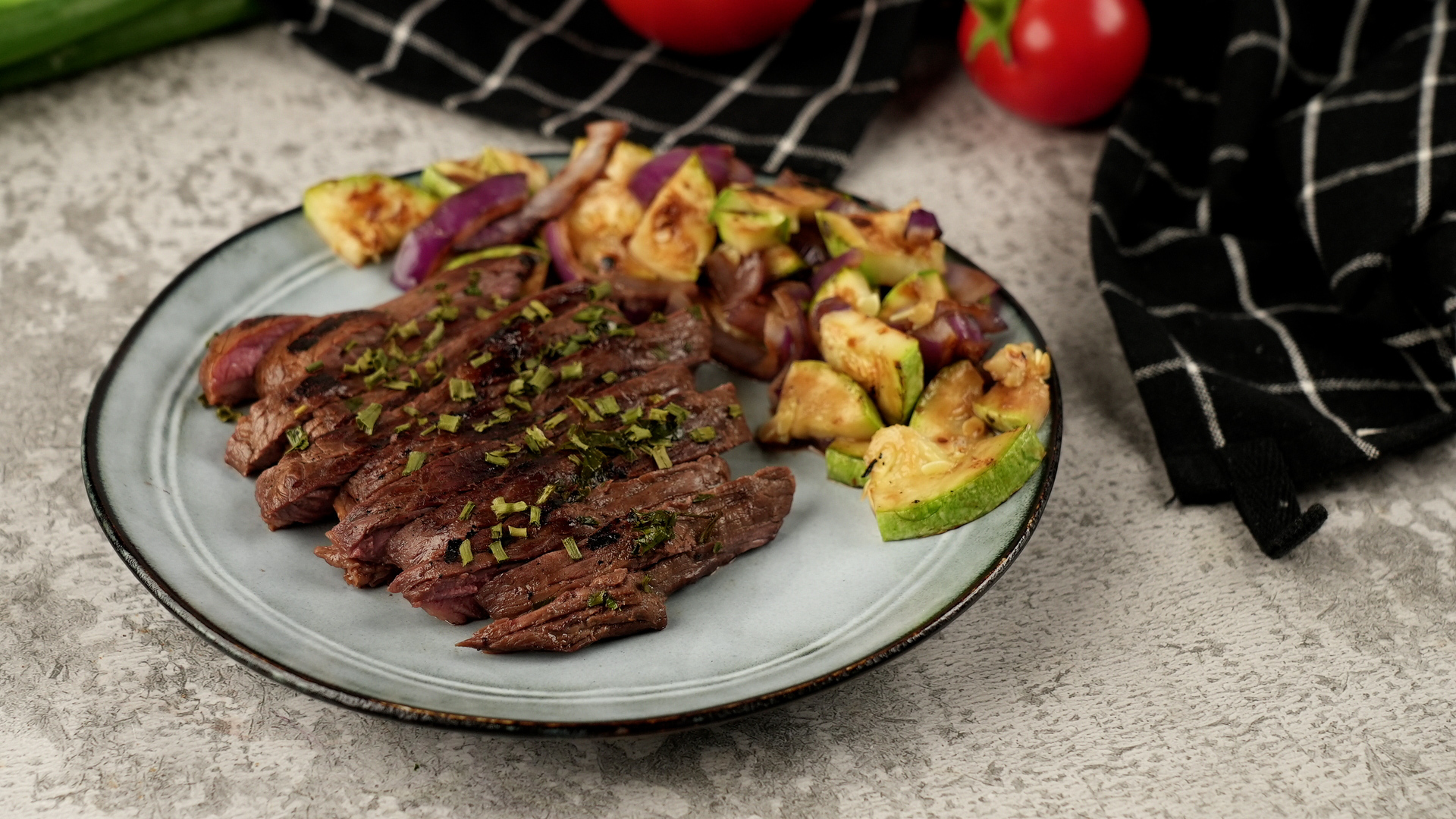

London broil sounds like something a British aristocrat would order while wearing a monocle, but in American kitchens, it usually means one glorious thing: a lean, affordable beef steak that can become tender, juicy, and deeply flavorful when grilled the right way. The trick is not magic. It is marinade, heat control, proper resting, and slicing like you actually respect the cow.
If you have ever grilled a London broil and ended up with something closer to a leather belt than dinner, do not worry. This cut is famously unforgiving when rushed, overcooked, or sliced incorrectly. But with a smart marinade, a hot grill, and a sharp knife, you can turn a budget-friendly steak into a smoky backyard hero.
This guide explains how to grill a London broil in 13 simple steps, from choosing the right cut to carving it into thin, tender slices. You will also find marinade ideas, temperature tips, serving suggestions, troubleshooting advice, and practical grilling experience from the “I learned this the slightly smoky way” department.
What Is London Broil?
London broil is not usually one specific cut of beef. In many U.S. grocery stores, the label “London broil” is often applied to top round steak, flank steak, or another lean, muscular cut. Traditionally, London broil refers more to a cooking method: marinate the beef, cook it quickly with high heat, let it rest, and slice it thinly across the grain.
Because these cuts are lean, they do not have the buttery fat of ribeye or the natural tenderness of filet mignon. That does not make them bad. It simply means they need a little strategy. Think of London broil as the steak equivalent of a serious student: not flashy at first glance, but excellent when properly prepared.
Why Grilling Works So Well for London Broil
Grilling gives London broil what it needs most: fast, intense heat. A hot grill creates a browned, flavorful crust while keeping the inside from drying out. Since the meat is lean, the goal is to cook it quickly to medium-rare or medium, then rest it before slicing.
The grill also adds smoky flavor, which pairs beautifully with marinades made from soy sauce, Worcestershire sauce, garlic, vinegar, lemon juice, Dijon mustard, herbs, or brown sugar. Just be careful with sugary marinades because they can burn quickly over high flames. A little sweetness is charming. Too much sugar on a screaming-hot grill becomes barbecue confetti.
Ingredients You Will Need
For the Steak
- 1 London broil steak, about 1 1/2 to 2 1/2 pounds
- 1 tablespoon neutral oil for the grill grates
- Kosher salt and black pepper, if needed after marinating
For a Classic London Broil Marinade
- 1/4 cup soy sauce
- 2 tablespoons Worcestershire sauce
- 2 tablespoons balsamic vinegar or red wine vinegar
- 2 tablespoons olive oil
- 1 tablespoon Dijon mustard
- 3 cloves garlic, minced
- 1 tablespoon lemon juice
- 1 teaspoon black pepper
- 1 teaspoon dried oregano or thyme
- 1 teaspoon brown sugar or honey, optional
This marinade balances salt, acid, fat, and savory flavor. The soy sauce and Worcestershire sauce bring umami, vinegar and lemon brighten the meat, mustard helps emulsify the marinade, and garlic does what garlic always does: makes everyone in the kitchen suddenly interested in dinner.
How to Grill a London Broil: 13 Steps
Step 1: Choose the Right London Broil
Look for a steak that is evenly thick, usually around 1 to 1 1/2 inches. Top round is common, but flank steak also works beautifully. Avoid pieces with ragged edges, excessive liquid in the package, or uneven thickness that will cook too quickly on one side and too slowly on the other.
A slightly thicker piece is easier to grill because it gives you time to build a crust without overcooking the center. If one end is dramatically thinner, tuck it slightly or position that part over a cooler section of the grill.
Step 2: Trim Excess Surface Fat and Silver Skin
London broil is already lean, but you may find bits of tough silver skin or hard fat. Trim these with a sharp knife. Surface fat that is too thick can prevent the marinade from reaching the meat and may cause flare-ups on the grill.
Do not go full surgery mode. You are preparing dinner, not auditioning for a medical drama. Just remove the tough, chewy pieces that will not soften during quick grilling.
Step 3: Lightly Score the Meat
Use a sharp knife to make shallow diagonal cuts on both sides of the steak, about 1/8 inch deep. Scoring helps the marinade cling to the surface and may reduce curling on the grill. Do not cut too deeply, or the steak can lose juices faster during cooking.
For extra tenderness, you can gently pound the meat with a meat mallet. This is especially helpful for top round, which can be tougher than flank steak. Place the steak between sheets of plastic wrap and pound lightly until the thickness is more even.
Step 4: Mix the Marinade
In a bowl, whisk together soy sauce, Worcestershire sauce, vinegar, olive oil, Dijon mustard, garlic, lemon juice, pepper, herbs, and a small amount of brown sugar or honey if desired. Taste the marinade before adding the meat. It should be salty, tangy, savory, and bold.
If the marinade tastes flat, add a splash more vinegar or lemon juice. If it tastes too sharp, add a little more oil. If it tastes boring, add garlic. Actually, add garlic anyway. Garlic rarely files complaints.
Step 5: Marinate the London Broil
Place the steak in a resealable plastic bag or shallow glass dish. Pour the marinade over it, making sure the meat is coated on all sides. Seal the bag or cover the dish, then refrigerate for at least 4 hours. For deeper flavor, marinate it overnight.
Avoid marinating for too long in a very acidic mixture. A full day is usually fine, but several days in a strong vinegar-heavy marinade can make the surface texture mushy. Tender is good. Mysteriously sponge-like is not the dream.
Step 6: Remove the Steak Before Grilling
Take the London broil out of the refrigerator about 30 minutes before grilling. This helps it cook more evenly. Remove it from the marinade and let the excess drip off. Discard used marinade unless you boil it thoroughly to make it safe for use as a sauce.
Pat the steak very dry with paper towels. This step matters more than many beginners realize. Wet meat steams. Dry meat sears. If you want a browned crust instead of a gray handshake, dry the surface well.
Step 7: Preheat the Grill
Heat your grill to medium-high or high heat, around 450°F to 500°F if your grill has a thermometer. For charcoal, arrange coals so you have a hot direct-heat zone and a cooler indirect-heat zone. For gas, preheat with the lid closed, then adjust burners as needed.
A two-zone setup gives you control. You can sear the steak over high heat, then move it to the cooler side if the outside browns before the inside reaches your target temperature.
Step 8: Clean and Oil the Grates
Brush the grill grates clean, then lightly oil them with a paper towel held by tongs. This helps prevent sticking and improves grill marks. Never spray cooking oil directly into an open flame unless you enjoy surprise fireballs and dramatic eyebrows.
Clean grates also improve flavor. Old burned bits from last week’s burgers are not “seasoning.” They are tiny charcoal ghosts. Let them go.
Step 9: Sear the First Side
Place the London broil over direct heat. Grill for about 4 to 6 minutes on the first side, depending on thickness. Keep the lid closed as much as possible to maintain heat. If flare-ups happen, move the steak briefly to the cooler side.
Do not poke, smash, or constantly move the steak. Let the grill do its work. A good sear needs contact and patience. Flip too early and the crust may tear. Flip too often and the steak starts wondering who is in charge.
Step 10: Flip and Cook the Second Side
Turn the steak with tongs and grill the second side for another 4 to 6 minutes. For a 1-inch-thick London broil, total cooking time may be around 8 to 12 minutes for medium-rare. Thicker cuts may need more time, especially if finished over indirect heat.
Use time as a guide, not a guarantee. Grill temperature, steak thickness, wind, and even how often you open the lid can change the cooking speed. The thermometer is the judge. The clock is just a chatty assistant.
Step 11: Check the Internal Temperature
Insert an instant-read thermometer into the thickest part of the steak. For medium-rare, many cooks pull London broil around 125°F to 130°F and let carryover heat finish the job. For medium, aim for about 135°F to 140°F before resting.
For food safety, USDA guidance recommends whole cuts of beef reach 145°F followed by at least a 3-minute rest. Many steak lovers prefer lower temperatures for tenderness, but anyone serving children, older adults, pregnant people, or guests with weakened immune systems should be especially careful and follow food-safety guidance.
Step 12: Rest the Steak
Transfer the grilled London broil to a cutting board and tent it loosely with foil. Let it rest for 10 minutes. Resting allows the juices to redistribute so they stay in the meat instead of flooding the cutting board.
This is the hardest part because the steak smells amazing and everyone is hovering nearby with plates. Stay strong. Distract guests with salad, bread, or a very confident speech about patience.
Step 13: Slice Thinly Against the Grain
Find the direction of the muscle fibers, also called the grain. Slice across those lines, not parallel to them. Cut the steak into thin slices, about 1/4 inch or thinner, using a sharp knife held at a slight angle.
This step is absolutely crucial. London broil can be perfectly marinated and beautifully grilled, but if you slice it with the grain, it may still chew like a gym resistance band. Cutting against the grain shortens the muscle fibers, making each bite more tender.
Best Doneness for London Broil
London broil is usually best served medium-rare to medium because it is lean. Cook it too far, and it can become dry and tough. If you prefer well-done beef, slice it extra thin and serve it with a sauce, compound butter, chimichurri, or pan juices to help balance the texture.
- Rare: about 120°F to 125°F before resting
- Medium-rare: about 125°F to 130°F before resting
- Medium: about 135°F to 140°F before resting
- USDA safety recommendation: 145°F with at least 3 minutes of rest
Remember that internal temperature can rise several degrees while the meat rests. Pulling the steak slightly before your final target helps prevent accidental overcooking.
Flavor Variations for London Broil Marinade
Soy-Ginger Marinade
Combine soy sauce, rice vinegar, sesame oil, garlic, ginger, scallions, and a little brown sugar. This version is excellent for rice bowls, lettuce wraps, or steak sandwiches with pickled vegetables.
Balsamic Herb Marinade
Mix balsamic vinegar, olive oil, garlic, rosemary, thyme, Dijon mustard, salt, and pepper. This gives the steak a classic steakhouse flavor and pairs well with grilled potatoes or roasted vegetables.
Southwest Lime Marinade
Use lime juice, orange juice, olive oil, cumin, chili powder, garlic, cilantro, and a touch of honey. Serve the grilled London broil in tacos, burrito bowls, or sliced over a crunchy salad.
What to Serve with Grilled London Broil
London broil is flexible enough for weeknight dinners and backyard cookouts. Serve it with grilled corn, baked potatoes, garlic bread, coleslaw, roasted asparagus, or a big green salad. For a lighter meal, pile thin slices over arugula with tomatoes, avocado, and a simple vinaigrette.
Leftovers are terrific in sandwiches, tacos, quesadillas, fried rice, steak salads, and breakfast hash. Slice leftovers cold and thin before reheating gently. High heat can dry them out, so use a skillet over low heat or enjoy the steak chilled in a salad.
Common Mistakes to Avoid
Skipping the Marinade
You can grill London broil with only salt and pepper, but a marinade gives this lean cut a major advantage. It adds flavor and helps the surface brown beautifully.
Grilling Straight from the Fridge
Ice-cold steak cooks unevenly. Letting it sit briefly at room temperature before grilling helps the center warm slightly while the outside sears.
Forgetting to Pat It Dry
Marinade is great before grilling, but excess liquid on the surface can prevent browning. Pat the steak dry so it sears instead of steams.
Overcooking the Meat
London broil is lean, so overcooking makes it tough. Use an instant-read thermometer and remove the steak before it goes too far.
Slicing the Wrong Way
This is the grand finale mistake. Always slice thinly against the grain. If you forget everything else, remember this: the knife angle can save dinner.
Extra Experience: Real-Life Tips for Grilling London Broil
The first lesson from grilling London broil is that confidence is good, but a thermometer is better. Many people try to judge doneness by pressing the steak with a finger or staring intensely at grill marks. That may work for experienced grillers, but London broil is not the friendliest cut for guessing. It can move from juicy to dry faster than a guest saying, “I’ll just have a small piece” and then taking half the platter.
One practical habit is to start checking temperature earlier than you think you need to. If a recipe says 10 minutes total, check at 7 or 8 minutes. Grills vary wildly. A gas grill on medium-high in calm weather may cook differently from a charcoal grill on a windy evening. Thick top round also behaves differently from a thinner flank steak. Checking early gives you control.
Another useful experience is learning how powerful resting can be. When London broil comes off the grill, it may look ready to slice immediately. Do not fall for the trap. If you cut too soon, the juices spill out and the meat tastes drier. A 10-minute rest is not wasted time; it is the final cooking step. Use that window to finish side dishes, warm tortillas, toss salad, or pretend you planned the timing perfectly.
The slicing step is where many London broil dinners are won or lost. Before marinating, look at the grain and mentally note its direction. After grilling, the char can make the grain harder to see. Some cooks even cut a tiny notch in one corner before marinating to remind themselves which direction to slice later. It sounds fussy until you save yourself from carving the entire steak the wrong way.
For better flavor, do not be afraid of bold marinades. London broil can handle soy sauce, Worcestershire sauce, garlic, mustard, citrus, vinegar, herbs, pepper, and spices. Mild marinades often disappear after grilling. The meat is thick and lean, so it appreciates a marinade with personality. Think less “polite handshake” and more “backyard jazz band.”
If your steak browns too quickly, move it to indirect heat. This is especially helpful when the marinade contains sugar, honey, barbecue sauce, or ketchup. Sweet ingredients create great color, but they can burn over direct flames. A two-zone grill lets you sear first, then finish gently. This method is also helpful for thicker London broil cuts that need more time in the center.
For serving a crowd, slice the steak thinly and fan it out on a warm platter. Add a small sprinkle of flaky salt, a spoonful of chimichurri, or a drizzle of garlic herb butter. London broil is affordable, but presentation can make it look like a steakhouse centerpiece. Nobody needs to know you bought the practical cut. Let them believe you have a secret beef consultant.
Finally, plan for leftovers on purpose. Grilled London broil is excellent the next day when sliced cold for sandwiches or chopped into tacos. If reheating, keep it gentle. A screaming-hot microwave can turn yesterday’s beautiful steak into a chewy apology. Warm it slowly in a covered skillet with a splash of broth, or slice it thin and add it at the end of cooking.
Conclusion
Grilling a London broil is all about treating a lean cut with respect. Marinate it long enough to build flavor, preheat the grill properly, sear it over strong heat, check the internal temperature, let it rest, and slice it thinly against the grain. When these steps come together, London broil becomes smoky, savory, tender, and worthy of a second helping.
The best part is that this method is simple once you understand the logic behind it. You do not need fancy equipment or steakhouse secrets. You need a good marinade, a hot grill, a thermometer, and the self-control to wait 10 minutes before slicing. That last one is the real test of character.