
Evening meals can feel like a tiny digestive lottery when you have gastritis. One night, a plain bowl of rice behaves like a polite dinner guest. The next night, one spicy taco strolls in wearing sunglasses and starts a stomach drama at 11:47 p.m. If that sounds familiar, you are not alone. Gastritisan inflammation or irritation of the stomach liningcan make dinner choices surprisingly important, especially because what you eat, how much you eat, and when you lie down afterward may affect nighttime discomfort.
Here is the key idea: food is not usually the root cause of gastritis. Common causes include Helicobacter pylori infection, regular use of nonsteroidal anti-inflammatory drugs such as ibuprofen or naproxen, heavy alcohol use, autoimmune conditions, bile reflux, severe illness, and other medical factors. Still, evening meals can influence symptoms such as burning, nausea, bloating, early fullness, indigestion, and acid reflux. In other words, dinner may not have started the fire, but it can absolutely decide whether to bring a bucket of water or a marching band.
Why Evening Meals Matter When You Have Gastritis
The stomach does not shut down just because the sun went down. After dinner, it keeps producing acid, churning food, and sending partially digested contents into the small intestine. When the stomach lining is inflamed, this normal process may feel uncomfortable. A large, greasy, acidic, or spicy evening meal can sit heavily, trigger bloating, or increase the chance of reflux when you lie down.
Evening eating also overlaps with sleep habits. If you eat a large meal and head straight to bed, gravity is no longer helping keep stomach contents where they belong. That can make heartburn and nighttime regurgitation more likely, especially for people who also have gastroesophageal reflux disease, commonly known as GERD. Gastritis and reflux are not the same condition, but they can show up at the same dinner table like two relatives who both have opinions.
What Is Gastritis, Really?
Gastritis means the stomach lining is inflamed. It can be acute, meaning it comes on suddenly, or chronic, meaning it develops over time and may last for months or years. Some people have clear symptoms, while others have gastritis discovered during testing for another issue.
Common gastritis symptoms
Symptoms may include upper abdominal pain or burning, nausea, vomiting, bloating, burping, loss of appetite, early fullness, or a gnawing feeling between meals. Some people describe it as “my stomach is angry,” which is not an official diagnosis but is emotionally accurate.
When symptoms need medical attention
Seek medical care promptly if you have black or bloody stools, vomiting blood, unexplained weight loss, severe abdominal pain, persistent vomiting, trouble swallowing, chest pain, fainting, or symptoms that do not improve. Gastritis can sometimes be linked to ulcers, bleeding, vitamin deficiencies, or infection that requires treatment. Dinner planning helps, but it is not a substitute for diagnosis.
The Best Time to Eat Dinner With Gastritis
For many people with gastritis or reflux-like symptoms, the safest dinner routine is to eat earlier and leave a gap before lying down. A practical target is finishing dinner at least two to three hours before bedtime. This gives the stomach more time to empty and may reduce the chance of nighttime burning, sour burps, and that dramatic “why did I do this?” feeling after a late heavy meal.
If your bedtime is 10:30 p.m., aim to finish dinner around 7:30 or 8:00 p.m. If your schedule is unusual, focus on the gap rather than the clock. Night-shift workers, students, parents, and people with chaotic schedules can still use the same rule: eat your larger meal when you will remain upright for a while afterward.
What to Eat for an Evening Meal When Gastritis Flares
A gastritis-friendly dinner is usually gentle, balanced, and not too heavy. The goal is not to eat “perfectly.” The goal is to avoid poking the bear. Think simple proteins, soft carbohydrates, cooked vegetables, and mild flavors.
Gentle dinner ideas
Good evening meal options may include oatmeal with banana, baked chicken with rice and steamed carrots, scrambled eggs with toast, baked fish with sweet potato, turkey soup with soft vegetables, tofu with rice, or a small bowl of pasta with a mild non-tomato sauce. These meals are not glamorous in a fireworks-and-confetti way, but your stomach may appreciate their calm personality.
Foods that may feel easier at night
Many people tolerate cooked vegetables better than raw salads during a flare. Bananas, applesauce, rice, oatmeal, potatoes, lean poultry, fish, eggs, low-fat yogurt if tolerated, and broth-based soups are common gentle choices. Whole grains can be helpful for general digestive health, but during a flare, some people do better with softer, lower-fat, less bulky meals.
Foods and Drinks to Limit at Dinner
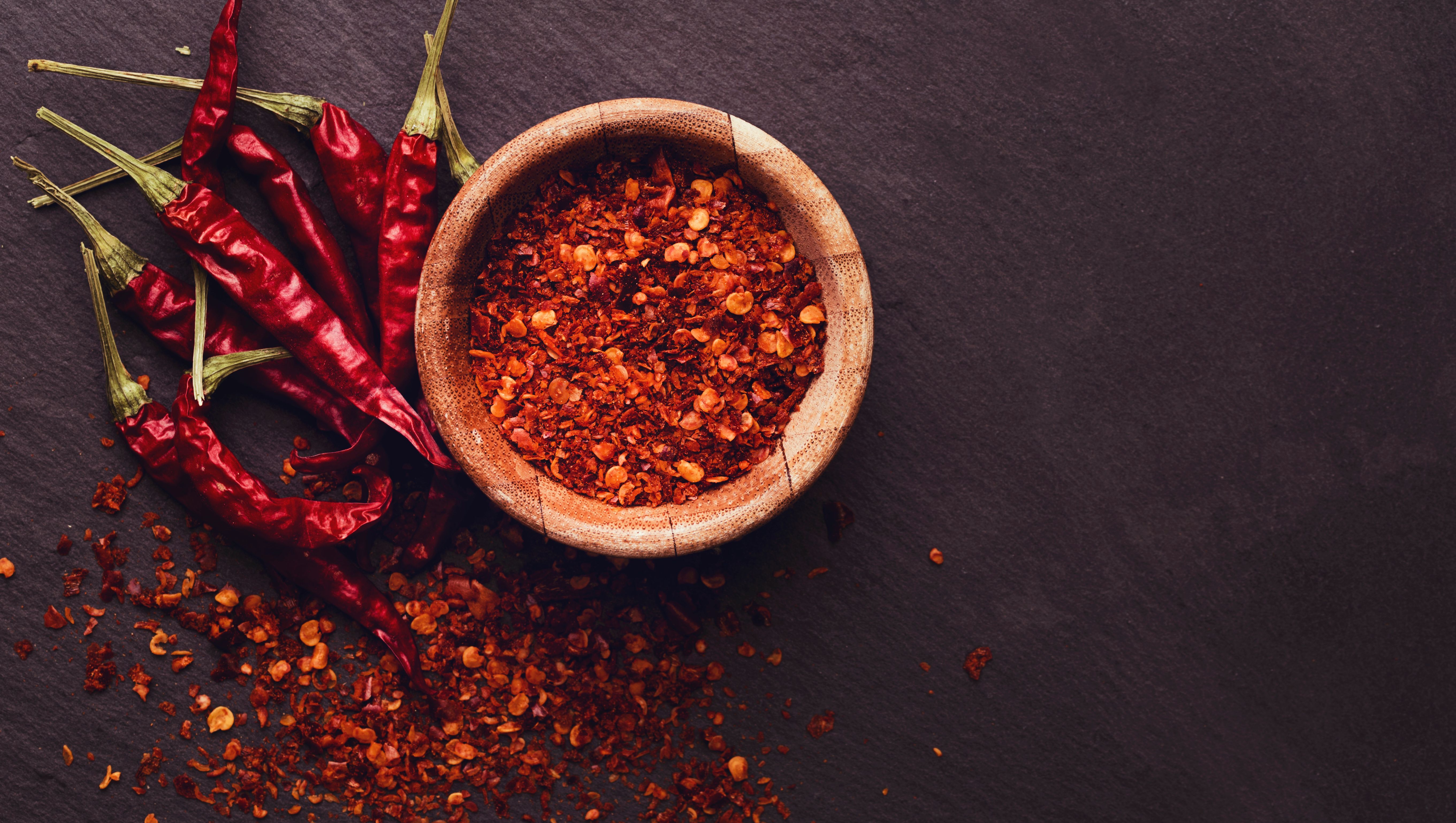
There is no universal gastritis diet that works for everyone. However, certain foods and drinks commonly worsen indigestion, reflux, or stomach irritation in sensitive people. These include alcohol, spicy dishes, fried foods, high-fat meals, acidic foods, tomato-heavy sauces, citrus fruits, chocolate, peppermint, carbonated drinks, and large amounts of caffeine.
This does not mean you must break up with flavor forever. It means you may need to test your personal tolerance. For example, one person may handle a small amount of mild salsa, while another person’s stomach files a formal complaint after one spoonful. A food diary can help identify your actual triggers instead of blaming every meal like a digestive detective with no evidence.
Portion Size: The Quiet Hero of Gastritis Dinners
With gastritis, portion size can matter as much as food choice. A huge plate of even “safe” foods may still cause pressure, bloating, or nausea. Smaller evening meals are often easier to tolerate than one large dinner. If you get hungry later, try a small snack that does not trigger symptoms, such as a banana, a few crackers, applesauce, or a small bowl of oatmeal.
Eating slowly also helps. When you eat fast, you swallow more air and may overload your stomach before your brain gets the “we are full” memo. Put down the fork between bites, chew thoroughly, and give your stomach a chance to keep up. Your digestive system is not a drive-thru window; it appreciates a little patience.
Building a Gastritis-Friendly Evening Plate
A simple dinner formula can make evening meals easier:
1. Choose a lean protein
Try chicken breast, turkey, fish, eggs, tofu, or low-fat dairy if tolerated. Protein helps you feel satisfied without needing a giant meal. Avoid greasy meats, heavily processed meats, and deep-fried proteins when symptoms are active.
2. Add a soft carbohydrate
Rice, oatmeal, potatoes, sweet potatoes, plain pasta, or toast can be soothing for some people. These foods are not magic, but they are often easier on an irritated stomach than heavy, greasy, or highly seasoned dishes.
3. Include cooked vegetables
Cooked carrots, zucchini, spinach, green beans, squash, or peeled cucumbers may be easier than raw crunchy vegetables during a flare. If fiber makes you bloated, increase it slowly instead of turning dinner into a fiber Olympics.
4. Keep fat moderate
Fat slows stomach emptying, which can worsen fullness and reflux in some people. Use small amounts of healthy fats rather than heavy cream sauces, fried foods, or buttery mountains of mashed potatoes.
Sample Evening Meal Plan for Gastritis
Here is a gentle one-day evening routine you can adapt:
Early dinner: Baked chicken, white or brown rice, steamed carrots, and a small drizzle of olive oil.
Alternative vegetarian dinner: Soft tofu with rice, cooked spinach, and a mild ginger-free or low-spice broth if ginger bothers you.
Light late snack if needed: Banana, plain crackers, applesauce, or oatmeal.
Drink: Water or a non-caffeinated herbal tea that you personally tolerate. Avoid experimenting with strong “detox” teas or acidic drinks at night. Your stomach does not need a surprise party.
Should You Drink Milk at Night for Gastritis?
Milk has an old reputation as a stomach soother, but it is not a guaranteed fix. It may temporarily coat the stomach and reduce burning for some people, but it can also stimulate acid production or cause bloating in others, especially if they are lactose intolerant. If you tolerate low-fat milk or yogurt, a small serving may be fine. If dairy makes symptoms worse, skip it and choose another gentle option.
Spicy Food, Stress, and the Gastritis Myth Machine
Spicy food and stress are often blamed for gastritis and ulcers. They can worsen symptoms in some people, but they are not usually the main cause. H. pylori infection and NSAID use are much more important causes of many cases. That said, if chili oil makes your stomach feel like it is hosting a rock concert, you do not need a research paper to take a break from it.
Stress also matters indirectly. It can change eating habits, increase caffeine use, disturb sleep, and make pain feel more intense. A calm evening routineslower meals, less screen chaos, and a consistent bedtimemay support symptom control even though it does not “cure” gastritis.
What About Medication Timing Around Dinner?
Medication timing depends on the medicine and your doctor’s instructions. Proton pump inhibitors, H2 blockers, antacids, antibiotics for H. pylori, and protective medicines all work differently. Do not stop prescribed medication just because dinner feels better for a few days. If symptoms continue, ask a healthcare professional whether testing for H. pylori, checking for ulcers, reviewing NSAID use, or adjusting treatment makes sense.
Evening Habits That May Reduce Nighttime Gastritis Symptoms
After dinner, stay upright for a while. A gentle walk can help digestion and reduce the temptation to collapse onto the couch like a satisfied house cat. Avoid tight waistbands, heavy late snacks, smoking, alcohol, and intense exercise right after eating. If reflux is part of your symptom pattern, raising the head of the bed may help some people more than stacking pillows, which can bend the body awkwardly.
Also pay attention to bedtime snacks. Going to bed painfully hungry can bother some people, while eating a greasy snack late can bother others. The sweet spot is often a small, bland snack only when needed. Think “tiny stomach peace treaty,” not “second dinner with nachos.”
Common Mistakes With Gastritis and Evening Meals
Mistake 1: Eating almost nothing all day, then overeating at night
This pattern can backfire. An empty stomach may feel irritated, and a giant dinner can overload digestion. Smaller meals throughout the day may work better.
Mistake 2: Assuming bland means nutritionally empty
A gentle dinner can still include protein, carbohydrates, vegetables, and healthy fats. Bland does not have to mean sad. It just means your spices are taking a short vacation.
Mistake 3: Ignoring personal triggers
General advice is useful, but your own pattern matters. If tomatoes trigger burning, limit them. If oatmeal makes you bloated, try rice or potatoes instead. Your stomach gets a vote.
Mistake 4: Treating food as the only solution
Diet can help symptoms, but gastritis may require medical treatment. If H. pylori is present, antibiotics may be needed. If NSAIDs are the problem, a clinician may recommend safer pain-management options.
Practical Experiences With Gastritis and Evening Meals
People who deal with gastritis often learn by trial, error, and the occasional regrettable late-night pizza. One common experience is that symptoms are not always immediate. A meal may feel fine at 7:00 p.m., then cause burning, nausea, or bloating closer to bedtime. This delay can make trigger foods hard to identify. Keeping a simple food and symptom journal for two weeks can reveal patterns that memory misses. Write down the meal, portion size, time eaten, bedtime, stress level, and symptoms. You do not need a fancy app; a notebook works perfectly.
Another common experience is that “healthy” food is not always comfortable during a flare. A huge raw salad, citrus smoothie, spicy lentil bowl, or high-fiber dinner may be nutritious but still too rough when the stomach lining is irritated. Many people feel better temporarily with softer foods such as rice, soup, oatmeal, bananas, eggs, baked fish, or cooked vegetables. This does not mean raw vegetables are bad. It means timing matters. During a flare, the stomach may prefer soft slippers over hiking boots.
People also notice that emotional state changes dinner tolerance. A calm meal eaten slowly may cause fewer symptoms than the same meal eaten while rushing, arguing, scrolling stressful news, or finishing homework at warp speed. The stomach and nervous system are closely connected. A simple routinesit down, breathe, eat slowly, stop before feeling stuffedcan make dinner feel less like a digestive obstacle course.
Late snacking is another lesson many people learn the hard way. A small snack may help if hunger causes gnawing discomfort, but a heavy snack can create nighttime reflux or fullness. The best tolerated options are usually small and plain: a banana, toast, crackers, applesauce, or a little oatmeal. Chocolate, chips, soda, spicy noodles, and greasy leftovers are frequent troublemakers. Delicious? Yes. Great at midnight with gastritis? Often no. Your stomach may not appreciate the plot twist.
Hydration matters too. Some people drink very little during the day and then drink a large amount at dinner, which can increase fullness and bloating. Sipping fluids steadily earlier in the day may be easier than flooding the stomach at night. Carbonated drinks are especially tricky because they can increase burping and pressure.
The biggest experience-based takeaway is flexibility. Gastritis recovery rarely follows a perfectly straight line. A dinner that works during a flare may feel unnecessarily plain once symptoms improve. A food that bothers you today may be tolerated later in a smaller portion. The goal is not fear-based eating. The goal is to build a calm evening routine, identify your true triggers, get medical care when needed, and slowly return to a varied diet as your stomach allows.
Conclusion: A Better Dinner Rhythm for a Calmer Stomach
Gastritis and evening meals have a complicated relationship, but it does not have to be a nightly mystery novel. The most helpful approach is usually simple: eat earlier, keep portions moderate, choose gentle foods during flares, avoid personal triggers, and stay upright after dinner. Remember that diet can manage symptoms, but it may not treat the underlying cause. If gastritis symptoms are frequent, severe, or persistent, medical evaluation is important.
A stomach-friendly evening meal does not need to be boring. It just needs to be thoughtful. Give your stomach enough time, enough calm, and enough respect, and it may stop acting like a tiny fire-breathing dragon after sunset.
Note: This article is for general educational purposes and is not a substitute for professional medical advice, diagnosis, or treatment. Anyone with persistent stomach pain, vomiting, bleeding symptoms, unexplained weight loss, or worsening nighttime symptoms should speak with a qualified healthcare professional.