
Straightening an Afro can be a style switch, a confidence boost, or simply a practical way to see your length without your curls shrinking back like they owe rent. For men with Afro-textured hair, the goal is not just “make it straight.” The real goal is to straighten your hair while keeping it healthy, moisturized, and still able to bounce back when you wash it.
Afro-textured hair is beautiful, versatile, and naturally full of personality. It can stand tall, coil tightly, form waves, hold twists, and, yes, straighten into a smooth blowout or sleek press. But because this hair type often has tight curls and bends along the hair shaft, it can be more prone to dryness and breakage if handled roughly. That means straightening an Afro for men requires patience, the right products, and a little respect for physics. Heat is useful. Too much heat is chaos in a plug-in device.
This guide breaks down three practical ways to straighten an Afro: a blow-dryer stretch, a flat iron or silk press method, and a professional chemical straightening option. Each method has different results, risks, and maintenance needs. Whether you want a temporary look for a wedding, a cleaner shape for a week, or a longer-lasting straight style, the best choice depends on your hair length, texture, lifestyle, and tolerance for upkeep.
Before You Straighten: Prepare Your Afro the Right Way
The best straightened style starts before the heat ever touches your head. If your hair is dry, tangled, or loaded with product buildup, straightening becomes harder and more damaging. Think of prep as the warm-up before the gym. Skip it, and something may complain loudly.
Start With Clean Hair
Clean hair straightens more smoothly because oils, gels, creams, and dirt can interfere with heat distribution. Wash your hair with a moisturizing shampoo or a gentle cleanser that removes buildup without leaving your scalp feeling like a desert. Men who use pomades, curl creams, edge control, or heavy oils may need a clarifying shampoo occasionally, but it should not become an every-wash habit unless your hair truly needs it.
Condition Like You Mean It
Conditioner is not optional for Afro-textured hair. It helps soften the hair, reduce friction, and make detangling easier. Focus conditioner on the mid-lengths and ends, because those parts are older and more fragile. If your hair is very dry, a deep conditioner before straightening can make a major difference. Hydrated hair moves better, stretches better, and is less likely to snap while you work through it.
Detangle Gently
Use a wide-tooth comb or detangling brush while your hair is damp and slippery with conditioner or leave-in product. Start at the ends and work upward toward the roots. Do not start ripping from the scalp unless you enjoy collecting broken hairs in the sink like sad confetti. Detangling thoroughly is especially important because knots can turn into breakage once heat and tension are added.
Use Heat Protectant Every Time
A heat protectant creates a barrier that helps reduce the direct impact of heat on the hair shaft. It does not make hair invincible, but it can lower the chance of heat damage when used correctly. Apply it before blow-drying and, if you plan to flat iron, use a product suitable for that step as well. Choose lightweight sprays or serums that do not leave the hair greasy. Heavy oils before a flat iron can make hair feel fried rather than polished.
Method 1: Straighten an Afro With a Blow Dryer
The blow-dryer method is one of the safest and most practical ways for men to stretch an Afro. It will not usually make the hair bone-straight, but it can create a fuller, longer, softer, and more manageable shape. This method is excellent if you want a natural-looking blowout, more length, or easier styling without committing to a flat iron.
Best For
This method works well for short to medium Afros, men who want volume, and anyone who wants temporary straightening with less direct heat. It is also a smart first step before flat ironing because hair should be stretched and fully dry before a flat iron touches it.
What You Need
- Moisturizing shampoo and conditioner
- Leave-in conditioner
- Heat protectant spray or cream
- Wide-tooth comb or detangling brush
- Blow dryer with a comb attachment, concentrator nozzle, or tension brush
- Hair clips for sectioning
Step-by-Step Blowout Technique
After washing and conditioning, gently squeeze out excess water with a microfiber towel or soft cotton T-shirt. Avoid aggressive towel rubbing because friction can rough up the hair cuticle and create frizz before you even begin.
Apply leave-in conditioner and heat protectant evenly. Section your hair into four to eight parts depending on thickness. Smaller sections give better control and reduce the urge to blast one area with too much heat. Start with the back sections and work forward.
If using a comb attachment, place the dryer at the roots and slowly move outward toward the ends while keeping the dryer moving. If using the tension method, hold a section of hair gently stretched with your fingers or a brush, then aim the airflow down the hair shaft. The goal is to stretch the curls while drying, not roast them into submission.
Use medium heat when possible. High heat may work faster, but it also increases the risk of dryness and damage. Keep the dryer several inches away from your scalp and avoid holding heat in one spot. Once each section is dry and stretched, use a cool shot to help set the shape.
Pros and Cons of the Blow-Dryer Method
The biggest advantage of a blowout is that it gives length and movement while keeping the style flexible. Your hair still looks full and masculine, and you can shape it into a high-top, brushed-back look, loose side part, or fluffy stretched Afro. The downside is that humidity can shrink the style quickly. If the air outside feels like soup, your hair may remember its curl pattern before lunch.
Method 2: Straighten an Afro With a Flat Iron or Silk Press
A flat iron or silk press gives the sleekest temporary result. This is the method to choose if you want your Afro to look smooth, shiny, and noticeably straight. For men with longer hair, it can create a dramatic transformation. For shorter hair, it can still polish the texture, though you need enough length to safely use the tool without burning your scalp.
Best For
This method is best for men who want a straight style for several days to two weeks, depending on hair type, weather, workouts, and maintenance. It is also good for special occasions, photo shoots, date nights, or any day when your hair needs to act like it has a board meeting.
What You Need
- Clean, deep-conditioned hair
- Heat protectant designed for flat ironing
- Blow dryer for pre-stretching
- Flat iron with adjustable temperature settings
- Fine-tooth comb for the comb-chase method
- Sectioning clips
- Lightweight finishing serum
- Satin scarf, bonnet, or pillowcase for nighttime protection
Step-by-Step Flat Iron Technique
Never flat iron wet or damp hair. This is one of the fastest ways to cause damage because trapped water can heat rapidly inside the strand. First, wash, condition, detangle, apply heat protectant, and blow-dry your hair until it is fully dry and stretched.
Once your hair is dry, divide it into small sections. Smaller sections require fewer passes, which is better for the hair. Set your flat iron to a moderate temperature. Thick, coarse hair may need more heat than fine hair, but “more heat” should not mean turning the tool into a panini press. Start lower and increase only if necessary.
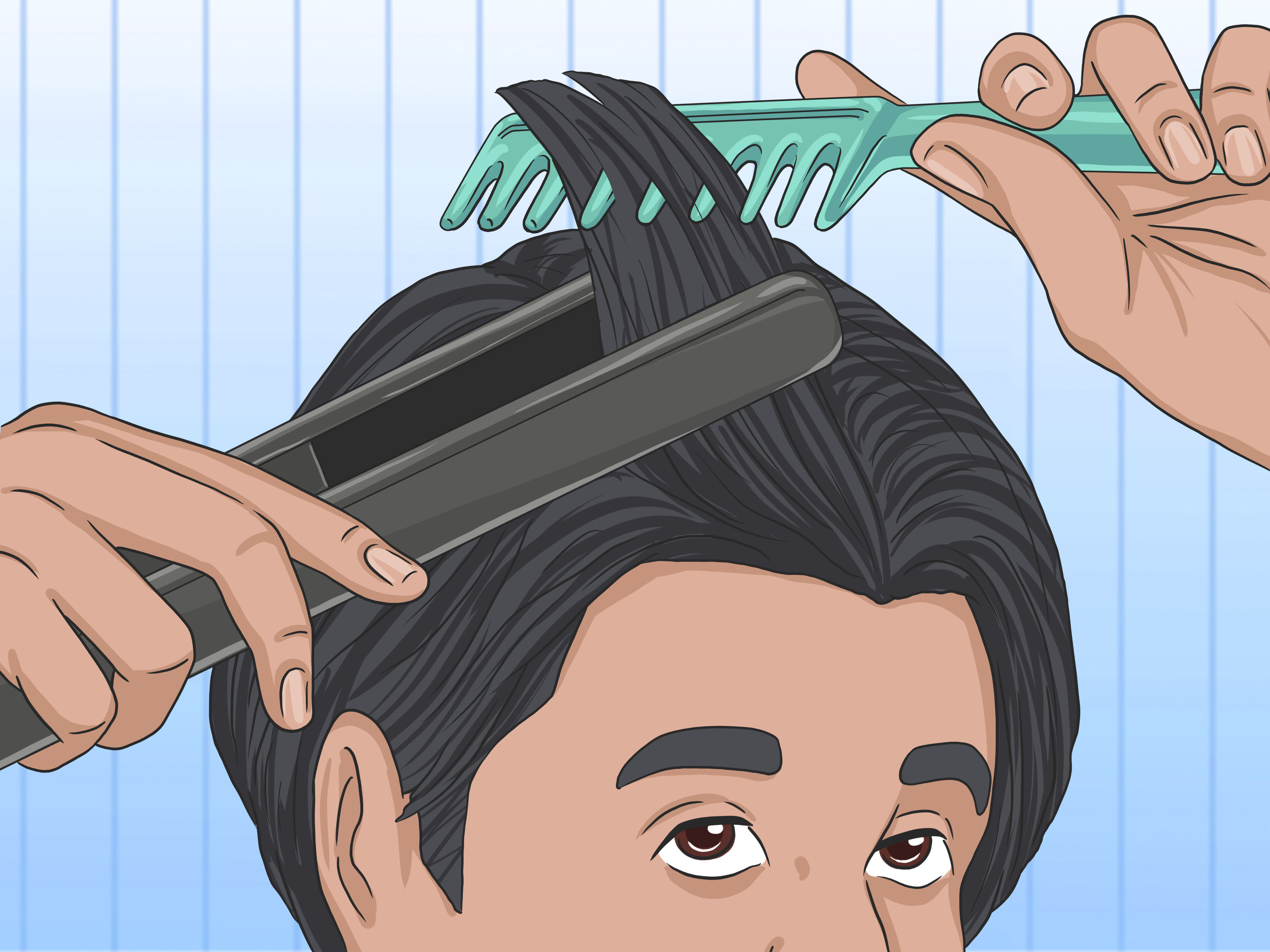
Use the comb-chase method for smoother results. Place a fine-tooth comb just ahead of the flat iron, then slowly glide both through the section. The comb keeps the hair aligned, while the iron smooths it. One slow, controlled pass is better than five rushed passes. Repeat on each section until the whole head is straightened.
After straightening, apply a very small amount of lightweight serum to reduce frizz and add shine. Do not overload your hair with oil or cream after the press. Too much product can weigh the hair down and make it revert faster.
How to Make a Silk Press Last Longer
At night, wrap your hair or use a satin scarf, bonnet, or pillowcase. Cotton pillowcases create friction and can steal moisture. If your hair is long enough, wrap it around your head in a circular pattern and secure it gently. If it is shorter, brush it into shape and protect it with satin.
Keep moisture away from the style. Steam from showers, heavy sweating, rain, and humid weather can bring curls back. Wear a shower cap, avoid intense workouts for the first day if possible, and use anti-humidity products sparingly. A straightened Afro is not afraid of many things, but humidity is definitely on its villain list.
Pros and Cons of the Flat Iron Method
The main advantage is sleekness. A good press can make Afro-textured hair look smooth, polished, and longer. The biggest disadvantage is heat exposure. Too much heat, too many passes, or straightening too often can weaken the curl pattern. If your curls stop returning after washing, that may be heat damage. For many men, flat ironing should be an occasional style, not an everyday routine.
Method 3: Use a Professional Chemical Straightening Treatment
Chemical straightening is the longest-lasting option, but it also carries the most responsibility. Relaxers and some smoothing treatments alter the hair structure to make it straighter. Unlike a blowout or silk press, the results do not simply wash away. New growth will still come in with your natural texture, but the treated hair remains chemically changed.
Best For
This method may suit men who want a consistently straight style and do not want to use heat frequently. It can be useful for men with longer hair who prefer a low-shrinkage look every day. However, it is not ideal for anyone who changes styles often, has scalp irritation, has damaged hair, or is unsure about long-term maintenance.
Why a Professional Stylist Matters
Chemical straighteners can cause scalp burns, breakage, dryness, and hair loss when used incorrectly. A licensed stylist can evaluate your hair condition, choose the right product strength, apply it safely, and avoid overlapping chemicals onto previously treated hair. Overlap is a common cause of breakage because the same hair gets processed more than once.
If you are considering a relaxer, book a consultation first. Tell the stylist about your hair history, including color, bleach, previous relaxers, texturizers, keratin treatments, or scalp issues. Hair that has been bleached or heavily heat-damaged may not be strong enough for chemical straightening.
Be Careful With Smoothing Treatments
Some hair smoothing or straightening products may release formaldehyde gas when heated, especially during salon treatments that combine chemical solutions with flat ironing. Formaldehyde exposure can irritate the eyes, nose, throat, and lungs, and it is associated with serious health concerns. If a salon offers a keratin or smoothing service, ask exactly what product is being used, whether it contains formaldehyde or formaldehyde-releasing ingredients, and what ventilation is available.
Do not assume “formaldehyde-free” means risk-free. Product names and marketing language can be confusing. Ask questions, read ingredient information, and avoid any treatment that makes your scalp burn or your eyes water. Beauty should not require you to breathe suspicious fumes like you are defusing a science experiment.
Aftercare for Chemically Straightened Hair
Chemically straightened hair needs moisture, protein balance, gentle handling, and regular trims. Use moisturizing shampoos and conditioners, avoid excessive heat, and protect your hair at night. New growth will need touch-ups only if you want to maintain the straight look, but touch-ups should be spaced properly. Applying relaxer too often can weaken the hair and scalp.
Pros and Cons of Chemical Straightening
The biggest benefit is convenience. Your hair stays straighter after washing, styling takes less time, and shrinkage is reduced. The biggest drawback is permanence. If you miss your natural Afro, you may need to grow out or cut off the processed hair. Chemical straightening can look excellent when professionally done, but it should never be treated as a casual experiment on a Saturday night with a box, a timer, and blind confidence.
How to Choose the Best Straightening Method
If you want a low-risk style change, start with the blow-dryer method. It gives stretch, volume, and manageability without the intense direct heat of a flat iron. If you want the sleekest temporary finish, use a flat iron or get a silk press from a stylist. If you want long-term straightness and understand the maintenance, consider professional chemical straightening after a consultation.
For short Afros, a blow dryer with a comb attachment may be the most practical option. For medium-length Afros, a blowout followed by light flat ironing can create a polished look. For longer Afros, a silk press can show off length dramatically, but it requires careful nighttime care. For men who work out often, sweat heavily, or live in humid climates, temporary straightening may not last as long, so plan accordingly.
Common Mistakes to Avoid
Using Heat on Dirty Hair
Flat ironing over product buildup can make hair stiff, smoky, and uneven. Start clean for better movement and less damage.
Skipping Heat Protectant
Heat protectant is not magic armor, but skipping it is like grabbing a hot tray without oven mitts and hoping for character development.
Flat Ironing Too Often
Frequent flat ironing can weaken the hair and affect your curl pattern. Give your hair breaks between heat styles.
Using Too Much Product
Heavy oils and creams can weigh down straightened hair and attract buildup. Use lightweight products and apply sparingly.
Ignoring the Scalp
If your scalp is itchy, flaky, sore, or inflamed, pause the straightening plan. Healthy styles begin with a healthy scalp.
Maintenance Tips After Straightening an Afro
Once your Afro is straightened, maintenance is all about reducing friction, moisture, and unnecessary manipulation. Sleep on satin or silk. Cover your hair during showers. Avoid brushing aggressively. Use a lightweight serum only when needed. If your hair starts reverting, do not keep chasing it with heat every morning. That is how a temporary style becomes a long-term damage story.
When you are ready to return to your natural texture, wash with a gentle shampoo and follow with a moisturizing conditioner. Deep condition if your hair feels dry. Your curls may take a little time to fully spring back after a press, especially if the style lasted several days. If sections remain limp after washing, reduce heat styling and focus on moisture and strengthening treatments.
Real-Life Experience: What Straightening an Afro Actually Feels Like
Straightening an Afro for the first time can feel like discovering a secret level in a video game. One minute your hair is sitting proudly above your head; the next, it is stretching down and showing length you forgot existed. Many men are surprised by how much hair they actually have. Shrinkage can hide inches like a magician with excellent stage presence.
The first big lesson is patience. Rushing through the process almost always leads to frizz, uneven texture, or damage. The men who get the best results usually treat straightening like a routine, not a race. They wash thoroughly, condition well, detangle in sections, and let the hair dry enough before blow-drying. They also learn that sectioning is not just something stylists do to look professional. It is the difference between smooth results and a lopsided puff with crispy ends.
The blowout experience is often the most beginner-friendly. It gives instant length, and the hair feels bigger, softer, and easier to shape. Some men like the blowout because it keeps a natural masculine fullness without looking too sleek. It works well with lineups, fades, tapers, and shaped Afros. The look says, “I made an effort,” but not, “I spent three hours negotiating with a flat iron.”
The silk press experience is more dramatic. When done well, the hair can swing, shine, and lie flatter than expected. It can also feel strange at first, especially if you are used to volume. Some men keep touching their hair because it suddenly moves differently. The downside is that a silk press can make you suspicious of weather forecasts. Rain becomes personal. Steam becomes an enemy. A surprise gym session can turn into a curl reunion.
Chemical straightening is a very different experience because it changes the relationship you have with your hair. The daily styling may become easier, but the maintenance becomes more serious. You have to manage new growth, protect the processed ends, and avoid overprocessing. Some men love the convenience. Others eventually miss the versatility of their natural Afro. That is why it is worth thinking carefully before making a permanent change.
One practical experience many men share is learning that barbering and straightening must work together. If your Afro is shaped for its natural curl pattern, it may look different when stretched or pressed. A perfectly rounded Afro can become uneven once straightened because different sections shrink at different rates. If you plan to wear your hair straight often, tell your barber or stylist so they can shape it with both textures in mind.
Another lesson is that products matter, but technique matters more. Buying the most expensive heat protectant will not save your hair if you use too much heat, skip conditioning, or pass the flat iron over the same section repeatedly. On the other hand, a simple routine done carefully can produce clean, healthy-looking results. The magic is not in owning twenty products. It is in knowing what each product is supposed to do.
The best experience comes when you see straightening as one styling option, not a battle against your natural hair. Your Afro is not a problem to fix. It is a texture to understand. Straightening can be fun, sharp, stylish, and useful, but the healthiest approach is to keep your hair strong enough to return to its natural state whenever you want. That way, you get the best of both worlds: the boldness of an Afro and the versatility of a smooth straight style.
Conclusion
There are three main ways to straighten an Afro for men: blow-drying, flat ironing, and professional chemical straightening. The blow-dryer method is best for stretch, volume, and lower-risk styling. The flat iron or silk press method gives the sleekest temporary results but requires careful heat control. Chemical straightening offers longer-lasting straightness, but it should be handled by a professional and approached with full awareness of the risks.
The key to healthy straightening is preparation. Start with clean, conditioned, detangled hair. Use heat protectant. Work in sections. Keep heat moderate. Protect your hair at night. Most importantly, do not sacrifice long-term hair health for one good hair day. A straightened Afro should look fresh, feel soft, and still leave your natural texture ready for its comeback tour.