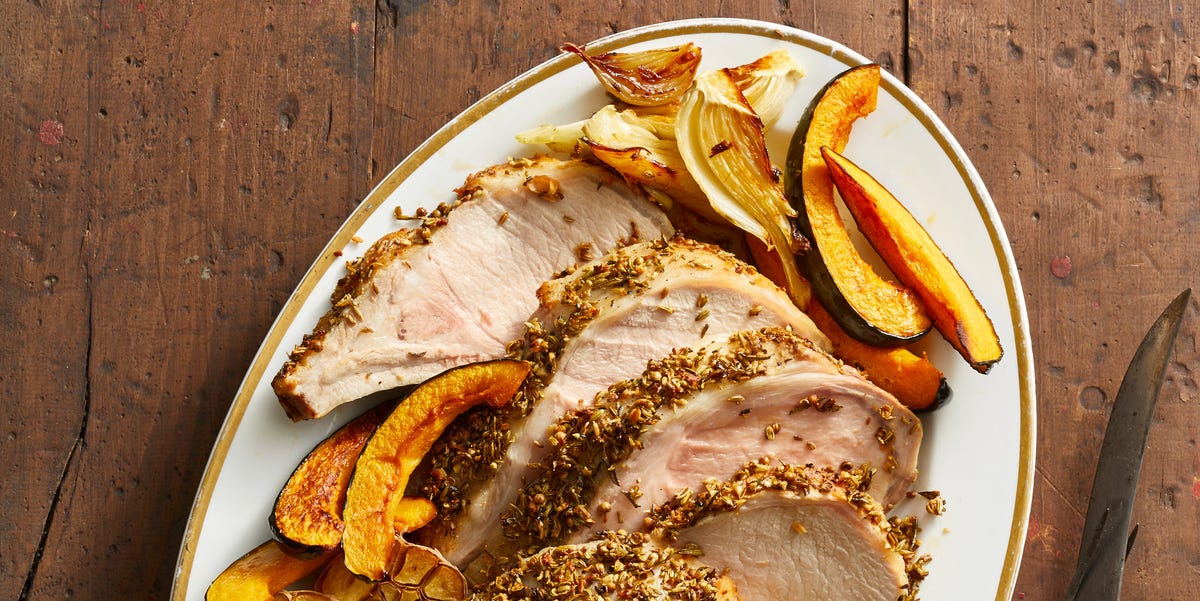
Best Fennel-Crusted Roast Pork with Vegetables Recipe – How To Make Fennel-Crusted Roast Pork with Vegetables

If a dinner recipe could walk into the room wearing a tailored jacket and smelling like Sunday at Grandma’s house, it would be this fennel-crusted roast pork with vegetables. It looks impressive, tastes deeply savory, fills the kitchen with the kind of aroma that makes people casually wander in “just to check,” and still manages to be wonderfully practical. No tiny tweezers, no mysterious chef foam, no panic spiral at 5:47 p.m. Just pork, vegetables, spices, heat, and a little patience.
This recipe is built around a juicy pork loin roast coated with crushed fennel seeds, coriander, garlic, herbs, olive oil, salt, and pepper. As it roasts, the fennel crust becomes fragrant and lightly crackly, while the vegetables underneath turn golden, sweet, and richly flavored by the pork drippings. The result is a complete one-pan dinner that feels holiday-worthy but is simple enough for a cozy weekend meal.
The beauty of fennel-crusted roast pork with vegetables is balance. Pork loin is lean and mild, so it welcomes bold seasoning. Fennel seed brings a warm, slightly sweet, almost licorice-like aroma without making the dish taste like candy. Coriander adds citrusy depth. Garlic and mustard sharpen the edges. Root vegetables, onions, squash, potatoes, and carrots do what vegetables do best in a hot oven: they stop being polite and start getting delicious.
Why This Is the Best Fennel-Crusted Roast Pork Recipe
The best roast pork recipes usually have three things in common: a flavorful crust, careful temperature control, and enough moisture to keep the meat tender. This recipe checks all three boxes. Instead of relying on heavy sauces, it uses crushed spices to create a fragrant coating that seasons every slice. Instead of guessing when the pork is done, it uses a meat thermometer. And instead of roasting the pork alone in a lonely pan, it lets vegetables absorb the juices and become part of the main event.
Another reason this dish works so well is the contrast between the savory pork and naturally sweet vegetables. Carrots, onions, potatoes, fennel bulbs, and winter squash all caramelize beautifully. Their edges brown, their centers soften, and their flavor gets richer. The pork stays the star, but the vegetables are not backup dancers. They are co-stars with excellent lighting.
Ingredients for Fennel-Crusted Roast Pork with Vegetables
For the Pork
- 1 boneless pork loin roast, about 3 to 4 pounds
- 2 tablespoons fennel seeds
- 1 tablespoon coriander seeds or 2 teaspoons ground coriander
- 4 garlic cloves, finely minced
- 2 tablespoons Dijon mustard
- 2 tablespoons olive oil
- 1 tablespoon chopped fresh rosemary
- 1 tablespoon chopped fresh thyme
- 1 1/2 teaspoons kosher salt, plus more as needed
- 1 teaspoon freshly ground black pepper
- 1 teaspoon lemon zest, optional but highly recommended
For the Vegetables
- 1 pound small potatoes, halved or quartered
- 3 carrots, cut into thick diagonal pieces
- 1 large red onion, cut into wedges
- 1 fennel bulb, trimmed and cut into wedges
- 2 cups cubed acorn squash, butternut squash, or sweet potatoes
- 2 tablespoons olive oil
- 1 teaspoon kosher salt
- 1/2 teaspoon black pepper
- 1 tablespoon apple cider vinegar or lemon juice for finishing
How to Make Fennel-Crusted Roast Pork with Vegetables
Step 1: Prepare the Pork
Pat the pork loin dry with paper towels. This step may not feel glamorous, but it is important. A dry surface helps the seasoning paste cling better and encourages the outside of the roast to brown instead of steam. If the pork has a thick fat cap, trim it to about 1/4 inch. You want enough fat for flavor, but not so much that the spice crust slides off like it is escaping responsibility.
Step 2: Crush the Fennel and Coriander
Place the fennel seeds and coriander seeds in a mortar and pestle, spice grinder, or sturdy zip-top bag. Crush them until they are coarse, not powdered. Coarsely crushed seeds create better texture and release their oils during roasting. If you use pre-ground coriander, add it after crushing the fennel seeds.
Step 3: Make the Fennel Crust
In a small bowl, mix the crushed fennel, coriander, garlic, Dijon mustard, olive oil, rosemary, thyme, salt, pepper, and lemon zest. The mixture should look like a thick, fragrant paste. Rub it all over the pork, pressing it firmly into the surface. For deeper flavor, let the seasoned pork rest in the refrigerator for 2 to 8 hours. If you are cooking right away, let it sit at room temperature for 30 minutes while the oven heats.
Step 4: Season the Vegetables
Heat the oven to 400°F. In a large roasting pan or rimmed sheet pan, toss the potatoes, carrots, onion, fennel bulb, and squash with olive oil, salt, and pepper. Spread the vegetables in an even layer. Give them space if you can. Crowded vegetables steam; spaced vegetables roast. It is the difference between “fine” and “why is everyone asking for thirds?”
Step 5: Roast the Pork and Vegetables
Place the pork loin on top of the vegetables, fat side up if it has a fat cap. Roast for 55 to 75 minutes, depending on the size and shape of the pork loin. Begin checking the internal temperature around the 50-minute mark. The pork is ready to come out of the oven when the thickest part reaches 145°F, followed by a rest of at least 3 minutes. For juicier slices, many home cooks prefer removing pork loin at 140°F to 145°F and allowing carryover heat to finish the job.
Step 6: Rest Before Slicing
Transfer the pork to a cutting board and tent it loosely with foil. Let it rest for 10 to 15 minutes. Resting gives the juices time to settle back into the meat. Slice too early and those juices run across the board like they just remembered an appointment. While the pork rests, return the vegetables to the oven for another 10 minutes if they need extra browning.
Step 7: Finish and Serve
Before serving, toss the roasted vegetables with a splash of apple cider vinegar or lemon juice. This small acidic finish brightens the whole dish and balances the richness of the pork. Slice the pork into 1/2-inch pieces and arrange it over the vegetables. Spoon any pan juices over the top. Serve warm, preferably to people who appreciate that you made something this good without turning the kitchen into a disaster zone.
Recipe Tips for Juicy Roast Pork
Use a Meat Thermometer
A meat thermometer is not optional if you want consistently juicy pork loin. Pork loin is lean, which means it can go from tender to dry if overcooked. The safest and most reliable approach is to check the internal temperature at the thickest part of the roast. Avoid touching the pan or a pocket of fat with the thermometer probe, because that can give an inaccurate reading.
Do Not Skip the Rest
Resting is one of the easiest ways to improve roast pork. During cooking, juices move toward the surface of the meat. Resting allows them to redistribute, making each slice more tender. Even a short rest makes a noticeable difference, but 10 to 15 minutes is ideal for a pork loin roast.
Toast the Fennel Seeds for Extra Flavor
For a stronger fennel crust, toast the fennel seeds in a dry skillet over medium heat for 1 to 2 minutes before crushing them. Stir constantly and remove them as soon as they smell fragrant. Toasted fennel has a warmer, nuttier flavor that pairs beautifully with pork.
Cut Vegetables the Right Size
The vegetables should be large enough to survive the roasting time without turning mushy. Cut potatoes into halves or quarters, carrots into thick pieces, onions into wedges, and squash into 1-inch cubes. If you use delicate vegetables, such as zucchini or bell peppers, add them during the final 20 to 25 minutes of roasting.
Best Vegetables to Serve with Fennel-Crusted Pork
Root vegetables are the natural choice for this recipe because they can handle the heat and soak up flavor. Potatoes become crisp at the edges and creamy inside. Carrots bring sweetness. Onions soften and caramelize. Fennel bulb echoes the fennel seed crust but tastes milder and sweeter after roasting. Squash adds color and a buttery texture.
You can also use parsnips, turnips, Brussels sprouts, apples, or pears. Apples and pears are especially good if you want a fall-inspired version of fennel-crusted roast pork. Add them halfway through roasting so they soften without collapsing completely. Brussels sprouts should be halved and placed cut side down for better browning.
Flavor Variations
Italian-Style Fennel Roast Pork
Add chopped sage, extra rosemary, and a pinch of red pepper flakes to the fennel rub. Serve with roasted potatoes and a simple arugula salad.
Holiday Roast Pork
Add orange zest instead of lemon zest and include cubed butternut squash, red onions, and cranberries in the vegetable mix. The result feels festive without requiring you to wrestle a giant turkey.
Garlic-Mustard Roast Pork
Increase the Dijon mustard to 3 tablespoons and add 1 tablespoon whole-grain mustard. This version has a tangier crust and pairs well with mashed potatoes or roasted cabbage.
Apple-Fennel Roast Pork
Add sliced apples during the last 25 minutes of cooking. Their sweetness complements the fennel crust and makes the dish feel cozy enough for sweater weather, even if you are just wearing socks and pretending.
What to Serve with Fennel-Crusted Roast Pork
Because this recipe already includes vegetables, you do not need much else. A crisp green salad with lemon vinaigrette is perfect. Crusty bread is useful for catching pan juices. If you want a more generous dinner, serve the pork with creamy polenta, wild rice, mashed potatoes, or a simple white bean salad.
For drinks, choose something that complements herbs and roasted flavors. Apple cider, sparkling water with lemon, Pinot Noir, dry Riesling, or a light-bodied red wine can all work nicely. For a nonalcoholic option, try unsweetened iced tea with citrus or sparkling apple cider.
How to Store and Reheat Leftovers
Store leftover pork and vegetables in an airtight container in the refrigerator for up to 3 to 4 days. For best results, keep the pork slices and vegetables together with a spoonful of pan juices. Reheat gently in a covered skillet over low heat or in a 300°F oven until warmed through. Avoid blasting pork loin in the microwave for too long, unless your goal is to create edible office supplies.
Leftover fennel-crusted pork makes excellent sandwiches. Layer thin slices on toasted bread with mustard, arugula, and roasted onions. You can also dice leftovers and add them to grain bowls, fried rice, breakfast hash, or a warm salad with roasted vegetables and vinaigrette.
Common Mistakes to Avoid
Overcooking the Pork
The biggest mistake is cooking pork loin until it is gray, dry, and apologetic. Pull it from the oven at the correct temperature and let it rest. A slight blush in the center is normal for properly cooked pork loin.
Using Whole Seeds Without Crushing Them
Whole fennel seeds can be intense and crunchy in the wrong way. Crushing them releases flavor and helps them stick to the pork. You do not need a fancy grinder; the bottom of a skillet or a rolling pin works.
Cutting the Vegetables Too Small
Small vegetable pieces may burn before the pork is done. Keep them chunky and sturdy. If they finish early, remove them from the pan and return them just before serving.
Skipping Acid at the End
A little lemon juice or vinegar makes the roasted vegetables taste brighter and keeps the dish from feeling too heavy. It is a tiny move with a big payoff.
Make-Ahead Tips
You can season the pork up to one day ahead. Cover it and refrigerate it, then bring it out about 30 minutes before roasting. The vegetables can also be cut a day ahead and stored in the refrigerator. Keep potatoes submerged in cold water if prepping them early, then drain and dry them thoroughly before roasting.
If you are making this recipe for guests, roast the pork shortly before serving. Pork loin tastes best fresh from the oven after resting. The vegetables are more forgiving and can be reheated briefly if needed.
Personal Cooking Experience: What Makes This Recipe Shine
The first time you make fennel-crusted roast pork with vegetables, the aroma will probably surprise you. Fennel seed has a way of announcing itself without being rude. It blooms in the oven, mingling with garlic, rosemary, mustard, and pork drippings until the whole kitchen smells like a countryside restaurant that somehow also knows your Wi-Fi password.
One of the most useful lessons from cooking this dish is that pork loin rewards restraint. It does not need to be cooked into submission. In fact, the more aggressively you cook it, the less impressive it becomes. A thermometer changes everything. Instead of cutting into the roast early or guessing based on the clock, you can cook with confidence. Once the pork hits the right temperature and rests properly, it slices cleanly and stays juicy.
The vegetable layer is where this recipe becomes especially practical. Many roast pork recipes treat vegetables like a side note, but here they are part of the cooking strategy. They lift the pork slightly, catch its juices, and turn into a built-in side dish. The onions become silky, the carrots sweeten, the potatoes brown, and the fennel bulb softens into something mellow and elegant. Even people who claim they “do not like fennel” often enjoy roasted fennel bulb because the sharpness fades and the sweetness comes forward.
Another experience-based tip: do not be shy with salt, but do not dump it all in one place. Season the pork crust evenly and season the vegetables separately. Pork loin is thick, and vegetables need their own seasoning to taste complete. If you only season the top of the roast, the vegetables may taste flat. If you season only the vegetables, the pork may look beautiful but taste underwhelming. Balance matters.
For family dinners, this recipe has a wonderful “bring it to the table” effect. A sliced roast arranged over golden vegetables looks abundant and thoughtful. It gives the impression that you spent hours fussing, even though most of the time was hands-off roasting. That is the best kind of dinner party magic: maximum applause, minimum chaos.
If cooking for picky eaters, keep the fennel crust flavorful but not overwhelming. Crush the seeds finely, add garlic and mustard, and use carrots and potatoes as familiar anchors. If cooking for adventurous eaters, add orange zest, chili flakes, or a splash of white wine to the pan. The basic recipe is flexible enough to move from Sunday supper to holiday centerpiece without needing a dramatic personality change.
The leftovers are also worth planning for. Thinly sliced cold pork with mustard on crusty bread is outstanding. Warm leftovers with roasted vegetables and a fried egg make a hearty breakfast hash. Chopped pork can go into soup, grain bowls, or pasta. In other words, this recipe does not end when dinner ends. It politely follows you into lunch the next day, wearing a better outfit.
The main lesson is simple: great roast pork is not about complicated techniques. It is about good seasoning, proper heat, smart timing, and letting the ingredients do what they naturally do well. Fennel-crusted roast pork with vegetables proves that a meal can be rustic, elegant, fragrant, practical, and deeply comforting all at once.
Conclusion
This fennel-crusted roast pork with vegetables recipe is a complete, flavor-packed dinner built from simple ingredients and smart technique. The crushed fennel and coriander crust gives the pork a warm, aromatic flavor, while the vegetables roast underneath until sweet, tender, and golden. With a meat thermometer, a proper rest, and a bright finishing splash of lemon juice or vinegar, you can serve juicy pork loin that feels special without being stressful.
Whether you are planning a Sunday dinner, a holiday meal, or a cozy weekend roast, this recipe delivers the kind of comfort food that makes the table go quiet for the best possible reason: everyone is too busy eating.
Note: This article was written in original American English for web publication and is based on widely accepted U.S. cooking practices for roast pork, including thermometer-based doneness, resting time, spice-crust techniques, and one-pan vegetable roasting.