
Citrus zest is the tiny kitchen upgrade that behaves like it went to culinary school, bought a nice blazer, and came back ready to fix dinner. Most people squeeze lemons, limes, oranges, and grapefruits for juice, then toss the peel like it has nothing left to say. Big mistake. The colorful outer skin of citrus fruit is packed with fragrant natural oils that can brighten desserts, wake up savory dishes, perfume sauces, and make a basic Tuesday meal taste like it has weekend plans.
Learning how to use citrus zest is one of the easiest ways to improve home cooking without buying another expensive ingredient. A lemon can season pasta twice: once with zest and once with juice. An orange can turn pancakes, marinades, roasted vegetables, and muffins into something warmer and more layered. Lime zest can make tacos, rice bowls, yogurt sauces, and grilled vegetables taste fresher without making them watery or aggressively sour.
The trick is simple: wash the fruit first, zest only the colorful outer layer, avoid the white pith underneath, and use the zest while it is fresh or freeze it for later. That is it. No chef hat required. A microplane grater helps, but a fine grater or vegetable peeler can also do the job. Once you get into the habit, throwing away an un-zested lemon will feel like putting a gift card through the shredder.
What Is Citrus Zest?
Citrus zest is the thin, colorful outer layer of lemons, limes, oranges, tangerines, and grapefruits. This layer contains aromatic oils that give citrus its unmistakable fragrance. Underneath it is the pith, the pale spongy layer that can taste bitter when too much of it ends up in food.
In practical kitchen terms, zest gives you citrus flavor without adding much liquid or sharp acidity. Juice brings sourness. Zest brings aroma, depth, and that bright “something smells amazing” effect. When a cake tastes deeply lemony but not mouth-puckering, zest is often doing the heavy lifting.
10 Reasons Why You Should Always Zest Your Citrus
1. Zest Delivers Big Citrus Flavor Without Extra Liquid
One of the best reasons to zest citrus is control. Lemon juice, lime juice, and orange juice add flavor, but they also add liquid and acidity. That can be wonderful in salad dressings, marinades, and sauces, but not every recipe wants more moisture. Add too much juice to cookie dough, cake batter, frosting, or pancake mix, and the texture can change faster than a toddler changes favorite snacks.
Zest solves that problem. It gives baked goods, dry rubs, compound butters, rice dishes, and creamy sauces a vivid citrus note without watering anything down. A teaspoon of lemon zest in shortbread can taste more lemony than a splash of juice. Orange zest in muffins adds sunshine without making the batter loose. Lime zest in a spice rub wakes up chicken, fish, tofu, or vegetables without turning the surface wet.
2. It Captures the Fruit’s Most Aromatic Oils
The reason zest smells so powerful is that the outer peel holds concentrated aromatic oils. These oils are responsible for much of the fruit’s fresh, floral, and slightly sweet character. When you drag a lemon across a microplane and the kitchen suddenly smells like a clean summer morning, that is the zest working its magic.
This aroma matters because flavor is not just what happens on the tongue. Smell plays a huge role in how food tastes. That is why a little orange zest can make chocolate taste deeper, why lime zest can sharpen coconut rice, and why grapefruit zest can make a simple vinaigrette feel fancy without needing a trumpet announcement.
3. Zest Balances Sweet Dishes Beautifully
Sweet foods love citrus zest. Cakes, cookies, quick breads, pies, puddings, cheesecakes, scones, sweet rolls, and glazes can all benefit from a little grated peel. Zest cuts through sugar and butter, making desserts taste brighter instead of heavy.
Think about lemon poppy seed muffins, orange cranberry bread, lime bars, or grapefruit yogurt cake. The zest adds complexity and keeps sweetness from becoming flat. For an even stronger effect, rub citrus zest into granulated sugar with your fingertips before mixing it into a recipe. The sugar crystals help release the oils, creating a fragrant citrus sugar that spreads flavor evenly through the batter. It is a tiny step with dramatic results, like giving your dessert a spotlight and better lighting.
4. It Makes Savory Food Taste Fresher
Citrus zest is not just for cupcakes and brunch plates. It is a secret weapon in savory cooking. Lemon zest can lift roasted vegetables, pasta, soups, grilled seafood, chicken, lentils, and grain bowls. Lime zest adds energy to tacos, black beans, slaws, curries, and rice. Orange zest brings gentle sweetness to roasted carrots, beets, pork, duck-style sauces, and holiday side dishes.
The key is to use zest where you want brightness without too much sourness. For example, roasted broccoli tossed with lemon zest, olive oil, garlic, and a pinch of salt tastes fresher and more complete. A creamy pasta sauce finished with lemon zest feels lighter without needing a large squeeze of juice. Even mashed potatoes can handle a whisper of zest if you pair it with herbs and good butter.
5. Zest Helps You Waste Less Food
If you are already buying citrus, the zest is essentially free flavor. Tossing the peel before zesting it means throwing away one of the most useful parts of the fruit. Zesting before juicing is a smart kitchen habit because whole fruit is much easier to grate than a squeezed, floppy half-lemon. Nobody wants to wrestle a sad citrus shell. That is not cooking; that is a tiny wrestling match.
Before you cut any lemon, lime, orange, or grapefruit, ask: “Can I use the zest?” If the answer is even a maybe, zest it first. Use it right away, store it in the refrigerator for a short time, or freeze it. Frozen zest will not be quite as fluffy as fresh, but it is excellent for baking, sauces, dressings, and cooked dishes.
6. It Upgrades Simple Ingredients Fast
Zest is a shortcut to making everyday ingredients taste intentional. Stir lemon zest into plain Greek yogurt with a little honey for a quick topping. Mix orange zest into softened butter for toast, pancakes, or roasted sweet potatoes. Add lime zest to sour cream or yogurt for a fast taco sauce. Sprinkle lemon zest over canned tuna, chickpeas, or white beans to make lunch taste less like “I forgot to plan” and more like “I am casually brilliant.”
Because zest is intense, you do not need much. Start with half a teaspoon for small dishes and one to two teaspoons for larger recipes. Taste and adjust. Citrus zest should lift the food, not walk into the room with a megaphone.
7. It Adds Color and Visual Appeal
Food should taste good, but let’s be honest: pretty food gets bonus points. A sprinkle of lemon, lime, or orange zest adds instant color to dishes that might otherwise look beige, brown, or emotionally tired. Lemon zest on pasta, lime zest on avocado toast, orange zest on dark chocolate brownies, or grapefruit zest on a salad can make the plate look fresher and more finished.
Long strips of zest can also work as a garnish for desserts, sparkling water, iced tea, fruit salads, and special breakfast plates. Fine zest blends into food; wider strips stand out visually. Choose the style based on the job. Microplane zest is best for even flavor. Peeler strips are best for decoration, infusions, and syrups.
8. Zest Works in Drinks, Dressings, and Sauces
A little zest can transform liquid-based recipes. Add lemon zest to vinaigrette, lime zest to cilantro dressing, orange zest to cranberry sauce, or grapefruit zest to a honey-mustard dressing. Zest gives sauces aroma before the first bite even happens.
For drinks, citrus zest is excellent in lemonade, iced tea, fruit-infused water, homemade sodas, smoothies, and warm herbal tea. A strip of orange peel steeped in hot tea adds a cozy fragrance. Lime zest blended into a mango smoothie makes it taste brighter. Lemon zest in homemade lemonade deepens the citrus flavor without requiring more sugar or more juice.
9. It Lets You Build Flavor in Layers
Great cooking often comes from layering flavor. Citrus zest lets you do that easily. You can add zest early in a recipe to infuse oils, butter, sugar, or cream, then finish with juice at the end for brightness. This two-step approach creates a rounder citrus flavor than juice alone.
For example, when making lemon pasta, warm lemon zest gently in olive oil or butter with garlic, then finish the dish with a squeeze of juice. In orange muffins, rub zest into sugar before mixing the batter, then add a light orange glaze after baking. In lime rice, stir zest into the hot rice first, then add juice and herbs just before serving. The result tastes fresh, balanced, and complete.
10. It Is Easy to Store for Future Cooking
Citrus zest is best fresh, but it also stores well when handled properly. You can freeze zest in a small airtight container or freezer bag. Spread it out loosely so it does not freeze into one stubborn citrus brick. You can also mix zest with sugar or salt for quick flavor boosters.
Lemon sugar is excellent for tea, cookies, and pancakes. Lime salt is great for roasted vegetables, corn, popcorn, and grilled-style dishes. Orange sugar can be sprinkled over oatmeal, yogurt, or French toast. These little pantry helpers make future meals easier and more flavorful.
How to Zest Citrus the Right Way
Wash First, Even If You Are Not Eating the Whole Peel
Always wash citrus under running water before zesting. Since zest comes from the outside of the fruit, the peel should be clean before it touches your grater or your recipe. Use your hands to rub the surface, or use a clean produce brush for firmer citrus. Dry the fruit well afterward, because dry citrus is easier to zest and less likely to slip.
Use the Right Tool
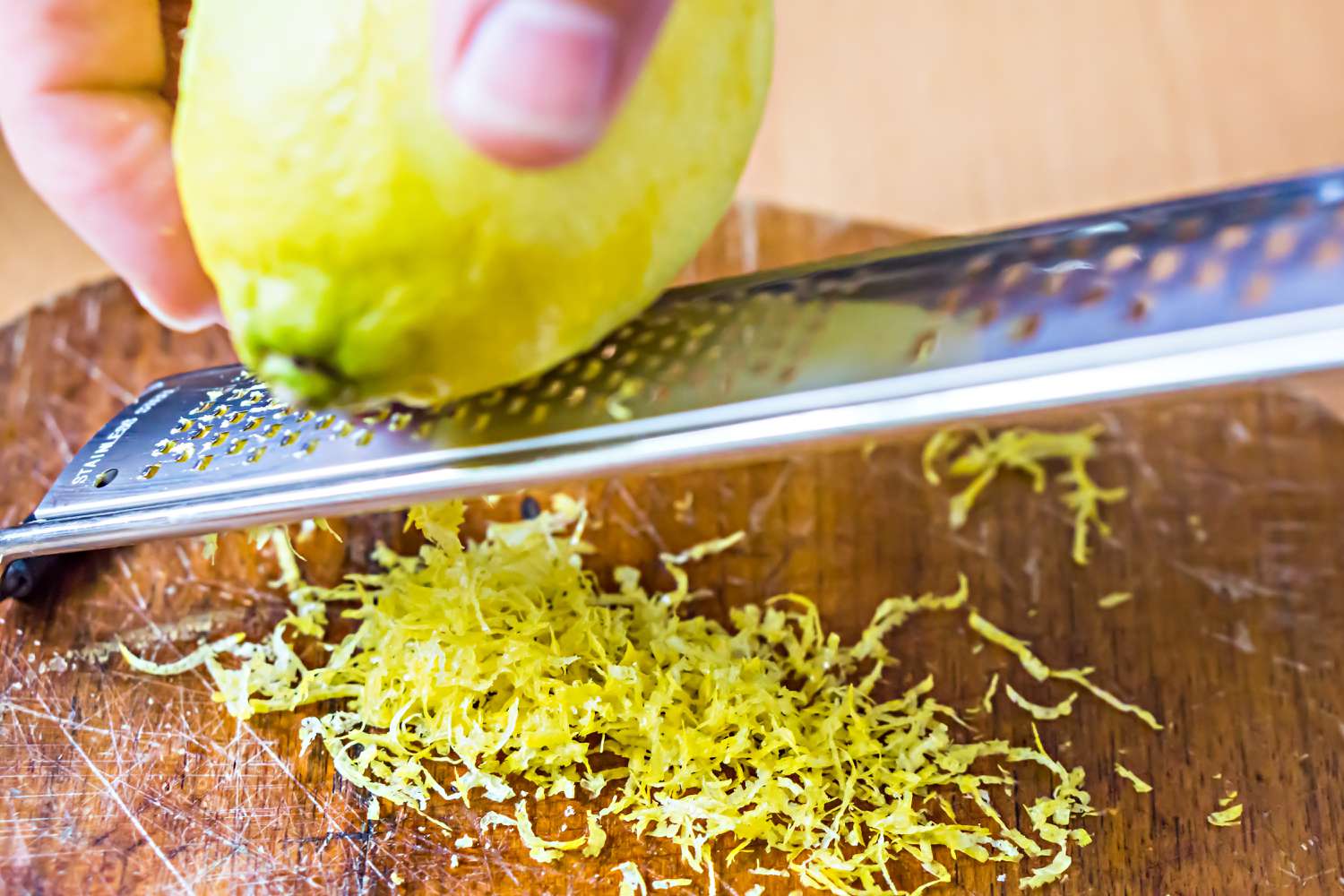
A microplane or rasp-style grater is the easiest tool for fine zest. Hold the fruit firmly and lightly drag it across the grater, rotating as soon as the colorful layer is removed. A box grater can work if it has small holes, though it is usually less precise. A vegetable peeler is useful when you want strips. After peeling, scrape away any thick white pith and finely chop the colored peel.
Avoid the White Pith
The pith is the pale layer under the colorful zest. A tiny bit will not ruin dinner, so do not panic like you just dropped your phone in soup. But too much pith can add bitterness, especially in delicate desserts, sauces, and drinks. The goal is to remove only the bright outer skin.
Zest Before You Juice
This rule deserves a place on a kitchen sticky note. Zesting whole citrus is easy. Zesting a squeezed lemon half is awkward, slippery, and mildly tragic. If a recipe needs both zest and juice, zest first, then cut and squeeze.
Best Citrus Zest Pairings
Lemon Zest
Lemon zest works beautifully with garlic, parsley, basil, rosemary, thyme, black pepper, butter, olive oil, blueberries, vanilla, white beans, chicken, fish, pasta, and roasted vegetables. It is the most flexible citrus zest and the easiest one to use daily.
Lime Zest
Lime zest pairs well with cilantro, mint, coconut, chili, avocado, corn, black beans, mango, rice, shrimp-style dishes, tofu, and tacos. It tastes sharper and more tropical than lemon zest.
Orange Zest
Orange zest is sweeter and warmer. Use it with cinnamon, chocolate, cranberries, carrots, beets, sweet potatoes, almonds, oats, yogurt, and breakfast pastries. It is especially good in holiday recipes and cozy baked goods.
Grapefruit Zest
Grapefruit zest is floral, slightly bitter, and sophisticated. Try it in vinaigrettes, fruit salads, sparkling water, yogurt bowls, honey sauces, and simple cakes. Use a light hand because grapefruit can be bold.
Common Mistakes to Avoid
The first mistake is zesting unwashed fruit. Since you are using the outside layer, cleaning matters. The second mistake is grating too deeply into the pith. The third mistake is adding too much zest at once. Citrus zest is powerful, so begin small and build.
Another common issue is adding zest too early to a dish that cooks for a long time. Heat can soften its brightest aroma. In soups, stews, roasted vegetables, and sauces, zest often works best near the end or as a finishing touch. In baking, it can go into the batter because it has time to infuse the mixture.
of Real Kitchen Experience: Why Zest Became My Favorite Tiny Habit
The first time I truly understood citrus zest, I was making a basic lemon cake that tasted fine but not exciting. It had lemon juice, sugar, butter, and all the usual suspects. It was a polite cake. A cake that would hold the door open for you but not tell a great story. Then I tried rubbing lemon zest into the sugar before mixing the batter. The difference was immediate. Before the cake even went into the oven, the bowl smelled brighter. After baking, the flavor tasted fuller, not just sour. That was the moment I realized zest was not decoration. It was flavor with a microphone.
Since then, zest has become one of those habits I do automatically. If I cut a lemon for salad dressing, I zest it first. If I squeeze lime over rice, I zest it first. If I eat an orange and know I am baking later, I zest it before peeling. It feels like getting a bonus ingredient from something I already paid for, and in a world where groceries can make your wallet sigh dramatically, that matters.
One of my favorite easy tricks is lemon zest on roasted vegetables. Broccoli, cauliflower, carrots, zucchini, asparagus, and potatoes all become more interesting with a little zest after roasting. The heat gives vegetables sweetness and browned edges, while the zest adds freshness. Add olive oil, salt, pepper, and maybe garlic, and suddenly the side dish is not just “the vegetable part of dinner.” It is the thing people keep picking at from the sheet pan.
Another experience: lime zest is a quiet hero in rice. Plain rice can be comforting, but lime zest turns it into something that belongs next to tacos, beans, grilled vegetables, or a big salad bowl. I stir in lime zest while the rice is hot, then add lime juice after it cools slightly. The zest gives fragrance; the juice gives sparkle. Together, they make rice taste planned, even when dinner is basically “whatever is left in the fridge.”
Orange zest has saved many breakfasts from boredom. A little orange zest in oatmeal with cinnamon and honey tastes warm and cheerful. In pancake batter, it adds a bakery-style aroma. In yogurt with berries, it makes the whole bowl taste fresher. It is a small move, but small moves are often what separate “food” from “food I would happily eat again tomorrow.”
The freezer trick is also worth adopting. I keep small amounts of zest in a labeled container, especially lemon and lime. When I need a fast flavor boost, I pinch out what I need and toss it into sauces, soups, dressings, or dough. It is not quite as fragrant as fresh zest, but it is still useful and much better than having no zest at all. Future you will be grateful. Future you may even feel organized, which is a rare and beautiful kitchen emotion.
The biggest lesson is this: citrus zest makes cooking feel more alive. It adds aroma, color, and depth without demanding much time or money. It helps desserts taste brighter, vegetables taste fresher, sauces taste sharper, and simple meals taste more intentional. Once you start zesting citrus before using the juice, it becomes second nature. You will look at a lemon and see not one ingredient, but two. That is not just smart cooking. That is kitchen thrift with excellent perfume.
Conclusion
Citrus zest is one of the easiest upgrades in home cooking. It brings concentrated flavor, fresh aroma, bright color, and better balance to sweet and savory recipes. It helps reduce food waste, improves everyday meals, and gives you more value from every lemon, lime, orange, or grapefruit you buy. Whether you are baking muffins, tossing roasted vegetables, making salad dressing, flavoring rice, or finishing a pasta dish, zest adds a clean burst of citrus without extra liquid or harsh acidity.
The habit is simple: wash your citrus, dry it, zest the colorful outer layer, avoid the pith, and use the zest before cutting the fruit. Once you start, you may never toss a bare citrus peel again. Your food will taste brighter, your kitchen will smell better, and your grater will finally feel like the tiny flavor wand it was born to be.