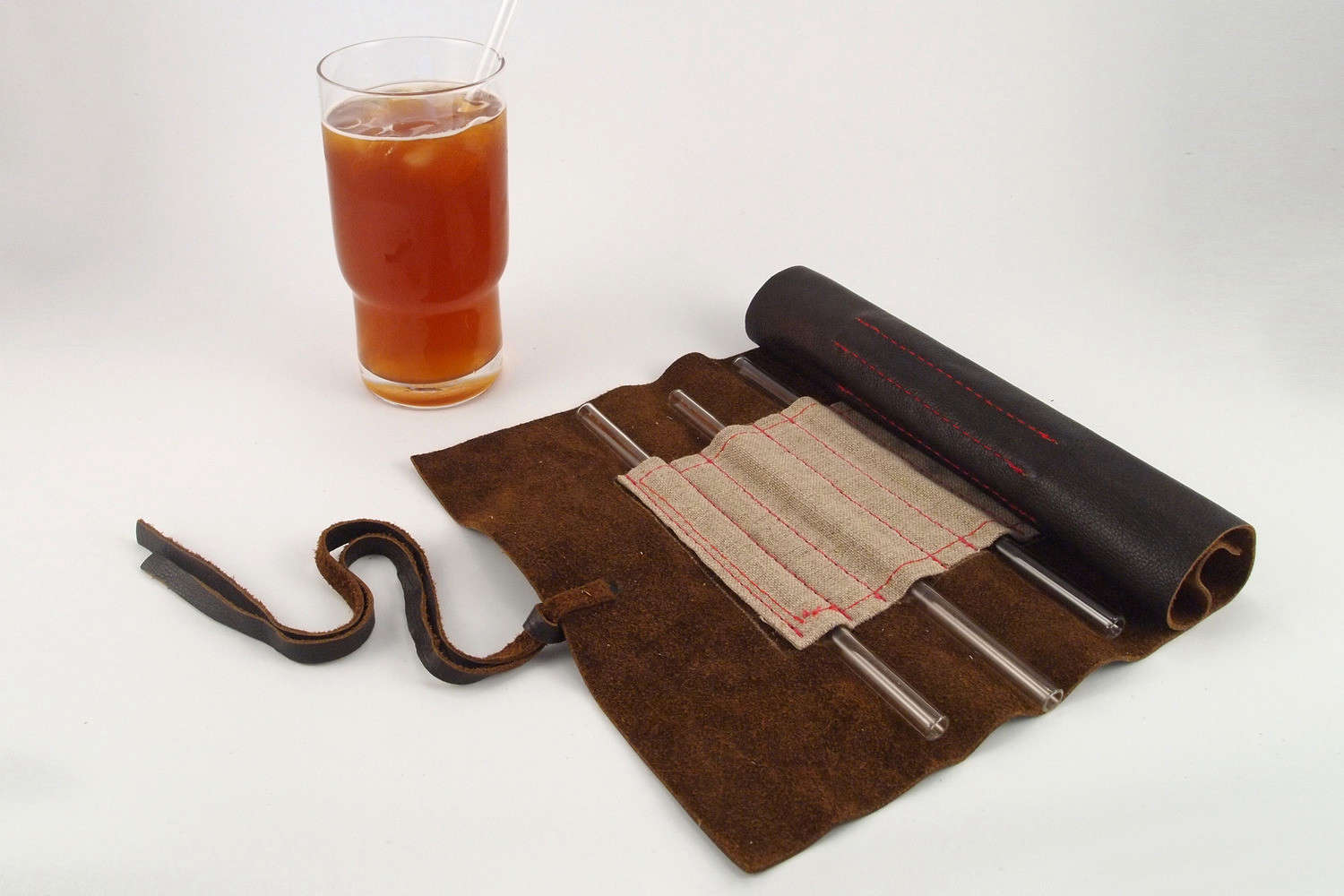

Glass drinking straws are the tiny kitchen upgrade that somehow makes iced coffee feel more expensive, smoothies look prettier, and plain water behave like it just checked into a boutique spa. They are sleek, reusable, easy to see through, and refreshingly free of the soggy drama that comes with paper straws. If a paper straw has ever collapsed halfway through your lemonade like it gave up on life, you already understand the appeal.
But glass straws are more than a pretty accessory for mason jars and matcha lattes. They sit at the intersection of sustainable living, everyday convenience, food safety, and personal style. As more people look for reusable straw alternatives to reduce single-use plastic waste, glass drinking straws have become a popular choice for home kitchens, coffee bars, restaurants, picnics, and anyone who enjoys sipping without adding a metallic taste to their drink.
This guide explores what glass drinking straws are, why people love them, how to choose the right ones, how to clean them properly, and when they may not be the best option. We will also look at real-life experiences, practical examples, and small details that make a big differencebecause yes, even a straw can have a personality.
What Are Glass Drinking Straws?
Glass drinking straws are reusable straws made from food-safe glass, often borosilicate glass. Borosilicate glass is commonly valued for its durability and resistance to temperature changes, which is why it is used in many kitchen and laboratory items. In everyday terms, it means the straw is designed to handle cold drinks, many warm drinks, and repeated washing without behaving like a delicate antique teacup.
Most glass straws are clear, but they can also come in tinted, frosted, curved, straight, decorative, or extra-wide designs. Some are short enough for cocktail glasses, while others are tall enough for tumblers and travel cups. Smoothie lovers often prefer wider glass straws because nobody wants to wrestle a strawberry chunk through a straw the size of a pencil line.
Common Types of Glass Straws
Straight glass straws are simple, modern, and easy to clean. They work well for water, iced tea, lemonade, cold brew, and most everyday beverages.
Bent glass straws mimic the angle of classic plastic straws. They can be more comfortable for sipping from tall glasses, especially while sitting, working, or driving as a passenger.
Wide glass straws are made for smoothies, milkshakes, bubble tea, protein shakes, and thicker drinks. A wider diameter also makes cleaning easier because the brush has more room to move.
Decorative glass straws may include colored glass, swirls, dots, or artistic shapes. These are great for entertaining, although the fanciest straw in the drawer should still be practical enough to clean and inspect.
Why Glass Drinking Straws Are So Popular
Glass drinking straws have earned their loyal fan club because they solve several annoying straw problems at once. They do not soften like paper, they do not leave a metallic taste like some stainless steel straws, and they are easier to inspect than opaque silicone or bamboo straws. You can literally look through the straw and see whether it is clean. That transparency is oddly satisfying, like finding out your junk drawer is organized.
They Help Reduce Single-Use Plastic Waste
One of the biggest reasons people switch to glass drinking straws is sustainability. Plastic straws are small, lightweight, and often used for only a few minutes before being thrown away. Because of their shape and size, they can be difficult to recycle and may end up as litter in waterways. A reusable glass straw can replace many disposable straws over time, especially for people who drink iced coffee, smoothies, or water with a straw every day.
Of course, a glass straw is not a magic wand that fixes global plastic pollution by itself. The most sustainable item is usually the one you actually use, clean, and keep. A reusable straw forgotten in a drawer is just a very elegant drawer ornament. But when glass straws become part of a daily routine, they can help reduce dependence on disposable options.
They Preserve the Taste of Your Drink
One of the quiet luxuries of glass drinking straws is that they are taste-neutral. A good glass straw does not add a flavor to your drink. That matters more than people think. Lemon water should taste like lemon water, not like pennies. Iced coffee should taste like coffee, not like a kitchen tool. Fresh juice should taste bright and clean, not like damp paper.
This is why many people prefer glass straws for beverages with delicate flavors, such as infused water, iced matcha, herbal tea, sparkling water, mocktails, and fresh fruit drinks. The straw gets out of the way and lets the drink do its job.
They Look Beautiful in Photos and on the Table
Let us be honest: looks matter. Glass drinking straws turn an ordinary drink into something that feels intentional. A clear straw in a tall glass of cucumber mint water looks clean and modern. A curved glass straw in a smoothie makes breakfast feel less rushed. A colored glass straw in a cocktail or mocktail adds just enough personality without waving jazz hands across the room.
For content creators, home entertainers, café owners, and people who simply enjoy a good-looking kitchen, glass straws are a small design detail that makes beverages more visually appealing. They work especially well with minimalist kitchens, eco-friendly dining setups, boho brunch tables, and modern bar carts.
Glass Straws vs. Other Reusable Straws
Reusable straws come in several materials, and each has strengths. The best choice depends on where, how, and who will use the straw.
Glass vs. Stainless Steel Straws
Stainless steel straws are extremely durable and travel-friendly. They are great for camping, commuting, and tossing into a bag. However, some people dislike the metallic taste or the hard feel against their teeth. Stainless steel also conducts temperature, so a hot drink can make the straw warm, and an icy drink can make it very cold.
Glass straws feel smoother and taste cleaner, but they require more careful handling. They are best for home use, office desks, dinner parties, and controlled environments where dropping them on tile is not part of the plan.
Glass vs. Silicone Straws
Silicone straws are flexible, soft, and often better for children or people who need a bendable option. They are less likely to break and are gentle on teeth. The downside is that some silicone straws can retain odors or be harder to inspect inside, especially if they are opaque.
Glass straws win on visibility and flavor neutrality. Silicone wins on flexibility and impact resistance. For many households, keeping both options makes sense: glass for adults and everyday home drinks, silicone for kids, travel, or anyone who needs a softer straw.
Glass vs. Bamboo Straws
Bamboo straws have a natural, earthy look, but they can be harder to clean and may wear out faster. Because bamboo is organic and porous, it needs careful drying and storage to avoid odor or buildup. Glass straws are nonporous, transparent, and easier to inspect, which makes them more practical for many daily routines.
Glass vs. Paper Straws
Paper straws are disposable and often used as a quick replacement for plastic. They may be useful in some food-service settings, but they are not famous for endurance. Anyone who has slowly watched a paper straw melt into a milkshake knows the emotional damage.
Glass straws are reusable, sturdier, and more enjoyable for long sipping sessions. They do require cleaning, but the reward is a straw that stays firm until the last sip.
Are Glass Drinking Straws Safe?
Glass drinking straws can be safe when they are made from food-safe glass, used correctly, inspected regularly, and cleaned well. The key phrase is “used correctly.” Glass is still glass. It can break, chip, or crack if dropped, bitten, crushed, or exposed to rough handling. That does not make glass straws bad; it means they should be treated like other glassware.
Choose Food-Safe, Lead-Free Glass
Look for glass straws labeled as food-grade, lead-free, BPA-free, and made from borosilicate glass. Avoid unknown decorative straws with painted coatings inside the drinking path. If a straw has color, the safest designs usually use colored glass itself rather than paint that can scratch or peel.
Inspect Before Each Use
Before using a glass straw, hold it up to the light. Check for chips, cracks, sharp edges, cloudiness, or tiny fractures. If you see damage, retire it immediately. A cracked straw is not being “eco-friendly” by staying in service. It is auditioning for a kitchen accident.
Be Careful With Children and Travel
Glass straws are usually not the best choice for young children, rough outdoor use, gym bags, or situations where someone may bite down hard. For children, silicone straws are often safer because they are soft and flexible. For travel, stainless steel or silicone may be more practical unless the glass straw has a protective case and you are careful with packing.
Consider Accessibility Needs
Not every reusable straw works for every person. Some people with disabilities rely on flexible, lightweight, bendable straws for hydration and nutrition. A rigid glass straw may not be suitable for someone who needs a straw that bends, stays positioned, or reduces risk from involuntary movement. The best sustainable approach should include choice, not one-size-fits-all rules.
How to Clean Glass Drinking Straws Properly
Cleaning is where glass straws shineliterally. Because they are transparent, you can see residue inside. That is a major advantage over opaque reusable straws.
Rinse Immediately After Use
The easiest cleaning habit is also the least glamorous: rinse the straw right away. If you just drank water, a rinse may be enough before a regular wash. If you drank a smoothie, milkshake, protein shake, or anything with pulp, rinse immediately before the inside turns into a science project with fruit notes.
Use Warm, Soapy Water and a Straw Brush
Use warm water, dish soap, and a straw-cleaning brush that fits the full length of the straw. Scrub from both ends if needed. Pay extra attention to bent glass straws because the curve can hold residue. After washing, rinse thoroughly so no soap taste remains.
Use the Dishwasher If the Manufacturer Allows It
Many glass drinking straws are dishwasher-safe, but always check the manufacturer’s instructions. Place them securely in a utensil basket or dedicated straw holder so they do not rattle around. A dishwasher can be convenient, but it is still smart to inspect the inside afterward, especially after thick drinks.
Dry Completely Before Storage
After washing, let glass straws air dry fully. Store them upright in a jar, flat in a drawer organizer, or inside a protective case. Avoid sealing a damp straw in a pouch, because trapped moisture is the villain in almost every reusable-item story.
How to Choose the Best Glass Drinking Straws
The best glass drinking straws are not necessarily the prettiest ones. They are the ones you will use regularly, clean easily, and store safely.
Pick the Right Length
Short straws work well for rocks glasses, small tumblers, and cocktails. Medium straws fit most standard glasses. Long straws are better for 20-ounce to 30-ounce tumblers, mason jars, and tall iced coffee cups. Before buying, measure the cups you use most often. A straw that disappears into your drink is annoying. A straw that towers over the cup like a flagpole is also not ideal.
Choose the Right Diameter
Thin glass straws are good for water, tea, coffee, and juice. Wider straws are better for smoothies, milkshakes, boba-style drinks, and thicker beverages. If you make protein shakes with banana, peanut butter, or oats, choose a wide straw. Your future self will thank you while not aggressively inhaling a smoothie through a tiny tube.
Look for Rounded Edges
A quality glass straw should have smooth, rounded ends. Sharp or uneven edges are a deal-breaker. The mouthfeel should be comfortable, polished, and safe.
Buy a Set With Cleaning Brushes
A cleaning brush is not optional; it is part of the system. Some sets include multiple brushes, which is useful because straw brushes mysteriously vanish like socks in the laundry. If the set does not include a brush, buy one separately in the correct size.
Use a Storage Case for Travel
If you plan to take glass straws outside the home, use a padded case. A bare glass straw rolling around in a purse, backpack, or glove compartment is not a lifestyle choice; it is a suspense film.
Best Drinks for Glass Drinking Straws
Glass straws work beautifully with many drinks, especially cold beverages. They are excellent for iced coffee, cold brew, iced tea, lemonade, fruit-infused water, sparkling water, mocktails, cocktails, green juice, protein shakes, and smoothies.
They are especially pleasant for drinks where flavor clarity matters. Mint lemonade tastes cleaner. Strawberry water looks prettier. Iced coffee feels smoother. Even plain water somehow becomes more drinkable, which is helpful if your hydration strategy usually depends on guilt and a half-empty bottle on your desk.
For very hot drinks, check the manufacturer’s instructions. Some borosilicate glass straws can handle warm beverages, but sipping hot liquid through any straw can increase the risk of burns if the liquid reaches your mouth quickly. For hot coffee or tea, use caution and common sense.
Environmental Benefits and Realistic Expectations
Glass drinking straws support a low-waste lifestyle because they are reusable and long-lasting. Over time, one glass straw can replace many disposable straws. They also encourage more mindful habits: bringing your own straw, washing it, storing it properly, and thinking twice before accepting single-use items.
Still, sustainability works best when it is realistic. If you rarely use straws, the most eco-friendly choice may simply be skipping the straw. If you use straws daily, a reusable glass straw can be a practical improvement. If you need a straw for accessibility reasons, the best option is the one that lets you drink safely and comfortably. Sustainability should make life better, not turn every beverage into a moral obstacle course.
Common Mistakes to Avoid
Using a Damaged Straw
Never use a glass straw with chips or cracks. Even a small defect can become a bigger break. Replace damaged straws immediately.
Skipping the Brush
Running water through a straw is not the same as cleaning it. Use a brush, especially after thick or sugary drinks.
Sharing Without Washing
Reusable does not mean communal. Wash straws between users, just as you would wash forks, glasses, or coffee cups.
Storing While Wet
Dry the straw completely before putting it in a case or drawer. Clean storage is part of clean use.
Choosing Beauty Over Practicality
Decorative glass straws are fun, but avoid designs that are hard to clean or inspect. If the straw looks like a tiny glass roller coaster, ask yourself how the brush is supposed to survive the journey.
Who Should Use Glass Drinking Straws?
Glass drinking straws are ideal for adults who want a reusable, attractive, taste-neutral straw for home or office use. They are great for people who drink iced coffee daily, smoothie fans, eco-conscious households, entertainers, and anyone who appreciates a cleaner sipping experience.
They may not be ideal for young children, people who bite straws, rough travel situations, crowded outdoor events, or anyone who needs a flexible straw for accessibility. In those cases, silicone, stainless steel with a silicone tip, or another suitable option may be better.
of Real-Life Experience With Glass Drinking Straws
The first time you use a glass drinking straw, the experience feels surprisingly fancy. Not “royal banquet” fancy, but definitely “I have my life together for the next seven minutes” fancy. The straw feels smooth against your lips, the drink looks cleaner, and you suddenly notice the color of your beverage more. Iced coffee looks richer. Lemonade looks brighter. A smoothie looks like something from a café menu that charges extra for oat milk and emotional support.
In daily use, the biggest advantage is visibility. With a glass straw, there is no guessing game after washing. You can hold it up and see whether the inside is clean. This is especially useful after smoothies. Anyone who has made a banana-berry smoothie knows that fruit pulp has the survival instincts of a houseguest who will not leave. A quick rinse right after drinking makes cleaning easy. Wait two hours, and you may need the straw brush, determination, and perhaps a motivational playlist.
Another pleasant surprise is how much glass straws improve the taste of simple drinks. Water with lemon tastes crisp. Cold brew tastes exactly like cold brew. There is no paper flavor, no metal edge, and no plastic feeling. If you are sensitive to taste or texture, this can make a real difference. The straw becomes almost invisible in the best way: it helps you drink without interfering.
Glass straws also encourage better hydration. This sounds dramatic for a tube, but it is true for many people. Keeping a glass straw in a large water tumbler can make sipping feel easier and more automatic. Instead of lifting the cup every time, you take small sips while working, reading, or cooking. The result is that the water slowly disappears without you needing to perform a hydration pep talk.
The downside is that glass straws require respect. You do not toss them into the sink from across the kitchen. You do not let them roll loose in a backpack. You do not hand them to a toddler who believes every object is either a drumstick or a teething device. They are sturdy for glass, but not invincible. The best habit is to wash them gently, dry them fully, and store them in a jar or case where they cannot bang into heavier utensils.
For entertaining, glass straws are a small but memorable detail. Guests notice them. They make homemade drinks feel more polished, whether you are serving cucumber water, sangria, iced tea, or mocktails. A set of clear glass straws works with almost any table style, while colored ones can match parties, holidays, or brunch themes. They are useful, but they also make the moment feel more intentional.
Overall, living with glass drinking straws is less about perfection and more about creating a reusable habit that feels good. They are practical, elegant, easy to clean, and enjoyable to use. Treat them like good glassware, and they can become one of those small kitchen items you reach for every day without thinkinguntil someone else tries one and says, “Wait, why does this make my drink better?”
Conclusion
Glass drinking straws are a smart, stylish, and practical alternative to disposable straws for many households. They offer a clean taste, an elegant look, easy visual inspection, and long-term reusability. They are especially useful for iced coffee, smoothies, infused water, and homemade drinks that deserve better than a collapsing paper straw.
The best glass straw is food-safe, lead-free, smooth-edged, properly sized, and easy to clean with a brush. It should be inspected before use, washed after every drink, and stored carefully. While glass straws are not perfect for every person or situation, they are an excellent choice for people who want a reusable straw that looks good, feels good, and keeps drinks tasting exactly as they should.
Note: This article is original, written in standard American English, and synthesized from reputable consumer safety, food safety, sustainability, and lifestyle information. No source links or citation placeholders are included in the article body so it can be copied cleanly for web publishing.