
Unleavened bread is the kitchen equivalent of a reliable friend who shows up on time, brings snacks, and does not ask you to proof yeast for two hours. It is simple, fast, budget-friendly, and wonderfully flexible. Whether you want a crisp, cracker-like bread for dipping or a soft skillet flatbread for wraps, tacos, hummus, soups, or late-night “I forgot to buy bread” emergencies, this guide will walk you through it.
The beauty of unleavened bread is right there in the name: no leavening. That means no yeast, no long rising time, and no dramatic waiting around while dough decides whether it feels emotionally prepared to double in size. In its most basic form, unleavened bread can be made with flour, water, salt, and a little oil. From there, you can make it crisp, tender, chewy, buttery, rustic, or elegantly plain.
Below are two quick and easy recipes: one baked version that leans crisp and traditional, and one soft skillet version that works beautifully as a wrap or side bread. Both are beginner-friendly, use everyday pantry ingredients, and can be made without special equipment.
What Is Unleavened Bread?
Unleavened bread is bread made without yeast or chemical leaveners such as baking powder or baking soda. Because there is nothing in the dough to create gas and puff it up, the bread stays flat. That flatness is not a flaw; it is the whole point. Think matzo, tortillas, chapati-style flatbread, communion bread, and simple skillet breads served around the world.
Many cultures have their own version of unleavened bread because the formula is practical: grain plus liquid plus heat equals food. It is one of the oldest forms of bread-making, and it remains useful today because it is quick, adaptable, and nearly impossible to overcomplicate unless you invite a committee into your kitchen.
Essential Ingredients for Homemade Unleavened Bread
Flour
All-purpose flour is the easiest choice because it creates a balanced texture: not too tough, not too crumbly. Whole wheat flour adds nuttier flavor and more fiber, but it absorbs more water, so the dough may need an extra teaspoon or two of liquid. For beginners, start with all-purpose flour, then experiment once you know how the dough should feel.
Water
Water hydrates the flour and brings the dough together. Warm water can make the dough easier to mix and roll, especially for skillet flatbread. Add it gradually; flour brands vary, and dough is more forgiving when you sneak up on the texture instead of flooding it like a tiny kitchen monsoon.
Salt
Salt is small but mighty. Without it, unleavened bread can taste like a school project. Use fine sea salt or table salt so it dissolves evenly.
Fat
Olive oil, melted butter, or another neutral oil makes the dough softer and improves flavor. For crisp baked bread, fat helps browning. For skillet flatbread, it helps tenderness and flexibility.
Recipe 1: Crisp Baked Unleavened Bread
This recipe makes thin, crisp unleavened bread that works well with soups, dips, cheese boards, spreads, or simple snacking. It is also the version to choose when you want something more cracker-like than wrap-like.
Ingredients
- 2 cups all-purpose flour, plus more for rolling
- 1/2 teaspoon fine salt
- 3 tablespoons olive oil or melted butter
- 1/2 cup warm water, plus 1 to 2 tablespoons if needed
- Optional: 1 teaspoon honey for gentle browning and flavor
- Optional topping: flaky salt, sesame seeds, rosemary, garlic powder, or za’atar
Instructions
- Preheat the oven. Set your oven to 425°F. Line a baking sheet with parchment paper.
- Mix the dry ingredients. In a medium bowl, whisk together the flour and salt.
- Add fat and water. Stir in the olive oil or melted butter. Add the warm water slowly, mixing until a shaggy dough forms. If dry flour remains at the bottom of the bowl, add more water 1 teaspoon at a time.
- Knead briefly. Turn the dough onto a lightly floured surface and knead for 2 to 3 minutes, just until smooth. Do not overdo it; this bread is not auditioning for a bodybuilding competition.
- Rest the dough. Cover the dough with a clean towel and let it rest for 10 minutes. This makes rolling easier and helps the flour fully hydrate.
- Roll thin. Divide the dough into 4 pieces. Roll each piece as thin as possible, about 1/16 to 1/8 inch thick. Thinner dough makes crispier bread.
- Dock the dough. Prick the surface all over with a fork. This helps prevent giant bubbles from forming.
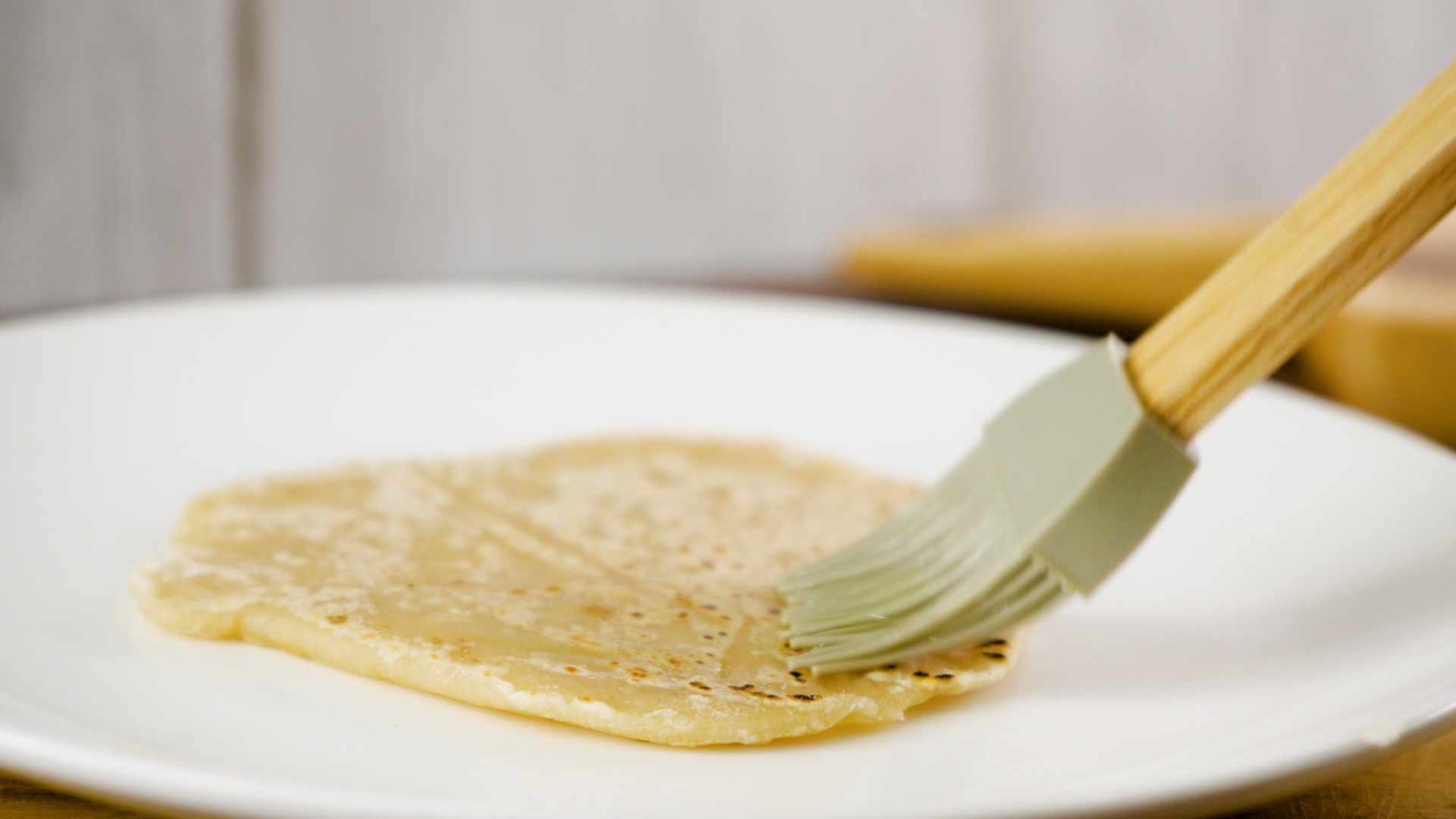
- Bake. Transfer to the prepared baking sheet. Brush lightly with oil and sprinkle with toppings if desired. Bake for 8 to 12 minutes, flipping once if you want even browning. The bread is done when the edges are golden and crisp.
- Cool. Let the bread cool on a wire rack. It will crisp more as it cools.
Best Uses
Serve crisp unleavened bread with hummus, baba ganoush, soup, chili, soft cheese, nut butter, or honey. Break it into rustic pieces for a snack board, or crumble it over salads when croutons have mysteriously vanished from the pantry.
Recipe 2: Soft Skillet Unleavened Flatbread
This version is soft, flexible, and perfect for wraps. It is closer to a simple flour tortilla or everyday flatbread. The short rest is important because it relaxes the dough, making it easier to roll thin without snapping back like a rubber band with trust issues.
Ingredients
- 2 cups all-purpose flour
- 3/4 teaspoon fine salt
- 3 tablespoons olive oil, melted butter, or neutral oil
- 3/4 cup warm water
- Extra flour for rolling
Instructions
- Combine flour and salt. Place flour and salt in a large bowl and stir well.
- Add oil and water. Pour in the oil and most of the warm water. Stir until a soft dough forms. Add the remaining water only if the dough feels dry.
- Knead gently. Knead the dough in the bowl or on a lightly floured surface for 2 to 4 minutes. It should become smooth and slightly tacky, not sticky.
- Rest. Cover the dough and let it rest for 15 to 30 minutes. This step improves texture and makes rolling much easier.
- Divide. Cut the dough into 8 equal pieces and roll each piece into a ball.
- Roll. On a lightly floured surface, roll each ball into a thin circle, about 7 to 8 inches wide.
- Cook. Heat a dry skillet or cast-iron pan over medium-high heat. Cook each flatbread for 30 to 60 seconds on the first side, until bubbles appear and brown spots form. Flip and cook another 30 to 45 seconds.
- Keep soft. Stack cooked flatbreads under a clean towel. The trapped steam keeps them flexible.
Best Uses
Use soft unleavened flatbread for wraps, breakfast tacos, chicken gyros, quesadillas, flatbread pizzas, or scooping up stews. It is also excellent brushed with garlic butter and served next to pasta, because carbohydrates supporting other carbohydrates is a beautiful friendship.
Tips for Better Unleavened Bread
Do Not Skip the Rest
Even though unleavened bread does not rise, the dough still benefits from resting. A short rest allows the flour to absorb water and gives gluten time to relax. The result is dough that rolls more easily and cooks more evenly.
Roll Thin for Crisp Bread, Slightly Thicker for Soft Bread
Thickness controls texture. For crisp baked bread, roll the dough very thin. For soft skillet flatbread, aim for thin but not paper-thin. If it tears, patch it and continue. Homemade bread is allowed to have personality.
Use the Right Heat
For skillet bread, the pan should be hot enough to create brown spots quickly but not so hot that the outside burns before the inside cooks. Medium-high heat is usually the sweet spot. If smoke appears, lower the heat and let the pan calm down. Nobody needs a flatbread fire drill.
Keep Cooked Flatbreads Covered
A clean towel is your secret weapon. Stacking warm flatbreads under a towel traps steam and keeps them soft. If left uncovered, they dry out quickly.
Flavor Variations
Once you master the basic recipes, unleavened bread becomes a blank canvas. Add minced rosemary and cracked black pepper for a savory version. Mix in garlic powder and brush the finished bread with butter for a quick dinner side. Sprinkle sesame seeds or everything bagel seasoning over the baked version before it goes into the oven. For a slightly richer flatbread, replace a tablespoon or two of water with plain yogurt, though this makes the recipe less traditional.
For a whole-grain version, replace up to half of the all-purpose flour with whole wheat flour. Add extra water a teaspoon at a time if the dough feels stiff. Whole wheat adds flavor and a heartier bite, but too much can make the bread dense, so start gradually.
How to Store and Reheat Unleavened Bread
Crisp baked unleavened bread should cool completely before storage. Place it in an airtight container at room temperature for 2 to 3 days. If it softens, refresh it in a 350°F oven for 3 to 5 minutes.
Soft skillet flatbreads are best eaten the same day but can be stored in a zip-top bag or airtight container for 2 days at room temperature. To reheat, warm them in a dry skillet for 10 to 20 seconds per side or wrap them in a towel and microwave briefly. For longer storage, freeze flatbreads with parchment between layers, then reheat from frozen in a skillet.
Common Mistakes to Avoid
Adding Too Much Flour While Rolling
A little flour prevents sticking, but too much makes the bread dry and tough. Dust lightly and brush off excess before cooking.
Overcooking Skillet Flatbread
Soft flatbread cooks fast. If it becomes stiff or cracker-like, it probably stayed in the pan too long. Cook only until brown spots appear and the dough no longer looks raw.
Using Cold Dough Straight From the Fridge
Cold dough is harder to roll and may cook unevenly. Let refrigerated dough sit at room temperature for 15 to 20 minutes before shaping.
What to Serve With Unleavened Bread
Unleavened bread is wonderfully versatile. Serve crisp pieces with lentil soup, roasted vegetables, dips, or salads. Use soft flatbread with grilled chicken, falafel, scrambled eggs, beans, tuna salad, or leftover roasted vegetables. You can also turn it into a fast snack by brushing it with olive oil, sprinkling on cinnamon sugar, and warming it in a skillet.
For a simple meal, make a flatbread wrap with hummus, cucumber, tomato, greens, and grilled chicken. For a cozy dinner, serve the crisp baked bread with a bowl of tomato soup. For breakfast, wrap scrambled eggs and cheese in a warm skillet flatbread. It is not fancy, but it is the kind of practical deliciousness that makes you feel like you have your life together for at least twelve minutes.
Personal Kitchen Experiences: What Making Unleavened Bread Teaches You
Making unleavened bread at home teaches one of the most useful kitchen lessons: simple food is not always easy because it has fewer ingredients; it is easy because it helps you pay attention. With yeast bread, the rise can hide small mistakes. With unleavened bread, the dough tells the truth immediately. Too dry? It cracks. Too wet? It sticks to everything like it has formed a personal attachment to your countertop. Too thick? It turns chewy in the wrong way. Too thin? It becomes crisp, which might still be delicious, just not what you planned.
The first time many home cooks make unleavened bread, they expect it to behave like pizza dough or sandwich bread. It does not. It is less dramatic. It does not puff proudly or fill the kitchen with the same yeasty aroma. Instead, it gives you something quieter and more direct: warm bread in minutes. That speed is part of its charm. You can decide at 6:10 p.m. that dinner needs bread and be eating it before 6:45. That is not just a recipe; that is a small household miracle.
One helpful experience is learning the feel of the dough. A good soft flatbread dough should feel smooth, pliable, and slightly tacky. It should not leave wet paste on your fingers, but it should not feel like a dry lump either. If you press it gently, it should give a little. Once you recognize that texture, you can make unleavened bread almost anywhere: in a tiny apartment kitchen, at a family gathering, during a pantry clean-out, or on a weeknight when the grocery store feels emotionally too far away.
Another lesson is that resting the dough matters more than people think. Since there is no yeast, it is tempting to mix and immediately roll. You can do that, but the dough will fight back. Give it 10 to 30 minutes, and suddenly it becomes cooperative. It rolls thinner, cooks better, and tastes more tender. This is a good reminder that “quick” does not always mean “rushed.” Sometimes the fastest path to good food includes a short pause.
Cooking the skillet version is especially satisfying because the results are visible right away. The dough hits the hot pan, small bubbles appear, brown spots form, and within a minute you have bread. There is a tiny thrill in stacking each finished flatbread under a towel and watching the pile grow. It feels old-fashioned in the best way, like participating in a kitchen ritual that has survived because it works.
The baked version offers a different pleasure. Rolling the dough thin, pricking it with a fork, brushing it with oil, and pulling crisp golden sheets from the oven feels almost like making homemade crackers. It is excellent for people who enjoy texture. Break it into uneven pieces and suddenly it looks rustic and intentional, even if one piece resembles the map of a fictional country.
The best part of making unleavened bread is how forgiving it becomes once you stop expecting perfection. A round flatbread does not have to be perfectly round. A crisp sheet does not need bakery-level symmetry. Homemade unleavened bread is supposed to look handmade. That is part of its appeal. Serve it warm, let people tear pieces with their hands, and watch how quickly a basic mixture of flour, water, salt, and oil disappears.
Conclusion
Learning how to make unleavened bread gives you a reliable recipe for busy nights, simple meals, special observances, and snack emergencies. The crisp baked version is ideal for dips, soups, and crunchy bites, while the soft skillet flatbread works beautifully as a wrap, side, or quick substitute for tortillas. Both recipes prove that homemade bread does not need yeast, fancy tools, or hours of waiting to be satisfying.
Start with the basic dough, learn how it feels, and adjust from there. Add herbs, switch part of the flour to whole wheat, brush with garlic butter, or keep it plain and traditional. Once you make unleavened bread a few times, it becomes one of those back-pocket recipes you can pull out whenever dinner needs something warm, homemade, and surprisingly impressive.