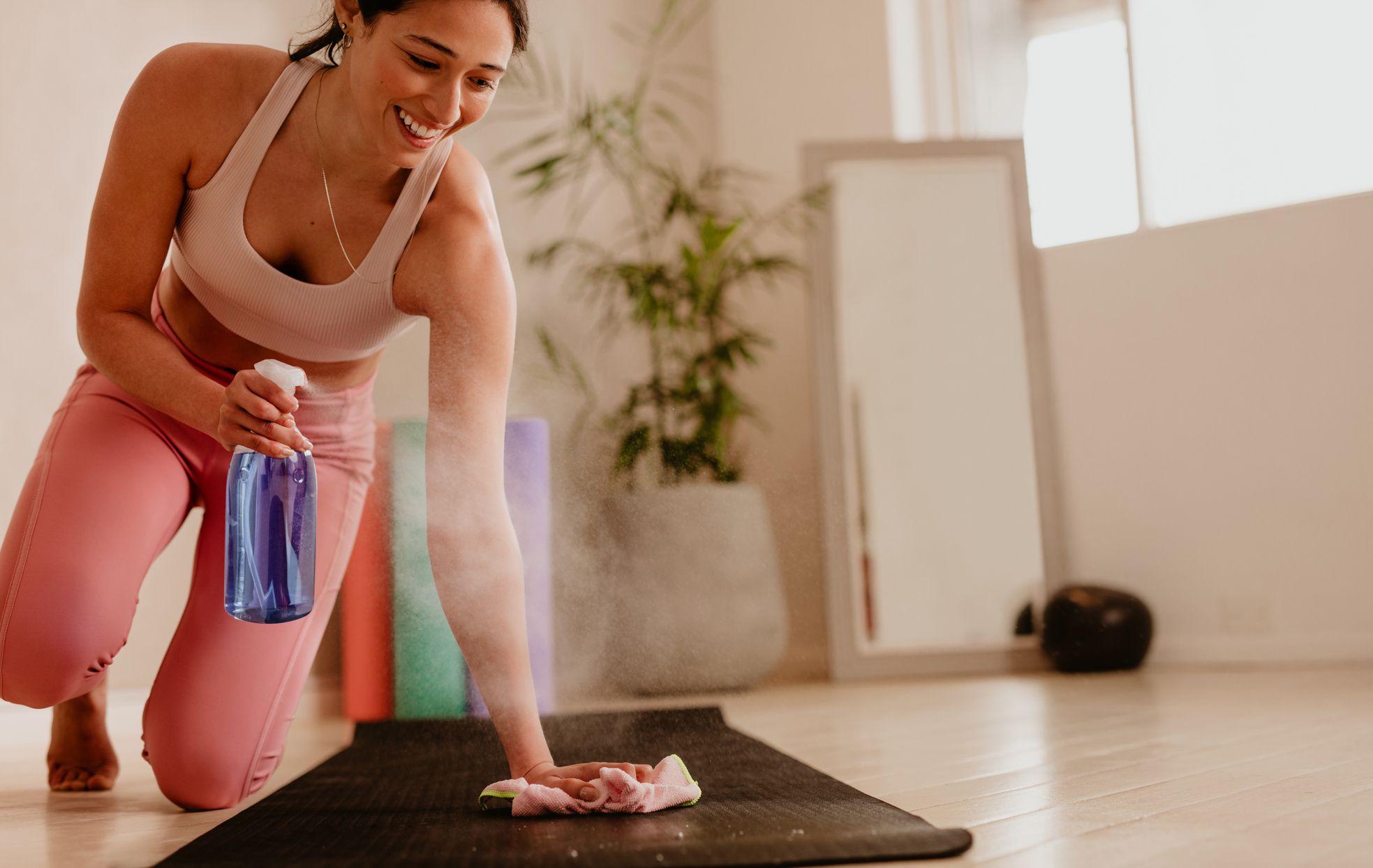

Your yoga mat has seen things. Sweat-dripping planks. Bare feet after a long day. The mysterious studio floor. Maybe even a few emotional child’s poses after a “gentle flow” class that turned into a full-body negotiation. And yet, many of us roll it up after practice like nothing happened.
Learning how to clean a yoga mat is not just about making it smell less like a gym bag with opinions. Regular yoga mat cleaning helps remove sweat, body oils, dirt, dead skin cells, dust, and grime that can build up on the surface. It can also help preserve grip, reduce odor, and make your practice feel fresher every time you unroll your mat.
The good news? Cleaning a yoga mat is usually simple. You do not need a chemistry degree, a pressure washer, or a spiritual retreat in a laundry room. In most cases, warm water, a small amount of mild soap, a clean cloth, and proper drying are enough. The trick is knowing what your mat is made of, how often you use it, and when cleaning is different from disinfecting.
Why Cleaning Your Yoga Mat Matters
A yoga mat is a high-contact surface. Your hands, feet, face, arms, knees, and sometimes your entire soul touch it repeatedly during practice. Over time, the surface can collect sweat, oils, lotion, sunscreen, hair products, lint, pet fur, and floor debris. If you practice hot yoga or take your mat to a studio, the buildup can happen faster.
A dirty mat can also become slippery. That matters because grip is not a decorative feature. It is the thing standing between you and accidentally turning downward dog into downward crash. Oils and residue can create a slick film, especially on mats designed for traction. Cleaning helps restore the surface so your hands and feet can stay where they belong.
Odor is another sign your mat needs attention. That sour, rubbery, sweaty smell usually means moisture and organic residue have been allowed to sit too long. A clean, fully dry mat is less likely to develop lingering odors. The keyword here is “dry.” Rolling up a damp mat is basically sending odor a handwritten invitation.
Cleaning vs. Disinfecting: Know the Difference
Cleaning and disinfecting are not the same thing. Cleaning uses water, soap, and friction to remove dirt, sweat, oils, and many germs from the surface. Disinfecting uses chemicals to kill certain germs after the surface has already been cleaned.
For a personal yoga mat used at home, routine cleaning is usually enough. If your mat is visibly dirty, smells unpleasant, feels slippery, or has been used during a sweaty practice, clean it. If you share mats at a gym or studio, use a rental mat, or practice while someone in your household is sick, disinfecting becomes more important.
The safest approach is this: clean first, disinfect only when needed, and always follow both the disinfectant label and the yoga mat manufacturer’s care instructions. Some disinfectants can damage natural rubber, polyurethane, cork, or open-cell mats. A cleaner mat is good. A ruined mat that smells like a swimming pool and sheds like a nervous cat? Less good.
How Often Should You Clean a Yoga Mat?
There is no single schedule that works for every mat and every yogi. Your cleaning routine depends on how often you practice, how much you sweat, where you practice, and what type of mat you own.
A practical yoga mat cleaning schedule
- After every sweaty or hot yoga session: Wipe the mat down and let it dry completely.
- After outdoor practice: Clean both sides to remove dirt, pollen, grass, and floor grit.
- After using a shared or rental mat: Disinfect it before and after use, if the studio provides a mat-safe product.
- For light home practice: Clean every few uses, or sooner if it looks, smells, or feels dirty.
- For deep cleaning: Aim for once a month, or more often if you practice daily, sweat heavily, or transport your mat to public spaces.
The simplest rule is also the most honest: if your face touches the mat and your brain whispers, “Hmm, questionable,” it is time to clean it.
Before You Start: Check What Your Mat Is Made Of
Not all yoga mats want the same spa treatment. A thick PVC mat may tolerate a mild soap-and-water wipe-down. A natural rubber mat may be more sensitive to soaps, alcohol, essential oils, and sunlight. A cork mat may prefer gentle wiping and careful drying. A polyurethane or open-cell mat can absorb moisture, which means soaking it can lead to trouble.
Before using any cleaner, check the brand’s care instructions. If you no longer have the tag, search the product name and “care instructions.” This step takes two minutes and can save your mat from cracking, peeling, fading, smelling strange, or losing grip.
Common yoga mat materials and care tips
- PVC mats: Often durable and easier to wipe clean, but still should not be overloaded with soap.
- TPE mats: Lightweight and commonly cleaned with a damp cloth and mild solution; avoid heat and harsh chemicals.
- Natural rubber mats: Sensitive to direct sunlight, alcohol, petroleum-based solvents, and heavy essential oils.
- PU or open-cell mats: Designed to absorb moisture for grip, so avoid soaking and disinfectants unless the manufacturer says they are safe.
- Cork mats: Naturally textured and often low-maintenance, but they still need wiping and complete drying.
- Cotton yoga rugs: Many can be washed, but always check whether machine washing and drying are allowed.
What You Need to Clean a Yoga Mat
You do not need a cart full of cleaning products. In fact, using too many products is one of the fastest ways to make a mat slippery or damaged.
Basic supplies
- A bowl or spray bottle
- Warm water
- A few drops of mild dish soap or a mat-safe cleaner
- Two clean microfiber cloths
- A soft sponge for stubborn spots
- A towel for blotting extra moisture
- A place to air-dry the mat away from direct sunlight
Choose mild, oil-free soap when possible. Avoid heavy detergents, abrasive scrubbers, bleach, ammonia, harsh degreasers, and strong alcohol-based products unless your mat’s care label specifically allows them. Also be cautious with essential oils. They may smell lovely, but they can leave residue, make the mat slippery, or break down certain materials.
How to Clean a Yoga Mat After Regular Practice
This quick method is best for routine cleaning after normal practice, especially when the mat is not deeply stained or smelly.
Step 1: Unroll the mat flat
Place your mat on a clean floor, towel, or bathtub surface. If one side touches the floor during practice, start with the top side first and then clean the bottom side.
Step 2: Mix a gentle cleaning solution
Add two cups of warm water to a bowl or spray bottle. Mix in two to four drops of mild dish soap. That is drops, not a dramatic squeeze. Too much soap can create a slick film that is hard to rinse away.
Step 3: Wipe the surface
Dampen a microfiber cloth with the solution. Wipe the mat from top to bottom using gentle pressure. Focus on hand and foot zones, where sweat and oils usually collect. If your mat has texture, use small circular motions to lift dirt from the grooves.
Step 4: Rinse with a clean damp cloth
Use a second cloth dampened with plain water to remove any soap residue. This step matters. Leftover soap can reduce traction and make your next warrior pose feel like a tiny indoor skating event.
Step 5: Dry completely
Blot the mat with a towel, then let it air-dry fully before rolling it up. Hang it over a shower rod, drying rack, or chair back. Avoid direct sunlight unless your manufacturer says it is safe. Many rubber mats can degrade, fade, or become brittle in strong sun.
How to Deep Clean a Yoga Mat
Deep cleaning is helpful when your mat smells, has visible grime, or has gone a little too long between cleanings. For most modern mats, the safest deep clean is still a surface clean, not a full soak.
Surface deep-clean method
- Lay the mat flat on a clean surface.
- Mix warm water with a small amount of mild soap or use a brand-approved yoga mat cleaner.
- Use a soft cloth or sponge to clean the entire top surface.
- Pay extra attention to the areas where your hands and feet land.
- Wipe again with plain water to remove residue.
- Repeat on the bottom side if needed.
- Blot with a towel and air-dry completely.
Some mats can be soaked in a bathtub with mild soap, but many cannot. Natural rubber, PU, open-cell, and certain premium mats may absorb water or break down if submerged. Unless your mat’s care instructions clearly say soaking is allowed, do not soak it. A careful wipe-down is usually safer and still effective.
Can You Put a Yoga Mat in the Washing Machine?
Sometimes, but usually you should not unless the manufacturer says it is safe. Washing machines can twist, stretch, crease, or damage yoga mats. They can also leave detergent trapped inside the material. Dryers are even riskier because heat can warp rubber, loosen layers, or cause the mat to crumble.
If your mat is machine washable, use a gentle cycle, cold water, and minimal detergent. Skip the spin cycle if the brand recommends it, and always air-dry the mat fully. Never put a yoga mat in the dryer unless the care label specifically says you can. Most do not.
How to Disinfect a Yoga Mat Safely
Disinfecting is most useful for shared mats, rental mats, studio mats, or situations involving illness. The mat should be cleaned first because sweat, dirt, and oils can reduce how well disinfectants work.
Safe disinfecting tips
- Use the disinfectant provided by the studio if it is intended for their mats.
- Follow the label’s contact time, which is how long the surface must stay wet.
- Do not mix cleaning chemicals.
- Use good ventilation when applying disinfectants.
- Rinse or wipe again if the product label or mat instructions recommend it.
- Let the mat dry completely before rolling or using it.
Be careful with disinfecting wipes. Many people wipe once and immediately roll the mat, but disinfectants often need the surface to remain wet for a specific period to work properly. Also, some wipes contain chemicals that may not be mat-friendly. When in doubt, use mild soap and water for your personal mat and reserve disinfectants for shared-use situations.
DIY Yoga Mat Cleaner: What Works and What to Avoid
A simple DIY yoga mat cleaner can work well for many mats, but it should be gentle. The safest everyday option is warm water with a tiny amount of mild soap. For mats that allow vinegar, you can use a diluted vinegar solution, but always check the material first.
Gentle soap spray
Mix two cups of warm water with two to four drops of mild dish soap. Spray lightly onto a cloth, not directly onto the mat if your mat absorbs moisture easily. Wipe, rinse with a clean damp cloth, and dry fully.
Diluted vinegar spray
Some mats tolerate a vinegar-and-water solution, often used to reduce odor. However, vinegar is not ideal for every mat, especially certain natural rubber or specialty surfaces. If allowed by your mat maker, use a diluted mixture, wipe lightly, and follow with a plain-water wipe.
Essential oils: proceed with caution
Essential oils are popular in homemade mat sprays, but they can cause problems. They may leave a slippery film, irritate sensitive skin, or damage rubber when used too heavily. If you want scent, use a cleaner designed for your specific mat type instead of turning your mat into a lavender-glazed slip-and-slide.
How to Remove Yoga Mat Odor
Odor usually comes from moisture, sweat, oils, and time. The best fix is consistent cleaning and complete drying. Start with a mild soap wipe-down, rinse with a damp cloth, and let the mat dry in a ventilated space.
If the smell remains, check whether your mat allows a diluted vinegar wipe. You can also leave the mat unrolled in a dry room for several hours. Avoid masking odor with perfume sprays or heavy oils. Covering funk with fragrance is like putting a flower crown on a trash can. It may look optimistic, but the problem is still there.
How to Keep a Yoga Mat Clean Longer
Cleaning is easier when you prevent heavy buildup in the first place. A few small habits can make a big difference.
Use a yoga towel
If you sweat a lot, practice hot yoga, or use lotion before class, place a yoga towel over your mat. Wash the towel after each use. It absorbs sweat and helps protect the mat surface.
Wash your hands and feet before practice
This sounds basic because it is. Clean hands and feet transfer less oil, dirt, and residue to the mat. Your mat will thank you silently, because it is a mat.
Keep one side up
Try to practice on the same side every time. Mark the underside with a small piece of tape if needed. This keeps the floor-contact side away from your face and hands.
Let it dry before rolling
Never roll up a damp mat. Moisture trapped inside a rolled mat can encourage odor and mildew. If you are leaving class quickly, loosely fold the mat or carry it open enough to breathe, then unroll it at home to finish drying.
Store it properly
Store your yoga mat in a cool, dry place. Avoid hot cars, damp closets, and sunny windows. Heat and UV exposure can shorten the life of rubber and some eco-friendly materials.
Common Yoga Mat Cleaning Mistakes
Even well-meaning cleaning can backfire. Avoid these common mistakes:
- Using too much soap: It leaves residue and reduces grip.
- Skipping the rinse wipe: Soap film can attract more dirt.
- Rolling the mat while wet: This traps moisture and odor.
- Soaking a sensitive mat: Some materials absorb water and break down.
- Drying in direct sun: Natural rubber and biodegradable mats may degrade faster.
- Using harsh chemicals: Bleach, alcohol, and strong solvents can damage many mats.
- Assuming all mats are the same: They are not. Your care label is the boss.
Experience Notes: What Actually Happens When You Clean Your Mat Consistently
Here is the honest experience many yoga practitioners have: the first time you clean your mat properly, you may be slightly horrified. The cloth does not lie. It will show you the grayish evidence of every sweaty vinyasa, dusty floor, and “I’ll clean it next time” promise you made to yourself. This is not a moment for shame. It is a moment for growth, preferably near a sink.
The biggest difference after regular cleaning is grip. A mat that felt worn out may simply have been coated with body oil, lotion, dust, or soap residue from a previous overenthusiastic cleaning session. After a gentle wipe, rinse, and full dry, the surface often feels more stable. Hands stop sliding forward in plank. Feet feel more planted in lunges. Balance poses become slightly less dramatic. You may still wobble in tree pose, but at least you can stop blaming the mat.
Another thing you notice is smell. A clean mat does not need to smell like eucalyptus, citrus, or a luxury spa where everyone whispers. It should mostly smell like nothing. That neutral scent is the goal. When you rely on fragrance instead of cleaning, the odor tends to come back quickly. When you remove the sweat and residue, the freshness lasts longer.
Drying time is the habit people underestimate most. Wiping the mat takes a few minutes. Letting it dry is the part that requires patience. If you roll it too soon, the inner layers stay damp, and the smell returns like a villain in a sequel nobody requested. The easiest routine is to clean the mat right after practice, drape it over a shower rod or chair, and leave it there while you shower, eat, answer emails, or stare thoughtfully into the refrigerator.
Using a yoga towel can also change everything for hot yoga. Instead of scrubbing the mat constantly, you wash the towel. This is especially helpful if you practice several times a week. The towel takes the sweaty punishment, and the mat gets a lighter maintenance wipe. It is not a replacement for cleaning, but it makes the job easier.
Over time, consistent care also teaches you what your mat likes. Some mats hate vinegar. Some dislike heavy soap. Some need only water and a soft cloth. Some premium mats are surprisingly fussy, like houseplants with better branding. Once you learn the right routine, cleaning becomes less of a chore and more of a reset ritual. You unroll a clean mat, step onto it, and the practice feels more intentional before the first breath even begins.
Conclusion: A Clean Mat Makes a Better Practice
Knowing how to clean a yoga mat is a small habit with a big payoff. It keeps your practice space fresher, protects your grip, reduces odors, and may help your mat last longer. For most personal mats, mild soap, warm water, a clean cloth, and complete air-drying are enough. For shared mats or illness-related situations, disinfect carefully and follow product directions.
The best routine is the one you will actually do. Wipe your mat after sweaty sessions, deep clean it when grime builds up, and never roll it away damp. Your future self, your nose, and your next downward dog will appreciate the effort.
Note: Always check your yoga mat manufacturer’s care instructions before using soap, vinegar, essential oils, disinfectants, soaking, or machine washing. When instructions conflict, follow the mat maker’s guidance.