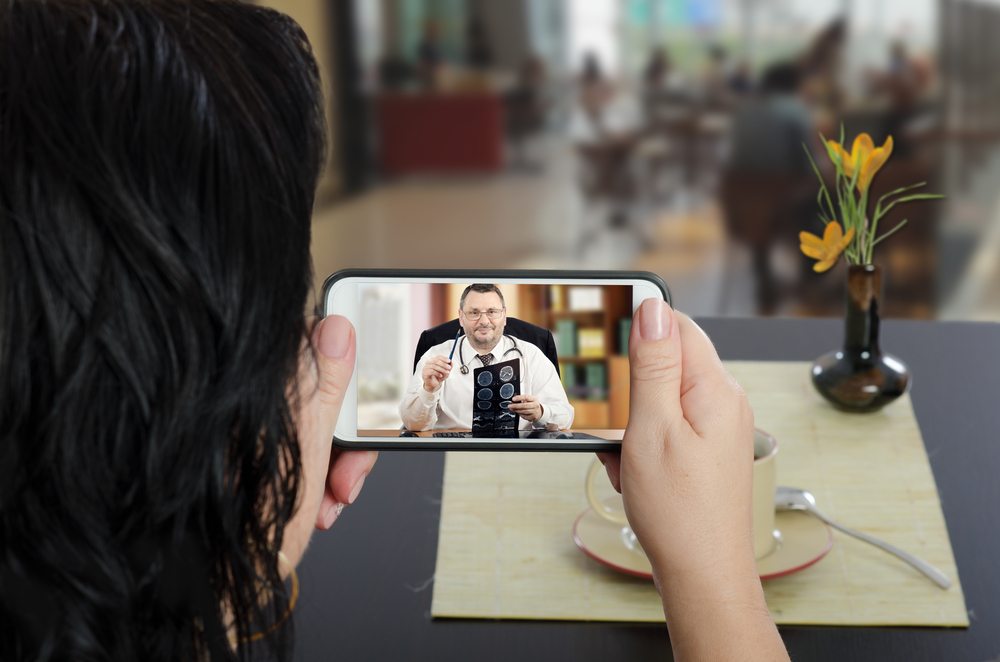

Telemedicine used to sound like something from a sci-fi movie: a doctor appears on a screen, asks thoughtful questions, reviews your symptoms, and somehow you do not have to sit under fluorescent lights next to a coughing stranger who is loudly watching videos without headphones. Today, virtual care is no longer futuristic. It is simply part of modern healthcare.
At its best, telemedicine helps patients get care faster, manage chronic conditions more consistently, and avoid unnecessary travel. It can also help physicians by reducing inefficient workflows, improving follow-up, and giving care teams better ways to handle routine visits. That matters because physician burnout is not just a workplace problem. It affects appointment availability, patient experience, clinical quality, and the long-term stability of the healthcare system.
The real question is not whether telemedicine is useful. The better question is how healthcare organizations can use it wisely so patients feel supported and doctors do not feel as if their inbox has become a second full-time job wearing a tiny digital hat.
What Telemedicine Really Means
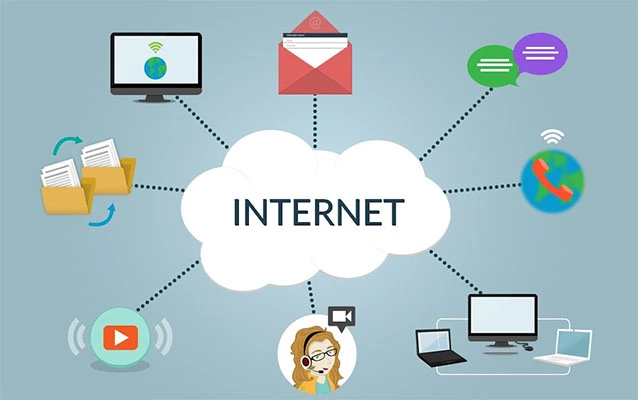
Telemedicine is the use of digital communication tools to deliver medical care when the patient and clinician are not in the same room. It may include video visits, phone consultations, secure messaging, remote patient monitoring, online portals, digital prescriptions, and follow-up care through connected devices.
Telehealth is often used as a broader term. It can include clinical care, patient education, public health services, and professional training for clinicians. In everyday conversation, many people use “telemedicine” and “telehealth” interchangeably. Either way, the core idea is simple: bring healthcare closer to the patient without making every concern require a trip to the clinic.
Why Patients Benefit From Telemedicine
1. Easier Access to Care
One of the biggest telemedicine benefits is access. Patients in rural communities often face long drives, fewer specialists, limited public transportation, and fewer local healthcare facilities. For someone managing diabetes, heart disease, depression, asthma, or high blood pressure, “just come in for a quick visit” may not be quick at all. It may mean missing work, arranging childcare, paying for gas, and spending half a day on a 15-minute appointment.
Telemedicine can remove some of those barriers. A virtual visit allows a patient to speak with a provider from home, work, school, or another private location. This is especially valuable for follow-up visits, medication reviews, test-result discussions, mental health check-ins, and chronic disease management.
2. Better Chronic Disease Management
Chronic conditions usually require consistency, not heroic once-a-year medical drama. Telemedicine helps patients stay connected between office visits. A person with hypertension can share home blood pressure readings. A patient with diabetes can review glucose trends. Someone recovering from surgery can ask whether a symptom is expected or needs attention. A patient with anxiety or depression can keep therapy appointments without adding stressful travel to the schedule.
Remote patient monitoring can also give clinicians useful data earlier. Instead of waiting months to discover that a treatment plan is not working, care teams may be able to adjust medications, recommend lifestyle changes, or schedule in-person care sooner. That kind of early intervention can help prevent small problems from becoming expensive, exhausting, and medically complicated problems.
3. Less Time in Waiting Rooms
Waiting rooms are useful, but they are not exactly where humanity does its finest work. Telemedicine can reduce unnecessary waiting for issues that do not require a physical exam. Patients can often complete intake forms online, join a scheduled visit, and receive a care plan without commuting across town.
This convenience matters for older adults, people with disabilities, immunocompromised patients, parents with small children, workers with strict schedules, and anyone who has ever tried to find parking near a medical building at 9:00 a.m. on a Monday. Telemedicine does not eliminate every inconvenience, but it can turn a half-day ordeal into a manageable appointment.
4. Improved Mental Health Access
Telemedicine has become especially important in behavioral health. Therapy, medication management, and psychiatric follow-up often work well through secure video or phone visits. Many patients feel more comfortable speaking from a familiar environment. For those who live in areas with few mental health professionals, virtual care can be the difference between receiving help and staying stuck on a waiting list that feels longer than a grocery receipt after one “small” shopping trip.
Privacy and comfort are also major advantages. A patient may be more likely to keep an appointment when they do not need to explain a long absence from work or travel across town during a stressful week.
How Telemedicine Can Help Reduce Physician Burnout
1. It Can Make Care More Efficient
Physician burnout is often driven by too much work, too little control, inefficient systems, heavy documentation, administrative demands, and after-hours electronic health record tasks. Doctors do not burn out because they dislike helping people. They burn out because the system too often asks them to be clinician, typist, insurance translator, inbox referee, and emotional support wizard all before lunch.
Telemedicine can help when it is designed around better workflow. Routine follow-ups can be handled virtually. Stable chronic conditions can be monitored remotely. Simple medication checks can be scheduled more efficiently. Post-discharge conversations can happen before complications escalate. When virtual visits are matched to the right patient needs, physicians can spend more time on meaningful clinical decision-making and less time fighting the logistics of care delivery.
2. It Supports Team-Based Care
Telemedicine works best when it is not dumped entirely onto the physician. A strong virtual care model uses nurses, medical assistants, pharmacists, behavioral health specialists, care coordinators, and patient navigators. Team members can prepare patients, collect home readings, verify medications, troubleshoot technology, and route questions to the right professional.
This matters because physician burnout often grows when every task lands on the doctor’s desk. A patient’s question about refills, a home blood pressure log, a form request, a portal message, a lab result, and a follow-up plan should not all become one giant digital snowball rolling straight into the physician’s evening. Team-based telemedicine can distribute work more fairly and improve the patient experience at the same time.
3. It Can Reduce No-Shows and Delayed Care
Missed appointments hurt everyone. Patients may get sicker, clinics lose schedule efficiency, and physicians face more urgent catch-up work later. Telemedicine can reduce missed visits by making appointments easier to attend. A patient who cannot drive because of weather, work, mobility issues, or transportation problems may still be able to log in for a virtual visit.
When patients stay connected, clinicians can manage care earlier and more calmly. That reduces the “everything is now urgent” pattern that drains physicians and frustrates patients. Healthcare works better when it is proactive, not when everyone is sprinting toward the same avoidable crisis with paperwork flying behind them.
4. It Helps Physicians Use Time More Intentionally
Not every medical concern requires the same kind of visit. Telemedicine allows practices to reserve in-person appointments for patients who need physical exams, procedures, imaging, vaccinations, or urgent evaluation. Meanwhile, virtual visits can handle many follow-ups, counseling sessions, medication discussions, and care-plan reviews.
This creates a smarter schedule. Doctors can see the right patient in the right setting. Patients with complex in-person needs get more appropriate attention, while patients with simpler needs avoid unnecessary trips. In theory, everyone wins. In practice, success depends on good scheduling rules, clear triage, reliable technology, and realistic workloads.
Where Telemedicine Works Best
Telemedicine is not a magic wand, but it is excellent for many common healthcare situations. It often works well for follow-up appointments, chronic disease check-ins, medication management, mental health counseling, dermatology reviews when images are appropriate, nutrition counseling, lab-result discussions, minor urgent care concerns, post-operative follow-ups, and preventive-care conversations.
For example, a patient with stable diabetes may use virtual visits to review blood sugar readings, discuss medication side effects, and adjust nutrition goals. A patient with mild seasonal allergies may not need to sit in a clinic to describe sneezing. A patient with depression may benefit from regular therapy sessions without facing the extra stress of travel. A parent may use telemedicine to ask whether a child’s rash needs in-person evaluation. The clinician can then decide whether virtual guidance is enough or whether the patient should be seen directly.
Where Telemedicine Is Not Enough
Telemedicine should complement in-person care, not replace it completely. Some symptoms require hands-on evaluation, diagnostic testing, imaging, emergency treatment, or procedures. Chest pain, severe shortness of breath, sudden weakness, major injury, heavy bleeding, signs of stroke, severe allergic reactions, and other urgent symptoms should be treated as emergencies, not as “let’s see if the Wi-Fi behaves” moments.
Physical exams still matter. A doctor may need to listen to the lungs, examine the abdomen, check reflexes, perform a procedure, or order immediate testing. The best telemedicine programs are honest about these limits. They help patients quickly move to in-person care when needed.
The Burnout Risk: When Telemedicine Goes Wrong
Telemedicine can reduce burnout, but poorly designed virtual care can also make burnout worse. If every patient message becomes unpaid labor, if video visits are squeezed between full in-person schedules, if doctors must troubleshoot software while documenting and answering portal questions, then telemedicine becomes less like innovation and more like giving a tired person another backpack.
The biggest risk is asynchronous overload. Secure messaging is helpful, but inbox volume can explode when patients use portals for complex problems that really need appointments. Physicians may end up answering messages during lunch, evenings, and weekends. That is not sustainable.
Healthcare organizations should set clear expectations. Some concerns belong in a scheduled visit. Some can be handled by a nurse or pharmacist. Some need urgent care. Some require in-person evaluation. Telemedicine must include boundaries, staffing, reimbursement, and workflow design. Otherwise, the technology simply moves work from the exam room to the doctor’s laptop at 10:47 p.m., which is not exactly a wellness program.
How Healthcare Systems Can Make Telemedicine Better
Build Clear Triage Rules
Patients should know which symptoms are appropriate for telemedicine and which require urgent or in-person care. Scheduling teams should use clear guidelines so patients are not placed into the wrong type of appointment.
Train Patients Before the Visit
A virtual visit goes much better when patients know how to log in, test audio, upload photos if needed, list medications, and prepare home measurements such as blood pressure, temperature, weight, or glucose readings. Good preparation saves time and reduces frustration for both sides.
Use Team-Based Inbox Management
Not every message requires a physician response. Practices can create routing systems so nurses, medical assistants, pharmacists, and care coordinators handle appropriate tasks. The physician should focus on medical decisions that require physician expertise.
Integrate Telemedicine With the EHR
Virtual care should connect smoothly with scheduling, documentation, prescriptions, lab orders, referrals, and follow-up instructions. If doctors must copy information between systems like they are doing digital arts and crafts, the workflow needs repair.
Protect Physician Time
Telemedicine appointments should be scheduled realistically. Portal messages should have rules. Documentation tools should reduce burden, not add clicks. Organizations should measure physician workload and burnout, then adjust staffing and scheduling before clinicians reach the breaking point.
The Patient Experience: What Good Telemedicine Feels Like
A strong telemedicine experience feels personal, organized, and clinically useful. The patient receives clear instructions before the visit. The platform works without requiring a degree in computer engineering. The clinician appears on time, listens carefully, explains next steps, and documents the plan. Afterward, the patient knows what to do, when to follow up, and what symptoms should trigger urgent care.
Good telemedicine does not feel like a rushed video call. It feels like healthcare with fewer obstacles. The screen becomes a doorway, not a wall.
Real-World Experiences: How Telemedicine Changes Daily Healthcare
To understand the value of telemedicine, imagine a patient named Maria, a working mother with high blood pressure. Before virtual care, every follow-up appointment required taking time off work, arranging childcare, driving across town, parking, waiting, and then rushing back before her shift manager started looking at the clock like a disappointed owl. Sometimes she delayed care because the appointment felt too hard to fit into her life.
With telemedicine, Maria checks her blood pressure at home for a week, uploads the readings, and meets her clinician by video. Her doctor reviews the numbers, asks about side effects, discusses diet and exercise, and adjusts the treatment plan. The visit is not casual or lower quality simply because it happens on a screen. In fact, it may be more useful because the doctor sees real home readings instead of one nervous blood pressure measurement taken after Maria ran through the parking lot.
Now consider James, an older adult in a rural community. His nearest specialist is nearly two hours away. In the past, a routine appointment could consume an entire day. Bad weather might cancel it. A family member might need to drive him. With telemedicine, some follow-ups can happen from home or from a local clinic equipped with telehealth support. He still travels when he needs testing or an exam, but not every conversation requires a road trip worthy of packing snacks.
Telemedicine can also improve the physician’s day when it is designed well. Picture a primary care doctor whose morning includes three virtual follow-ups for stable chronic conditions, two in-person exams for new symptoms, and a team-managed inbox where routine refill requests are handled before they reach the physician. Instead of bouncing between rooms, messages, phone calls, and surprise paperwork, the doctor works through a schedule that makes clinical sense. The care team gathers data before visits. Patients arrive prepared. Documentation templates are simple. The doctor ends the day tired, because medicine is still demanding, but not completely flattened.
Of course, not every experience is perfect. A patient may struggle with video software. A doctor may lose precious minutes saying, “Can you hear me now?” with the haunted expression of someone who has met the mute button too many times. A portal message may be too complex for text. A virtual visit may reveal that the patient actually needs an in-person exam. These are not failures of telemedicine. They are reminders that virtual care needs structure, training, backup plans, and common sense.
The most successful experiences happen when patients and clinicians treat telemedicine as a tool, not a shortcut. Patients prepare questions, update medication lists, find a private space, and share accurate home measurements. Clinicians listen carefully, explain limitations, and move patients to in-person care when needed. Healthcare systems provide support staff, fair scheduling, and technology that does not make everyone want to gently close the laptop and walk into the sea.
For patients, the experience can feel empowering. They can ask questions sooner, stay engaged with treatment plans, and avoid unnecessary delays. For physicians, the experience can feel more sustainable when virtual care reduces chaos instead of adding to it. The goal is not to turn every visit into a video visit. The goal is to match the care setting to the patient’s need.
When telemedicine is thoughtful, it helps patients receive timely care and helps physicians practice medicine with more focus. That combination is powerful. It can improve access, strengthen relationships, reduce unnecessary friction, and support a healthcare system that feels a little less like a maze and a little more like a service built for actual humans.
Conclusion
Telemedicine can help patients by improving access, reducing travel, supporting chronic disease management, expanding mental health care, and making follow-up easier. It can also help solve physician burnout when healthcare organizations use it to streamline workflows, support team-based care, reduce unnecessary visits, and protect doctors from endless digital overload.
The key is design. Telemedicine should not be treated as a shiny gadget or a way to squeeze more work into the same exhausted schedule. It should be built around patient needs, physician well-being, clear triage, good technology, and practical support. When that happens, virtual care becomes more than convenient. It becomes a smarter, more humane way to deliver healthcare.
Note: This article is for informational purposes only and is not a substitute for professional medical advice, diagnosis, or emergency care. Patients should contact a licensed healthcare professional for personal medical concerns and seek emergency help for urgent symptoms.