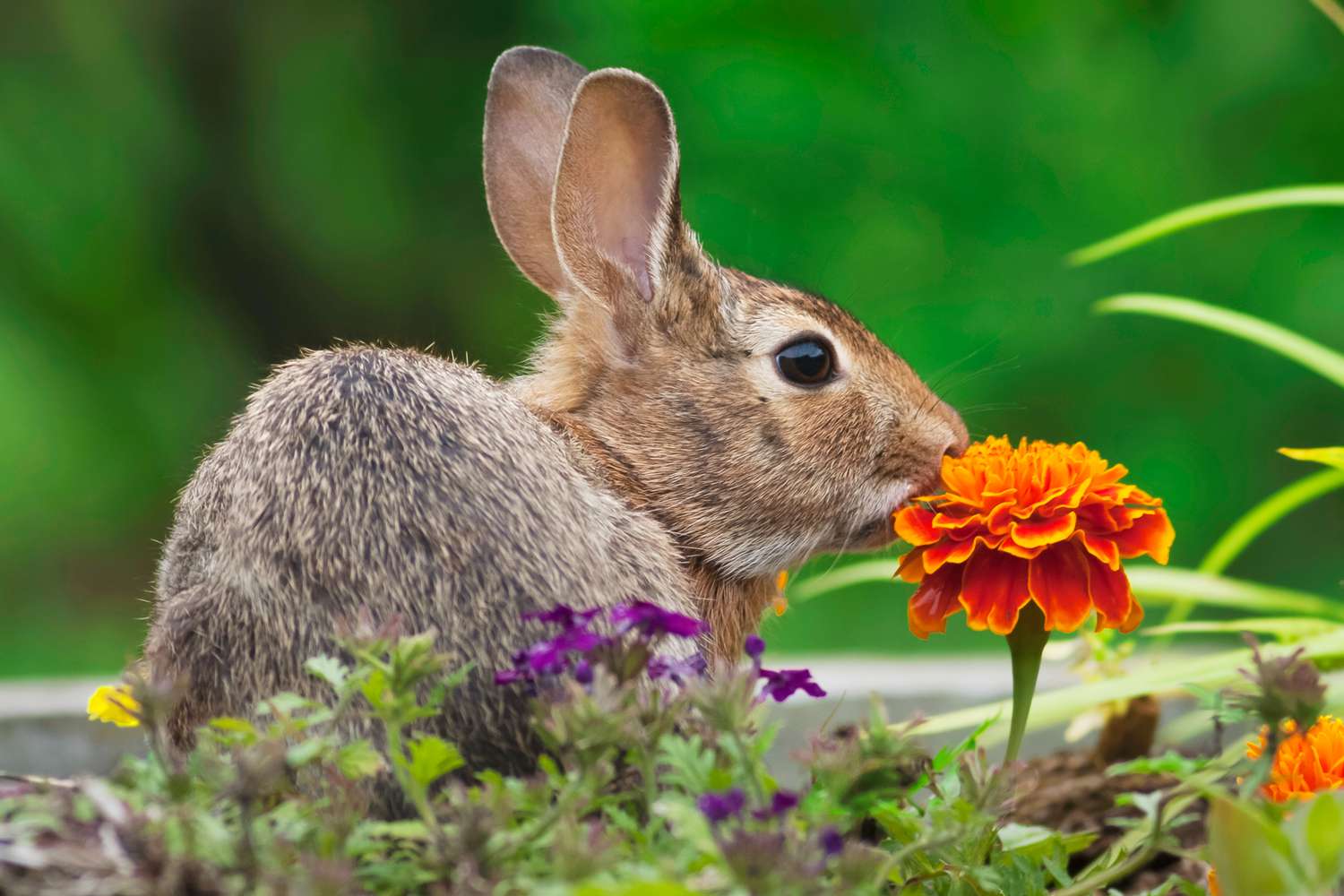

If rabbits had a real estate app, your garden would be listed as “luxury dining with fresh greens, soft soil, and excellent neighborhood cover.” Cute? Yes. Helpful when they’re chewing your lettuce like unpaid food critics? Absolutely not.
The good news is that keeping rabbits out of your garden is possible, and you do not need to turn your backyard into a medieval fortress with a moat and dramatic soundtrack. The best approach is practical, layered, and surprisingly simple: identify rabbit damage correctly, install the right kind of barrier, reduce hiding spots, use repellents carefully, and grow a few plants rabbits are less excited about.
If you have been waking up to clipped seedlings, missing bean tops, or flowers that look like someone gave them a bad haircut, this guide will walk you through what actually works. No fluff, no folklore, and no “just sprinkle magic dust and hope for the best” nonsense.
Why Rabbits Love Home Gardens
Rabbits are drawn to the same things gardeners love: tender new growth, leafy vegetables, easy access to water, and sheltered places to hide. Young shoots, beans, peas, lettuce, parsley, tulips, pansies, and many newly planted flowers are basically rabbit brunch specials.
They are especially active when food is scarce elsewhere, when gardens are full of fresh spring growth, and when nearby cover makes them feel safe. Brush piles, tall weeds, thick groundcover, stacked lumber, and the dark little kingdom under your deck can all make rabbits think, “Ah yes, a gated community.”
That is why the most effective rabbit control is not a single trick. It is a system. You want to make your garden harder to enter, less comfortable to live around, and less rewarding to snack on.
How to Tell If Rabbits Are the Culprit
Before you launch into full anti-bunny operations, make sure rabbits are actually the problem. Rabbit damage has a few telltale signs.
Common signs of rabbit damage
- Clean, angled cuts on stems and leaves, often looking almost snipped with pruners
- Damage concentrated close to the ground, usually under about 3 feet high
- Missing seedlings or low growth on vegetables and flowers
- Small round pellets nearby
- Bark gnawing on young shrubs and trees, especially in winter
If the damage looks torn and ragged, deer may be the bigger issue. If plants vanish overnight at soil level, cutworms or other pests may be involved. But if the cuts are neat, low, and annoyingly efficient, rabbits are a strong suspect.
The Best Rabbit Control Method: Fencing That Actually Works
Let’s skip to the most useful answer first: fencing is the most reliable way to keep rabbits out of a garden. Not the prettiest answer, perhaps, but it is the one most often recommended because it works.
What kind of fence works for rabbits?
Use chicken wire or metal mesh with openings no larger than about 1 inch. For small areas or individual plants, hardware cloth is even sturdier. A fence around a vegetable or flower bed should usually be at least 2 feet high. If you live where snow piles up, go taller. Deep snow turns ordinary rabbits into tiny mountain climbers with very bad intentions.
How to install it the right way
- Use mesh openings of 1 inch or smaller
- Make the fence at least 24 inches tall, and 30 to 36 inches if snow cover is common
- Pin the bottom tightly to the ground or bury it slightly so rabbits cannot slip underneath
- For heavy rabbit pressure, bury the lower section several inches and bend part of it outward underground in an L-shape
- Check often for gaps at gates, corners, and places where the ground slopes
That last point matters more than most people think. Rabbits do not need a grand entrance. They need one sloppy corner, one lifted edge, or one gap near a raised bed, and suddenly your kale patch becomes an all-you-can-eat buffet.
Protect individual plants too
If fencing the whole garden is not realistic, protect the plants rabbits love most. Wire cylinders, mesh cloches, and tree guards are especially useful for:
- Seedlings and transplants
- Young shrubs
- Roses
- Raspberries and other canes
- Young fruit trees
Keep guards slightly away from trunks and stems instead of pressing them tight against the plant. For shrubs and trees, make sure protection is tall enough to account for winter snow. Rabbits standing on packed snow are a lot taller than they look in summer.
Clean Up the Rabbit Hotel Around Your Garden
Rabbits like to feed near cover. They do not want a long, exposed sprint across open lawn if they can help it. That means habitat modification can reduce damage, even if it does not solve the problem by itself.
Make the area less inviting
- Trim tall grass and weeds near the garden
- Remove brush piles, stacked branches, and debris
- Thin dense ornamental plantings near vulnerable beds
- Block access under decks, sheds, and porches if rabbits are sheltering there
- Keep the garden perimeter neat instead of overgrown
This is not about making your yard sterile. It is about reducing the number of places rabbits can hide two feet away from your best lettuce. A tidy perimeter makes a fenced garden even more effective.
Use Repellents Carefully and Realistically
Repellents can help, but they work best as a backup plan, not as your entire strategy. Think of them as the garden equivalent of a “No Trespassing” sign. Helpful? Sure. As effective as a locked door? Not even close.
What repellents can and cannot do
Rabbit repellents usually rely on smell or taste. Some are labeled for ornamentals, some for specific edible crops, and some are not appropriate for food plants at all. Always read the label before using anything on vegetables, herbs, or fruiting plants. Also expect to reapply after rain, irrigation, or new plant growth.
Repellents tend to work better when:
- Rabbit pressure is light to moderate
- You begin applying before serious damage starts
- You rotate products or combine them with exclusion
- You treat ornamental plants, shrubs, and young woody plants
They tend to work worse when rabbits are hungry, population pressure is high, or your garden is basically the only five-star restaurant in the neighborhood.
What to avoid
Do not rely on random home remedies, especially anything not labeled for garden use. Mothballs, mystery mixtures, and internet folklore may sound dramatic, but drama is not the same thing as control. If you use a repellent, use one intended for the job and follow the label exactly.
Grow More Rabbit-Resistant Plants
No plant is truly rabbit-proof. A determined rabbit with limited menu options can become surprisingly open-minded. Still, some plants are less appealing than others, especially those with strong fragrance, fuzzy leaves, prickly texture, leathery foliage, or bitter sap.
Plants rabbits often leave alone
- Lavender
- Sage
- Thyme
- Catmint
- Yarrow
- Daffodils
- Allium
- Russian sage
- Lamb’s ear
- Marigolds in some gardens, though results vary
Meanwhile, rabbits often go after tender vegetables, pansies, petunias, tulips, lettuce, beans, peas, and young shoots. If you know your yard gets rabbit traffic, put the most vulnerable plants inside fenced zones first. Save the open areas for species rabbits are less likely to treat like free samples.
Use Containers and Raised Beds Strategically
Containers can be surprisingly effective, especially for herbs, lettuce, and other rabbit favorites. A pot on a deck, patio, or stand is much less convenient for browsing than a buffet spread at ground level.
Raised beds help with organization and soil quality, but do not assume they stop rabbits on their own. Most rabbits can still access a low raised bed. Add mesh around the bed if rabbit pressure is heavy. In other words, a raised bed is a garden upgrade, not a rabbit force field.
Protect Trees and Shrubs in Winter
Rabbit damage is not just a spring-and-summer problem. In winter, rabbits may gnaw bark, clip canes, and damage young woody plants when other food is limited. This is especially common after snowfall, when rabbits can reach higher parts of shrubs and trunks.
Winter protection tips
- Wrap young tree trunks with guards or place wire cylinders around them
- Protect roses, raspberries, and other vulnerable shrubs with mesh barriers
- Check guards after snowstorms to make sure snow has not created access over the top
- Remove or adjust seasonal guards in spring so they do not interfere with growth
A lot of gardeners think they won the rabbit battle in July, then lose a shrub in January because a snowbank turned the fence into a bunny escalator. Winter counts too.
What Usually Does Not Work Well on Its Own
Some rabbit deterrent ideas are popular because they are easy, cheap, or fun to talk about over coffee. Unfortunately, rabbits do not care that a trick went viral.
Methods that are unreliable when used alone include:
- Scare tactics like pinwheels, fake predators, or shiny objects
- One-time repellent applications
- Planting a “decoy” patch and hoping rabbits respect boundaries
- Assuming a low decorative fence will stop anything but your own regret
These may buy you a little time, but the long-term winners are still exclusion, habitat cleanup, and smart plant placement.
A Simple Rabbit-Proofing Plan for Home Gardeners
If you want the shortest path to better results, do this:
- Confirm rabbits are causing the damage.
- Fence your most vulnerable bed with 1-inch-or-smaller wire mesh.
- Pin or bury the bottom edge so rabbits cannot sneak under.
- Protect seedlings, shrubs, and young trees individually.
- Trim nearby weeds and remove brush or debris.
- Use labeled repellents only where appropriate.
- Move favorite rabbit foods into containers or protected beds.
- Choose more rabbit-resistant plants for exposed areas.
That combination gives you the highest odds of success without wasting time on gimmicks. It is not glamorous, but neither is watching a rabbit eat your salad before you do.
Final Thoughts
Rabbits are persistent, adaptable, and unfairly adorable for the amount of trouble they cause. But they are not impossible to manage. The smartest way to keep rabbits out of your garden is to focus on prevention rather than revenge: use a properly built fence, remove nearby cover, protect high-value plants, and use repellents as a supporting tool instead of a miracle cure.
In most gardens, success comes from stacking small advantages. Once you close the gaps, raise the barriers, and stop offering your best greens at ground level, rabbits tend to move on in search of a less organized buffet. Ideally, one that belongs to someone else.
Real-World Garden Experiences: What Actually Happens When You Try to Outsmart Rabbits
Ask a few longtime gardeners about rabbits and you will hear the same thing in different accents: the first year is usually full of optimism, the second year is full of evidence, and the third year is when the fencing finally gets serious. Many people start with the belief that rabbits will nibble a little and move along. Then one morning they walk outside and discover that the lettuce is gone, the bean seedlings are clipped, and the pansies look as though they were trimmed by a tiny, silent landscaper with no respect for boundaries.
A common experience is underestimating how fast rabbit damage happens. Gardeners often say everything looked fine at sunset and looked “professionally edited” by sunrise. That is especially true with new transplants. A bed of baby lettuce or young beans can be hit in one night, while older, tougher plants may be ignored until tender new growth appears. This is why people who garden in rabbit-heavy neighborhoods often protect seedlings first and worry about the rest later.
Another pattern shows up again and again: decorative fencing fails, practical fencing works. Gardeners frequently try a cute border fence because it matches the yard and looks charming in photos. Rabbits, meanwhile, treat it like a polite suggestion. Once that fence is replaced with small-mesh wire pinned tightly to the ground, damage drops fast. It is not glamorous, but neither is replanting parsley for the third time.
Repellents also produce a very familiar learning curve. Gardeners often feel encouraged right after the first application, then confused after rain, then mildly betrayed after new growth gets eaten anyway. The lesson most people end up learning is that repellents can help, but only if they are used consistently and paired with barriers. In real gardens, they are support staff, not superheroes.
One of the most useful experiences gardeners share is that placement matters almost as much as plant choice. Herbs in pots on a patio tend to survive. The same herbs planted in an unfenced bed near shrubs may vanish. Tender flowers near thick groundcover get hit more often than those in open, exposed spots. In other words, rabbits do not just choose what to eat; they choose where they feel safe enough to eat it.
Many gardeners also notice that rabbit-resistant plants are best thought of as “less preferred,” not untouchable. Lavender, sage, allium, and fuzzy-leaved perennials may do well for years, then get sampled during a dry spell or when rabbit numbers rise. That does not mean resistant planting is useless. It means it works best when combined with the larger game plan: barriers, cleanup, and realistic expectations.
Perhaps the most valuable experience of all is this: once a garden is properly protected, the stress level drops. Gardeners stop playing detective every morning. They stop muttering at chewed stems before coffee. They stop treating every rustle in the flower bed like a personal insult. And they get back to enjoying the part of gardening they signed up for in the first place, which was growing beautiful things, not negotiating with freeloading wildlife in fur coats.