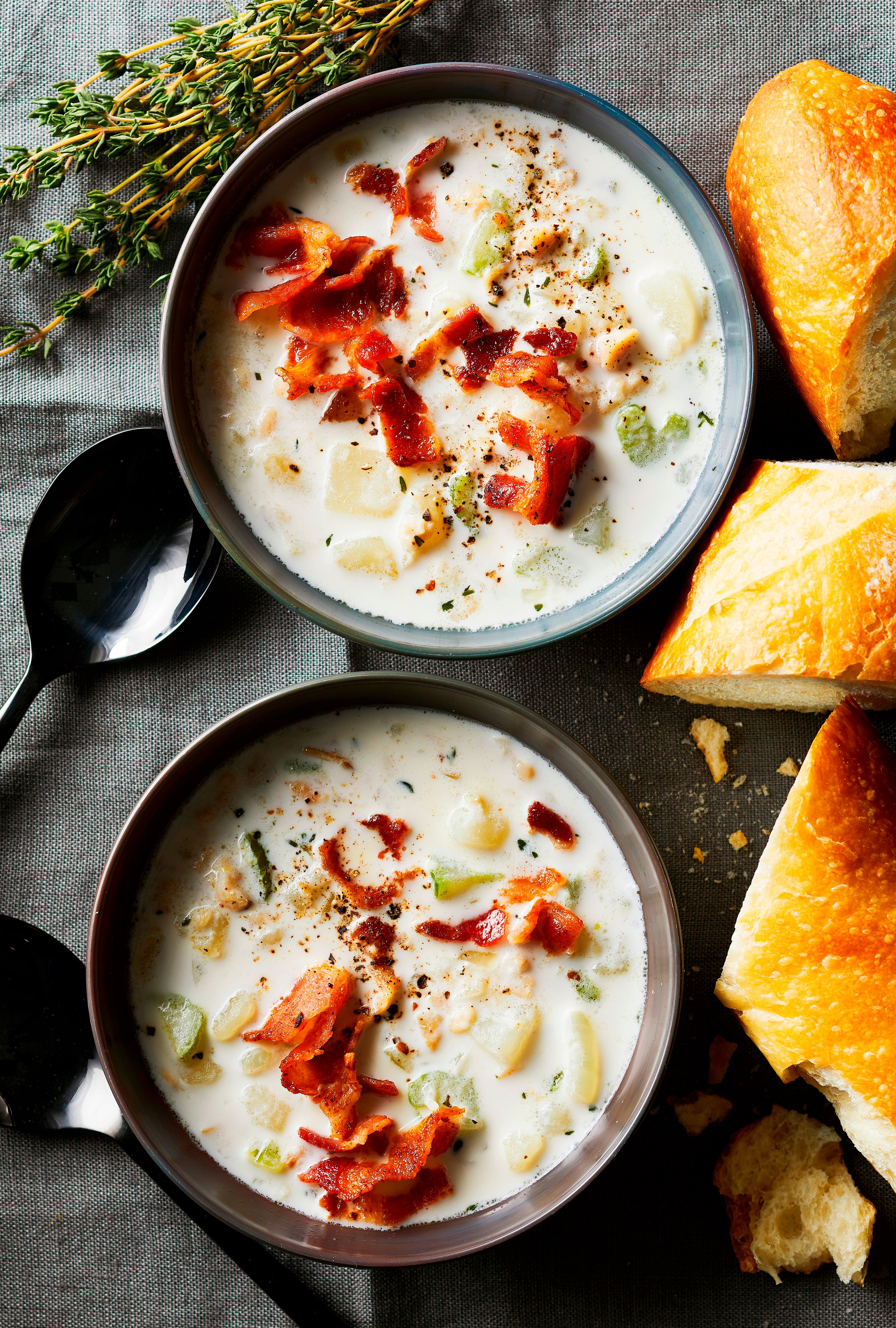

There are regular soups, and then there are creamy soupsthe cozy, spoon-hugging, blanket-in-a-bowl kind that make the kitchen smell like someone has their life together. Creamy soup recipes have a magical way of turning ordinary ingredients into something luxurious. A few potatoes, a handful of mushrooms, leftover chicken, a head of broccoli, or a couple of roasted vegetables can become dinner that feels warm, generous, and deeply satisfying.
The best part? Creamy soup does not always mean heavy soup. Some recipes get their velvety texture from cream, half-and-half, butter, cheese, or a classic roux. Others rely on blended vegetables, beans, rice, potatoes, coconut milk, or even cashews for a rich finish without dairy. In other words, creamy soup is less about dumping a carton of cream into a pot and more about building texture, flavor, and comfort one smart step at a time.
Whether you are craving creamy tomato soup with grilled cheese, broccoli cheddar soup that tastes like childhood got promoted, or a silky butternut squash soup with a sweet-savory personality, these creamy soup recipes are the ultimate comfort food for chilly nights, lazy Sundays, meal prep, and those days when chewing feels like too much ambition.
Why Creamy Soups Feel So Comforting
Creamy soups are comforting because they hit several cozy notes at once: warmth, richness, aroma, and texture. A good creamy soup coats the spoon without feeling gluey. It has enough body to feel like a meal, but enough balance to keep you going back for “just one more” bite until suddenly the bowl is empty and you are negotiating with the pot.
Many creamy soups begin with aromatics such as onion, garlic, celery, carrots, leeks, or shallots. These ingredients create the savory foundation. From there, the soup gets body from one or more thickening methods: a butter-and-flour roux, puréed vegetables, starchy potatoes, beans, cream, cheese, or rice. The final touch is contrastfresh herbs, lemon juice, black pepper, crunchy croutons, crispy bacon, toasted seeds, or a swirl of yogurt.
Essential Tips for Making Creamy Soup Better
Start with a flavorful base
Great creamy soup starts before anything creamy enters the pot. Sauté onions, garlic, celery, carrots, mushrooms, or leeks until softened and fragrant. This step builds sweetness and depth. Rushing it is like skipping the opening scene of a movie and wondering why you do not care about the characters.
Use the right thickener
A roux creates classic creaminess for soups like cream of chicken, chowders, and broccoli cheddar. Potatoes and cauliflower blend into a silky base. Beans add protein and body. Rice can soften and blend into a naturally creamy texture. Coconut milk brings richness to spicy or vegetable-forward soups. Each thickener has its own personality, so choose based on the soup you want.
Blend carefully
Blending is useful, but over-blending starchy ingredients can make soup gummy. Potatoes, beans, and lentils should be blended just until smooth. If using a traditional blender, work in batches and vent the lid so steam can escape. If using an immersion blender, keep the blade submerged unless you enjoy redecorating your backsplash with broccoli.
Finish with brightness
Creamy soups need a little lift. A splash of lemon juice, a spoonful of sour cream, a dash of vinegar, fresh herbs, or a pinch of cayenne can keep richness from turning flat. The goal is balance: creamy, yes; sleepy, no.
1. Classic Creamy Tomato Soup
Creamy tomato soup is the unofficial best friend of grilled cheese. The secret is to cook onions and garlic first, then add canned tomatoes, broth, basil, and a small amount of cream or half-and-half. Roasted red peppers can add sweetness and smoky depth, while a pinch of sugar can soften sharp acidity if the tomatoes taste too tangy.
For a smoother result, blend the soup until velvety and strain it if you want a restaurant-style finish. Serve with grilled cheese fingers, garlic croutons, or a drizzle of olive oil. This is the kind of soup that makes rainy weather feel like a lifestyle choice.
2. Creamy Chicken and Wild Rice Soup
Chicken and wild rice soup is hearty, nutty, and ideal for cold evenings. Wild rice gives the soup a chewy texture and earthy flavor, while cooked chicken adds protein and comfort. A roux or a splash of cream creates a rich base without turning the soup into a dairy swimming pool.
For the best flavor, use mushrooms, carrots, celery, thyme, and good chicken broth. Add cooked wild rice near the end so it keeps its texture. This creamy soup recipe is perfect for using leftover roasted chicken or rotisserie chicken, which is basically weeknight dinner’s cheat code.
3. Broccoli Cheddar Soup
Broccoli cheddar soup is what happens when vegetables decide to become popular. The key is using fresh broccoli, sharp cheddar, and a smooth base. Many versions use a roux, milk, and broth, while lighter versions blend some broccoli stems or potatoes to create creaminess before the cheese goes in.
Always add cheese over low heat and stir gently. High heat can make cheese separate, which leads to a grainy texture and mild dinner sadness. Freshly grated cheddar melts better than pre-shredded cheese because it usually has fewer anti-caking coatings. Serve with crusty bread or top with cheesy croutons for full comfort-food glory.
4. Creamy Potato Soup
Potato soup is humble, inexpensive, and wildly satisfying. Russet potatoes break down easily and create a fluffy, thick texture, while Yukon Gold potatoes add buttery flavor. Start with onion, celery, and garlic, then simmer diced potatoes in broth until tender. Blend part of the soup and leave some chunks for texture.
Finish with milk, half-and-half, sour cream, or a small amount of heavy cream. Toppings are where potato soup becomes a party: shredded cheddar, scallions, cracked pepper, crispy bacon, chives, or roasted broccoli. It is basically a loaded baked potato in spoonable form, and nobody is mad about that.
5. Cream of Mushroom Soup
Homemade cream of mushroom soup is earthy, elegant, and far better than the condensed version hiding in the pantry for casserole emergencies. Use a mix of mushrooms if possiblecremini, button, shiitake, or oyster mushrooms all bring different flavors. Sauté them until deeply browned, not just softened.
A little thyme, garlic, and onion build the base. Flour can help thicken the soup, while broth and cream bring everything together. For extra depth, reserve some browned mushrooms and stir them back in after blending. The final soup should taste woodsy, savory, and rich enough to make toast feel underdressed.
6. Creamy Butternut Squash Soup
Butternut squash soup is naturally creamy once blended, which makes it a star for lighter comfort food. Roasting the squash first deepens its sweetness and adds caramelized flavor. Pair it with onions, garlic, carrots, vegetable broth, and warm spices like ginger, nutmeg, cumin, or smoked paprika.
For extra silkiness, add coconut milk, cream, or a spoonful of Greek yogurt. A garnish of toasted pumpkin seeds, chili crisp, sage butter, or apple slices gives contrast. This is a beautiful fall soup, but honestly, if squash is available, there is no soup police stopping you in March.
7. Creamy Cauliflower Soup
Cauliflower soup is mild, smooth, and surprisingly luxurious. The vegetable blends into a pale, velvety base that can feel creamy even without much dairy. Simmer cauliflower with onion, garlic, broth, and a small potato for body. Blend until smooth, then finish with Parmesan, cream, or olive oil.
Because cauliflower has a gentle flavor, it welcomes bold toppings. Try roasted garlic, crispy chickpeas, toasted breadcrumbs, sharp cheddar, pesto, or a squeeze of lemon. It is simple enough for lunch and polished enough for a dinner starter.
8. Creamy Chicken Pot Pie Soup
Chicken pot pie soup gives you the comfort of pot pie without making pastry behave, which is good news for anyone who has ever yelled at dough. This soup usually includes chicken, carrots, peas, celery, onions, potatoes, broth, and cream. A roux thickens the base so every spoonful feels cozy and familiar.
Serve it with biscuits, puff pastry squares, or crackers for the pot pie effect. For a faster version, use leftover chicken and frozen mixed vegetables. The result is creamy, savory, family-friendly, and extremely good at disappearing from bowls.
9. Creamy Corn Chowder
Corn chowder is sweet, savory, and cheerful. Fresh summer corn is wonderful, but frozen corn works beautifully year-round. Blend part of the corn with milk or broth to create natural creaminess, then keep the rest whole for texture. Potatoes, bell peppers, onion, celery, and thyme make the soup filling.
For a smoky note, add paprika or a little cooked bacon. For a lighter bowl, use milk instead of cream. For a richer one, add half-and-half at the end. Corn chowder is especially good with scallions, hot sauce, or a handful of oyster crackers.
10. New England-Style Clam Chowder
Clam chowder is creamy soup with a coastal accent. The classic version includes clams, potatoes, onions, celery, broth, and dairy. Potatoes help thicken the soup, while the clams bring briny, seafood flavor. The key is to avoid boiling the dairy hard, which can make the texture separate.
Serve with saltines, black pepper, parsley, or a squeeze of lemon. A good chowder should be creamy but not pasty, rich but not heavy, and full of enough clams that nobody has to launch a search party.
11. Creamy Carrot Ginger Soup
Carrot ginger soup is bright, smooth, and gently sweet. Carrots become naturally creamy when simmered and blended, while ginger adds warmth and a little sparkle. Onion, garlic, vegetable broth, and a splash of coconut milk or cream complete the bowl.
This soup is excellent with orange zest, lime juice, cilantro, toasted sesame seeds, or a swirl of yogurt. It is colorful enough to look fancy and easy enough to make on a weeknight when your energy level is somewhere between “fine” and “please hand me a spoon.”
12. Creamy Asparagus Soup
Creamy asparagus soup is a spring classic with a fresh, green flavor. Cook asparagus with shallots or leeks, broth, and a little seasoning until tender, then blend until smooth. A small amount of crème fraîche, sour cream, or cream adds richness, while lemon zest keeps the flavor lively.
For the best color, avoid overcooking the asparagus. Top with herbs, olive oil, cracked pepper, or reserved asparagus tips. This soup is light, elegant, and ideal when you want comfort food that still feels fresh.
13. Creamy White Bean Soup
White bean soup is creamy without trying too hard. Cannellini beans or Great Northern beans blend into a smooth, protein-rich base. Add garlic, rosemary, onion, broth, and olive oil, then blend part or all of the soup depending on your preferred texture.
Finish with lemon juice, Parmesan, chili flakes, or toasted bread crumbs. White bean soup is budget-friendly, pantry-friendly, and deeply comforting. It also proves that creamy soup does not need a gallon of cream to feel indulgent.
Dairy-Free Ways to Make Creamy Soup
Dairy-free creamy soups can be just as satisfying as traditional cream-based recipes. Coconut milk works well with squash, carrot, lentil, curry, tomato, and corn soups. Blended potatoes or cauliflower add body without changing the flavor too much. Cashews, when soaked and blended, create a smooth richness that works especially well in vegetable soups.
Beans and lentils are another smart option. They thicken soup while adding fiber and protein. Tahini or peanut butter can also create creaminess in soups with bold flavors, especially those inspired by African, Middle Eastern, or Southeast Asian ingredients. The trick is to match the creamy ingredient with the flavor profile so it supports the soup rather than barging in like an uninvited dinner guest.
How to Store and Reheat Creamy Soup
Let soup cool slightly, then store it in shallow airtight containers so it chills faster. Most cooked leftovers should be refrigerated and used within three to four days. For longer storage, freeze soups in portion-size containers. Cream-based soups may sometimes separate after freezing, so for the best texture, freeze the soup before adding cream and stir in the dairy after reheating.
Reheat creamy soups gently over low or medium-low heat, stirring often. Avoid a hard boil, especially with dairy or cheese-based soups. If the soup thickens in the refrigerator, loosen it with broth, milk, or water until it returns to the texture you like.
Best Toppings for Creamy Soup
The right topping can turn a good creamy soup into a memorable one. Crunchy toppings such as croutons, toasted nuts, seeds, fried shallots, crackers, or crispy chickpeas bring contrast. Fresh toppings like parsley, dill, chives, basil, cilantro, or scallions brighten the bowl. Rich toppings like shredded cheese, sour cream, crème fraîche, bacon, or chili oil add personality.
Think of toppings as the soup’s accessories. Tomato soup loves grilled cheese croutons. Potato soup wants cheddar and chives. Butternut squash soup looks great with pumpkin seeds. Mushroom soup welcomes thyme and black pepper. Broccoli cheddar soup, obviously, is already wearing cheese, but a little extra never hurt anyone.
Personal Kitchen Experience: Why Creamy Soup Always Wins
In my experience, creamy soup is one of the most forgiving meals you can make. It does not demand perfect knife skills, expensive ingredients, or a spotless kitchen. In fact, some of the best creamy soups start with vegetables that are slightly tired, leftover chicken from yesterday’s dinner, or a lonely potato sitting in the basket like it is waiting for its big break.
The first thing I learned from making creamy soups often is that patience matters more than complexity. If you give onions time to soften, mushrooms time to brown, or squash time to roast, the soup tastes deeper before you even blend it. That early flavor-building step is the difference between “nice soup” and “why is everyone suddenly quiet at the table?” soup.
I also learned that texture is personal. Some people love a completely smooth soup, polished and silky like something served in a tiny restaurant bowl with a decorative herb leaf. Others want chunks of potato, chicken, corn, or broccoli so the soup feels like a full meal. The best solution is often blending only part of the soup. You get creaminess and texture together, which is basically the soup version of having both slippers and socks.
Another useful lesson: toppings are not optional if you want the soup to feel special. A plain bowl of creamy cauliflower soup is comforting, but add toasted breadcrumbs, Parmesan, lemon zest, and cracked pepper, and suddenly it has confidence. Creamy tomato soup with grilled cheese croutons becomes dinner with a sense of humor. Potato soup with scallions and cheddar becomes a loaded baked potato that found its true calling.
Creamy soups are also excellent for meal prep, especially when you make the base ahead and add delicate ingredients later. For example, chicken pot pie soup can be prepared with the creamy broth and vegetables, then finished with fresh herbs before serving. Broccoli cheddar soup tastes best when the cheese is added gently at the end. Creamy seafood soups should be reheated carefully so they stay tender and smooth.
One of my favorite creamy soup habits is using soup as a “reset meal.” After a week of takeout, snacks, and questionable refrigerator decisions, a pot of creamy vegetable soup feels like pressing the refresh button. Carrot ginger soup, white bean soup, and butternut squash soup are especially good for this because they are cozy without being too heavy. Add bread or a salad, and dinner feels complete without requiring a dramatic cooking performance.
The beauty of creamy soup recipes is that they adapt to real life. No cream? Use blended potatoes. No potatoes? Use beans. No fresh herbs? Use dried thyme or black pepper. No energy? Use rotisserie chicken and frozen vegetables. Soup does not judge. Soup understands. Soup has seen the inside of your fridge and still believes in you.
That is why creamy soup remains the ultimate comfort food. It is warm, flexible, budget-friendly, and endlessly customizable. It can be rustic or elegant, rich or light, classic or creative. Most importantly, it delivers the kind of comfort that does not need a special occasion. A pot, a spoon, and a few humble ingredients are enough.
Conclusion
Creamy soup recipes are comfort food at their finest because they combine warmth, texture, flavor, and flexibility in one bowl. From creamy tomato soup and broccoli cheddar to chicken wild rice, potato soup, mushroom soup, chowder, and dairy-free vegetable purées, there is a creamy soup for every craving and every season.
The secret is balance. Build flavor with aromatics, choose the right thickener, blend carefully, finish with brightness, and add toppings that bring crunch or freshness. Do that, and your soup will taste cozy without feeling heavy. Whether you are feeding a family, meal-prepping for the week, or simply trying to make dinner feel like a soft landing, creamy soup is always a good answer.