
A copper outdoor combination thermometer is one of those rare backyard tools that manages to be useful, decorative, and just a little bit charming. It tells you whether the patio is ready for coffee, whether the garden needs extra watering, and whether your “quick five minutes outside” is about to become a full-body sweat event. Better yet, it does all of that while looking like it belongs on a farmhouse porch, a cottage garden wall, a poolside fence, or a screened-in sunroom with a pitcher of iced tea nearby.
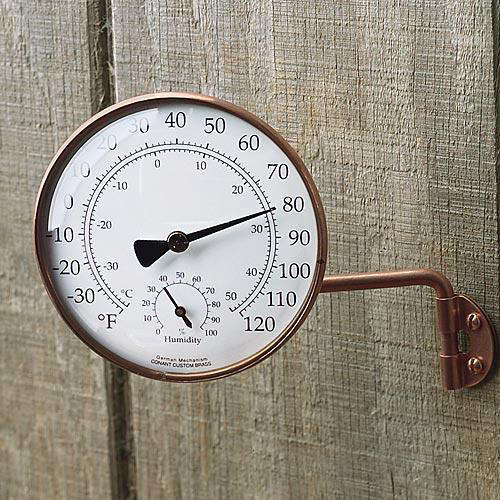
At its simplest, a copper outdoor combination thermometer combines temperature reading with at least one other weather-related function. Most commonly, that second feature is a hygrometer, which measures relative humidity. Some models add a clock, a swivel arm, a large wall dial, or a decorative metal housing with an antique copper, bronze, brass, or verdigris finish. The appeal is obvious: instead of checking three separate gadgets, you glance at one handsome dial and get a quick read on outdoor comfort.
But not all outdoor thermometers are created equal. A good one should be easy to read, weather resistant, properly placed, and realistic about what it can measure. A copper finish may look timeless, but placement still matters more than style. Put even a beautiful thermometer in direct afternoon sun and it may confidently tell you your backyard has relocated to the surface of Mercury. The goal is not just to buy a pretty dial; it is to use it wisely.
What Is a Copper Outdoor Combination Thermometer?
A copper outdoor combination thermometer is a weather instrument designed for outdoor or indoor/outdoor use, usually featuring a copper-toned case, brass-like body, bronze finish, or naturally weathering metal surface. The “combination” part means it does more than measure temperature. Common pairings include thermometer plus hygrometer, thermometer plus clock, or thermometer plus clock and humidity gauge.
These instruments are popular for patios, porches, gardens, decks, pool areas, balconies, cabins, greenhouses, and backyard sheds. They serve two roles at once. First, they provide practical weather information. Second, they act as outdoor decor. A plain digital sensor may be excellent for precision, but it does not exactly make your garden wall look like it has its life together. A copper-style analog dial, on the other hand, adds warmth and visual character.
Common Features You Will See
Most copper outdoor combination thermometers include a temperature dial marked in Fahrenheit, Celsius, or both. Many outdoor models cover a broad range, such as -40°F to 120°F or -40°F to 140°F, making them suitable for most American climates. A built-in hygrometer may show humidity from 0% to 100% or a similar range, helping you understand whether the air feels crisp, muggy, dry, or suspiciously like soup.
Some versions are small and mounted on a swivel arm, which makes them convenient outside a kitchen window. Others are large wall clocks with smaller temperature and humidity dials built into the face. Decorative models may use metal housings, weather-resistant paint, glass lenses, quartz clock movement, large numerals, and vintage-inspired graphics. The best choice depends on whether you value readability, compact placement, decor style, or all-in-one functionality.
Why Copper Works So Well Outdoors
Copper has an outdoor personality. It does not stay frozen in time; it ages, deepens, darkens, and develops character. Real copper naturally changes color when exposed to the atmosphere, gradually moving from bright pinkish-orange tones into browns and, in the right conditions, green or blue-green patina. Copper finishes and copper-colored coatings may not weather exactly like solid copper, but they borrow the same warm, classic look.
This is why copper outdoor thermometers fit so many design styles. On a brick wall, they feel traditional. Against white siding, they look warm and architectural. Near climbing vines or container herbs, they feel garden-ready. Beside a pool, they soften the harder look of stone, concrete, and metal furniture. Copper is decorative without being loud. It says, “I have taste,” but not in the way a seven-foot marble lion statue says it.
Copper, Brass, Bronze, and Verdigris Finishes
Shopping for a copper outdoor combination thermometer can get a little confusing because product descriptions often use terms like copper, brass, bronze, antique copper, oil-rubbed bronze, and copper verdigris. These finishes are related in appearance but not identical.
A brass design may have a golden warmth and can develop a living finish over time. A bronze or oil-rubbed bronze model usually appears darker and more traditional. Antique copper finishes lean reddish-brown and look aged from day one. Verdigris-style finishes imitate the greenish patina associated with weathered copper. Hand-finished decorative thermometers may vary slightly from piece to piece, which is part of their charm.
Thermometer Plus Hygrometer: Why Humidity Matters
Temperature alone does not tell the whole outdoor comfort story. A 78°F afternoon with low humidity can feel pleasant. The same temperature with high humidity can feel like you are wearing a damp blanket with ambition. That is where a combination thermometer and hygrometer becomes useful.
Relative humidity affects how warm or cool the air feels, how quickly soil dries, how comfortable a screened porch feels, and whether outdoor cushions are likely to dry after a rainy morning. Gardeners also pay attention to humidity because it can influence plant stress, fungal disease risk, and watering schedules. Homeowners use humidity readings to decide when to air out a porch, protect wood furniture, or bring certain items inside.
Analog vs. Digital Readings
Analog copper thermometers appeal to homeowners who want battery-free simplicity and decorative style. They are easy to glance at and do not require apps, charging cables, Wi-Fi passwords, or the emotional journey of pairing Bluetooth devices. Many analog garden thermometers work through mechanical movement rather than electronics.
Digital thermometers often offer higher precision, remote sensors, memory readings, alerts, and smart-home compatibility. However, they usually require batteries, and the sensor still needs proper placement. For many patios and gardens, an analog copper combination thermometer is accurate enough for everyday decisions, especially when installed correctly and used as a comfort guide rather than a laboratory instrument.
How Accurate Is an Outdoor Combination Thermometer?
Accuracy depends on three things: the quality of the instrument, calibration, and placement. Placement is the one homeowners often underestimate. A modest thermometer in the right location can be more useful than an expensive thermometer baking on a south-facing brick wall.
Professional outdoor air temperature measurement usually involves shielding the thermometer from direct sunlight and allowing free airflow around the sensor. Weather authorities often use shelters or ventilated enclosures because sunlight, rain, pavement, walls, and reflected heat can distort readings. For home use, you do not need a scientific weather station, but you should borrow the same basic logic.
Best Placement for Reliable Readings
Mount your copper outdoor combination thermometer in the shade. A north-facing or northeast-facing wall is often a good option in many homes because it avoids the hottest afternoon sun. Keep it away from grills, dryer vents, outdoor fireplaces, large windows, asphalt, concrete, metal doors, and walls that absorb heat. Also avoid tight corners with poor airflow.
For better temperature readings, place the thermometer around eye level or roughly 4 to 6 feet above the ground when practical. Grass, soil, or planted areas are better nearby surfaces than concrete patios because hardscape absorbs and radiates heat. If your only option is a patio wall, choose the shadiest, breeziest spot available and understand that readings may run a little warm during hot afternoons.
Where a Copper Combination Thermometer Looks Best
One reason these thermometers stay popular is that they fit naturally into outdoor living spaces. A copper dial can look at home beside a farmhouse door, mounted near a garden bench, or placed on a covered deck where family members can check the weather before heading out.
On a Covered Porch
A covered porch is often one of the best locations because it protects the thermometer from harsh rain and direct sun while keeping it visible. Mount it near the door, but not directly beside a window or light fixture that radiates heat. A copper finish pairs beautifully with black lanterns, wood rocking chairs, hanging baskets, and warm-toned planters.
Near a Garden or Greenhouse
Gardeners appreciate a quick temperature and humidity reference. A copper outdoor thermometer near raised beds or a greenhouse entry can help you decide whether to vent the greenhouse, water in the morning, cover tender plants, or delay transplanting seedlings. Just keep it shaded and ventilated. A thermometer nailed to a sun-blasted fence may look rustic, but it will exaggerate the heat.
By the Pool or Patio
Pool areas are another popular spot, especially for large clock-style thermometer and hygrometer combos. A big dial can be read from lounge chairs, outdoor kitchens, or dining tables. Choose a weather-resistant model, and place it somewhere protected from splashing, direct sprinkler spray, and full sun. Nobody wants a thermometer that reads “102°F” because it is mounted above hot pavers, unless your goal is to scare guests into the pool faster.
Buying Guide: What to Look For
When choosing a copper outdoor combination thermometer, start with readability. Decorative details are wonderful, but the numbers should be clear from the distance where you will actually stand. A small 4-inch swivel thermometer may be perfect outside a window, while a 13- to 18-inch clock-style model may be better for a large patio wall.
Next, consider the functions. If you only care about temperature and humidity, a thermometer/hygrometer combo is clean and simple. If you want a patio clock too, look for a clock thermometer hygrometer combination. For outdoor use, check for weather-resistant construction, protected dials, durable paint, and materials suited for covered exterior placement.
Temperature and Humidity Range
Many outdoor analog models offer wide temperature ranges, often from below freezing to well above typical summer heat. Humidity gauges commonly cover broad relative humidity ranges. These ranges are helpful, but do not judge a model only by the biggest numbers on the dial. A thermometer should be easy to read in the range you use most often, such as 30°F to 100°F for many homeowners.
Material and Finish
Look carefully at whether the product is solid copper, brass, aluminum with copper finish, steel with hand-painted copper finish, plastic with bronze styling, or another material. None of these is automatically bad. Solid metal may feel more substantial, but coated metal and weather-resistant finishes can also perform well when placed under cover. The key is matching expectations to the product.
Mounting Style
Wall-mounted models are easy to install and display like outdoor decor. Swivel-arm thermometers are ideal outside windows because you can read them from indoors. Clock-style models may need a secure hook or screw because they are larger and heavier. Before buying, check whether hardware is included and whether the wall surface can support the instrument.
Care and Maintenance Tips
A copper outdoor combination thermometer does not require complicated care. Wipe the face gently with a soft cloth, especially after pollen season, windstorms, or sprinkler overspray. Avoid harsh abrasives that can scratch glass, remove protective coatings, or damage decorative finishes.
If the model has a living finish, expect the color to change. That is part of the appeal. If you prefer the bright copper look, choose a coated finish or keep the thermometer in a more protected spot. If you enjoy patina, let nature do the decorating. Rain, humidity, salt air, pollution, and sun exposure all influence how quickly the surface changes.
Calibration Checks
Analog temperature and humidity instruments can drift over time. If your model allows manual calibration, compare it with a trusted thermometer or hygrometer in a stable shaded location. Give both instruments time to adjust before comparing. For humidity, some homeowners use a controlled test method, but for casual patio use, comparing against a reliable digital hygrometer is often enough.
Common Mistakes to Avoid
The first mistake is mounting the thermometer in direct sunlight. This is the classic backyard weather error. Direct sun heats the instrument, and the reading can become much higher than the actual air temperature. The second mistake is placing it near brick, stone, concrete, or metal that stores heat. Your thermometer should measure air, not the mood swings of your patio wall.
The third mistake is treating a decorative analog dial like an official weather station. A copper combination thermometer is excellent for everyday comfort checks, garden decisions, and outdoor ambiance. It is not meant to replace calibrated scientific equipment. Use it as a helpful guide, and it will serve you well.
Real-Life Experiences With a Copper Outdoor Combination Thermometer
Living with a copper outdoor combination thermometer is less about obsessing over exact numbers and more about building a small daily habit. You step outside with coffee, glance at the dial, and suddenly you know whether the morning is crisp enough for a sweater or already plotting against your hairstyle. Over time, that little weather check becomes part of the rhythm of the house.
One of the best experiences is using it near a garden. In spring, the thermometer becomes the unofficial seedling bodyguard. When the dial dips too low in the morning, you think twice before moving tender basil, tomatoes, or peppers outside. When humidity climbs after several rainy days, you become more alert to mildew on leaves, soggy soil, and the need for better airflow around plants. The instrument does not garden for you, but it gives you a helpful nudge before trouble starts.
On a porch or patio, the combination of temperature and humidity is surprisingly useful. A warm evening with low humidity might be perfect for dinner outside. A slightly cooler evening with heavy humidity might feel sticky and uncomfortable. The hygrometer helps explain why one 75°F day feels lovely and another feels like the air has been wrapped in plastic wrap. Guests may not comment on the humidity gauge at first, but they will absolutely ask, “Is it really that humid?” while fanning themselves with a napkin.
The decorative value also grows with time. A copper or copper-finish thermometer looks especially good beside natural materials: cedar, brick, stone, terracotta pots, wrought iron, and weathered wood. It adds a finished detail to outdoor spaces that might otherwise feel bare. Even a practical garden shed looks more intentional with a handsome dial on the wall. It is a small upgrade, but outdoor spaces are built from small details.
Placement can become a learning experience. Many homeowners first mount the thermometer where it looks best, then discover the readings are wildly optimistic in afternoon sun. Moving it to a shaded, ventilated spot can instantly make it more believable. This is the moment when you realize outdoor temperature is not just a number; it is a measurement affected by sunlight, surfaces, airflow, and nearby heat sources. The thermometer quietly teaches you how your own yard behaves.
A copper outdoor combination thermometer is also useful for seasonal routines. In summer, it helps you decide when to water containers, open shade umbrellas, or move outdoor workouts to early morning. In fall, it becomes a quick check before lighting the fire pit or covering plants. In winter, it lets you know whether porch steps may be icy or whether the garage feels dangerously cold for stored liquids or delicate items. In spring, it becomes a hopeful little circle on the wall, promising that patio season is almost back.
The best part is that it asks almost nothing from you. No app notifications. No charging cable. No software update at the exact moment you want to know if you need a jacket. Just a dial, a needle, and a bit of old-fashioned weather wisdom. In a world full of screens, that simplicity feels refreshing.
Conclusion
A copper outdoor combination thermometer is a practical weather tool wrapped in classic outdoor style. It helps homeowners check temperature, humidity, and sometimes time at a glance, while adding warmth and character to porches, patios, gardens, and pool areas. The best models are easy to read, weather resistant, properly mounted, and suited to the way you use your outdoor space.
For the most reliable readings, placement matters more than decoration. Choose shade, allow airflow, avoid heat-radiating surfaces, and protect the instrument from harsh weather when possible. Whether you prefer a compact swivel-arm thermometer/hygrometer or a large copper-finish clock combo, the right choice can make your backyard feel more comfortable, more organized, and a little more charming. And really, any tool that helps you dress for the weather while making your patio look better deserves a spot on the wall.