Guy Thinks He Can Call The Shots About Wife’s Hair, Tattoos, Even Birth Control – She Has Other Ideas

There are relationship disagreements, and then there are royal decrees delivered by someone who forgot they are not, in fact, royalty. One of the internet’s favorite recent debates centered on a husband who seemed to believe marriage came with authority over his wife’s haircut, tattoo choices, and birth control. She, very reasonably, had another opinion: her body is not a group project.
That’s why this story hit such a nerve. On the surface, it sounded like a couple arguing over preferences. Underneath, it opened a much bigger conversation about bodily autonomy, reproductive decision-making, emotional control, and what healthy love actually looks like when real-life choices get messy. Spoiler: healthy love is not “I object, therefore you may not proceed.” That’s not romance. That’s a board meeting with terrible snacks.
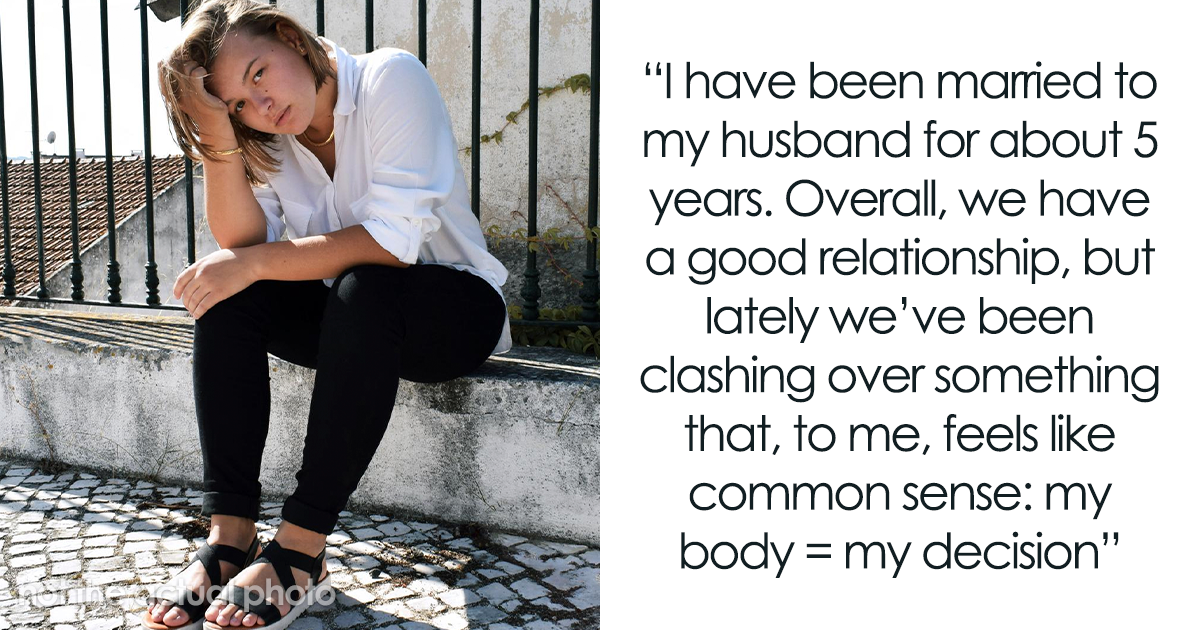
In the viral scenario, the wife said her husband objected when she considered going back on birth control, arguing that he didn’t like how it affected her hormones. She also noticed a pattern: comments about her hair, criticism over a possible tattoo, and a growing sense that he believed his feelings should outweigh her decisions. She pushed back. The internet applauded. And the deeper issue became impossible to miss.
A Viral Relationship Fight That Sparked a Bigger Conversation
What made the story travel so quickly is that it was not really about one pill, one haircut, or one tattoo. It was about who gets the final say when the decision affects one person’s body, comfort, health, and identity.
Lots of people in long-term relationships share opinions about each other’s style. One partner may love long hair. Another may prefer no tattoos. Someone else may worry about medication side effects. That, by itself, is not unusual. Adults are allowed to have preferences. The problem starts when a preference gets promoted to a policy. The moment “I like your hair longer” turns into “Don’t cut it,” or “I’m worried about side effects” becomes “You’re not going on birth control,” the tone shifts from conversation to control.
That distinction matters. A respectful relationship leaves room for input, discussion, disagreement, and personal choice. A controlling relationship keeps the discussion but quietly deletes the personal choice part. That is where people start feeling less like partners and more like property with Wi-Fi.
Preference vs. Control: Where the Line Actually Is
Here is the cleanest way to separate normal couple talk from controlling behavior: a preference can be expressed; a decision cannot be seized.
What a healthy preference sounds like
“I love your hair long, but it’s your call.”
“I’m nervous about hormonal birth control because I’ve heard mixed things. Do you want to talk with your doctor?”
“Tattoos aren’t really my thing, but I know it’s your body.”
What control sounds like
“Don’t cut your hair.”
“I don’t want you on birth control, so you shouldn’t use it.”
“Getting a tattoo would be disrespectful to me.”
The difference is not subtle. One approach respects autonomy. The other tries to manage another adult through guilt, pressure, or a fake sense of authority. That second pattern is why so many experts place repeated appearance-related control, emotional pressure, and reproductive interference under the broader umbrella of abusive or coercive behavior.
Not every controlling comment means a relationship is doomed. But repeated attempts to overrule your choices about your body should never be brushed off as “just concern.” Concern asks questions. Control issues commands.
Why Birth Control Is Not a Group Assignment
Let’s get to the part that tends to turn internet comment sections into a live fireworks display: birth control.
Yes, both partners can talk about pregnancy plans. Yes, both partners can discuss timing, family goals, and sexual health. But the actual choice of whether someone uses birth control, which method they use, whether they stop using it, and what side effects they are willing to tolerate belongs to the person whose body is directly affected.
That does not mean a spouse’s thoughts are worthless. It means a spouse’s thoughts are not the deciding vote.
Hormonal birth control can have side effects. It can also provide major benefits, including pregnancy prevention, lighter or more regular periods, and relief for some menstrual symptoms. Non-hormonal options exist too. Some people do great on the pill. Some prefer an IUD. Some choose condoms, fertility awareness methods, or another approach entirely. The point is not that one method is universally best. The point is that the decision should be made by the patient in consultation with a qualified healthcare professional, based on her health, goals, comfort, and risk tolerance.
So when a husband says, “I don’t like how it changes your hormones,” that may sound protective at first. But if the next sentence is essentially, “Therefore you should not use it,” the statement stops being loving concern and starts sounding like a hostile takeover. He does not endure the side effects. He does not carry the pregnancy risk. He does not manage the anxiety of a scare. He can absolutely share an opinion. He cannot appoint himself chairman of her uterus.
Hair, Tattoos, and the Myth of Spousal Ownership
Haircuts and tattoos may seem less serious than contraception, but they matter because they reveal the same underlying assumption: that marriage gives one partner a form of ownership over the other partner’s presentation.
It does not.
Hair is personal. Tattoos are personal. Clothing, makeup, piercings, facial hair, fitness choices, and aesthetic expression all sit at the intersection of identity and autonomy. A spouse can react to those choices. A spouse can even dislike them. What a spouse cannot ethically do is act as though those choices require approval like a vacation request sent to upper management.
This is where many controlling people hide behind the language of “respect.” They say things like, “If you loved me, you wouldn’t do this,” or “You should care how I feel,” or “It’s disrespectful to change something I like.” That framing is powerful because it makes autonomy sound selfish. But it flips the logic upside down. Respect is not obedience. In fact, demanding obedience from a spouse is usually the more disrespectful move.
If someone only feels secure when their partner stays physically styled to their liking, the real issue is not the haircut. It is their relationship to power, insecurity, and entitlement.
When “I’m Just Saying” Turns Into Coercive Control
Many unhealthy relationships do not begin with dramatic ultimatums. They begin with repeated little comments. A criticism here. A guilt trip there. A reminder that your choices affect their feelings. A complaint every time you express yourself in a way they did not authorize. Over time, these comments can train someone to second-guess themselves before they even act.
That is why this topic matters beyond one viral story. Patterns of control often grow in ordinary-looking moments. A partner comments on what you wear. A partner monitors who you text. A partner criticizes your body. A partner pressures you about sex or contraception. A partner frames your boundaries as cruelty. None of this needs to involve screaming to be harmful.
Reproductive coercion deserves special attention here. That term is used when someone interferes with another person’s reproductive choices, including pressuring a person to become pregnant, not become pregnant, continue a pregnancy, end a pregnancy, or use or avoid contraception against their wishes. It can also include birth control sabotage. That is not “being opinionated.” That is abuse wearing a polite outfit.
Again, not every disagreement equals coercion. But when a partner repeatedly behaves as though your body must pass a relationship approval test, that is a flashing warning sign, not a quirky personality trait.
What a Healthy Response Looks Like
The most useful part of the viral story was not the original conflict. It was the boundary. The wife did not say, “Your feelings are meaningless.” She said, in effect, “I hear you, but this decision is mine.” That is exactly how healthy boundary-setting works. It is not cruel. It is clear.
If a couple wants to handle this well, the conversation should sound something like this:
1. Acknowledge the emotion without surrendering the decision
“I understand that you have concerns. I’m willing to hear them. I’m still making the final choice about my body.”
2. Shift from opinion to information
If the issue is birth control, discuss facts with a healthcare provider instead of building the argument out of social media clips, vague fears, or one guy’s cousin who “heard hormones are bad.” The internet is many things. A gynecologist, generally, it is not.
3. Watch the reaction to the boundary
This part is huge. Respectful people may feel disappointed, but they adjust. Controlling people often escalate, sulk, guilt-trip, punish, or redefine your boundary as an attack. The reaction tells you a lot.
4. Look for the pattern, not just the moment
One awkward conversation may be exactly that. A repeating pattern across hair, tattoos, contraception, clothes, friendships, and daily choices is a different story.
Why This Story Resonated So Strongly
The internet responded so intensely because this kind of dynamic feels familiar to many people, especially women. For generations, women have been told to be agreeable, attractive, flexible, and accommodating, while also somehow magically maintaining full confidence and personal agency. That’s a nearly impossible balancing act. The result is that many women are taught to explain, soften, and apologize for decisions that should never have required permission in the first place.
This story cut through that fog. It reminded readers that bodily autonomy does not disappear once you get married. Love does not erase consent. Commitment does not transfer ownership. And being a spouse does not make someone your manager, stylist, physician, or reproductive governor.
That is why the wife’s pushback landed so well. She wasn’t rejecting partnership. She was rejecting control disguised as partnership. Big difference. Monumental difference. Difference with neon lights and a marching band.
Experiences That Sound a Lot Like This Story
Stories like this go viral because they echo everyday experiences that are easy to dismiss one at a time. A woman mentions getting bangs, and her husband reacts like she announced she is joining a pirate ship. Another says she wants a small tattoo to mark a major life event, and suddenly her partner is giving a speech about “what wives should look like.” Someone else wants to restart birth control because the pregnancy anxiety is exhausting, and her boyfriend somehow translates that into a debate about his comfort level with her hormones. Different details, same script: one person acts like their discomfort should outrank another person’s bodily autonomy.
Some people describe it as death by a thousand tiny permissions. Not because they literally ask permission every time, but because they start anticipating disapproval before making even simple choices. “Should I cut my hair?” quietly becomes “Will this cause a fight?” “Do I want this tattoo?” becomes “Is it worth the sulking?” “What birth control works best for me?” becomes “How do I explain this without being accused of disrespect?” That mental shift is exhausting. It turns self-expression into risk management.
Other experiences are even subtler. A partner never outright says no, but they pout for three days after every beauty decision they dislike. They make “jokes” about tattoos looking trashy. They call a contraceptive choice selfish because it does not match their preferences. They insist they are only being honest, only being caring, only looking out for you. But somehow the honesty always points one way: toward your compliance.
There are also relationships where the issue gets resolved in a healthier direction. Someone sets a firm boundary. The other partner listens, apologizes, and actually changes. They stop turning preferences into pressure. They ask better questions. They realize that love without respect becomes possession in a nicer outfit. Those stories matter too, because not every bad dynamic is beyond repair. But change is only real when behavior changes, not when the controlling partner simply learns to sound more polite.
What many women say they remember most in these situations is the moment they finally say the quiet part out loud: “This is my body.” It can feel obvious, but sometimes obvious truths are the hardest to say when a relationship has trained you to over-explain. Once said, though, it often becomes a dividing line. Either the partner respects it, or they reveal that what they really wanted was not discussion at all. They wanted authority.
And that is the lesson at the heart of this entire story. Hair grows back. Tattoos can be debated. Birth control methods can change. But the principle underneath all of it stays the same. Adults in loving relationships can advise, prefer, discuss, worry, and even disagree. What they cannot do is claim the right to direct another person’s body like a remote-controlled device. Marriage is supposed to be a partnership of equals. The minute one person starts acting like the other comes with user settings they control, the relationship has drifted into dangerous territory.
So yes, the wife in the viral story had other ideas. Good for her. More people probably should.
Conclusion
The headline may sound dramatic, but the real takeaway is refreshingly simple: a spouse can share feelings, not claim ownership. Whether the issue is hair, tattoos, or birth control, bodily autonomy is not optional in a healthy relationship. The strongest partnerships are not built on one person getting the final say. They are built on mutual respect, honest communication, and the radical idea that love does not require surrendering control over your own body.