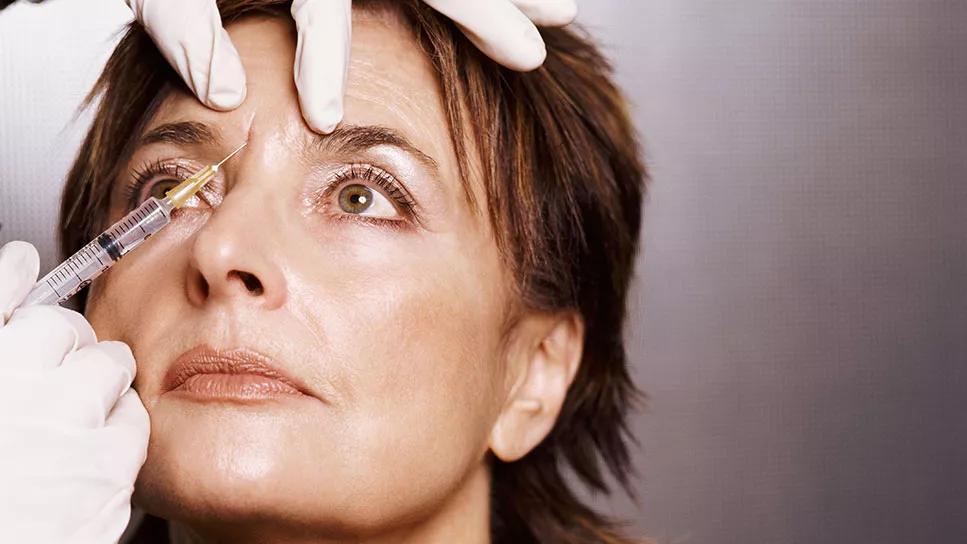

Note: This article is for educational purposes only and is not a substitute for medical advice. Anyone considering Botox should consult a licensed, qualified medical professional.
Introduction: Botox Is Popular, But What Happens Years Later?
Botox has become one of the most recognizable words in modern beauty, right up there with “retinol,” “sunscreen,” and “I swear I only had one coffee.” Officially, Botox is a brand name for onabotulinumtoxinA, a purified form of botulinum toxin type A used to temporarily relax targeted muscles. It is best known for smoothing frown lines, forehead wrinkles, and crow’s feet, but it is also used medically for conditions such as chronic migraine, excessive sweating, muscle spasms, overactive bladder, and certain eye disorders.
For many people, Botox feels like a quick lunch-break treatment: a few tiny injections, minimal downtime, and results that appear over several days. But because the effects are temporary, many patients repeat treatments every three to four months for years. That naturally raises a smart question: what are the long-term effects of Botox?
The short answer is that Botox is generally considered safe when administered properly by a trained, licensed professional using FDA-approved products. The more complete answer is more interesting. Long-term Botox use may gradually weaken treated muscles, change facial movement patterns, extend how long results appear to last, and in rare cases contribute to reduced treatment response. Most side effects are temporary, but improper dosing, poor injection technique, counterfeit products, or injections from unqualified providers can increase the risk of serious complications.
How Botox Works Over Time
Botox works by blocking nerve signals that tell a muscle to contract. When the treated muscle relaxes, the skin above it creases less, making dynamic wrinkles look softer. Dynamic wrinkles are the lines created by repeated facial movement, such as frowning, squinting, or raising the eyebrows. Think of them as the “fold marks” your face earns from years of expression, laughter, concentration, and occasionally reading emails with the subject line “urgent.”
The body gradually breaks down the effect of Botox. For cosmetic use, results often last about three to four months, although some people notice shorter or longer duration depending on the area treated, dose, muscle strength, metabolism, lifestyle, and how often they receive injections. Over time, repeated relaxation of the same muscles can reduce the force of those muscles. This is one reason some long-term users feel they need treatment less often after years of consistent use.
Common Long-Term Effects of Botox
1. Treated Muscles May Become Weaker
One of the most talked-about long-term effects of Botox is muscle weakening in the treated area. This does not mean your face will suddenly forget how to be a face. It means that a muscle repeatedly relaxed with Botox may gradually lose some strength because it is not contracting as forcefully or as often.
For cosmetic patients, this can be a benefit. If the muscles between the eyebrows are less active, the “11 lines” may become less deeply etched. If forehead muscles are treated carefully, forehead lines may soften over time. However, too much weakening can create unwanted results, such as a heavy-looking brow, flatter facial expression, or imbalance between treated and untreated muscles.
This is why Botox should not be treated like seasoning at a barbecue: more is not always better. A conservative, customized plan often looks more natural than aggressive freezing.
2. Facial Habits May Change
Repeated Botox treatments may train some people to use certain facial muscles less. For example, someone who often frowns while concentrating may gradually frown less because the muscle has been relaxed over multiple treatment cycles. This behavioral change can help prevent certain expression lines from becoming deeper.
The flip side is that the face works as a team. When one muscle is relaxed, neighboring muscles may compensate. If injections are poorly placed or overdone, a person may develop unusual movement patterns, such as raising the outer brows more dramatically or smiling asymmetrically. Skilled injectors understand facial anatomy and adjust treatment over time to avoid that “surprised museum statue” look.
3. Results May Last Longer for Some People
Some long-term Botox users report that results begin to last longer after repeated treatments. This may happen because treated muscles become less strong and less able to create deep creases quickly. When the muscle is not working as hard, wrinkles may not return as sharply between appointments.
This does not happen for everyone. Some people still metabolize Botox quickly and need maintenance on a regular schedule. Others may be able to stretch appointments farther apart. The best approach is to follow the face rather than the calendar. If movement is returning but lines are still soft, it may not be necessary to rush into another treatment.
4. Skin May Look Smoother, But Botox Does Not Stop Aging
Botox can soften movement-related wrinkles, but it does not stop every part of facial aging. Skin aging also involves collagen loss, elastin breakdown, sun damage, bone remodeling, fat changes, gravity, lifestyle, and genetics. In other words, Botox is talented, but it is not a time machine with a medical license.
Long-term users may maintain smoother-looking expression areas, especially if they combine Botox with sunscreen, retinoids, healthy skin care, good sleep, and not smoking. However, Botox will not fix skin texture, brown spots, skin laxity, or volume loss. For those concerns, providers may recommend other treatments such as laser resurfacing, microneedling, chemical peels, fillers, or collagen-stimulating procedures.
Possible Long-Term Side Effects and Risks
Muscle Atrophy
Muscle atrophy means a muscle becomes smaller from reduced use. With long-term Botox, mild thinning of treated muscles can happen. In cosmetic areas, this may be subtle and sometimes desirable, such as slimming a strong jaw muscle. But in other areas, too much atrophy may affect facial balance.
For example, repeated high-dose treatment in the masseter muscles can slim the lower face, but overtreatment may contribute to chewing weakness or an overly narrow jaw appearance. In the forehead, excessive treatment may make the brows feel heavy because the forehead muscle helps lift them. A good injector evaluates not just wrinkles, but the structure and function of the whole face.
Resistance or Reduced Response
Some people worry that Botox “stops working” after years. True resistance is uncommon, but it can happen. The body may develop neutralizing antibodies that reduce the effect of botulinum toxin. This is more often discussed in medical patients receiving higher doses for neurological conditions, but cosmetic users sometimes report shorter duration or weaker results.
However, not every poor result means immunity. The issue could be underdosing, diluted product, poor injection placement, unrealistic expectations, stronger-than-average muscles, or counterfeit product. If Botox seems to fade unusually fast, patients should discuss it with a qualified provider rather than simply increasing the dose blindly.
Drooping Eyelids or Brows
Drooping eyelids, drooping brows, or uneven eyebrows are usually temporary, but they are among the most frustrating Botox side effects. They can occur when toxin affects nearby muscles that were not intended to relax. The good news is that Botox wears off. The bad news is that “wait it out” is not exactly a thrilling treatment plan when one eyebrow is auditioning for a different movie.
Experienced injectors reduce this risk by using correct placement, appropriate dosing, and careful assessment of facial anatomy. Patients can help by following aftercare instructions, avoiding rubbing the treated area right after injections, and choosing a professional medical setting rather than a bargain-basement “Botox party.”
Dry Eyes, Watery Eyes, or Smile Changes
When Botox is used near the eyes, it can occasionally affect blinking, tear distribution, or nearby muscles. Some people experience dry eyes or watery eyes. When used around the mouth, Botox must be especially precise because small changes can affect smiling, speaking, drinking from a straw, or keeping soup where soup belongs.
These effects are usually temporary, but they show why anatomy matters. Botox is not simply injected “into wrinkles.” It is injected into specific muscles that control movement.
Rare Systemic Effects
Serious systemic effects are rare with properly administered cosmetic Botox, but botulinum toxin products carry warnings because the toxin effect can potentially spread beyond the injection site. Symptoms that require urgent medical attention include trouble swallowing, trouble breathing, muscle weakness, vision changes, slurred speech, or loss of bladder control.
The risk is higher when products are counterfeit, mishandled, injected incorrectly, or administered by untrained individuals. This is why patients should receive Botox only from licensed professionals using legitimate, FDA-approved products.
Is Botox Safe for Long-Term Use?
For most healthy adults, long-term Botox use appears to be safe when treatments are performed correctly. Decades of cosmetic and medical use have helped clinicians understand dosing, treatment intervals, side effects, and prevention strategies. Many people receive Botox for years without major problems.
That said, safety depends heavily on three things: the product, the provider, and the plan. Genuine Botox and other FDA-approved neuromodulators are carefully manufactured and regulated. A trained injector understands facial anatomy, dosing, contraindications, and emergency warning signs. A smart treatment plan uses enough product to achieve the goal without over-freezing the face.
People who are pregnant, breastfeeding, allergic to ingredients in the product, have infection at the injection site, or have certain neuromuscular disorders should discuss risks carefully with a medical professional. Botox is not a casual beauty accessory; it is a prescription medication.
Benefits of Long-Term Botox Use
Wrinkle Prevention and Softening
One major benefit of long-term Botox is that it may prevent dynamic wrinkles from becoming deeper. When muscles repeatedly fold the same skin, lines can become etched even at rest. By reducing repetitive movement, Botox may slow that process.
This is why some people start Botox before deep lines appear. However, “preventive Botox” should still be conservative. A 25-year-old with barely visible lines does not necessarily need the same treatment pattern as a 50-year-old with strong forehead movement. The goal should be prevention, not turning emotional expression into a limited-edition feature.
Medical Relief
For medical patients, long-term Botox may significantly improve quality of life. People with chronic migraine, excessive sweating, cervical dystonia, muscle spasticity, or overactive bladder may use botulinum toxin as part of ongoing care. In these cases, the long-term effects are not just cosmetic; they can mean fewer migraine days, less pain, improved function, or reduced embarrassment from sweating.
Medical Botox often uses different doses and injection patterns than cosmetic Botox. Patients receiving therapeutic treatment should follow their specialist’s schedule and report side effects promptly.
Low Downtime Compared With Surgery
Botox remains popular partly because it offers visible results without surgical recovery. There are no incisions, stitches, or weeks of hiding behind sunglasses large enough to have their own ZIP code. Most people return to normal activities quickly, though they may have mild redness, swelling, tenderness, or bruising at injection sites.
For long-term aesthetic maintenance, this convenience is a major advantage. Still, convenience should not replace caution. Quick treatment does not mean casual treatment.
How to Reduce Long-Term Botox Risks
Choose a Qualified Injector
The single most important safety decision is choosing the right provider. Look for a board-certified dermatologist, plastic surgeon, facial plastic surgeon, or properly trained licensed medical professional working under appropriate medical supervision. Ask about training, experience, product authenticity, and what happens if you have a complication.
A qualified injector will not pressure you into unnecessary treatment. They will assess your facial movement, medical history, medications, goals, and previous Botox results. They should also explain realistic outcomes. If someone promises permanent results from Botox, your eyebrows should rise naturallywhile they still can.
Avoid Counterfeit or Discount Products
Counterfeit Botox has caused real injuries. Be cautious with unusually cheap offers, injections in homes or hotel rooms, vague product names, or providers who cannot verify where the product came from. Authentic products should come through proper medical supply channels and be administered in a clean, professional setting.
Saving money is nice. Saving money by letting an unqualified person inject mystery toxin into your face is not a financial strategy; it is a plot twist.
Use the Lowest Effective Dose
Long-term Botox often works best with a balanced approach. The lowest effective dose can soften wrinkles while preserving natural movement. This reduces the chance of heaviness, stiffness, asymmetry, and excessive muscle weakening.
Patients should communicate clearly with their provider. Say whether you want a natural look, strong smoothing, brow lift, migraine relief, jaw slimming, or sweat reduction. Good Botox is not one-size-fits-all. It is more like tailoring, except the fabric is your facial expression.
Space Treatments Appropriately
Most cosmetic Botox schedules are spaced around three to four months apart, but not everyone needs the same timing. Treating too frequently may increase the chance of over-weakening muscles and may theoretically contribute to reduced response. Waiting until movement begins to return is often a sensible strategy.
For medical uses, treatment intervals should follow the prescribing clinician’s guidance. Patients should not change the schedule without discussing it first.
Botox vs. Aging Gracefully: Do You Have to Choose?
One common myth is that using Botox means rejecting aging. That is not necessarily true. Many people use Botox lightly and still look fully expressive, natural, and age-appropriate. Others choose not to use it at all and age beautifully with skin care, lifestyle habits, and confidence. Both choices are valid.
The healthiest approach is informed choice. Botox should be something you choose because it fits your goals, not because you feel bullied by filters, celebrity foreheads, or bathroom lighting that apparently works for the prosecution.
500-Word Experience Section: Realistic Botox Experiences Over the Long Term
People who use Botox long term often describe the experience as a relationship rather than a one-time event. The first appointment may feel exciting, awkward, or slightly nerve-racking. Many patients worry they will look frozen, overdone, or dramatically different. In reality, a careful first treatment is usually subtle. Results often begin to appear within several days, with full smoothing visible after about two weeks. The first big surprise for many people is not that they look “younger,” but that they look more rested, less tense, or less permanently annoyed by life’s minor inconveniences.
After several treatment cycles, patients often become more familiar with their own facial patterns. Someone may notice that their frown lines return first during stressful work weeks. Another person may see crow’s feet reappear when they laugh, which may not bother them at all. Long-term Botox users often learn that the best results come from adjusting the plan rather than repeating the exact same dose forever. Faces change with age, weight fluctuations, dental work, skin quality, stress, and lifestyle. A good provider updates the injection map as the face evolves.
One common long-term experience is needing less product in certain areas. For example, a person who treated deep frown lines for several years may find that the muscles between the eyebrows no longer contract as aggressively. The lines may not disappear completely, especially if they were etched deeply before treatment began, but they may look softer at rest. This can make maintenance easier. Instead of chasing every wrinkle, the patient and provider may shift toward preserving natural expression while preventing the strongest creases from returning.
Another real-world experience is learning the difference between good Botox and too much Botox. A smooth forehead may look great in photos, but if the brows feel heavy or the face looks blank during conversation, the dose may be too strong. Many experienced patients eventually ask for “movement but softer,” which is often a healthier aesthetic goal. The face should still communicate joy, concern, surprise, and the silent message of “please stop talking during the movie.”
Long-term Botox also involves budgeting and planning. Because results are temporary, maintenance can become expensive. Some patients decide to treat only one area, such as frown lines, instead of the entire upper face. Others schedule treatments around events, photos, or migraine cycles. Some take breaks, either to save money, reassess their appearance, or allow full muscle movement to return. Taking a break from Botox is usually possible; wrinkles and movement gradually return as the effect wears off.
The most satisfied long-term users tend to have realistic expectations. They understand that Botox can soften expression lines but cannot replace sunscreen, healthy skin care, sleep, hydration, or procedures designed for texture and volume. They also understand that the injector matters. A skilled provider can make Botox look like nothing happenedin the best possible way. The goal is not to erase personality. The goal is to look like yourself on a good day, perhaps after eight hours of sleep, fewer deadlines, and a magical inbox with zero unread messages.
Conclusion: What Are the Long-Term Effects of Botox?
The long-term effects of Botox are usually manageable and often positive when treatment is performed by a qualified professional. Repeated use may soften wrinkles, reduce certain facial habits, weaken targeted muscles, and sometimes make results last longer. For medical patients, Botox may provide ongoing relief from chronic conditions such as migraines, sweating, and muscle spasms.
However, Botox is still a medical treatment. Long-term risks can include muscle thinning, facial imbalance, drooping, dry eyes, smile changes, reduced response, and rare systemic symptoms. The biggest dangers are linked to poor technique, excessive dosing, unlicensed injectors, and counterfeit products. The smartest Botox plan is personalized, conservative, and medically supervised.
In the end, Botox is neither a miracle nor a monster. It is a tool. Used well, it can help people look refreshed and feel more confident. Used carelessly, it can cause results nobody asked for. Choose the right provider, ask good questions, avoid suspicious deals, and remember: a face with movement is not a flaw. It is proof that you are alive, expressive, and still capable of raising an eyebrow at bad decisions.