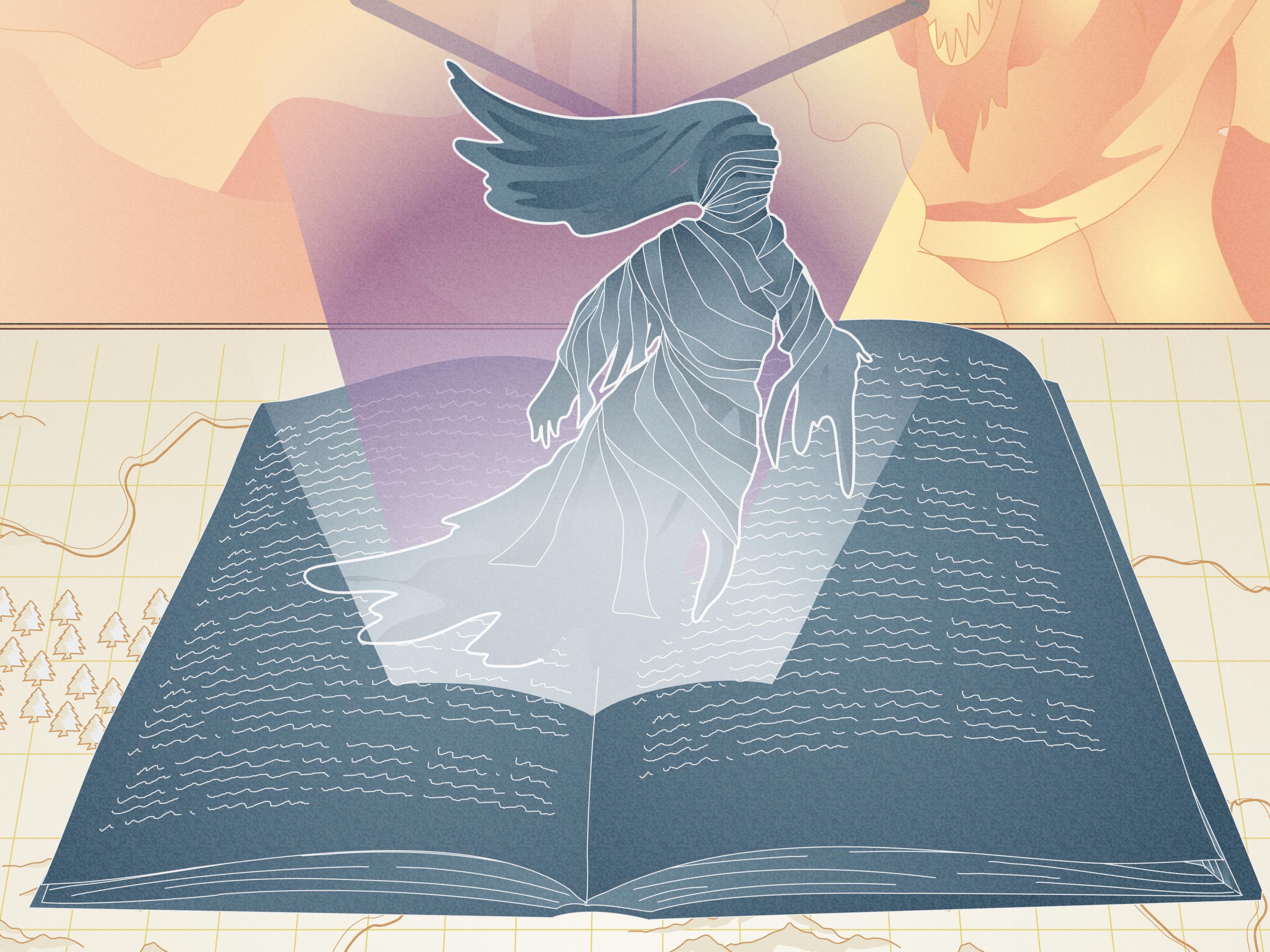

A great D&D one-shot is like a perfect tavern meal: fast to serve, satisfying to finish, and memorable enough that someone at the table keeps quoting the goblin bartender three months later. Unlike a long campaign, a one-shot adventure has one main job: deliver a complete, exciting Dungeons & Dragons story in a single session without requiring everyone to sign a blood pact for the next 18 Saturdays.
Whether you are a brand-new Dungeon Master, a tired forever-DM looking for a break from your main campaign, or a group trying to introduce new players to D&D 5e or the 2024 rules, one-shots are wonderfully flexible. They can be spooky, silly, heroic, tragic, mysterious, combat-heavy, roleplay-focused, or all of the above if your party insists on adopting every monster with big eyes.
This guide covers more than 14 D&D one-shot ideas, practical DM tips, pacing advice, and real table-tested experience to help you run a session that starts strong, moves quickly, and ends before everyone becomes part furniture.
What Is a D&D One-Shot?
A D&D one-shot is a self-contained adventure designed to begin and end in one session. Most one-shots run between two and five hours, though some groups stretch them into a “two-shot,” which is the tabletop equivalent of saying, “This movie is only slightly longer than expected,” and then watching an entire trilogy.
The best one-shot adventures usually have a clear premise, a small location, a focused goal, and a strong ending. Instead of planning ten factions, three kingdoms, a royal bloodline, and a villain with a 47-page diary, the DM builds around one central problem. The party might need to rescue a missing villager, steal a cursed gem, survive a haunted inn, solve a murder, escape a collapsing dungeon, or stop a ritual before midnight.
Why Run a One-Shot Adventure?
One-shots are excellent for new players because they offer a low-pressure way to learn the game. Nobody has to understand every rule before the first roll. A short adventure lets players try ability checks, combat, spellcasting, exploration, and roleplay without feeling like they accidentally enrolled in fantasy law school.
They are also useful for experienced groups. A one-shot can test a new subclass, explore a different setting, fill a week when key campaign players are absent, or give someone else a chance to DM. One-shots are also perfect for conventions, holidays, birthdays, online game nights, and those rare magical evenings when everyone’s calendar actually lines up.
How to Build a Strong D&D One-Shot
Start With One Clear Hook
The hook should tell players what matters immediately. “A dragon attacks the village” is useful. “Political tensions rise in the eastern provinces as trade negotiations collapse” may be realistic, but unless the players are accountants with swords, it needs a sharper point.
Give the party a reason to care: someone is missing, a treasure is available, a town is doomed, a rival is cheating, or a magical problem is getting worse by the hour.
Use a Simple Structure
A reliable one-shot structure looks like this: opening problem, investigation or travel, complication, major encounter, final decision or boss scene, and wrap-up. You do not need to railroad players, but you do need momentum. A one-shot is not the time for a 90-minute debate over whether the tavern soup is suspicious. It is always suspicious. Move along.
Keep the Map Small
Great one-shot locations include a haunted mansion, small village, ruined temple, wizard tower, ship, mine, roadside inn, carnival, crypt, or underground lair. Small spaces are easier to prep and easier for players to understand. A tight location also helps the DM control pacing without constantly saying, “You travel for three more days.”
Give Players Pre-Session Information
Tell players the character level, tone, allowed options, expected session length, and starting situation before game night. If the one-shot is spooky, tell them. If it is goofy, tell them. If the mission involves underwater combat, please tell the plate-armored fighter before they arrive with the swimming ability of a decorative anvil.
14+ D&D One-Shot Ideas for Dungeon Masters
1. The Inn That Eats Guests
The party stops at a cozy roadside inn where the meals are warm, the beds are soft, and the building is technically alive. Guests vanish overnight, doors rearrange themselves, and the cellar contains a pulsing heart made of wood, stone, and bad decisions.
Best for: Horror, mystery, low-level parties.
Twist: The inn is not evil. It is cursed and terrified of the hag living in its chimney.
2. The Goblin Wedding Heist
A goblin clan hires the adventurers to recover a stolen wedding crown before the ceremony begins. Unfortunately, three rival groups also want the crown, and the wedding guests are armed, emotional, and extremely committed to the buffet.
Best for: Comedy, social encounters, chaotic groups.
Encounter idea: A dance contest determines whether the party earns help from the goblin aunties.
3. Murder at the Wizard Academy
A professor has been found polymorphed into a decorative frog, and nobody knows who did it. The suspects include jealous apprentices, a talking portrait, a summoned imp, and the professor’s own future self.
Best for: Mystery, roleplay, investigation.
DM tip: Prepare three clear clues for each major revelation so the adventure does not collapse after one failed Investigation check.
4. The Dragon’s Tax Problem
A young dragon has taken over a mountain pass and demands “fair taxation” from travelers. The local baron wants the dragon removed, but the dragon insists it is simply improving infrastructure. It has even built a toll booth. Badly.
Best for: Moral dilemmas, negotiation, combat alternatives.
Twist: The baron is corrupt, and the dragon’s tolls are funding repairs to villages the baron ignored.
5. The Haunted Toymaker’s Shop
Children’s toys have started wandering through town at night, whispering secrets and stealing silver buttons. The party investigates an abandoned toy shop where the dolls remember every child who ever owned them.
Best for: Spooky atmosphere, puzzle rooms, emotional storytelling.
Finale: The characters must calm a lonely spirit rather than simply smash everything with a face.
6. The Mimic Museum
A wealthy collector invites the heroes to guard a museum exhibit of rare magical objects. The problem: one exhibit is a mimic. The larger problem: many exhibits are mimics. The largest problem: the museum itself may be hungry.
Best for: Paranoia, comedy horror, trap-filled exploration.
DM tip: Use sensory clues before attacks so the game feels tense, not unfair.
7. The Festival of Falling Stars
Once every century, glowing stars fall into a quiet valley. This year, one of them cracks open, releasing a celestial messenger with no memory and a shadowy hunter close behind.
Best for: Fantasy wonder, chase scenes, heroic decisions.
Choice: Do the players protect the messenger, return it to the heavens, or use its power to save the town?
8. Escape From the Collapsing Dungeon
The adventure begins after the treasure has already been taken. Unfortunately, removing the idol awakened the dungeon’s ancient security system. Now the party must escape through traps, monsters, rival thieves, and falling ceilings.
Best for: Fast pacing, action, time pressure.
DM tip: Put a visible countdown on the table. Nothing motivates adventurers like impending architecture.
9. The Trial of the Tiny Tarrasque
A wizard accidentally creates a miniature tarrasque the size of a large dog. It is adorable, indestructible, and chewing through the town’s support beams. The party must decide whether to capture it, protect it, or find the irresponsible wizard.
Best for: Comedy, nonlethal problem-solving, family-friendly games.
Complication: A monster hunter wants to kill it for fame.
10. The Ship That Sails Through Dreams
The party wakes aboard a ghostly ship drifting through a sea of dreams. Each room contains a memory from one character’s past, and the captain needs their help to escape a nightmare kraken.
Best for: Character-driven stories, surreal encounters, emotional roleplay.
DM tip: Ask each player for one fear, one regret, or one strange dream before the session.
11. Kobolds in the Clock Tower
A town’s clock tower has stopped, and time is behaving strangely. Chickens lay eggs before breakfast, conversations repeat, and one guard keeps arresting the same pigeon. Inside the tower, kobolds are repairing something they absolutely did not break. Probably.
Best for: Puzzles, slapstick, light combat.
Finale: The party must restart the magical clock before the same hour loops forever.
12. The Vampire’s Dinner Party
The heroes are invited to a noble’s mansion for dinner. The host is charming, the guests are nervous, and the soup is suspiciously red. The party must discover who is a vampire before dessert, or possibly during dessert, depending on initiative.
Best for: Social deduction, gothic horror, elegant danger.
Twist: The vampire is not the host. It is the butler, because of course it is.
13. The Library Beneath the Lake
A sunken magical library rises from a lake for one night every decade. The party has until dawn to retrieve a lost spellbook while dealing with waterlogged ghosts, animated bookmarks, and rival scholars with waterproof grudges.
Best for: Exploration, puzzles, magical atmosphere.
Reward: A spell, secret, map, or prophecy that can lead into a future campaign.
14. The Bandit Queen’s Last Job
A legendary bandit queen offers the party a deal: help her steal back a relic from the corrupt duke who betrayed her, and she will surrender peacefully. Naturally, the relic is guarded by traps, mercenaries, and one very judgmental owl familiar.
Best for: Heists, moral ambiguity, mixed combat and stealth.
DM tip: Let players plan, but start the action before planning becomes a second campaign.
15. The Village Where No One Can Lie
A strange bell rings over a village, and suddenly nobody can tell a lie. Marriages wobble, merchants panic, children become unstoppable, and a hidden cult is exposed one awkward confession at a time.
Best for: Roleplay, social chaos, investigation.
Question: Is the truth curse harmful, or is it exactly what the village needed?
16. The Arena of Broken Heroes
The party enters a magical arena where retired adventurers test new heroes through combat, riddles, and staged disasters. But one trial goes wrong when an imprisoned fiend hijacks the arena’s enchantments.
Best for: Combat-focused groups, new player tutorials, heroic finales.
Benefit: The arena format naturally explains rules, stakes, and objectives.
17. Delivery Quest From Hell
The adventurers are hired to deliver a sealed box across town. They are told not to open it. Naturally, everyone wants it: thieves, imps, a noble, a priest, and a goose with infernal eyes.
Best for: Urban adventures, chase scenes, comedy.
Twist: The box contains a contract that can free an innocent soul.
18. The Last Campfire Before Winter
Travelers gather at a remote campfire during the first deadly storm of winter. One of them is a monster in disguise, but the monster may not be the true villain. The real threat is what follows the firelight from the woods.
Best for: Survival, suspense, intimate roleplay.
DM tip: Keep the cast small so players remember names and motives.
Tips for Running a Better D&D One-Shot
Choose the Right Level
For new players, levels 1 to 3 are usually easiest. Characters have fewer features, combat moves faster, and everyone can learn the basics without needing a spreadsheet and a snack break. For experienced players, levels 5 to 8 offer more exciting abilities without turning every encounter into magical tax preparation.
Use Pregenerated Characters When Needed
Pregenerated characters save time and help players jump straight into the story. Give each character a simple goal, a useful connection, and one fun detail. For example, the fighter wants to prove they are not afraid of ghosts, the cleric recognizes the cursed symbol, and the rogue owes money to the goblin florist.
Control the Clock
Pacing is the secret boss of every one-shot. Plan fewer encounters than you think you need. A session with three strong scenes is better than a session with nine rushed scenes and a final battle narrated while someone is putting on their shoes.
Make Failure Interesting
A failed roll should not always mean “nothing happens.” Instead, let failure add cost, danger, or complication. The rogue opens the lock but triggers an alarm. The bard persuades the guard but attracts unwanted attention. The wizard identifies the rune but accidentally activates the floor, because wizards and glowing symbols have a complicated relationship.
Prepare Situations, Not Scripts
Players rarely follow the exact path in your notes. That is not a bug; that is D&D. Instead of scripting every scene, prepare locations, NPC goals, clues, threats, and consequences. If the party befriends the skeleton guard instead of fighting it, congratulations: you now have a skeleton guard friend. This is called success, even if your notes are quietly weeping.
Give the Ending Room to Breathe
Many one-shots run long because the middle expands like an ooze in a warm hallway. Protect the ending. The final 20 to 30 minutes should include the last decision, the final blow, the escape, or the emotional resolution. Players remember endings. Give them a good one.
Simple One-Shot Template for DMs
Use this quick template when designing your own D&D one-shot adventure:
- Premise: What urgent problem needs solving?
- Location: Where does the adventure happen?
- Goal: What counts as success?
- Complication: What makes the mission harder?
- NPCs: Who helps, lies, begs, threatens, or gets in the way?
- Encounters: What are the three to five major scenes?
- Twist: What changes the players’ understanding?
- Finale: What dramatic choice or confrontation ends the story?
- Reward: What do players gain besides coins and emotional damage?
Common One-Shot Mistakes to Avoid
Too Much Lore
Your world may have 4,000 years of history, but the players only need what helps them act now. Lore is seasoning. Do not serve it as the soup.
Too Many NPCs
Keep supporting characters distinct and useful. Three memorable NPCs are better than twelve names that sound like rejected furniture brands.
Overcomplicated Villains
A one-shot villain should have a clear motive. Greed, revenge, fear, hunger, duty, love, or desperation works. “They are evil because evil” can work for a demon, but even demons benefit from hobbies.
No Time Pressure
A deadline keeps the game moving. Use a ritual at midnight, a collapsing dungeon, a rival team, a spreading curse, a departing ship, or a monster that grows stronger each hour.
DM Experience: What Actually Works at the Table
In practice, the best D&D one-shots are rarely the ones with the most elaborate lore. They are the ones where players understand the mission quickly and start making choices within the first 10 minutes. A strong opening is incredibly valuable. Instead of beginning with a long tavern conversation, try starting in motion: the characters are already at the haunted gate, already chasing the thief, already standing before the suspicious duke, or already locked in the dungeon with the alarm bells ringing.
One lesson many Dungeon Masters learn the hard way is that players will spend more time on small details than expected. A locked door can become a philosophical crisis. A suspicious chicken can become the emotional center of the session. A random shopkeeper voice can turn into a recurring legend. This is why flexible prep beats rigid plotting. Prepare what the villain wants, what the location contains, and what happens if nobody intervenes. Then let the table surprise you.
Another useful experience: one-shots work better when every character has a reason to join the adventure. This does not require a tragic backstory involving seven lost siblings and a moonlit oath. A simple motivation is enough. Maybe the paladin wants to protect the village, the rogue wants the reward, the druid senses unnatural magic, and the wizard heard there might be a book. Suddenly, the party has personal momentum.
Combat also needs special care. In a campaign, a slow fight can still be part of a larger journey. In a one-shot, one slow fight can eat half the session like a gelatinous cube with scheduling issues. Use fewer enemies, clearer terrain, and objectives beyond “reduce every creature to zero hit points.” Add levers, hostages, unstable bridges, ritual circles, burning curtains, or a villain trying to escape. Dynamic fights feel faster because players have meaningful choices besides attacking the nearest sack of hit points.
For mysteries, always provide extra clues. Players miss clues because they are joking, cautious, unlucky, distracted, or convinced the decorative skull is the main villain. Place important information in multiple scenes and formats. A clue might appear as a witness statement, a strange wound, a magical residue, and a hidden letter. This keeps the mystery moving without forcing the DM to rescue the plot with a glowing arrow labeled “PLEASE INVESTIGATE HERE.”
Finally, remember that a one-shot does not need a perfect ending. It needs a satisfying one. Let the heroes win, lose, bargain, escape, or change the situation in a meaningful way. If the goblin wedding ends with the crown recovered, the cake exploding, and the barbarian legally adopted into the clan, that is not a derailment. That is the story everyone came to tell.
Conclusion
D&D one-shots are one of the best tools a Dungeon Master can keep ready. They help new players learn, give experienced players fresh challenges, and let groups enjoy complete adventures without long-term scheduling doom. The key is focus: one strong hook, one clear goal, a small cast, a manageable location, and a finale that gives players a chance to be clever, heroic, ridiculous, or all three.
Use the ideas in this guide as written, remix them for your campaign world, or combine two concepts into something wonderfully strange. A vampire dinner party inside a mimic museum? Absolutely. A tiny tarrasque loose at a goblin wedding? Dangerous, adorable, and probably illegal in six kingdoms. That is the joy of Dungeons & Dragons: the best stories are the ones your table creates together.