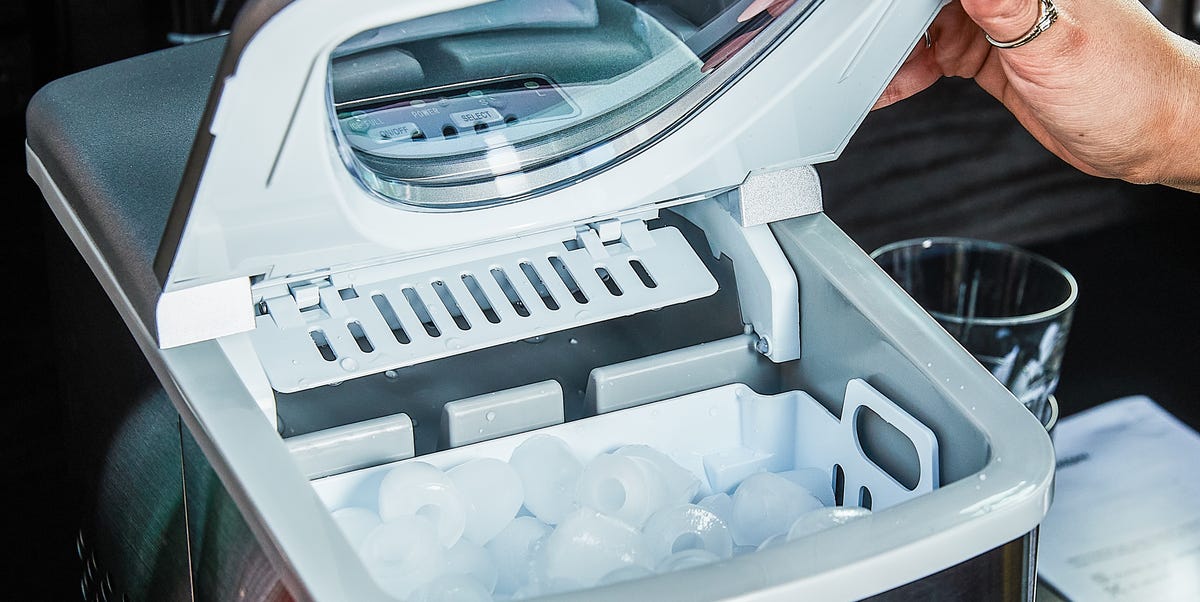

Nugget ice is the celebrity of the freezer world. It is soft, chewable, drink-friendly, and somehow makes iced coffee feel like it came from a boutique café where the barista knows your dog’s name. But when your nugget ice maker starts producing sad little pellets, strange-tasting ice, or a noise that sounds like a tiny dishwasher arguing with itself, there is a good chance it needs one thing: descaling.
Descaling a nugget ice maker removes mineral buildup, especially calcium and limescale, from the internal water system. This buildup usually comes from hard water. Over time, those minerals cling to the water lines, reservoir, sensors, evaporator areas, and ice chute. The result is slower ice production, cloudy or flaky ice, odd tastes, and extra stress on the machine. In other words, scale is not just cosmetic. It is the crunchy villain hiding behind your crunchy ice.
The good news? Learning how to descale a nugget ice maker is easier than most people expect. You do not need to be an appliance technician, own a tool belt, or speak fluent “error code.” With the right descaling solution, a few rinse cycles, and a little patience, you can help your ice maker run cleaner, quieter, and more efficiently.
What Does Descaling a Nugget Ice Maker Mean?
Descaling is the process of dissolving mineral deposits inside your ice maker. These deposits often appear as chalky white residue, cloudy film, or crusty flakes. If you live in an area with hard water, your nugget ice maker may need descaling more often because hard water contains higher levels of minerals such as calcium and magnesium.
It is important to understand that descaling is not exactly the same as cleaning or sanitizing. Cleaning removes dirt, residue, and grime. Sanitizing helps reduce bacteria and other microorganisms on food-contact surfaces. Descaling targets mineral buildup. A good maintenance routine may include all three, but they are not interchangeable. Bleach may sanitize, but it does not remove limescale well. Vinegar or an approved ice machine cleaner may descale, but it is not always a complete sanitizer unless the product label says so.
Since ice is consumed directly, your ice maker should be treated like food equipment, not like a mysterious countertop gadget that magically makes frozen pebbles. The water reservoir, ice bin, scoop, chute, and removable parts all deserve regular attention.
Signs Your Nugget Ice Maker Needs Descaling
Your ice maker will often drop hints before it gives you a dramatic performance worthy of a home appliance soap opera. Here are the most common signs that it is time to descale:
1. Ice Production Slows Down
If your machine used to fill the basket quickly but now takes forever, mineral buildup may be restricting water flow or making the freezing process less efficient. Nugget ice makers rely on steady water movement, so even a thin layer of scale can affect performance.
2. The Ice Tastes Strange
Fresh nugget ice should taste neutral and clean. If it tastes stale, metallic, sour, or “like the inside of a forgotten water bottle,” mineral buildup or old water residue may be part of the problem. Descaling, rinsing, and replacing water filters can often improve flavor.
3. You See White Flakes or Chalky Residue
White flakes in the reservoir, bin, or ice are a classic sign of mineral scale. These flakes are often harmless mineral deposits, but nobody wants mystery confetti in their lemonade.
4. The Machine Sounds Louder Than Usual
Nugget ice makers are not silent, but they should not sound like they are training for a rock concert. Grinding, struggling, squeaking, or louder-than-normal water movement may mean scale is interfering with internal parts.
5. Ice Comes Out Smaller, Wetter, or Softer Than Normal
Nugget ice is supposed to be soft and chewable, but it should still hold its shape. If the texture suddenly changes, the machine may not be freezing efficiently because mineral deposits are affecting the system.
How Often Should You Descale a Nugget Ice Maker?
Most countertop nugget ice makers should be descaled every one to three months, depending on use and water quality. If you use your machine daily, have hard water, or notice visible buildup, descale more often. If you use filtered or distilled water and only run the machine occasionally, you may be able to stretch the interval longer.
Always check your owner’s manual first. Some brands recommend a specific schedule, solution type, cycle length, or button sequence. For example, some models use a dedicated clean button, while others require you to hold a power or cleaning button for a few seconds. Built-in or commercial-style nugget ice machines may require a more detailed cleaning cycle and a manufacturer-approved scale remover.
A simple rule: do not wait until the ice tastes weird. If the machine is part of your daily coffee, smoothie, soda, or hydration routine, make descaling a regular calendar habit. Future you will be grateful, and your drinks will stop tasting like they were chilled with tiny limestone souvenirs.
What You Need Before You Start
Before descaling your nugget ice maker, gather your supplies. Having everything ready keeps the process smooth and prevents the classic cleaning mistake of realizing halfway through that your only clean towel is currently on the dog.
- Your ice maker’s owner’s manual
- White vinegar or a manufacturer-approved ice machine cleaner
- Clean warm water
- A soft cloth or sponge
- A small soft brush for corners and the ice chute
- A towel for spills
- Mild dish soap for removable parts
- Food-safe sanitizer, if recommended by your manual
- Gloves, especially if using commercial descaler
White vinegar is a common household descaling option for many countertop ice makers, but it is not universal. Some manufacturers recommend specific cleaning kits or scale removers. If your manual says to use a certain product, follow that guidance. Commercial ice machine cleaners can be stronger than vinegar, so never guess the amount. Read the label, dilute properly, and rinse thoroughly.
How to Descale a Nugget Ice Maker Step by Step
The exact steps may vary by brand, but the general process is similar for many countertop nugget ice makers. Use the instructions below as a practical guide, then adjust based on your model’s manual.
Step 1: Turn Off, Unplug, and Empty the Ice Maker
Start by turning off the nugget ice maker. If you will be removing parts, wiping internal areas, or draining the machine manually, unplug it first. Remove all ice from the bin and discard it. Do not save old ice while cleaning. It may contain loosened minerals, stale water residue, or cleaning solution later in the process.
Drain the water reservoir according to your machine’s instructions. Many countertop models have drain plugs or tubes. Place a bowl or towel nearby because water has a magical talent for going exactly where you did not expect.
Step 2: Remove and Wash Removable Parts
Take out the ice basket, scoop, drip tray, side tank, or other removable pieces if your model has them. Wash these parts by hand with warm water and mild dish soap. Rinse well and let them air-dry. Avoid putting plastic parts in the dishwasher unless the manual clearly says they are dishwasher-safe.
Use a soft cloth to wipe the inside of the ice bin and reservoir. If you see chalky white buildup, do not attack it with a metal scraper. Nugget ice makers are not cast-iron skillets. Use a soft brush, vinegar solution, or approved cleaner instead.
Step 3: Prepare the Descaling Solution
For many countertop models, white vinegar mixed with water or used according to the manual can help dissolve mineral deposits. Some machines call for warm vinegar, while others require a specific ratio of vinegar to water. Manufacturer-approved ice machine cleaners may also be used, especially for stubborn scale.
If using a commercial descaler, follow the product label exactly. More cleaner does not mean better cleaning. It can mean extra rinsing, unpleasant taste, or possible damage to parts. Never mix vinegar with bleach, sanitizer, or other chemicals. The only chemistry experiment happening here should be the beautiful transformation of water into chewable ice.
Step 4: Fill the Reservoir
Pour the descaling solution into the water reservoir up to the recommended fill line. Do not overfill. If your machine has a side tank, check whether the manual recommends cleaning it separately. Side tanks can collect mineral deposits too, especially around valves and connection points.
If there is visible buildup near the ice chute, sensors, or reservoir corners, dampen a cloth with descaling solution and gently wipe those areas. Some models benefit from soaking a towel in vinegar and placing it near the ice chute for stubborn deposits, but only do this if it is safe for your design and does not block or damage moving parts.
Step 5: Run the Cleaning or Descaling Cycle
Plug the machine back in if required for the cleaning cycle. Select the clean or descale mode according to your model’s instructions. Many nugget ice makers circulate the solution through internal water lines during this cycle. Let the full cycle finish. Do not interrupt it unless the manual tells you to drain and repeat.
For heavy scale, you may need to run more than one cleaning cycle. Some machines allow repeated cleaning cycles with the same solution before draining, while others recommend fresh solution each time. Follow the manual. The goal is to dissolve mineral buildup without leaving cleaner behind.
Step 6: Let the Solution Soak if Needed
If the machine has stubborn mineral buildup, soaking can help. Vinegar works slowly compared with stronger descalers, so it may need more contact time. A longer soak can loosen deposits in the reservoir, chute, and internal pathways. However, do not leave any solution in the machine longer than the manufacturer recommends.
For built-in or commercial-style nugget ice machines, the descaling process may involve running the machine while maintaining a certain solution level, then cleaning the bin liner and water-contact surfaces afterward. These models often require a specific nickel-safe or manufacturer-approved ice machine cleaner.
Step 7: Drain the Descaling Solution
Once the cycle or soak is complete, drain the solution completely. Remove drain caps or tubes carefully and direct the liquid into a sink or container. If the solution looks cloudy or contains white flakes, that is a sign the descaler did its job. Congratulations: your ice maker just shed its mineral sweater.
Wipe the reservoir and bin again with a clean damp cloth. Pay attention to corners, seams, and areas where loosened scale may collect.
Step 8: Rinse Thoroughly
Rinsing is not optional. It is the difference between fresh ice and ice that tastes like salad dressing. Fill the reservoir with clean water and run at least two rinse cycles, or more if your manual recommends it. Drain after each cycle.
After the rinse cycles, smell the reservoir. If you still detect vinegar or cleaner, rinse again. Commercial descalers especially need complete rinsing. The final water should smell neutral and look clear.
Step 9: Make and Discard the First Batch of Ice
After descaling and rinsing, refill the reservoir with fresh water and make a batch of ice. Discard the first batch. Some owners discard the first two batches, especially after using a strong cleaner. This helps remove any lingering taste or loosened residue.
Once the ice tastes clean and looks normal, your nugget ice maker is ready to return to its noble purpose: making every drink more fun.
Should You Use Vinegar or Ice Machine Cleaner?
Both options can work, but they are not identical. White vinegar is affordable, easy to find, and gentle enough for many countertop ice makers. It is a popular choice for routine descaling. The downside is that vinegar may need longer contact time and repeated cycles for heavy mineral buildup.
Ice machine cleaner is designed specifically to dissolve scale inside ice equipment. It may work faster and more effectively, especially on stubborn deposits. However, it must be diluted and handled correctly. Some cleaners are acidic and require gloves, careful measuring, and thorough rinsing.
The best choice is the one your manufacturer recommends. If your manual allows vinegar, it is a good routine option. If your machine has serious scale, slow production, or repeated cleaning alerts, an approved cleaner may be more effective.
Common Mistakes to Avoid
Using Bleach to Descale
Bleach can sanitize when properly diluted and approved for the surface, but it is not a descaler. It will not effectively dissolve limescale. Use descaler for minerals and sanitizer for microbes.
Skipping the Rinse Cycles
Rinse cycles are essential. Leftover vinegar or cleaner can affect taste and may not be safe to consume. If the ice smells odd after cleaning, keep rinsing and discard more ice.
Ignoring the Ice Chute
The chute is easy to forget because it is not always visible. Mineral deposits, residue, and moisture can collect there. Wipe it gently with a soft cloth or brush according to your manual.
Using Abrasive Tools
Steel wool, hard scrapers, and harsh scouring pads can scratch plastic and metal surfaces. Scratches create places for residue to cling later. Gentle cleaning wins.
Waiting Too Long Between Cleanings
If you wait until the machine struggles, descaling becomes harder. A regular schedule prevents major buildup and keeps ice tasting better.
How to Reduce Scale in the Future
You cannot completely escape minerals unless you control your water source, but you can reduce buildup with a few smart habits.
- Use filtered water if your tap water is hard.
- Consider distilled water if your manufacturer allows it.
- Empty old water instead of letting it sit for days.
- Keep the ice bin and scoop clean.
- Dry removable parts before reinstalling them.
- Replace water filters on schedule if your model uses them.
- Descale before performance drops noticeably.
Filtered water can improve taste and reduce sediment, though not every filter removes all minerals. Distilled water contains fewer minerals, but some machines may rely on certain water characteristics to sense water levels correctly, so always check the manual before switching.
Brand-Specific Descaling Notes
GE Opal Nugget Ice Makers
Many GE Opal models include a cleaning mode and may allow white vinegar or an Opal cleaning kit. The process usually includes filling the reservoir, running cleaning cycles, draining, rinsing, and discarding the first ice. Some instructions also recommend extra contact time for vinegar when mineral buildup is stubborn.
Scotsman Nugget Ice Machines
Scotsman nugget machines often use a dedicated scale remover and a more structured maintenance process. These machines may require removing panels, running a specific descaling mode, cleaning the bin liner, and sanitizing after scale removal. Because Scotsman machines are often built-in or higher-capacity units, following the exact model instructions is especially important.
Newair and Frigidaire Countertop Ice Makers
Many countertop machines from brands like Newair and Frigidaire emphasize unplugging, draining, cleaning removable parts, and using self-cleaning features when available. Some models are nugget-style, while others make bullet or clear ice, so do not assume the same cycle applies to every machine.
Smart Nugget Ice Makers
Some newer smart ice makers include app reminders, cleaning alerts, or self-cleaning cycles. These features are helpful, but they do not eliminate the need for proper descaling solution, draining, rinsing, and discarding the first batch of ice.
Troubleshooting After Descaling
If your nugget ice maker still has issues after descaling, do not panic. Try these checks before assuming the machine is finished:
- Make sure the reservoir is filled to the correct level.
- Check that drain plugs are fully closed.
- Clean the ice bin sensor if your model has one.
- Replace or rinse the water filter if applicable.
- Confirm the machine has enough ventilation.
- Run additional rinse cycles if the ice tastes like vinegar.
- Repeat descaling if visible scale remains.
If the machine still produces little or no ice, leaks, displays an error code, or makes harsh grinding noises, contact the manufacturer or a qualified appliance technician. Mineral buildup is common, but it is not the only possible problem.
Experience-Based Tips for Descaling a Nugget Ice Maker
Here is where real-life nugget ice ownership gets a little less glamorous and a lot more useful. The first thing many owners learn is that the machine may look clean on the outside while quietly building a tiny mineral cave inside. The front panel can shine like a showroom appliance, the ice bin can look innocent, and yet the reservoir may still have chalky film around the edges. That is why a quick wipe is not the same as a proper descale.
One practical experience is to schedule descaling around your actual ice habits. If you run the ice maker every day for iced coffee, protein shakes, water bottles, and late-night soda refills, a three-month schedule may be too relaxed, especially with hard tap water. A monthly light descale may prevent bigger problems. On the other hand, if the machine only comes out for weekends or parties, cleaning before storage and again before heavy use may be enough.
Another lesson: the first rinse is never enough when vinegar is involved. Vinegar is useful, but it has a personality. It likes to linger. After one rinse cycle, the reservoir may look clean, but the first batch of ice can still carry a faint tang. Run multiple rinse cycles and smell the reservoir before making ice for drinks. If it smells like a pickle had a spa day, keep rinsing.
Pay close attention to the ice chute and sensors. Many people clean the reservoir and basket but forget the path the ice travels through before landing in the bin. That area can collect moisture, scale, and residue. A soft brush or cloth can make a noticeable difference. Do not force anything into tight areas, but do not ignore them either.
Water choice also matters more than most people expect. If your tap water leaves spots on glasses, faucets, or shower doors, it will probably leave deposits in your nugget ice maker too. Filtered water can reduce taste problems and slow buildup. Distilled water can reduce minerals even more, but only use it if your model supports it. Some machines can act strangely with very low-mineral water.
A helpful habit is to keep a small maintenance log. It does not need to be fancy. Write the date you descaled, what solution you used, how many rinse cycles you ran, and whether the ice tasted normal afterward. After a few rounds, you will know your machine’s rhythm. That is much better than waiting for it to wheeze dramatically during a party.
Finally, do not underestimate the scoop. A clean machine paired with a dirty scoop is like brushing your teeth and then eating crackers in bed. Wash the scoop regularly, store it outside the ice when possible, and keep hands out of the bin. Nugget ice is delicious, but it is still food. Treating the machine like food equipment keeps every glass cleaner, fresher, and more enjoyable.
Conclusion
Descaling a nugget ice maker is one of those small home maintenance tasks that pays off quickly. It improves ice taste, helps restore production speed, reduces mineral flakes, and may extend the life of your machine. The process is simple: empty the machine, wash removable parts, run a proper descaling cycle, drain, rinse thoroughly, and discard the first batch of ice.
The most important advice is to follow your specific model’s manual. Nugget ice makers may look similar, but cleaning cycles, solution ratios, and soak times vary by brand. Use vinegar only when allowed, choose approved ice machine cleaner for heavier scale, and never mix chemicals. Keep a regular schedule, use better water when possible, and your nugget ice maker will reward you with clean, chewable ice that makes every drink feel slightly more exciting than it has any right to be.