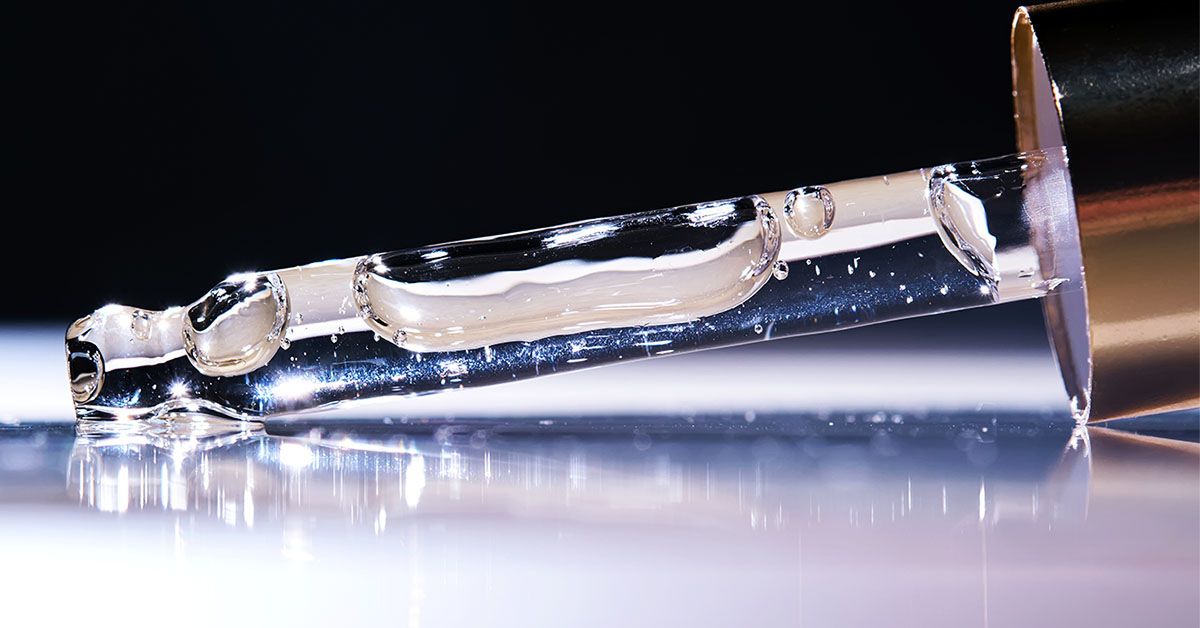

If your nails chip the moment you look at a keyboard, your cuticles feel like tiny pieces of parchment paper, or hangnails appear with the enthusiasm of uninvited guests, cuticle oil may be the quiet hero your hands have been waiting for. It is small, inexpensive, easy to use, and surprisingly powerful when used consistently. No, it will not turn your nails into diamond-tipped talons overnight. But it can help your cuticles look smoother, feel softer, and support a healthier nail-care routine.
Cuticle oil is a moisturizing oil designed for the skin around the nail, especially the cuticle area at the base of the nail plate. This delicate skin helps protect the nail matrix, where nail growth begins. When cuticles become dry, cracked, or damaged, nails can look rough and feel more fragile. A few drops of nourishing oil can make a big difference, especially if your hands face frequent washing, dry weather, nail polish remover, salon services, cleaning products, or everyday life in general.
In this guide, you will learn why cuticle oil deserves a place in your nail care routine, which ingredients work well, how to apply it correctly, and how to make your own DIY cuticle oil at home without needing a chemistry degree or a glitter-covered laboratory.
What Is Cuticle Oil?
Cuticle oil is a lightweight moisturizing treatment made with plant-based oils, vitamins, and sometimes fragrance or essential oils. Its main job is to condition the cuticles and surrounding nail area. Common ingredients include jojoba oil, sweet almond oil, grapeseed oil, sunflower oil, avocado oil, vitamin E oil, and occasionally lavender or tea tree essential oil in very small, properly diluted amounts.
The best cuticle oils absorb easily without leaving your fingers so greasy that you cannot touch your phone, type an email, or open a snack bag without dramatic consequences. Thinner oils such as jojoba, grapeseed, and sunflower oil are popular because they spread well and soak in quickly. Richer oils, such as coconut or castor oil, can still be useful but may feel heavier.
Why Cuticles Matter More Than You Think
Your cuticles are not random skin decorations. They help seal the space between the skin and the nail plate, creating a natural barrier against irritants and germs. When cuticles are picked, bitten, cut too aggressively, or allowed to become extremely dry, the area can become irritated and more vulnerable to small tears.
This is one reason many dermatology sources advise against cutting or removing cuticles. Trimming a loose hangnail carefully is different from removing living cuticle tissue. The first is maintenance; the second can open the door to irritation, redness, pain, and possible infection. In other words, your cuticles are not the enemy. They are tiny bodyguards wearing invisible uniforms.
Top Benefits of Using Cuticle Oil
1. It Helps Reduce Dryness and Cracking
Dry cuticles are often caused by cold weather, low humidity, frequent handwashing, alcohol-based sanitizers, chlorine, cleaning chemicals, nail polish remover, and repeated exposure to water. Cuticle oil helps soften the skin and reduce the tight, rough feeling that makes people want to pick at their cuticles. That alone is a win, because picking usually turns a small problem into a finger-sized soap opera.
2. It Can Help Prevent Hangnails
Hangnails are small, torn pieces of skin near the nail. They may look tiny, but they can hurt like they have their own legal department. Keeping the cuticle area moisturized makes the surrounding skin more flexible and less likely to split. If you already have a hangnail, do not pull it. Clip it carefully with clean nail scissors or clippers, then moisturize the area.
3. It Supports a Healthier Nail Environment
Cuticle oil does not magically make nails grow at superhero speed. Nail growth is influenced by genetics, age, nutrition, health, and overall nail care habits. However, hydrated cuticles and flexible nail edges can reduce breakage, which may help your nails appear to grow longer over time because they are not snapping off every few days.
4. It Makes Nails Look Better Instantly
One of the most satisfying benefits of cuticle oil is the immediate visual upgrade. A drop of oil can make dull nails look shinier, dry cuticles look smoother, and an at-home manicure look more polished. It is like putting a flattering filter on your fingertips, except it is real and does not require ring-light negotiation.
5. It Can Extend the Fresh Look of a Manicure
Dry cuticles can make even a beautiful manicure look older than it is. Regular cuticle oil helps maintain a neat, conditioned appearance around polish, gel, dip powder, or natural nails. It can also help reduce the brittle feeling that sometimes follows polish removal, especially if acetone has been involved.
6. It Encourages a Mindful Nail-Care Habit
Cuticle oil takes less than one minute to apply, but it creates a useful daily pause. Massaging it in encourages you to notice changes in your nails, such as redness, swelling, unusual discoloration, tenderness, lifting, or persistent changes in shape or texture. Those signs may need professional attention, especially if they do not improve.
Who Should Consider Using Cuticle Oil?
Almost anyone can benefit from cuticle oil, but it is especially useful for people who wash their hands frequently, work with cleaning products, live in dry climates, garden, swim, use gel manicures, wear acrylics, remove polish often, or have naturally dry skin. It is also helpful for people who want their natural nails to look clean and glossy without wearing polish.
If you have eczema, allergies, very sensitive skin, or a history of reactions to fragrance, choose a fragrance-free formula and avoid essential oils. Natural does not always mean gentle. Poison ivy is natural too, and nobody invites it to brunch.
How Often Should You Use Cuticle Oil?
For most people, once daily is a good starting point. Bedtime is ideal because the oil can sit on the skin longer without being immediately washed away. If your cuticles are very dry, apply it two or three times daily, especially after handwashing or showering. Keep a bottle near your sink, desk, nightstand, or wherever you will actually use it. The best cuticle oil is not the fanciest one; it is the one you remember to apply.
How to Apply Cuticle Oil Correctly
- Start with clean, dry hands.
- Apply one small drop of oil to each cuticle area.
- Massage the oil around the base and sides of each nail.
- Rub any extra oil over the nail plate and fingertip skin.
- Follow with hand cream if your skin is very dry.
If you plan to polish your nails, apply cuticle oil after the polish is dry, not before. Oil on the nail plate can interfere with polish adhesion. For bare nails, apply anytime.
Best Ingredients for DIY Cuticle Oil
Jojoba Oil
Jojoba oil is one of the best carrier oils for cuticles because it is lightweight, stable, and absorbs nicely. It has a silky texture and does not usually feel heavy. Many commercial cuticle oils use jojoba as a star ingredient for exactly that reason.
Sweet Almond Oil
Sweet almond oil is rich and conditioning, making it a good choice for dry cuticles. It feels slightly more nourishing than grapeseed oil but still spreads easily. Avoid it if you have a nut allergy or are unsure about your sensitivity.
Grapeseed Oil
Grapeseed oil is light, affordable, and fast-absorbing. It works well for people who dislike greasy textures. It is also easy to blend with other oils.
Vitamin E Oil
Vitamin E oil is often added to nail and cuticle products because it helps condition the skin and can support a smoother feel. Since pure vitamin E oil can be sticky, use only a small amount in a blend.
Essential Oils
Lavender, rose, lemon, and tea tree essential oils are sometimes used for scent. However, essential oils are concentrated and can irritate skin if used improperly. For cuticle oil, fragrance is optional, not necessary. If you have sensitive skin, skip essential oils completely.
DIY Cuticle Oil Recipe: Simple Nourishing Blend
This beginner-friendly recipe makes about one ounce of cuticle oil.
Ingredients
- 2 teaspoons jojoba oil
- 2 teaspoons sweet almond oil or grapeseed oil
- 1 teaspoon sunflower oil or avocado oil
- 3 to 5 drops vitamin E oil
- Optional: 1 drop lavender essential oil for scent
Instructions
- Clean and dry a small glass dropper bottle or empty nail oil bottle.
- Add the jojoba oil, sweet almond or grapeseed oil, and sunflower or avocado oil.
- Add vitamin E oil.
- If using essential oil, add only one drop.
- Close the bottle and shake gently for 20 seconds.
- Label the bottle with the date.
- Store in a cool, dark place and use within three to six months.
Before applying the blend to all your nails, do a patch test on a small area of skin. Wait 24 hours. If you notice redness, itching, burning, or swelling, do not use it.
DIY Cuticle Oil Recipe for Very Dry Cuticles
If your cuticles are extremely dry, try a richer blend:
- 1 tablespoon jojoba oil
- 1 tablespoon avocado oil
- 1 teaspoon castor oil
- 4 drops vitamin E oil
This version is thicker, so it is best for nighttime. Apply it before bed, massage it in, and follow with hand cream. If you want to go full hand-spa mode, wear cotton gloves for 20 to 30 minutes. Yes, you may look like you are about to inspect a museum artifact, but your cuticles will appreciate the drama.
What to Avoid in Cuticle Care
Good cuticle care is partly about what you do and partly about what you stop doing. Avoid cutting your cuticles aggressively, biting your nails, picking at peeling skin, pulling hangnails, using harsh polish remover too often, and cleaning without gloves. Repeated water exposure and detergents can dry the nail area, so cotton-lined rubber gloves are helpful for dishwashing and cleaning.
Also be careful with heavily fragranced products. Fragrance can be irritating for sensitive skin, even when it smells like a luxury garden had a baby with a spa candle. If your skin reacts easily, choose simple, fragrance-free oils.
When Cuticle Oil Is Not Enough
Cuticle oil is a cosmetic care product, not a medical treatment. If you have swelling, pus, severe pain, bleeding, a dark streak under the nail, nail lifting, sudden thickening, persistent discoloration, or changes that do not improve, speak with a healthcare professional or dermatologist. Nails can sometimes show signs of infection, injury, skin conditions, or other health concerns.
Common Cuticle Oil Mistakes
Using Too Much
You only need a small drop per nail. If your fingers are sliding across your phone screen like buttered noodles, you used too much.
Applying Once and Expecting a Miracle
Cuticle oil works best with consistency. Think of it like brushing your teeth. One heroic session does not replace a routine.
Forgetting the Sides of the Nails
The skin along the sides of the nail can become dry and rough too. Massage oil around the entire nail border, not just the base.
Using Essential Oils Undiluted
Never apply undiluted essential oils directly to your cuticles. They are potent and may irritate the skin. In DIY cuticle oil, one drop per ounce is plenty for fragrance, and skipping essential oils is perfectly fine.
Real-Life Experiences: What Using Cuticle Oil Actually Feels Like
The first thing many people notice after using cuticle oil is not stronger nails. It is softness. The skin around the nails stops feeling tight, especially after washing hands. That matters because dry cuticles often trigger the urge to pick. Once the skin feels smoother, there is less temptation to “fix” it with your teeth, which is a terrible idea but a very human one.
A common experience is the desk-bottle effect. Someone buys cuticle oil, puts it in a drawer, forgets it exists, and sees no results. Then they move it beside their keyboard or nightstand and suddenly use it every day. Within a week or two, the nail area looks neater. The improvement is not cinematic. No orchestra plays. But the difference is visible: fewer ragged edges, less peeling skin, and a healthier shine.
People who get gel manicures often notice that cuticle oil helps their manicure look fresher between appointments. The polish may still grow out, of course, because biology keeps doing its job, but the surrounding skin looks less dry. That can make a two-week-old manicure look intentionally maintained rather than abandoned in a tiny nail desert.
For people who cook, garden, clean, or wash dishes often, cuticle oil can become a recovery step. After chores, hands may feel stripped and dry. Applying oil, then hand cream, creates a simple one-two routine: oil softens the cuticle area, and cream helps comfort the broader skin surface. This is especially useful at night because the product has more time to sit before the next round of soap, water, and life.
Another relatable experience is discovering that expensive cuticle oil is not always necessary. A simple homemade blend of jojoba oil, grapeseed oil, and vitamin E can feel just as pleasant as many store-bought options. The advantage of making your own is control. You can skip fragrance, adjust the texture, and refill a small brush pen or dropper bottle. The disadvantage is that DIY products require cleanliness and common sense. Use clean containers, do not add water, do not dip dirty fingers into the bottle, and throw the blend away if it smells odd or changes texture.
The best results usually come from pairing cuticle oil with better habits. Wear gloves when cleaning. Stop pulling hangnails. File nails gently. Moisturize after washing. Avoid treating nails like box cutters, soda-can openers, or emergency screwdrivers. Cuticle oil is helpful, but it cannot fully compete with daily nail abuse. It is a moisturizer, not a tiny construction helmet.
Over time, consistent use can make nail care feel less like damage control and more like maintenance. Your nails may still break occasionally. Your cuticles may still get dry in winter. But the overall look and feel of your hands can improve. That is the real beauty of cuticle oil: it is simple, affordable, and realistic. You do not need a complicated routine. You just need a few drops, a little massage, and the patience to let small habits do their quiet work.
Conclusion
Cuticle oil is one of the easiest upgrades you can add to your nail care routine. It helps moisturize dry cuticles, soften rough skin, reduce the appearance of hangnails, and support a healthier-looking manicure. It is especially useful if your hands are exposed to frequent washing, dry weather, cleaning products, polish remover, or salon services.
Making your own cuticle oil is simple. Start with lightweight carrier oils like jojoba, grapeseed, or sweet almond oil, add a small amount of vitamin E, and keep fragrance optional. Apply daily, massage it in, and pair it with gentle nail habits. Your cuticles do not need punishment, cutting, or complicated rituals. They need moisture, protection, and maybe a little bedtime attention.