
Turmeric has officially entered the beauty chat. The golden-yellow spice that gives curry its glow has become a favorite in face masks, serums, teas, supplements, and TikTok bathroom experiments that sometimes end with a very surprised person staring at a yellow-stained face. But when it comes to acne, does turmeric actually helpor is it just another pantry ingredient wearing a lab coat?
The short answer: turmeric may offer some acne-friendly benefits because of curcumin, its best-known active compound. Curcumin has anti-inflammatory and antioxidant properties, and early research suggests it may have antimicrobial activity. That sounds promising because acne is driven by clogged pores, excess oil, bacteria, and inflammation. However, turmeric is not a proven standalone acne treatment, and it is not a replacement for dermatologist-recommended options like benzoyl peroxide, topical retinoids, salicylic acid, azelaic acid, or prescription therapy.
Think of turmeric as a possible supporting characternot the superhero who flies in and clears cystic acne overnight. Used wisely, it may help calm redness or complement a gentle acne routine. Used recklessly, it may irritate skin, trigger itching, stain towels, and make your face look like it lost a wrestling match with mustard.
What Is Turmeric?
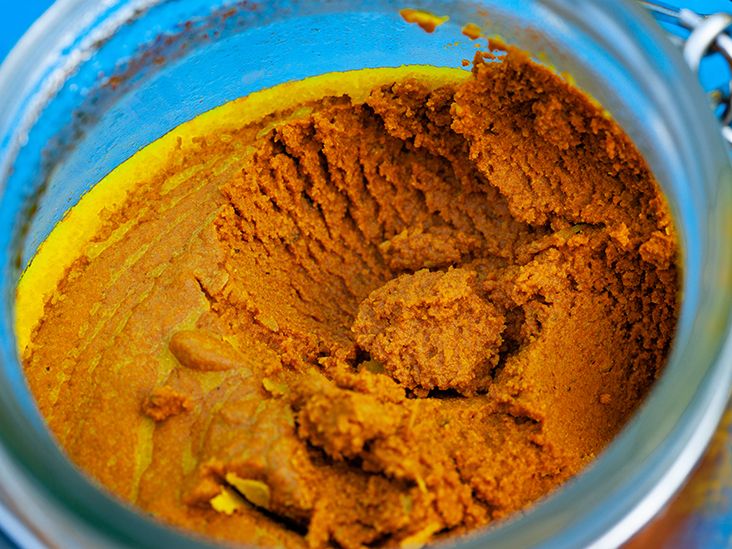
Turmeric is a bright yellow-orange spice made from the root of Curcuma longa, a plant related to ginger. It has been used for centuries in cooking and traditional wellness practices. Its color comes mostly from curcuminoids, a group of natural compounds. Curcumin is the most studied of these compounds and is the ingredient most often linked to turmeric’s potential anti-inflammatory effects.
In skin care, turmeric appears in several forms: raw powder, DIY masks, soaps, creams, serums, spot treatments, and oral supplements. These forms are not equal. A professionally formulated turmeric skin product is very different from mixing kitchen spice with water and hoping your pores behave themselves. Formulation matters because curcumin does not dissolve well in water, can be unstable, and may be poorly absorbed through the skin or digestive system unless it is prepared in a specific way.
How Acne Forms: The Quick Skin Science
Acne is not caused by “dirty skin,” which is good news for anyone who has ever washed their face like they were scrubbing a frying pan and still woke up with a pimple. Acne develops when hair follicles become clogged with oil, dead skin cells, and keratin. Inside that plugged pore, bacteria such as Cutibacterium acnes can multiply, inflammation increases, and the result may be blackheads, whiteheads, papules, pustules, nodules, or cysts.
Hormones, genetics, stress, certain medications, heavy skin products, friction, and some dietary patterns can all influence breakouts. This is why acne treatment usually works best when it targets several causes at once: clogged pores, excess sebum, bacteria, and inflammation. That is also why one “miracle” ingredient rarely fixes everything.
Potential Benefits of Turmeric for Acne
1. Turmeric May Help Calm Inflammation
Inflammation is what makes many pimples red, swollen, sore, and dramatic. Curcumin is best known for its anti-inflammatory activity, which is why researchers have explored it for several inflammatory skin concerns. In theory, a well-formulated topical turmeric product may help reduce the look of redness or irritation associated with mild inflammatory acne.
That said, “anti-inflammatory” does not automatically mean “acne cure.” A cool compress is also calming, but no one is putting it on a billboard as the future of dermatology. Turmeric’s anti-inflammatory potential is interesting, but acne needs consistent, evidence-based care.
2. Curcumin Has Antioxidant Properties
Oxidative stress can contribute to skin inflammation and may worsen the environment around acne-prone pores. Curcumin has antioxidant properties, meaning it may help neutralize unstable molecules known as free radicals. This may support overall skin health and help the skin look calmer over time.
For acne-prone skin, antioxidants are not a magic eraser, but they can be useful in a balanced routine. Many people pair antioxidant skin care with sunscreen, gentle cleansing, and proven acne treatments to support a healthier-looking skin barrier.
3. Turmeric May Have Antimicrobial Activity
Some laboratory studies suggest curcumin may have antimicrobial effects, including activity against bacteria associated with acne. This is one reason turmeric gets attention in acne discussions. However, lab results do not always translate neatly to real-life skin. The concentration, delivery method, stability, and skin tolerance all matter.
In plain English: just because curcumin can bother acne-related bacteria in a lab dish does not mean a homemade turmeric paste will politely evict pimples from your chin by Friday.
4. It May Help With the Look of Post-Blemish Redness
Many people are less annoyed by the pimple itself than by the mark it leaves behind. Post-inflammatory redness or discoloration can linger after acne heals, especially if the blemish was picked, squeezed, or treated like an archaeological excavation.
Because turmeric may influence inflammation and oxidative stress, some skin care products use turmeric extract to support a brighter, more even-looking complexion. Still, turmeric should not be confused with proven treatments for acne scars, deep pitting, or stubborn hyperpigmentation. Ingredients like azelaic acid, retinoids, vitamin C, niacinamide, and sunscreen often have stronger evidence for tone and texture support.
Does Turmeric Actually Treat Acne?
The honest answer is: maybe a little for some people, but the evidence is limited. Turmeric and curcumin have promising biological properties, and early research on skin health is encouraging. Some small studies and reviews suggest turmeric-containing products may help certain inflammatory skin conditions. There is also newer interest in curcumin as an add-on to standard acne therapy.
However, current acne guidelines do not place turmeric in the same category as benzoyl peroxide, topical retinoids, topical antibiotics, oral doxycycline, hormonal therapies, or isotretinoin. These treatments have stronger clinical evidence and clearer dosing recommendations. Turmeric is better viewed as a possible complementary ingredient, not the foundation of acne care.
If your acne is mild, occasional, and mostly red bumps, a gentle turmeric-containing product may be worth trying if your skin tolerates it. If your acne is painful, cystic, scarring, widespread, or affecting your confidence, skip the spice-rack strategy and see a dermatologist. Skin should not have to suffer while you conduct a science fair project on your jawline.
Topical Turmeric vs. Oral Turmeric Supplements
Topical Turmeric
Topical turmeric products are applied directly to the skin. These may include masks, creams, gels, serums, and cleansers. A formulated product is usually safer and more cosmetically elegant than raw turmeric powder. It is less likely to stain, easier to dose, and more likely to include supporting ingredients that help the skin barrier.
Still, topical turmeric can cause irritation, itching, hives, or allergic contact dermatitis in some people. Acne-prone skin is often already irritated from exfoliants, retinoids, benzoyl peroxide, or over-washing, so adding turmeric without patch testing is not ideal.
Oral Turmeric Supplements
Oral turmeric and curcumin supplements are popular for inflammation support, but they are not a standard acne treatment. Supplements can also interact with medications and may cause side effects such as stomach upset, reflux, diarrhea, nausea, or constipation. High-bioavailability curcumin formulas, especially those combined with black pepper extract, may increase absorption but may also raise safety concerns for some people.
People who take blood thinners, diabetes medications, chemotherapy drugs, or medications processed by the liver should speak with a healthcare professional before using turmeric supplements. Those with liver disease, gallbladder disease, bleeding disorders, upcoming surgery, pregnancy, or breastfeeding should be especially cautious.
How to Use Turmeric for Acne Safely
Choose a Formulated Product First
If you want to try turmeric for acne, start with a commercially formulated product made for facial skin. Look for labels that mention turmeric extract, curcumin, or Curcuma longa. A leave-on serum or cream may be gentler than a harsh scrub or drying mask, depending on the formula.
Avoid products with heavy fragrance, drying alcohol, gritty exfoliating particles, or a long list of mystery irritants. Acne-prone skin loves consistency and hates chaos. The goal is calm, not “my face is tingling so it must be working.”
Patch Test Before Applying It to Your Face
Apply a small amount of the product to the inner arm or behind the ear once daily for two to three days. If you notice burning, swelling, rash, intense itching, or hives, do not use it on your face. If your skin tolerates it, try applying a small amount to one acne-prone area before using it more widely.
Do Not Mix Turmeric With Every Active Ingredient at Once
More ingredients do not always mean better results. Combining turmeric masks with benzoyl peroxide, retinoids, acids, scrubs, and clay masks can irritate the skin barrier. A damaged skin barrier may lead to more redness, stinging, peeling, and breakouts.
If you already use a retinoid at night, try a turmeric product on a different night. If you use benzoyl peroxide in the morning, keep the rest of the routine gentle. Acne treatment is a marathon, not a kitchen-sink obstacle course.
DIY Turmeric Masks: Helpful or Risky?
DIY turmeric masks are everywhere online. Common recipes mix turmeric powder with honey, yogurt, aloe vera, or water. Some people love them. Others discover that turmeric stains skin, nails, pillowcases, sinks, and emotional stability.
The main risks of DIY turmeric masks include irritation, allergic reaction, uneven dosing, contamination, and staining. Raw spice is not designed for facial use, and it may be too messy or irritating for sensitive skin. If you still choose to try a DIY mask, keep it simple, avoid lemon juice and baking soda, leave it on briefly, rinse gently, and patch test first.
Do not apply turmeric to open wounds, freshly popped pimples, raw skin, or areas where you have recently used strong exfoliants. Also avoid scrubbing turmeric powder into the skin. Scrubbing inflamed acne can make irritation worse and may increase the risk of post-acne marks.
Where Turmeric Fits in an Acne Routine
Turmeric should be an optional add-on, not the backbone of your acne plan. A simple acne routine usually works better than a shelf full of “maybe this will fix me” bottles.
Morning Routine
Start with a gentle cleanser or just rinse with water if your skin is dry. Apply a proven acne treatment such as benzoyl peroxide or salicylic acid if appropriate. Follow with a lightweight, noncomedogenic moisturizer and broad-spectrum sunscreen. Sunscreen is especially important because acne marks can darken with sun exposure.
Evening Routine
Cleanse gently, then apply a topical retinoid such as adapalene if your skin tolerates it. Retinoids help prevent clogged pores and are among the most useful long-term acne treatments. Moisturize afterward to reduce dryness. If you want to use a turmeric product, place it on a non-retinoid night or use it as a short-contact product once or twice weekly.
Who Might Benefit From Turmeric for Acne?
Turmeric may be most appealing for people with mild inflammatory acne, occasional redness, or post-blemish discoloration who want a gentle complementary ingredient. It may also suit people who enjoy botanical skin care and are willing to introduce products slowly.
It is less likely to be enough for moderate to severe acne, nodules, cysts, hormonal acne, acne that scars, or acne that does not respond to over-the-counter care. In those cases, professional treatment can prevent months or years of frustration. Acne is treatable, and there is no award for suffering through it with spice masks and hope.
When to See a Dermatologist
See a dermatologist if your acne is painful, deep, leaving scars, spreading across the chest or back, or not improving after 8 to 12 weeks of consistent over-the-counter treatment. You should also seek help if acne affects your mood, confidence, or social life. Emotional distress counts. Skin health is health.
A dermatologist may recommend prescription retinoids, benzoyl peroxide combinations, topical or oral antibiotics, hormonal treatments, spironolactone, isotretinoin, chemical peels, light-based therapies, or treatments for acne marks. Turmeric can be discussed as a complementary option, but it should not delay effective care.
Common Myths About Turmeric and Acne
Myth 1: Turmeric Kills Acne Overnight
No topical ingredient reliably clears acne overnight. Even proven treatments take weeks. Turmeric may calm the look of redness for some people, but it is not an instant pimple eraser.
Myth 2: Natural Means Safe
Poison ivy is natural. So are bee stings and sunburns. Natural ingredients can be helpful, but they can also irritate skin or interact with medications. Turmeric deserves the same common sense as any active ingredient.
Myth 3: If It Burns, It Works
Burning usually means irritation. Acne-prone skin needs steady treatment, not punishment. If turmeric or any skin product causes intense stinging, swelling, rash, or peeling, stop using it.
Real-World Experiences With Turmeric for Acne
People’s experiences with turmeric for acne vary widely, which is part of what makes the topic both interesting and slightly chaotic. One person may use a turmeric-infused cleanser and swear their redness looks calmer. Another may apply a DIY mask and spend the next morning explaining to coworkers why their face has a golden undertone usually reserved for movie popcorn.
Consider a common scenario: someone with mild cheek breakouts adds a gentle turmeric serum twice a week while keeping the rest of their routine simple. They cleanse, moisturize, use sunscreen, and apply adapalene on alternate nights. After several weeks, they may notice that their skin looks less angry. Was it the turmeric? Maybe partly. But it could also be the consistent routine, the retinoid, the moisturizer, or the fact that they finally stopped picking at pimples during video calls.
Now imagine someone with cystic hormonal acne who replaces prescription treatment with turmeric masks. For the first few days, the skin may feel softer because the mask is hydrating or soothing. But deeper nodules continue forming under the skin because turmeric is not correcting the hormonal and follicular factors driving the acne. After a month, they may have more inflammation, more marks, and more frustration. This is where “natural” can become expensivenot because turmeric costs much, but because delayed treatment can lead to scarring.
Another experience involves sensitive skin. A person may apply a turmeric-and-yogurt mask after seeing glowing reviews online. Within minutes, their face begins to itch. They rinse it off, but the redness sticks around. This does not mean turmeric is bad for everyone; it means their skin did not tolerate that preparation. Patch testing could have prevented the full-face surprise party.
Then there is the staining issue. Turmeric powder is famous for its color. That golden pigment looks beautiful in food photography but less charming when it settles into dry patches, pale towels, white pillowcases, or the grout around the sink. Some people remove the stain with gentle cleansing oil, but scrubbing aggressively can make acne worse. This is one reason formulated turmeric products are usually a better choice than raw powder.
The most successful turmeric experiences tend to share a pattern: people use it as a small part of a bigger routine. They do not expect it to replace benzoyl peroxide, retinoids, or dermatology care. They introduce it slowly, watch for irritation, and stop if their skin complains. They also understand that acne improvement is measured in weeks, not hours.
A practical example might look like this: on Monday and Thursday nights, a person uses a turmeric-containing calming mask for five to ten minutes. On other nights, they use adapalene and moisturizer. In the morning, they use sunscreen and, if tolerated, a benzoyl peroxide wash a few times weekly. This approach gives turmeric a supporting role without letting it hijack the routine.
The takeaway from real-world use is refreshingly simple: turmeric may be helpful for some acne-prone skin, especially when redness is the main concern, but it is not universal and it is not risk-free. Your skin’s response matters more than internet enthusiasm. If your face says “thank you,” continue cautiously. If your face says “absolutely not,” listen immediately.
Conclusion
Turmeric for acne is a promising but limited topic. Curcumin, turmeric’s best-known compound, has anti-inflammatory, antioxidant, and antimicrobial properties that make it interesting for acne-prone skin. Still, the evidence is not strong enough to call turmeric a primary acne treatment. It may help some people as a complementary ingredient, especially in well-formulated topical products, but it should not replace proven therapies.
For mild acne, turmeric may fit into a gentle routine alongside noncomedogenic moisturizer, sunscreen, and evidence-based ingredients such as benzoyl peroxide, salicylic acid, adapalene, or azelaic acid. For moderate, severe, painful, or scarring acne, dermatology care is the smarter move. Your future skin will appreciate the upgrade.
Use turmeric with curiosity, not blind faith. Patch test, avoid harsh DIY recipes, be cautious with supplements, and remember: the best acne routine is not the one with the trendiest ingredient. It is the one your skin can tolerate consistently.