
Writing a bill for payment may not sound thrilling, but neither does “waiting three months to get paid because your invoice looked like a mysterious treasure map.” A clear bill helps customers understand what they owe, why they owe it, when it is due, and how to pay without sending you five follow-up emails that all begin with, “Quick question…”
Whether you are a freelancer, contractor, small business owner, consultant, or service provider, learning how to write a bill for payment is one of those practical business skills that protects your cash flow and your sanity. A well-written bill, also called an invoice, is more than a request for money. It is a professional record, a communication tool, and sometimes your best defense against late payments and confusion.
Below is a simple 12-step guide to creating a bill for payment that looks professional, reads clearly, and gives your client every reason to pay on time.
What Is a Bill for Payment?
A bill for payment is a document sent by a seller or service provider to a customer requesting payment for products, services, labor, materials, fees, or completed work. In everyday business language, it is often called an invoice. The bill usually includes your business details, the customer’s information, an invoice number, the billing date, a description of what was provided, the total amount due, payment terms, and instructions for how to pay.
The goal is simple: remove all guesswork. A customer should be able to glance at the bill and immediately understand three things: what they are paying for, how much they owe, and when payment is due. If they need a detective board, red yarn, and a magnifying glass to figure it out, the bill needs work.
How to Write a Bill for Payment: 12 Steps
1. Choose a Professional Invoice Format
Start with a clean format. You can use accounting software, an invoice generator, a spreadsheet, a word processing template, or a custom PDF. The tool matters less than the clarity of the final document. Your bill should be easy to read, neatly organized, and consistent with your brand.
A professional layout usually places your business name at the top, followed by contact information, invoice details, customer details, line items, totals, payment terms, and a short note. Avoid overcrowded designs, tiny fonts, and decorative extras that make the bill harder to scan. Your invoice is not auditioning for a modern art museum. It is trying to get paid.
2. Add Your Business Name and Contact Details
At the top of the bill, include your business name, mailing address, phone number, email address, and website if you have one. If you are a freelancer or sole proprietor, use the name you operate under professionally. If your business has a logo, add it for a polished look.
This information helps the customer recognize who sent the bill and gives them a clear way to contact you with questions. It also makes the document easier to file for bookkeeping and tax records. If you use a business entity name, make sure it matches the name your customer expects to see on payment records.
3. Include the Customer’s Billing Information
Next, add the customer’s name, company name, billing address, email address, and phone number if applicable. If you worked with a specific person inside a company, include their name or department. This reduces the chance that the bill disappears into the legendary black hole known as “Accounts Payable, probably.”
For business clients, confirm billing details before sending the invoice. Some companies require a purchase order number, vendor ID, project code, or specific billing contact. Adding those details upfront can prevent delays, especially when working with larger organizations.
4. Assign a Unique Invoice Number
Every bill for payment should have a unique invoice number. This helps both you and the customer track payments, match records, and refer to the bill in future communication. Invoice numbers can be simple, such as INV-1001, INV-1002, and so on.
You can also include year or client codes, such as 2026-ACME-004. The key is to use a consistent system. Do not reuse invoice numbers, even if the bill is for the same customer. Unique numbering keeps your records clean and makes follow-up easier.
5. Add the Invoice Date and Payment Due Date
The invoice date is the day you create or send the bill. The due date tells the customer when payment must be received. Both dates are important because payment terms are often calculated from the invoice date.
Instead of writing only “Net 30,” consider adding the exact due date, such as “Payment due by July 15, 2026.” This is clearer than forcing the customer to count calendar days like they are solving a math puzzle before coffee. You can still include the payment term, but the exact date makes expectations obvious.
6. Write a Clear Description of Products or Services
The body of the bill should explain what you provided. Use itemized line entries rather than one vague total. For example, instead of writing “Website work,” write “Homepage design revision,” “Mobile layout adjustment,” and “Contact form setup.”
Each line should include a short description, quantity or hours, unit price or rate, and total for that item. Itemization builds trust because the customer can see exactly how the total was calculated. It also reduces disputes. When a bill is specific, there is less room for the classic response: “What is this charge for?”
7. Calculate Subtotal, Taxes, Discounts, and Total Amount Due
After listing your items, show the subtotal before taxes and adjustments. Then add any applicable sales tax, service tax, shipping, delivery fees, deposits, discounts, or credits. Finally, display the total amount due in a bold or easy-to-find line.
Accuracy matters. A small math mistake can slow payment and make your business look less organized. Before sending the bill, double-check the numbers, tax rate, discount amount, and total. If you already received a deposit, show it as a credit so the customer knows the remaining balance.
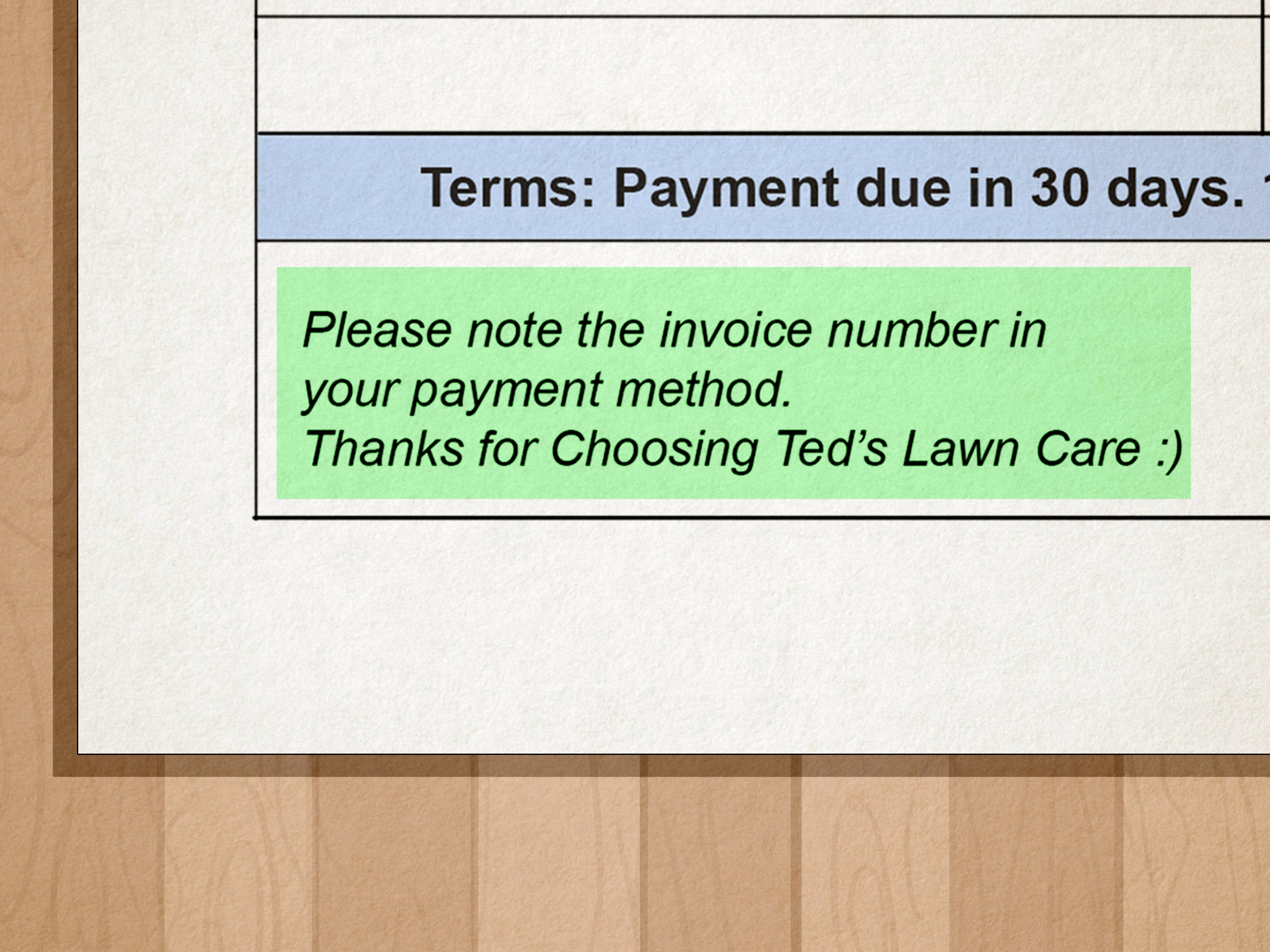
8. State Your Payment Terms Clearly
Payment terms explain when and how the customer should pay. Common examples include “Due upon receipt,” “Net 7,” “Net 15,” “Net 30,” or “50% deposit due before work begins, remaining balance due upon completion.”
Clear payment terms are one of the easiest ways to avoid late payments. Do not hide them in tiny text at the bottom. Place them near the total or in a dedicated payment terms section. A good payment term might read: “Payment is due within 15 days of the invoice date. Please pay by ACH transfer, credit card, or check using the instructions below.”
If you charge late fees, mention them clearly and make sure they are allowed by your contract and applicable law. Late fee wording should be professional, not threatening. The purpose is to set expectations, not to sound like a cartoon villain with a calculator.
9. List Accepted Payment Methods
Make payment easy. Include the methods you accept, such as ACH bank transfer, credit card, debit card, check, online payment link, PayPal, digital wallet, or wire transfer. If you prefer one method because it is faster or cheaper, say so politely.
For bank transfers, provide only the information necessary for secure payment. For checks, include the payee name and mailing address. For online payment, add a clear button or link if your invoicing system supports it. The fewer obstacles customers face, the faster they are likely to pay.
10. Add Notes, Policies, or Helpful Instructions
A short note can make the bill friendlier and more useful. You might thank the customer for their business, remind them of the project name, mention warranty details, or explain what to do if they have questions.
For example: “Thank you for choosing BrightLine Design. Please contact [email protected] if you have questions about this invoice.” This small touch keeps the tone professional and human. Remember, an invoice is still a customer communication. It can be efficient without sounding like it was written by a robot wearing a necktie.
11. Review the Bill Before Sending
Before sending the bill, review every detail. Confirm the customer’s name, invoice number, due date, item descriptions, math, tax, payment instructions, and attached documents. If the invoice refers to a contract, estimate, proposal, or purchase order, make sure those details match.
Also check the file name. A file called “final_invoice_reallyfinal_v7.pdf” does not inspire confidence. Use something clean, such as “Invoice-1045-BlueOakConsulting.pdf.” Small details shape how professional your business appears.
12. Send the Bill and Follow Up Professionally
Send the bill promptly after delivering the product or completing the service. Waiting too long can make payment feel less urgent. Email is the most common method, but some customers may require upload through a vendor portal or submission to an accounts payable department.
When you send the bill, write a short message that includes the invoice number, total amount due, due date, and payment link if available. Then track the invoice status. If payment is late, follow up politely and promptly. A simple reminder often works better than waiting in silence while your cash flow slowly develops trust issues.
Simple Bill for Payment Example
Here is a basic example of how a bill for payment might look in plain language:
Invoice Number: INV-1024
Invoice Date: June 1, 2026
Due Date: June 15, 2026
From: GreenTree Landscaping LLC, 120 Garden Lane, Austin, TX 78701
Bill To: Sarah Miller, 450 Oak Street, Austin, TX 78704
Service: Lawn cleanup, hedge trimming, and mulch installation
Subtotal: $425.00
Sales Tax: $0.00
Total Due: $425.00
Payment Terms: Payment due within 14 days. Accepted methods: ACH transfer, credit card, or check.
This example is simple, but it includes the essentials: who is billing, who is being billed, what work was completed, how much is owed, when it is due, and how payment can be made.
Common Mistakes to Avoid When Writing a Bill
Using Vague Descriptions
Descriptions like “services rendered” may be technically correct, but they are not helpful. Be specific enough that the customer can connect the bill to the work performed.
Forgetting the Due Date
A bill without a due date is an invitation to delay. Always include a clear deadline, preferably with both the term and the exact date.
Making Payment Hard
If customers have to ask how to pay, your bill is missing something. Include payment options, instructions, and links whenever possible.
Sending Bills Late
The best time to send a bill is soon after the work is complete or at the agreed milestone. Prompt billing keeps the project fresh in the customer’s mind and supports better cash flow.
Skipping Recordkeeping
Keep copies of every bill, payment confirmation, credit, refund, and customer communication. Good records help you track income, prepare financial reports, support tax filings, and understand how your business is performing.
Best Practices for Getting Paid Faster
Writing a bill is only part of the process. Getting paid on time often depends on what happens before and after the invoice is sent. Discuss payment expectations before starting work. Put terms in your agreement or proposal. Ask new clients who handles billing. Confirm whether they need a W-9, purchase order, vendor registration, or special invoice format.
Use shorter payment terms when appropriate. Net 30 is common in many industries, but not every business needs to wait a full month. Freelancers and small service providers often use Net 7, Net 10, or Net 15 to keep cash flow healthier. The right term depends on your industry, client relationship, project size, and contract.
Consider offering online payment options. A convenient payment link can reduce friction, especially for busy customers. Automated reminders can also help. A friendly reminder before the due date and another shortly after the due date can prevent awkward back-and-forth later.
Finally, stay polite but consistent. Professional follow-up is not rude. You delivered value, and the bill documents the agreed exchange. You are not asking for a favor; you are asking for the payment your business earned.
Practical Experience: What Actually Works When Writing Bills for Payment
After working with many small business-style billing situations, one lesson becomes obvious: the best invoices are boring in the best possible way. They are predictable, clear, and impossible to misunderstand. Nobody opens a bill hoping for suspense. Customers want the facts, and business owners want the money to arrive without a dramatic subplot.
One practical experience is that customers often delay payment not because they refuse to pay, but because the bill creates a tiny point of friction. Maybe the payment link is missing. Maybe the invoice says “Net 30” but does not show the exact due date. Maybe the project description is too vague for the customer’s accounting team to approve. Each small problem can add days or weeks to payment time.
The fix is to think like the person receiving the bill. Before sending it, ask: “Could someone who knows nothing about this project approve this invoice?” If the answer is no, add context. Include the project name, purchase order number, work dates, milestone, or contact person. A bill that makes approval easy is more likely to move quickly through the system.
Another experience is that consistency builds trust. Use the same invoice layout, numbering pattern, payment terms, and email style each time. Clients become familiar with your process. That familiarity can reduce questions and make your business look organized. Even a one-person operation can feel established when the billing process is polished.
It also helps to write payment terms in plain English. Some clients understand “Net 15,” but everyone understands “Payment is due by June 15, 2026.” Clear language is not less professional. It is more useful. The same applies to late fees. If you use them, explain when they apply and how they are calculated. Surprises are great for birthdays, not invoices.
Follow-up timing matters too. A reminder sent the day after a due date feels like normal business administration. A reminder sent 60 days later feels like panic wearing a business hat. Set a calendar reminder or use invoicing software so overdue bills do not slip through the cracks. The longer a bill sits unpaid, the more uncomfortable the conversation becomes.
A good billing email can make a difference. Keep it short and specific: “Attached is Invoice INV-1042 for the completed March maintenance work. The total due is $850, with payment due by April 15. You can pay using the link below.” That message gives the customer everything they need without making them dig through the attachment first.
Finally, remember that a bill is part of your customer experience. A confusing bill can make a great project end on a frustrating note. A clean, friendly, accurate bill can reinforce that the customer chose a professional. The goal is not to create the world’s fanciest invoice. The goal is to create one that gets read, approved, filed, and paid.
Conclusion
Learning how to write a bill for payment is a simple but powerful business habit. A strong bill includes your business details, customer information, invoice number, dates, itemized charges, total amount due, payment terms, accepted payment methods, and clear instructions. It should be accurate, easy to read, and sent promptly.
The best bills do not just ask for money. They answer questions before the customer has to ask them. They support clean records, smoother communication, and better cash flow. And while invoicing may never become the most glamorous part of business ownership, it can become one of the most reliable. Write it clearly, send it quickly, follow up politely, and give your customers a payment process so easy they almost feel guilty delaying it.
SEO Tags